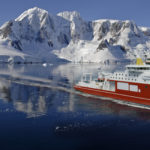
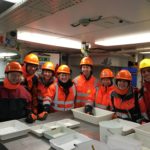
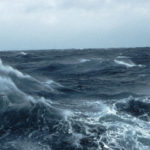
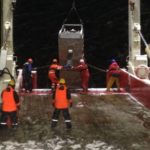
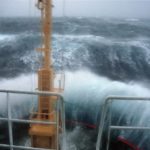
The RRS Sir David Attenborough, commissioned by NERC, built by Cammell Laird for operation by British Antarctic Survey, is one of the most advanced polar research vessels in the world.
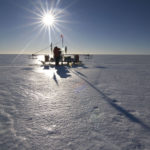
Accessing subglacial environments
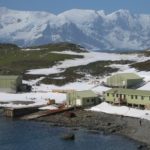
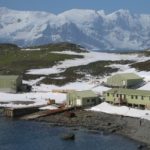
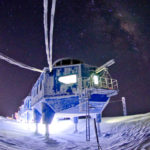
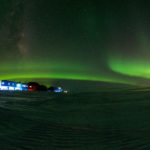
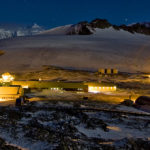
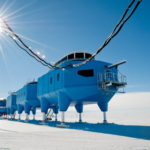
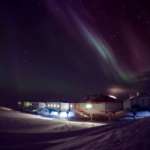
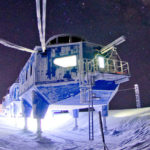
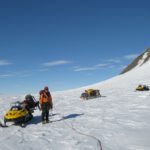
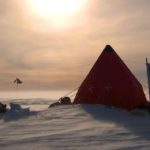
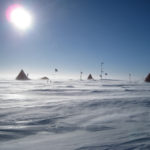
Halley Research Station is the British Antarctic Survey’s most southerly Research Station and is built on a floating ice shelf. All the vehicles at Halley are tracked and can be …
Ensuring our Antarctic vehicles fleet performs in extreme conditions
To assess the wider impact of global climate changes on the environment we are investigating intervals of deep geological time that provide clues about the evolution and sensitivity of organisms …
We aim to detect patterns and mechanisms of late glacial and Holocene climate change and to place recent human impacts on the Earth’s climate system in the context of long …
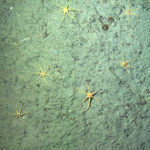
Shallow UW Camera System can work to depth up to 1000m, showing a black and white live low resolution video stream and can take colour high resolution stills. The system consists …
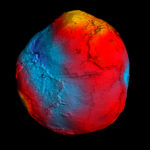
BAS has developed aerogravity systems that can be mounted in its geophysical survey aircraft, or in a UAV. Over 100,000 km of gravity data has been collected since such systems …
The radar system is composed of a complex waveform generator, signal processor, data handler and data store. It includes a high power transmitter (up to 66dBm or 4kW), a low …
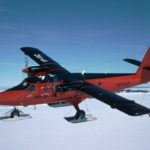
Two of the four BAS Twin Otters are equipped with a full remote sensing capability, providing scientists with data on land, ice and sea. This includes VNIR & SWIR hyperspectral …