Himalayan floods: avoiding future disasters
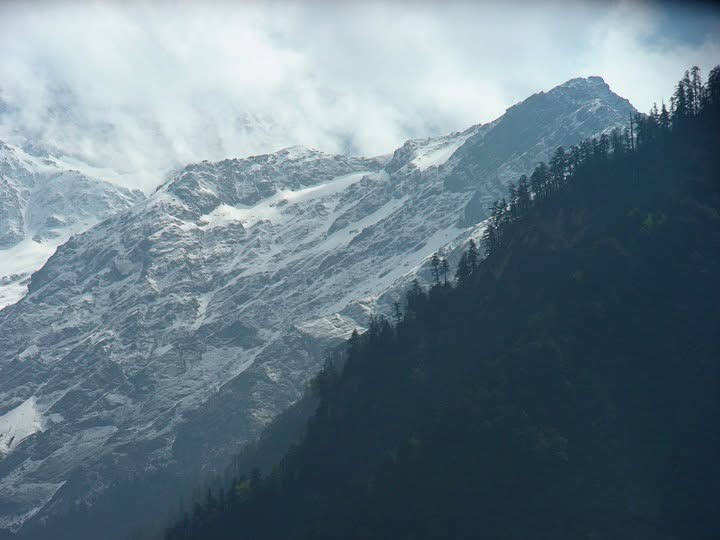
The massive and deadly floods on the Nepal-Tibet border are a stark reminder of why the world needs to constantly update its understanding of the fragile ecosystem in the Himalayas.

1 to 12 of 1439 results
The massive and deadly floods on the Nepal-Tibet border are a stark reminder of why the world needs to constantly update its understanding of the fragile ecosystem in the Himalayas.
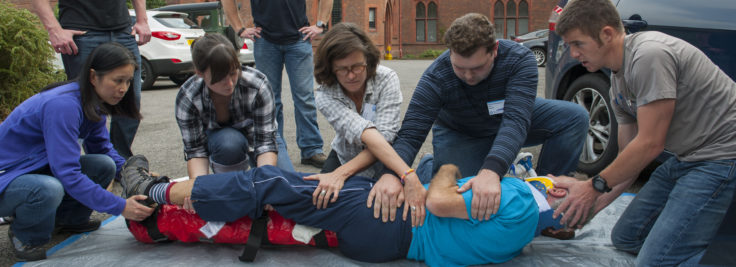
University Hospitals Trust Plymouth have been re-awarded a contract to provide medical support to the British Antarctic Survey for the next four years.
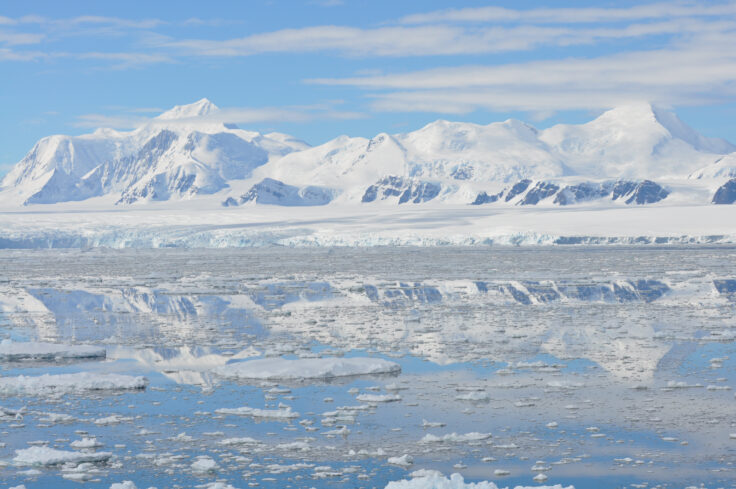
A new international scientific review, co-authored by researchers at British Antarctic Survey (BAS), warns that major gaps in our knowledge of Antarctica’s coastline are now among the biggest obstacles to producing reliable predictions of future global sea level rise.
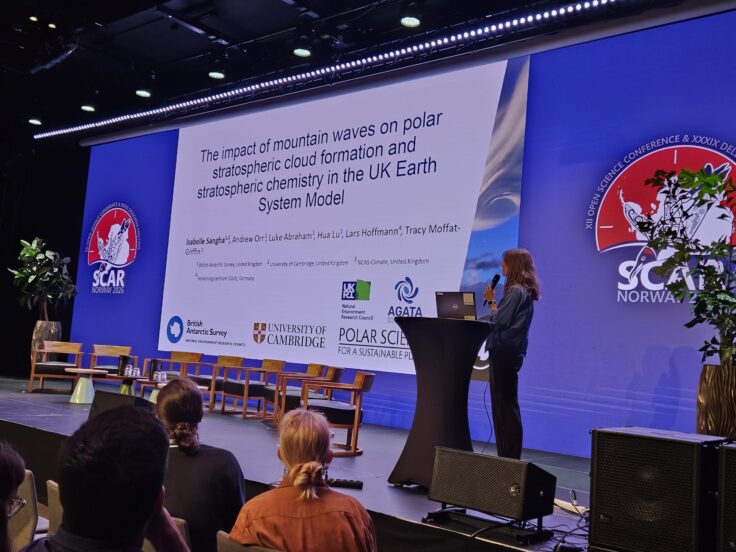
Our Antarctic experts attend the SCAR Open Science Conference in Oslo, sharing their latest findings and shaping plans for future collaboration.
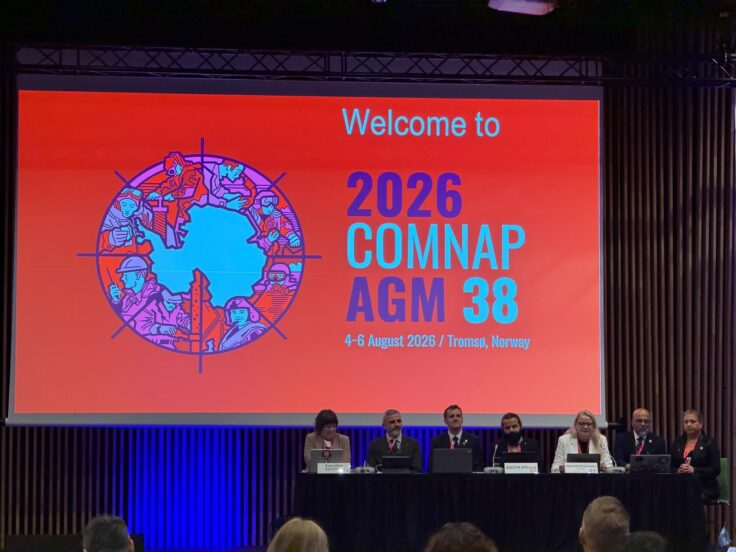
BAS joins representatives from national Antarctic programmes in Norway to share operational experience, discuss emerging challenges and develop best practice for working safely, sustainably and efficiently across the Antarctic region.
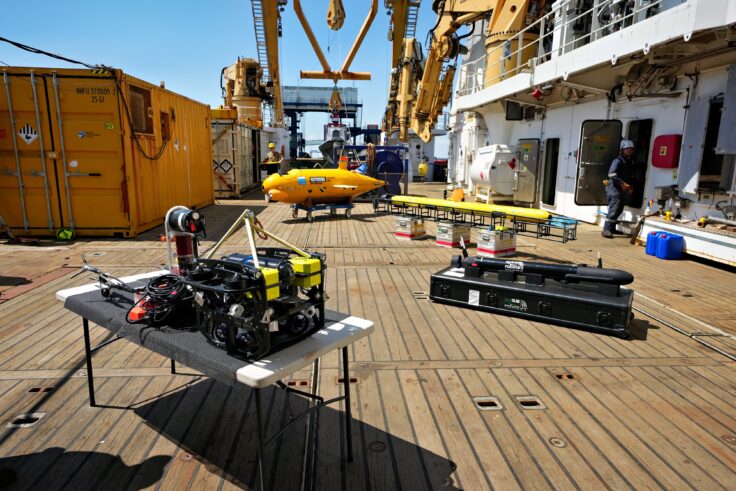
In the harsh and ever-changing landscapes of the polar regions, autonomous robots are quickly becoming a scientist’s best friend as our tools catch up with our questions.
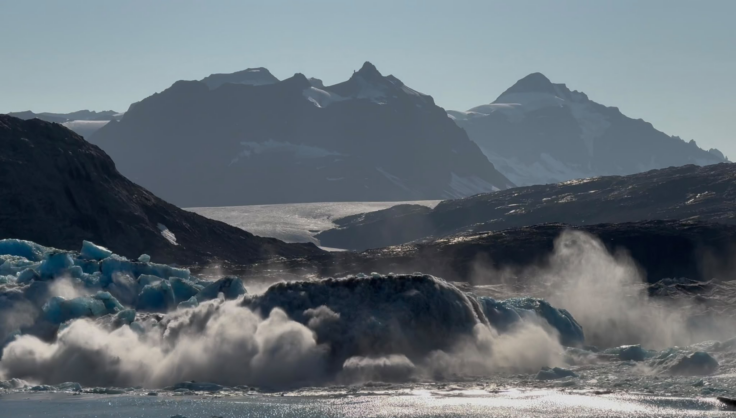
Scientists and crew on board RRS Sir David Attenborough captured footage of a huge glacier calving event in East Greenland.
A major new EU-funded project is bringing together 27 research institutions from around the world, including the British Antarctic Survey, to build a step-change in how we observe and understand the Southern Ocean and Antarctica.
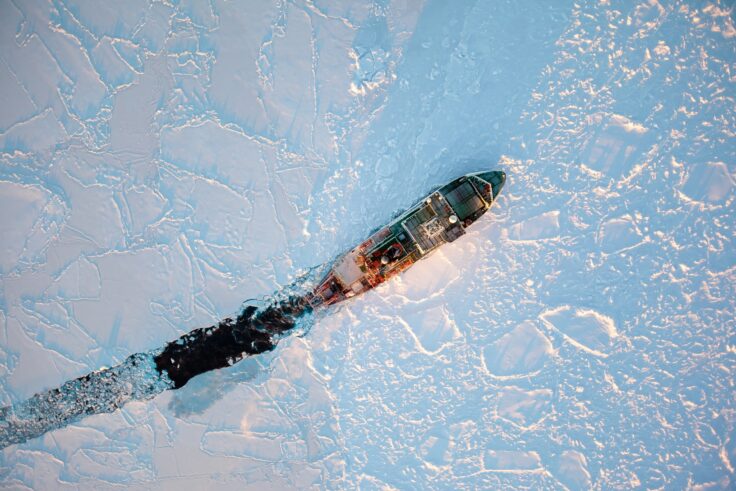
An international team is collecting observations to understand how a melting Greenland is affecting ocean currents, which could cause weather change in UK and Europe
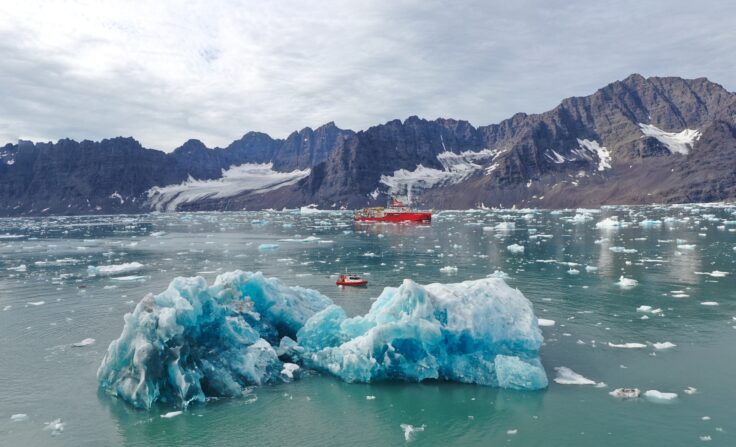
British Antarctic survey joins over 40 national science and research organisations in a new alliance to strengthen the UK’s research landscape.
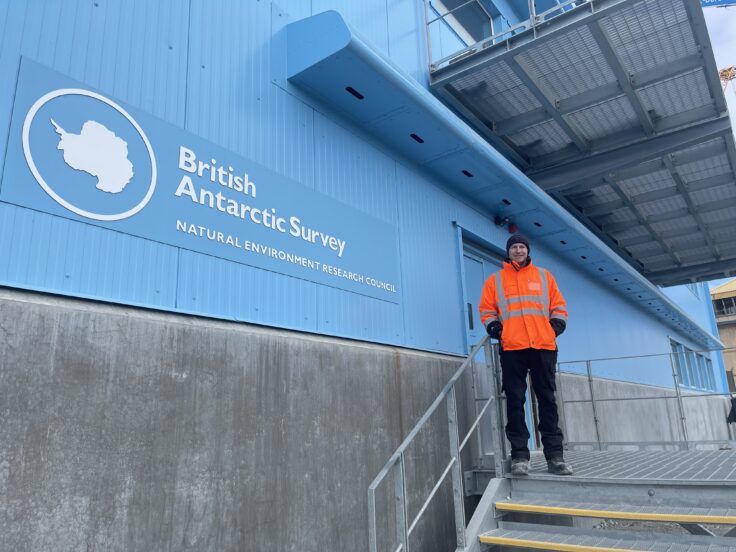
British Antarctic Survey’s (BAS) Modernisation Project at Rothera Research Station has been shortlisted in four categories at the British Construction and Infrastructure Awards (BCIA) 2026.
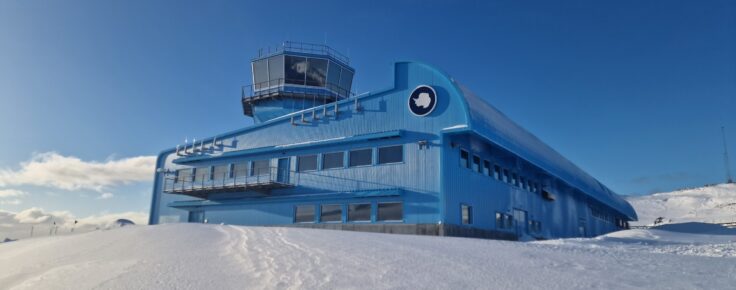
Human activity has driven retreat of one of Antarctica’s most important glaciers
British Antarctic Survey scientists have contributed to the first study to directly link the retreat of a major Antarctic glacier to human-caused climate change.