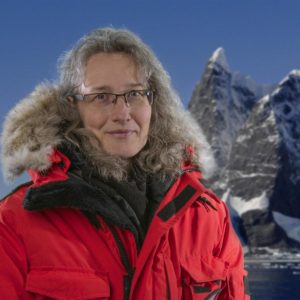
Director of Polar Scientific Innovation and Impact
BAS Science Strategy Executive Group, Information Services team, Leadership teams, UK Polar Data Centre team, BAS Executive team


We provide space for collaboration at the British Antarctic Survey in order to address issues of global importance and help society adapt to a changing world. The interdisciplinary collaborations we stimulate increase the real-world benefit of polar research. We aim to advance our understanding of Earth as a sustainable planet, address environmental challenges and look for solutions for a Net Zero Carbon future. We use the spaces at the Innovation Centre for collaboration and strategic events with partners.
We partner with individuals, institutions and businesses who share our values and whose work complements ours.
By working in interdisciplinary local, national and international partnerships and drawing on expertise across UK Research and Innovation and the Government Office for Technology Transfer, we create global impact. From groundwater monitoring in Morocco to high resolution climate modelling in the Himalayas, from fisheries management in Brazil to understanding arctic sea ice loss, polar expertise is relevant from north to south, from east to west. Our polar operations provide a testbed for innovation under extreme conditions, while our understanding of polar biodiversity contributes to a sustainable bioeconomy.
If your mission aligns with ours, we are keen to explore how our spaces and expertise can add benefit to your work. To find out more, please get in touch.
Possibly ‘the best kept secret in Cambridge’, the Aurora Collaboration Space is a coworking space for members who share our passion for the environment. Individuals and organisations can access flexible desk space through membership. Members also gain valuable networking opportunities with like-minded people as part of a working research institute. To find out more please email us here.
Aurora is a space for all, no matter your identity. Discrimination on grounds of age, sex, race, religious beliefs, gender identity or sexual orientation has no place here. Remember this when interacting with others. It is our responsibility to make Aurora safe for everyone – please tell us if you are worried about anything.
The Aurora Centre has step-free access to all areas and accessible toilets at both levels of the building. The Conference Theatre and rooms are also equipped with an infrared assisted listening system. We are always striving to make our venue more welcoming to all. If you have any feedback or would like more information, please get in touch.
Director of Polar Scientific Innovation and Impact
BAS Science Strategy Executive Group, Information Services team, Leadership teams, UK Polar Data Centre team, BAS Executive team

Polar Scientific Innovation Lead

Innovation Community Officer
Possibly ‘the best kept secret in Cambridge’, the Aurora Collaboration Space at British Antarctic Survey is a coworking space for members who share our passion for the environment.
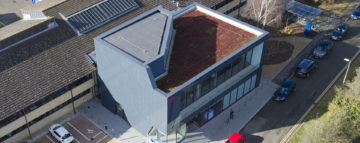
CACHE-ITN pushed forward our understanding of calcium production in warmer more acidic marine environments.

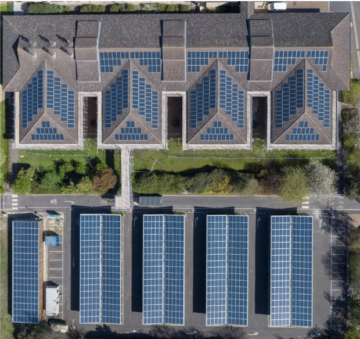
We are working on a raft of measures to reduce our carbon emissions at our Cambridge Headquarters, including installation of solar panels on the car park and roofs of buildings, and adding insulation to our Logistics building.
This collaborative project is born from exploring novel ways of visualising environmental data and telling the climate change story. Read more about the project and the science behind it through the project page.

Dynamic Live Cell Imaging investigated how Antarctic marine organisms, particularly fish, function at temperatures below 0°C
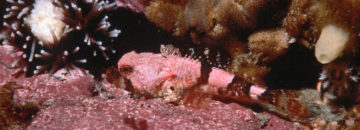
EMBRC is a group of leading European marine research centres, which is also known as a distributed Research Infrastructure. It provides access to European coastal seas and the endemic fauna, with the addition of Antarctica via BAS.
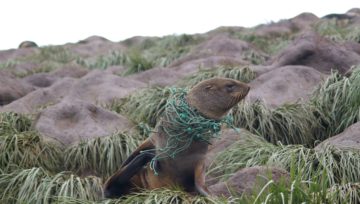
This project investigated plastic pollution across Arctic and Antarctic environments. Scientists collected water, ice, and sediment samples to quantify macro and microplastic pollution, track its sources, and assess its impact on polar wildlife.

This project monitors plastics and debris in Antarctic and sub-Antarctic ecosystems, tracking impacts on seabirds, marine mammals, and coastal environments.
IceNet is a deep learning system that forecasts Arctic sea ice. The system is trained on climate simulations and observational data. It outperforms state-of-the-art dynamical models, especially for extreme sea ice events.
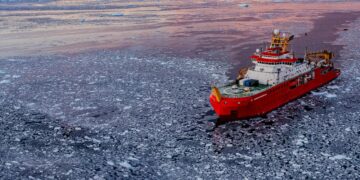
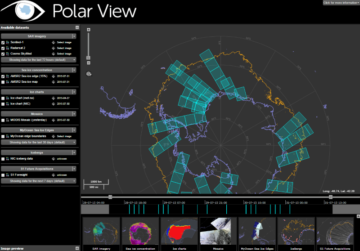
Polar View delivers information about sea ice direct to ships operating in the Southern Ocean.
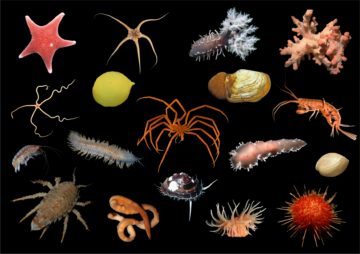
In this collaboration with the Natural History Museum (NHM) and the University of Liverpool, we have developed novel methods for using existing data to contribute to marine conservation and fisheries […]

This project investigated whether Mortierella, a cold-tolerant Antarctic soil fungus, could replace banned chemical pesticides in controlling weevil larvae that damage UK soft fruit and forestry crops.
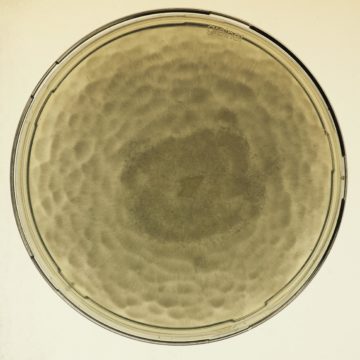
Soon after I started Camrosh Ltd, an innovation strategy consultancy, in late 2014, it became clear to me that despite having taken every effort to set up a comfortable office […]
British Antarctic Survey (BAS) has precautionary measures to limit the spread of COVID-19. Our organisation continues to function well in spite of most of our staff working from home. Science and support teams who have completed summer fieldwork are currently being repatriated to UK.
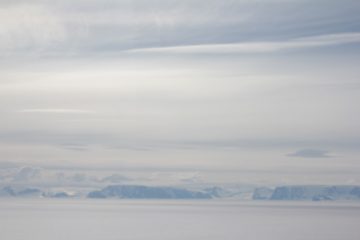
The new Aurora Innovation Centre that will support cross-discipline research to tackle environmental challenges and increase the real-world benefit of polar research was officially opened today (Friday 21 July) by […]
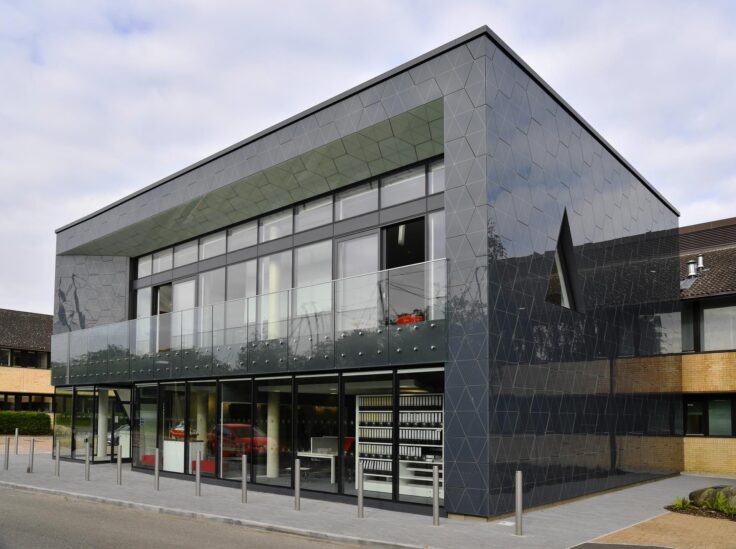
Aurora Innovation Centre
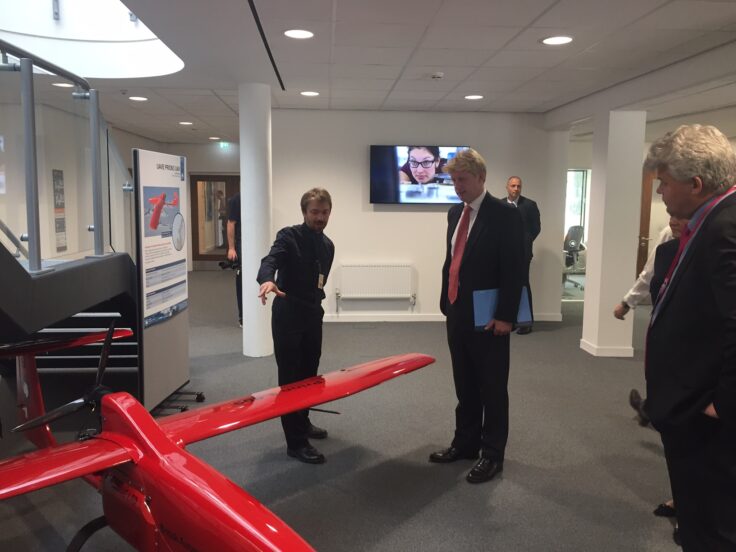
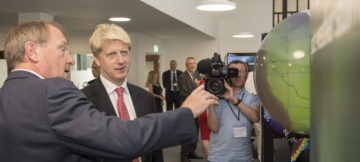
Jo Johnson talks to BAS engineer about unmanned airborne vehicles
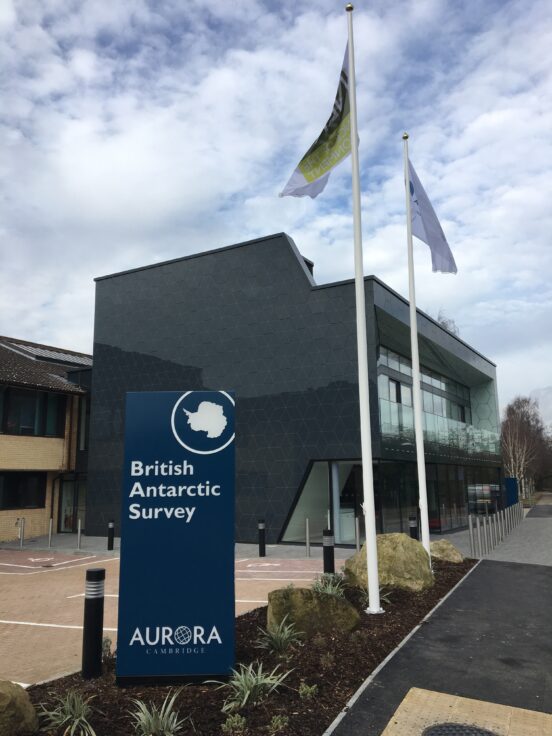
Aurora Innovation Centre

Inside Aurora