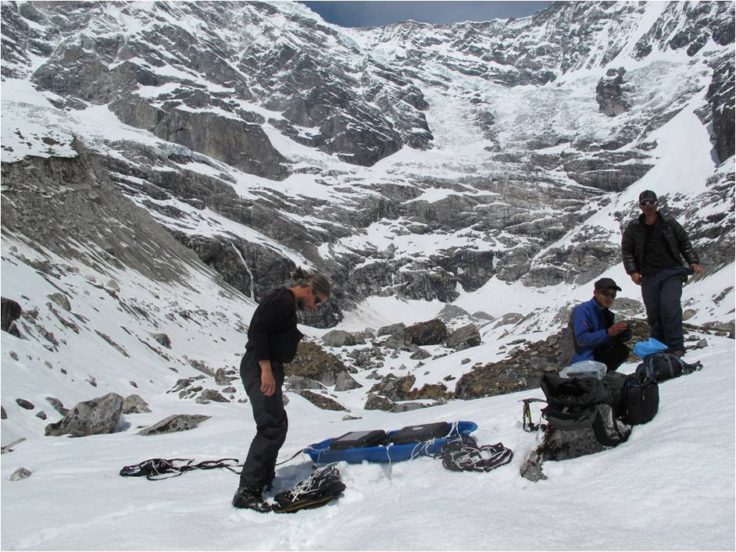
The rise of the robots: how autonomous vehicles are transforming polar science
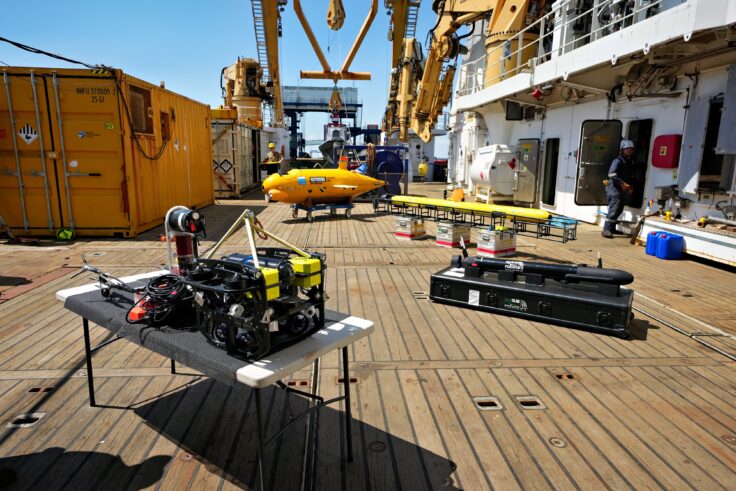
In the harsh and ever-changing landscapes of the polar regions, autonomous robots are quickly becoming a scientist’s best friend as our tools catch up with our questions.

1 to 12 of 54 results
In the harsh and ever-changing landscapes of the polar regions, autonomous robots are quickly becoming a scientist’s best friend as our tools catch up with our questions.
An international team is collecting observations to understand how a melting Greenland is affecting ocean currents, which could cause weather change in UK and Europe
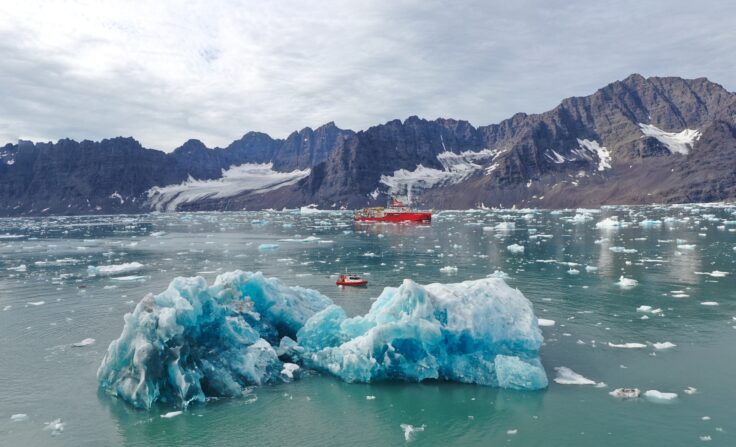
Human activity has driven retreat of one of Antarctica’s most important glaciers
British Antarctic Survey scientists have contributed to the first study to directly link the retreat of a major Antarctic glacier to human-caused climate change.
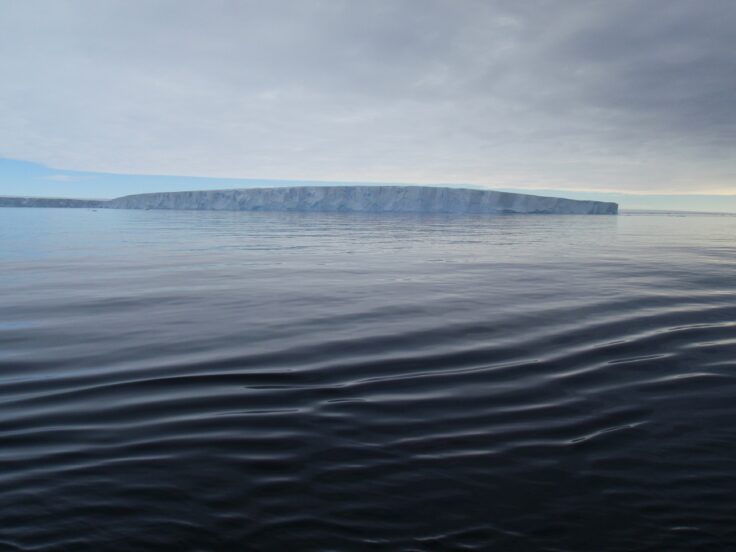
A new study on Antarctica’s Brunt Ice Shelf has revealed that surface melting and seawater infiltration can have dramatically different effects on the structural strength of floating ice shelves.
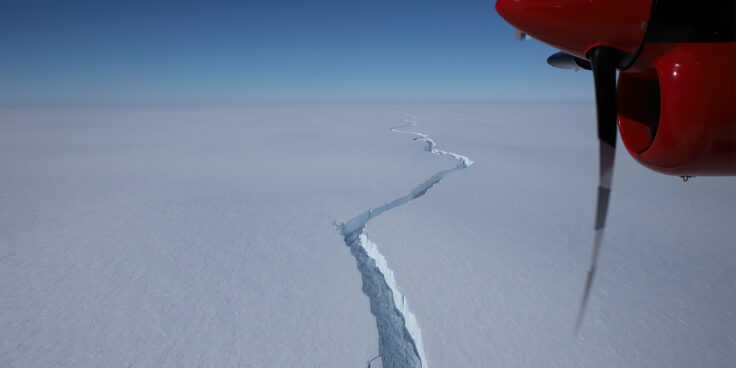
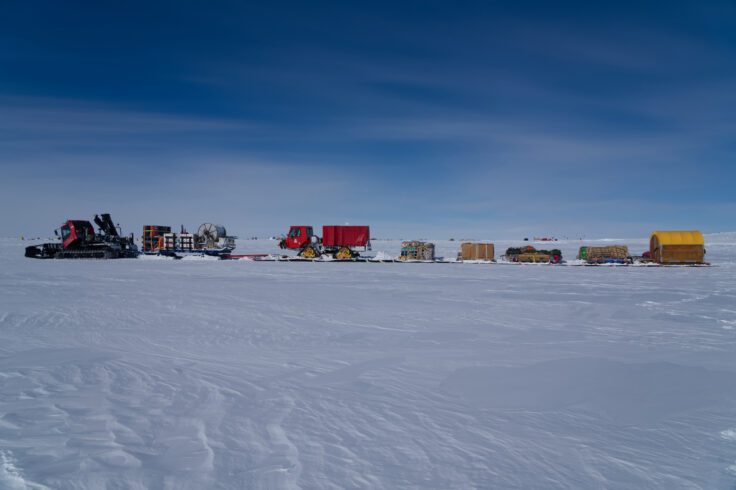
Researchers from British Antarctic Survey (BAS) and South Korea (KOPRI) have concluded a highly ambitious field operation at Thwaites Glacier, West Antarctica.
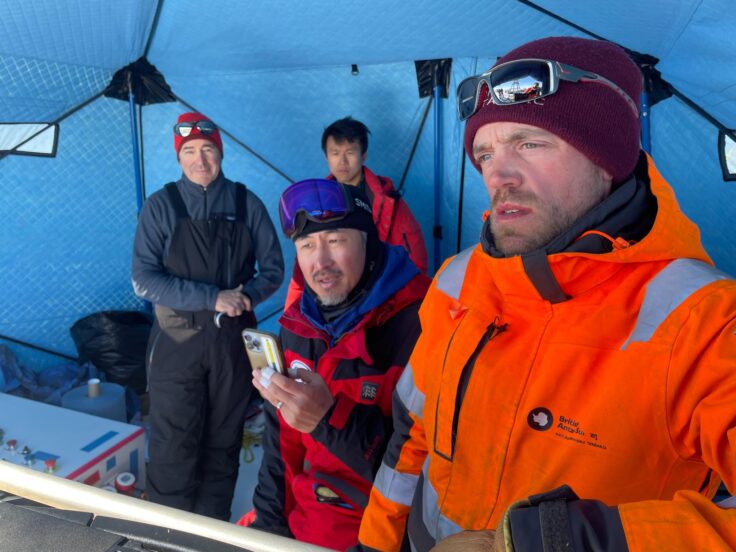
A team of researchers from the UK and Korea has reached the most inaccessible and least-understood part of Thwaites Glacier in West Antarctica where they will drill through the glacier to directly observe how warm ocean water is melting it from below.
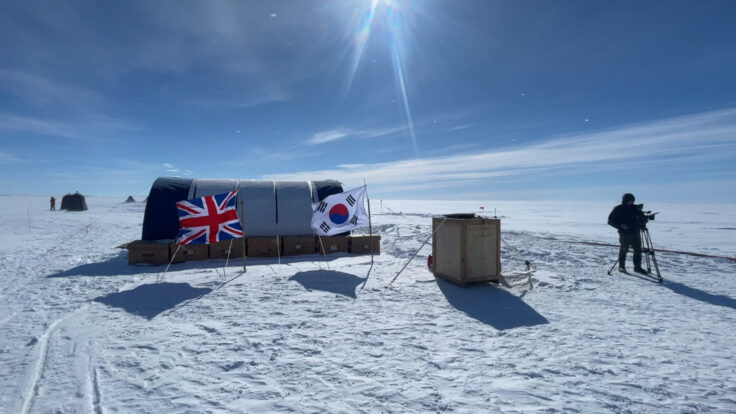
GIANT is a pioneering science project that will test the potential for early warning of a critical climate tipping point.
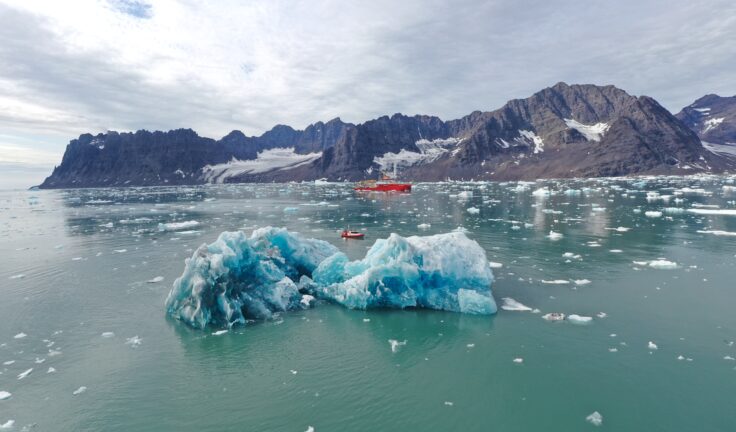
POLOMINTS investigates how glacier calving triggers internal tsunamis, reshaping polar ocean mixing and influencing climate, ecosystems, and carbon cycling.
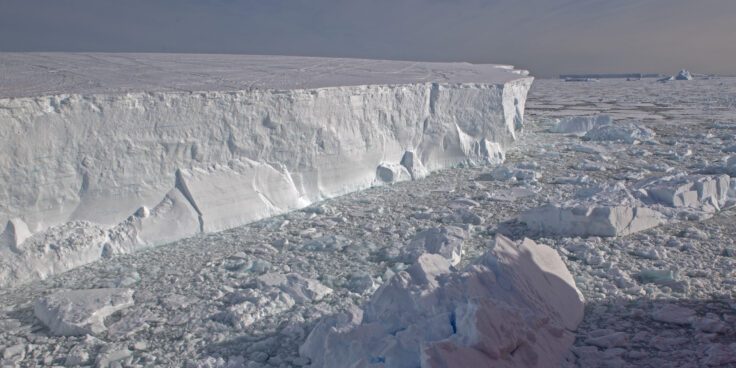
New science briefing summarises results of the ambitious international collaboration to study Antarctica’s most worrying glacier
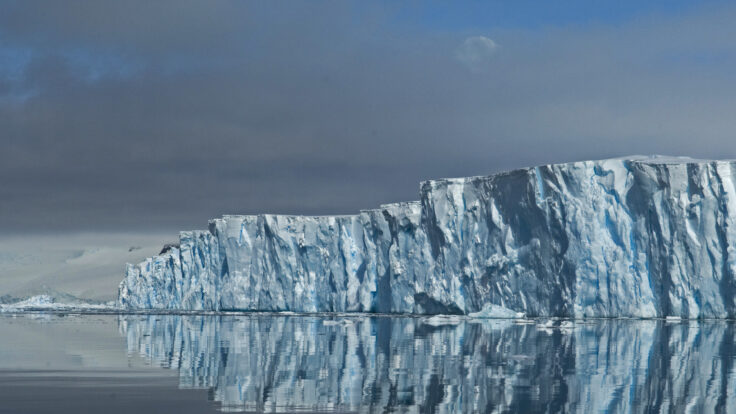
Scientists have discovered a landscape of rocky hills and smooth plains beneath the remote Thwaites Glacier in West Antarctica.
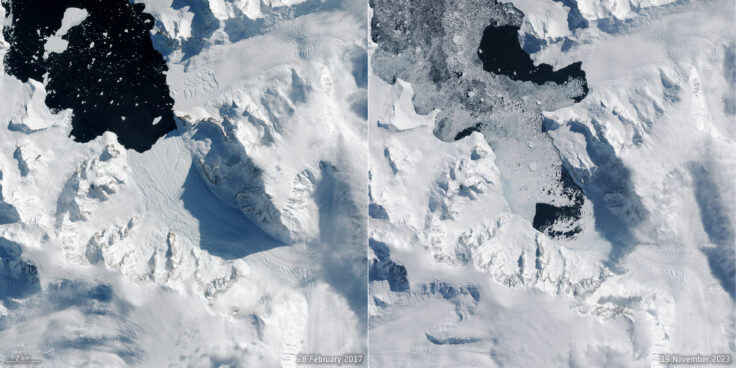
Scientists are warning that apparently stable glaciers in Antarctica can change rapidly and lose large quantities of ice as a result of warmer oceans.
British Antarctic Survey glaciologist Hamish Pritchard has won the 2023 Harry Otten Prize for Innovation in Meteorology.