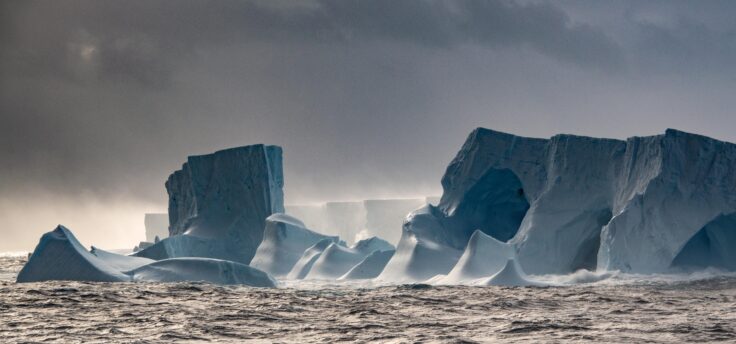
Not all icebergs are equal – and that matters for the climate, new study finds
Scientists studying world’s largest and most famous icebergs find surprising differences in how they affect ocean life.

10 of 10 results
Scientists studying world’s largest and most famous icebergs find surprising differences in how they affect ocean life.
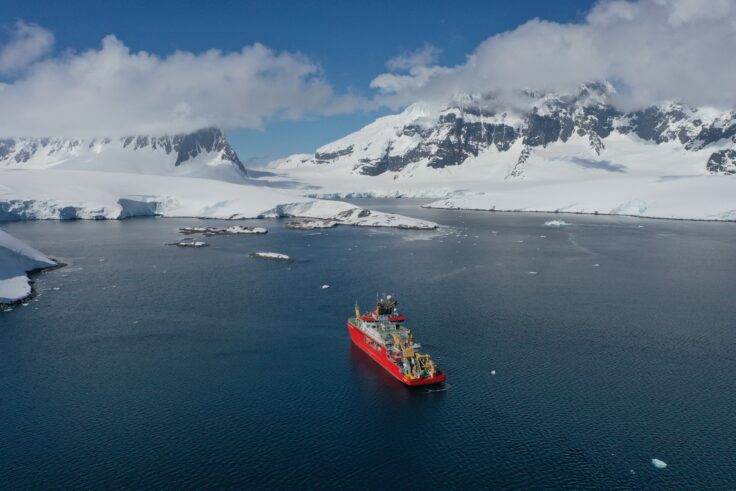
Scientists return to the Southern Ocean this week (5 February 2025), as part of the BIOPOLE project, to answer fundamental questions about how nutrients drive the global carbon cycle and ocean ecosystems.
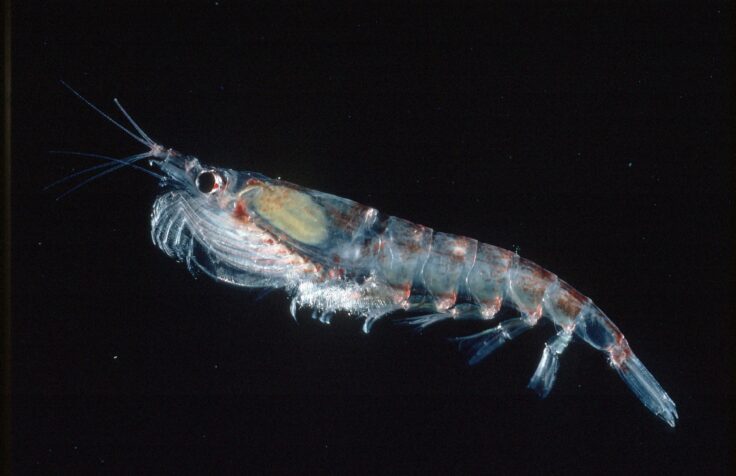
New research shows that increased levels of plastic pollution in the Southern Ocean could reduce the ability of Antarctic krill, a tiny shrimp-like crustacean, to help take CO2 from the atmosphere.
POLOMINTS investigates how glacier calving triggers internal tsunamis, reshaping polar ocean mixing and influencing climate, ecosystems, and carbon cycling.
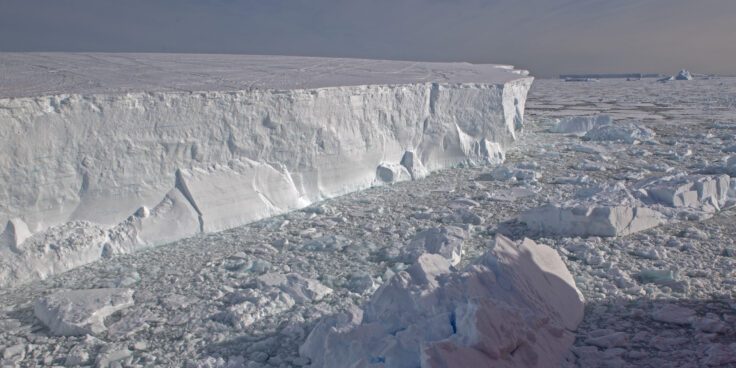
CONSEC explores how climate change and human activity are transforming the Southern Ocean, guiding global science and conservation.
SiCLING studies how silicon cycles in Arctic and Antarctic glacial environments and how these cycles affect marine ecosystems and carbon flow.
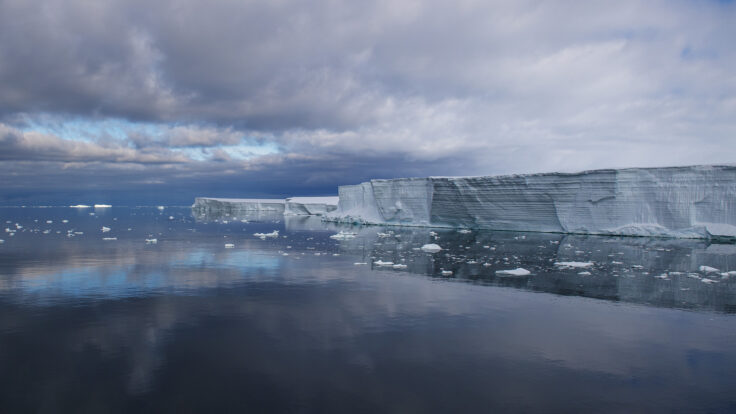
A team of researchers led by British Antarctic Survey has for the first time mapped the deepest part of the South Sandwich Trench in the Southern Ocean. This part of […]

SCOOBIES makes long-term observations of key Earth system indicators in the Southern Ocean. These observations are vital for both UK and global science.
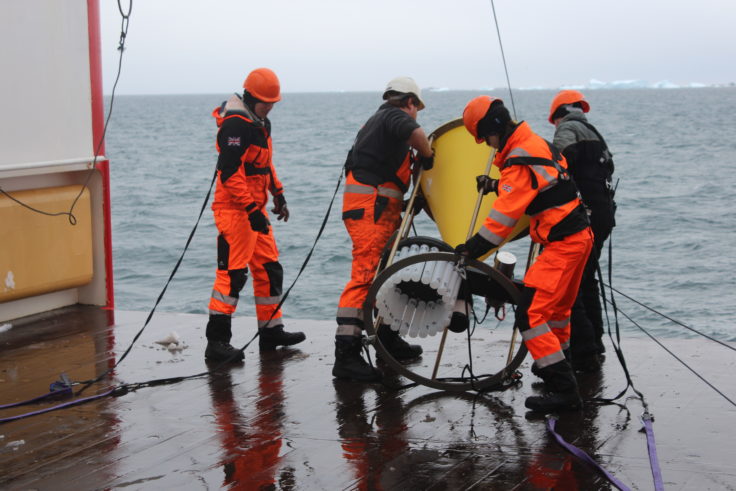
The ASCCC Project investigates, quantifies and understands the role of polar and subpolar seabeds in the carbon cycle, particularly in response to climate change.
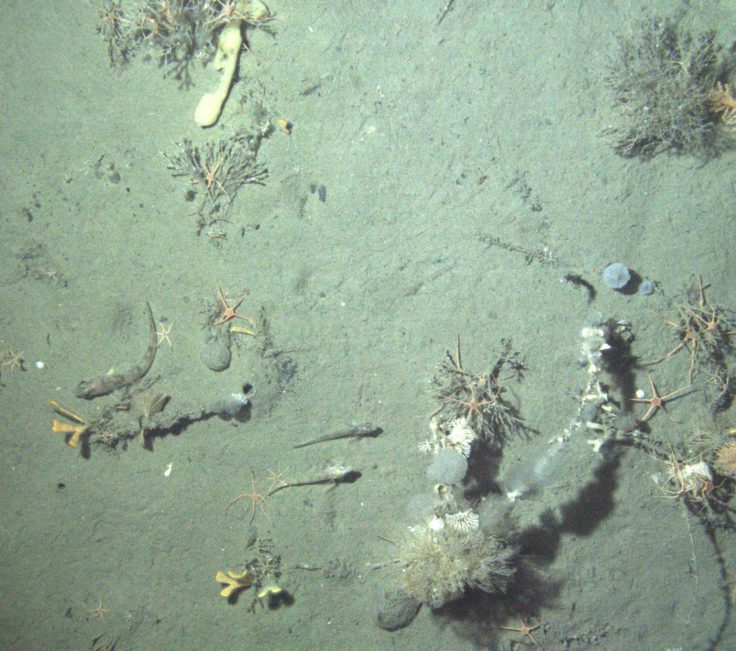
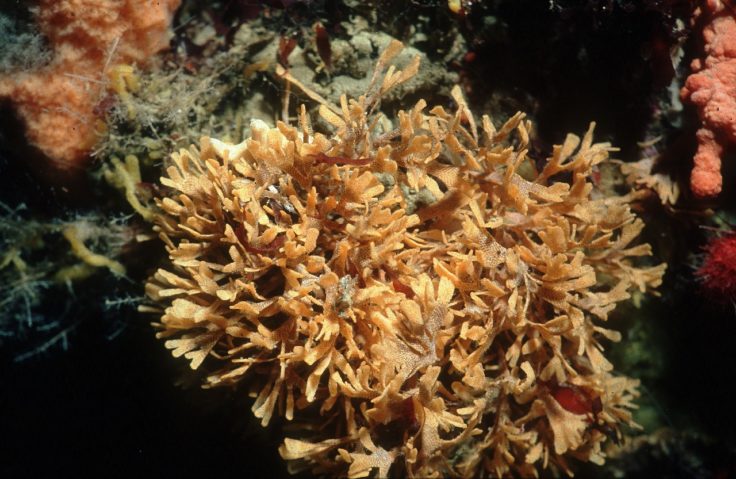
Captain Scott’s century-old collections suggest marine life is capturing more carbon Tiny Antarctic marine creatures collected 100 years ago by Antarctic explorer Captain Robert Falcon Scott give new clues about […]