Penguin population collapse on volcanic island
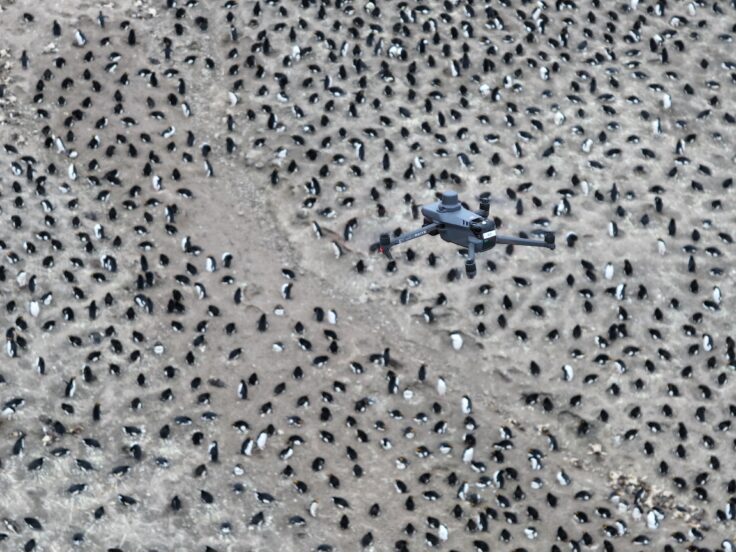
New research reveals the loss of half a million chinstrap penguins from the Antarctic island of Zavodovski, as scientists fear they may now qualify as an ‘Endangered’ species.

1 to 12 of 99 results
New research reveals the loss of half a million chinstrap penguins from the Antarctic island of Zavodovski, as scientists fear they may now qualify as an ‘Endangered’ species.
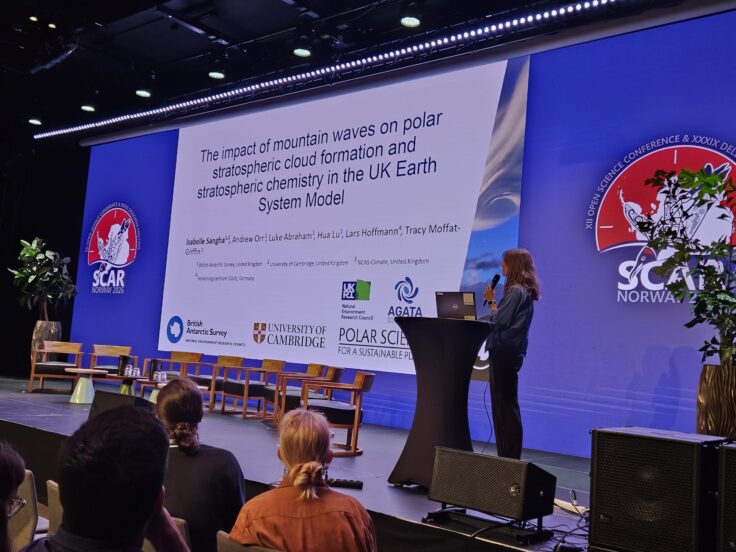
Our Antarctic experts attend the SCAR Open Science Conference in Oslo, sharing their latest findings and shaping plans for future collaboration.
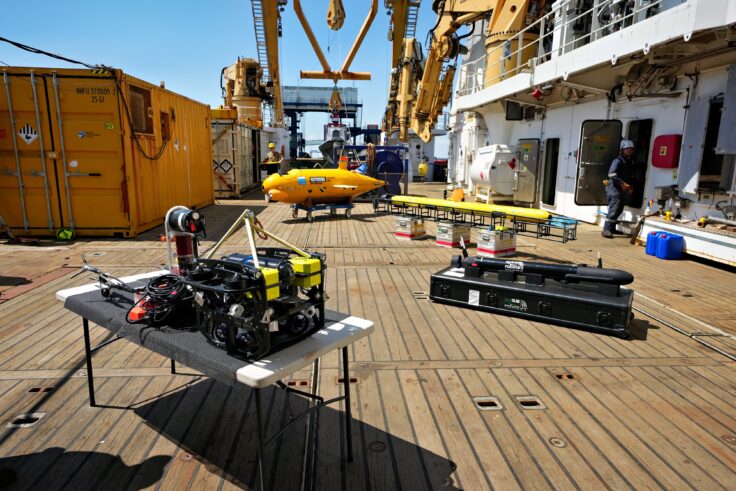
In the harsh and ever-changing landscapes of the polar regions, autonomous robots are quickly becoming a scientist’s best friend as our tools catch up with our questions.
An international team is collecting observations to understand how a melting Greenland is affecting ocean currents, which could cause weather change in UK and Europe
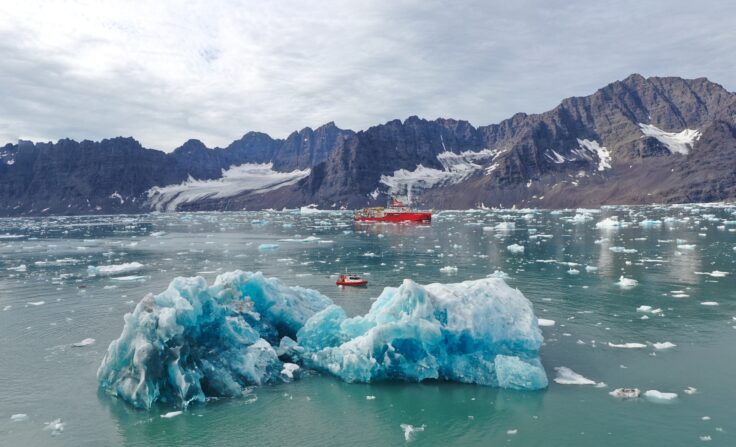
As the 2025/26 Antarctic science season comes to an end, we look back at our highlights and achievements.
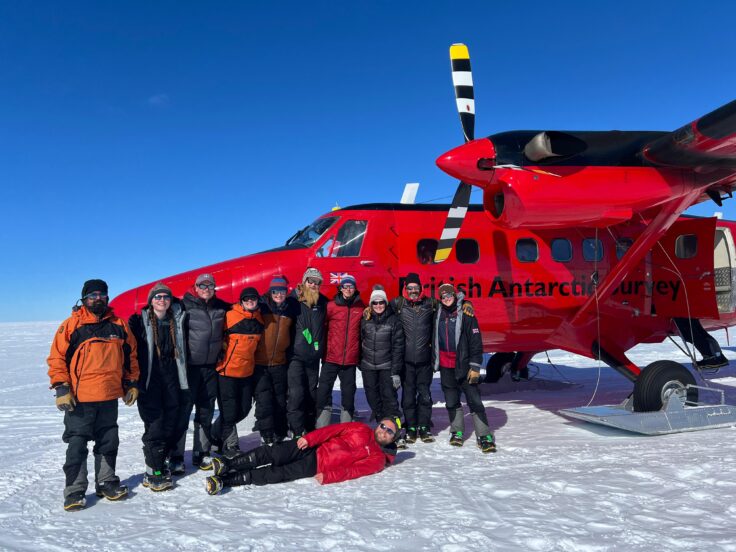
Scientists studying world’s largest and most famous icebergs find surprising differences in how they affect ocean life.
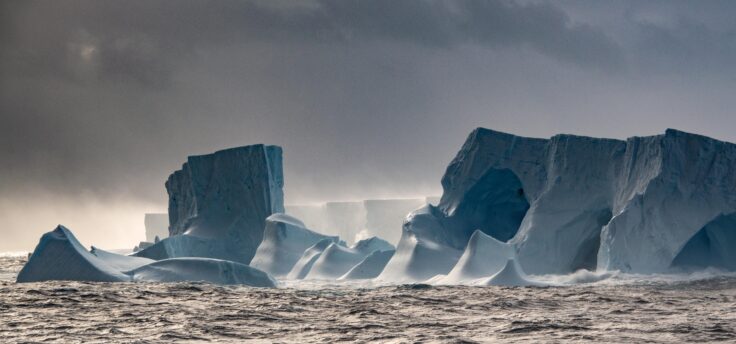
Researchers from British Antarctic Survey (BAS) and South Korea (KOPRI) have concluded a highly ambitious field operation at Thwaites Glacier, West Antarctica.
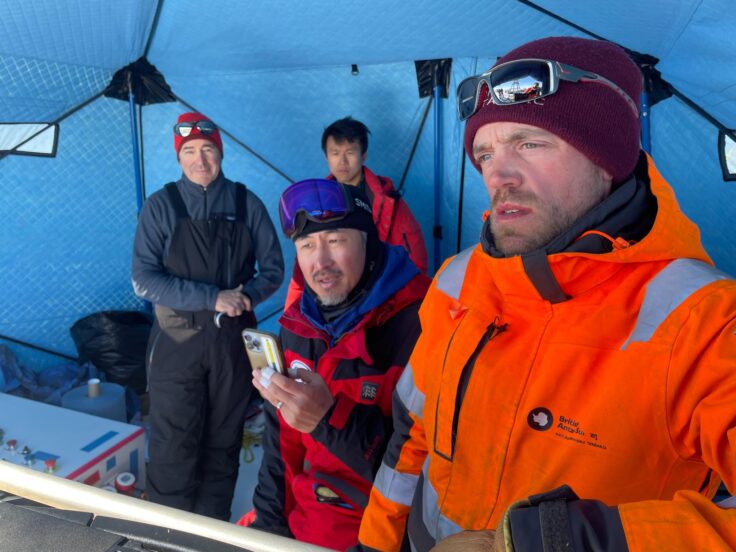
A team of researchers from the UK and Korea has reached the most inaccessible and least-understood part of Thwaites Glacier in West Antarctica where they will drill through the glacier to directly observe how warm ocean water is melting it from below.
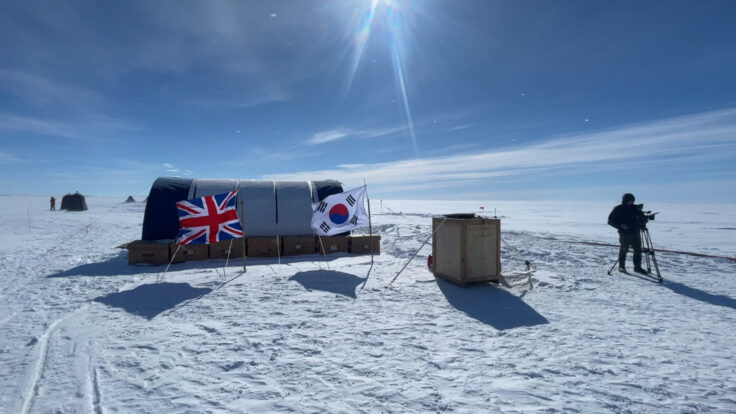
An international team of researchers, led by British Antarctic Survey (BAS), is setting out to discover how glacier calving around Antarctica can trigger powerful underwater tsunamis.
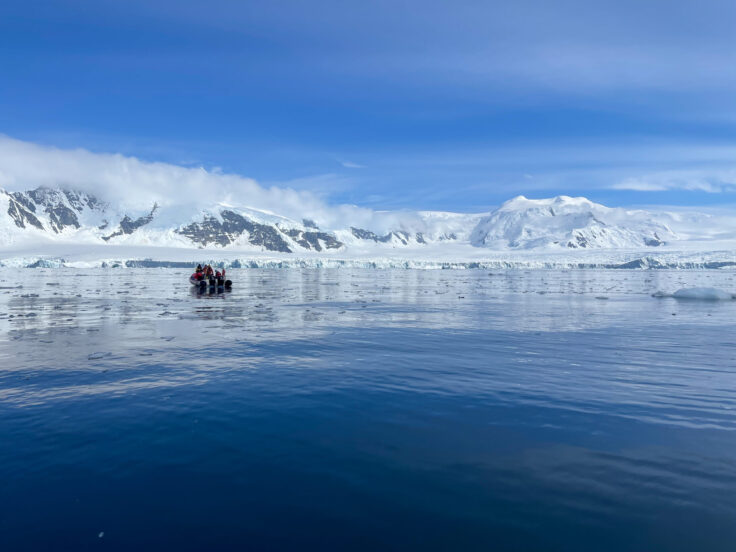
Scientists have uncovered how changing ocean currents in South Georgia’s fjords could affect the survival of young mackerel icefish. The species is a key component of the island’s rich marine […]
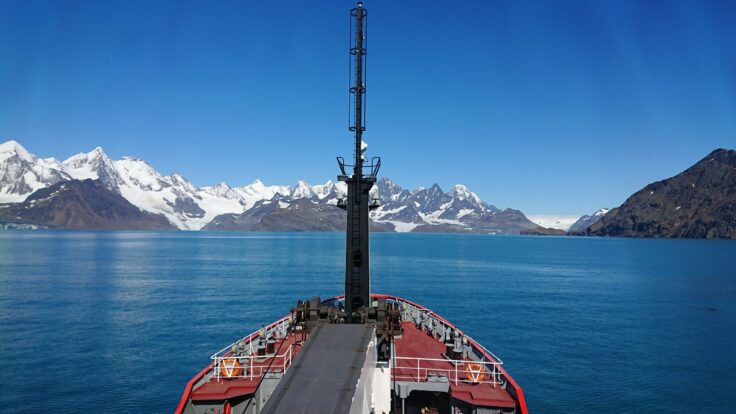
Professor Mike Meredith is an oceanographer at British Antarctic Survey. He concludes a first of its kind science cruise on the RRS Sir David Attenborough conducting research in the polar winter.
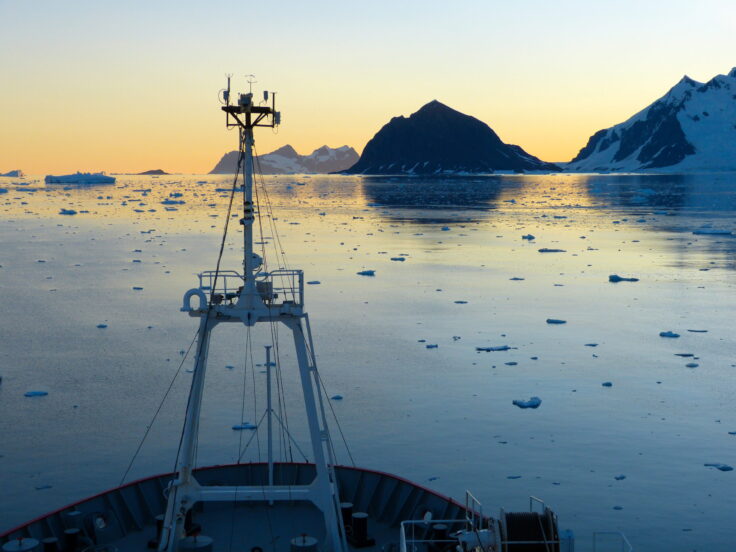
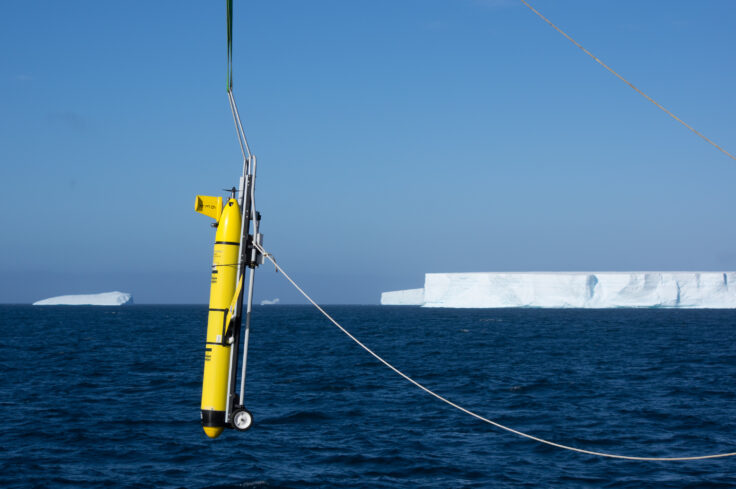
Scientists have collected measurements close to a giant iceberg, giving an unprecedented window into the impact of meltwater on the surrounding Southern Ocean and ecosystem.