
Science Leader
BAS Science Strategy Executive Group, Atmosphere, Ice and Climate team

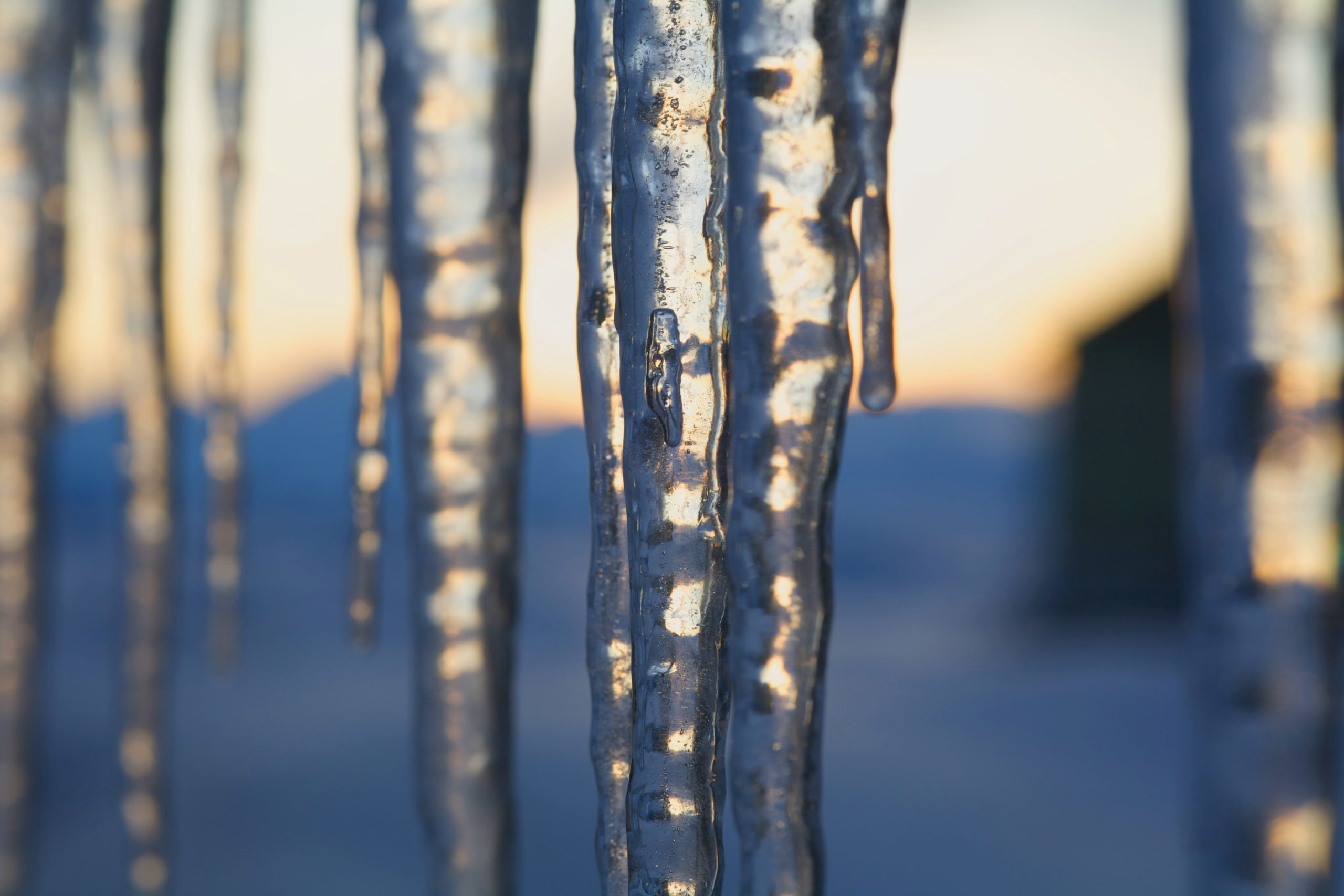
Our team studies how the polar atmosphere, ocean, and ice interact with each other and the global climate.
We aim to understand the processes driving these systems and predict their responses to environmental change. Our research supports climate policy and global climate models.
We investigate how air, ice, and ocean interact to influence climate.
We study sea ice dynamics, clouds, aerosols, and atmospheric chemistry. This ensures these critical factors are accurately represented in climate models to predict polar climate change.
We use long-term observations to identify trends and variability in the polar atmosphere.
Our team:
uses cutting-edge instruments on the ground, in the air, and on autonomous platforms
develops numerical models and data analysis techniques
trains PhD students and early career scientists
Our team collaborates with leading UK and international research teams to tackle high impact science questions and drive the research agenda.
Take a leading role in the planning and implementation of polar science programmes through various organisations, including the:
Our meteorological data collected from Antarctica contributes sustained observations to World Meteorological Organisation programmes. For example, the Global Atmosphere Watch.
Our team briefs UK government departments and supports international climate programmes.
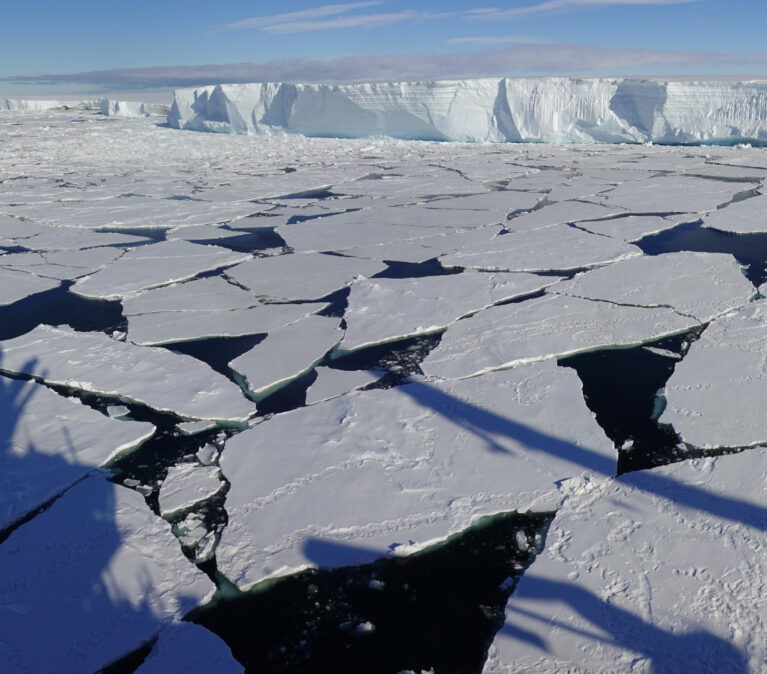
The recent extreme swings in Antarctic sea ice extent emphasise the need to increase our knowledge of the drivers and climate implications of Antarctic sea ice loss.
Science Leader
BAS Science Strategy Executive Group, Atmosphere, Ice and Climate team
Atmosphere Ice and Climate Dep Science Leader

Polar Climatologist
Head of Meteorology and Ozone monitoring

Atmospheric and Glaciochemist DSL

PhD Student

Mountain Climate Modeller

Polar Climate Scientist

E Fellow

Atmospheric Scientist

Atmos Sci Stratosphere Troposhere Coupling

PICANTE Climate Scientist

PhD Student

Post Doctoral Researcher Ionospheric Scientist
Space Weather and Atmosphere team, Atmosphere, Ice and Climate team

Senior Climatologist

Climate Physicist

PhD Student

Atmospheric Chemistry Instrument Scientist
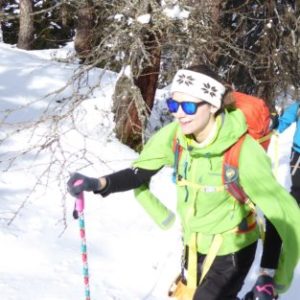
Airborne Instrumentation or Atmospheric Scientist
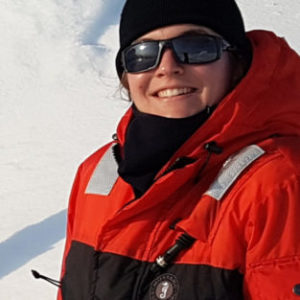
Sea Ice Physicist
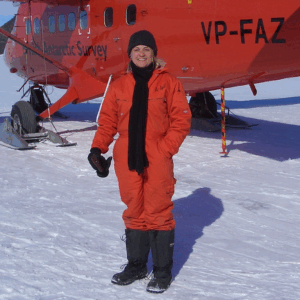
Atmospheric Scientist
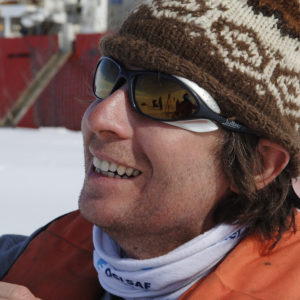
Sea Ice Physicist

Polar Atmospheric Scientist
Scientist - Other
ANGWIN brings together different nations to observe gravity waves over Antarctica and understand how these atmospheric waves affect global weather patterns and polar climate processes.
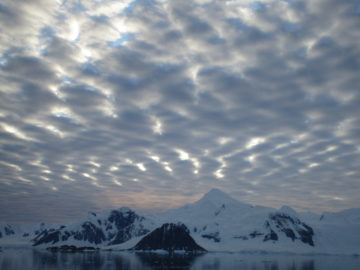
This project aimed to improve observational knowledge of winds along the Antarctic coast and use this to both evaluate the current state-of-the art climate models and help make improvements for the next model generation.
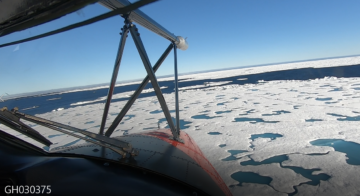
The overarching goal of the project is to determine the role of sea-ice surface properties in Arctic cyclone dynamics and to characterise the interaction of Arctic cyclones with the summer-time Arctic environment.
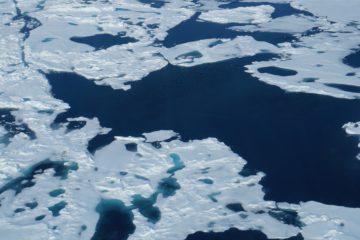
CRiceS investigates the rapid decline of sea ice and its links to physical and chemical changes in polar oceans and the atmosphere.
The recent extreme swings in Antarctic sea ice extent emphasise the need to increase our knowledge of the drivers and climate implications of Antarctic sea ice loss.
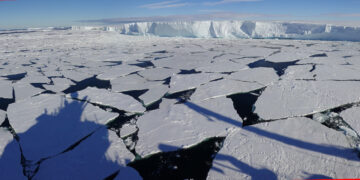
MesoS2D uses powerful radars and satellites to study a little-understood layer of the atmosphere, the mesosphere.
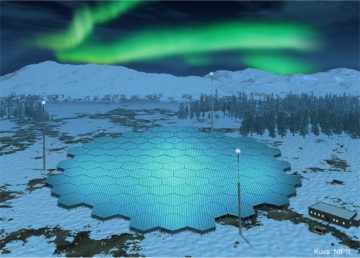
Long-term meteorological and ozone observations and data help determine the causes of climate change in the polar regions.
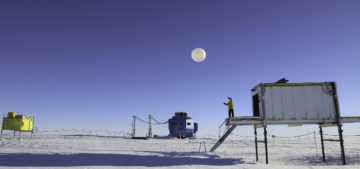
PolarRES investigates polar climate processes in the Arctic and Antarctic, improving global climate projections and reducing uncertainties to better assess environmental and social impacts.
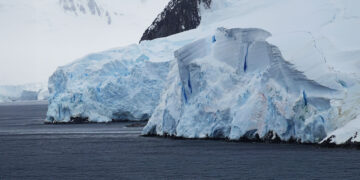
Real Projections focused on understanding the processes driving sea ice variability and change, combining observational data with climate model outputs to produce more robust projections of future Antarctic sea ice area under different greenhouse gas emission scenarios.
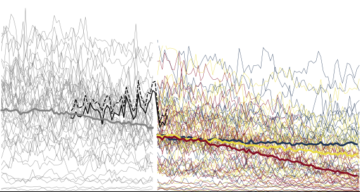
SEANA is a NERC-funded project, led by Dr Zongbo Shi (U. Birmingham) that aims to define the baseline atmosphere and model potential future changes.
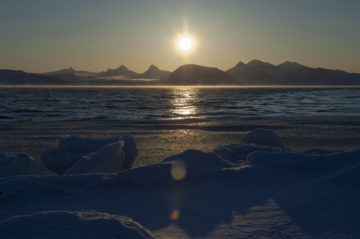
SONATA will design and implement an optimal approach to assess the state, variability and climatic drivers of the contemporary Southern Ocean carbon sink. This overriding objective will be achieved through a combination of atmospheric and marine field measurements as well as numerical modelling.
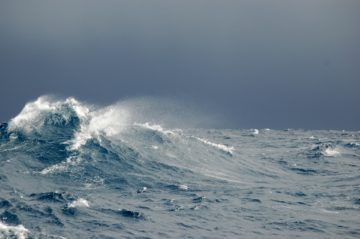
Southern Ocean Clouds improves climate models by studying cloud processes over the Southern Ocean to reduce global prediction errors.
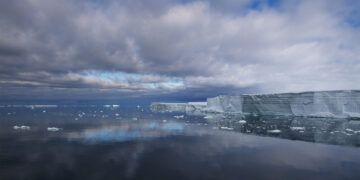
SURFEIT unites UK and international scientists to study Antarctic ice and atmosphere interactions, improve sea-level projections, and support climate action.
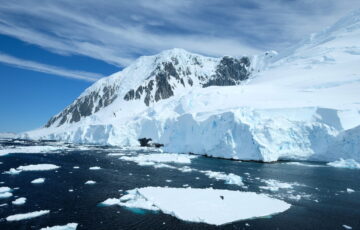
SSAASI-CLIM attempts to determine the salt sea aerosol source, fate and potential impact on Arctic climate associated with blowing snow above sea ice and other sea ice sources.
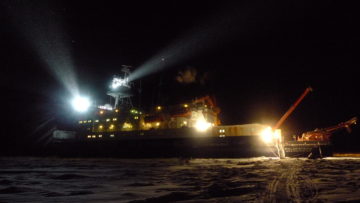
ACSIS focussed on understanding changes occurring across the North Atlantic climate system in the ocean, the atmosphere, the cryosphere and the interactions between these constituent components.
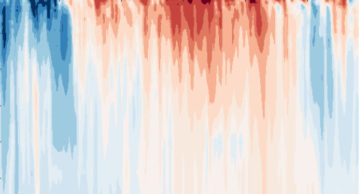
DRAGON-WEX used a novel 3D satellite analysis method combined with meteor radars at Rothera and King Edward Point to track how gravity waves influence atmospheric circulation.
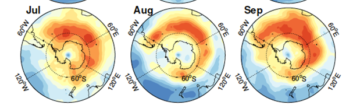
The Iceland Greenland Seas Project investigates how atmosphere-ocean processes in the Iceland Sea create the dense waters that flow through Denmark Strait and feed the Atlantic Meridional Overturning Circulation, which is crucial for global and European climate.

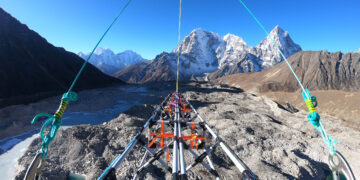
This project investigated how much water is stored in the glaciers and snow of the Upper Indus Basin, and how climate variability influences water availability.
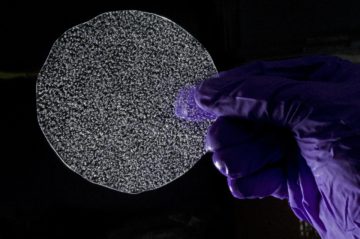
This project collected a shallow ice core from East Antarctic Plateau to reconstruct past ultraviolet radiation and therefore the ozone layer for the past 1,000 yr by measuring the isotopes of nitrogen and oxygen in the nitrate ion.
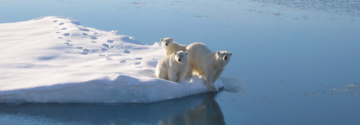
physicists, chemists, biologists, economists, and sociologists from 21 institutes in 11 countries across Europe assess the rapid retreat and collapse of Arctic sea-ice cover
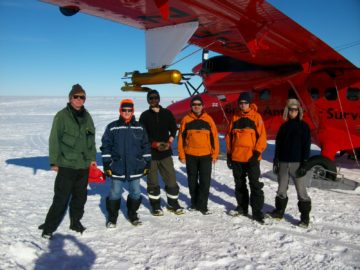
This project conducted flights within clouds taking detailed measurements of the physical properties of the cloud – size spectrums and phase (whether the particles are ice or liquid) – as well as taking ground based measurements of the aerosols which will act as nuclei for the cloud particles.
ABSCISSA investigated the sources of sea-salt aerosols in polar regions during Arctic and Antarctic winter.
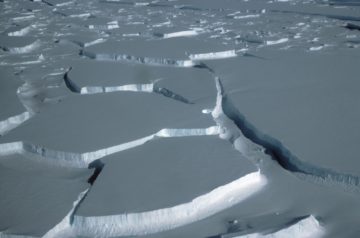
OFCAP was an integrated programme of field observations, analysis and modelling aimed at understanding how the westerly winds in the Antarctic Peninsula influence the climate.
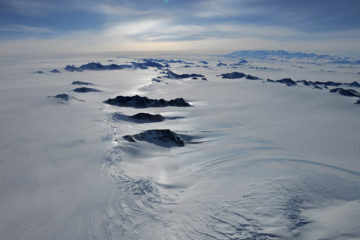
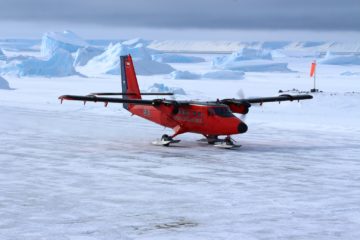
JASPER brings together two of the best equipped Polar meteorology instrumented aircraft and teams to study boundary layer meteorology in the Antarctic Peninsula and Weddell Sea.
The Beyond EPICA-Oldest Ice project has successfully drilled a 2800-metre-long ice core consisting of ice which is over 1.2 million years old.
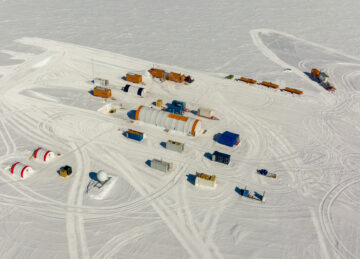
Over 30 researchers from international institutes are working on ice core drilling campaigns in Antarctica to probe the ice sheet’s behaviour, carbon cycling in the Southern Ocean, and the Earth’s climate history.
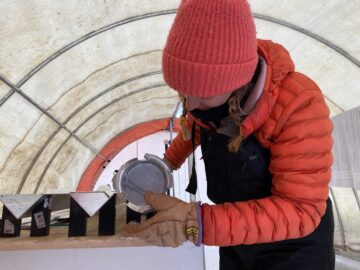
A project looking at how clouds affect climate change in Antarctica starts its second year of field research this month. The Southern Ocean Clouds (SOC) project, which is part of the CloudSense programme, will carry out research on the RRS Sir David Attenborough and at Rothera Research Station in Antarctica.
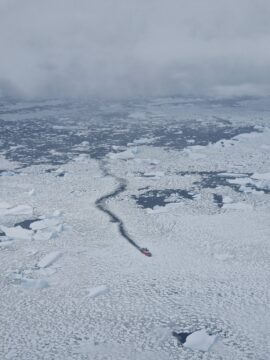
Scientists have identified the intricate meteorological drivers that led to an intense heatwave across East Antarctica in from 15-19 March 2022.
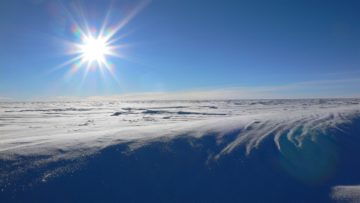
Scientists studying Arctic warming have shared new evidence that sea salt aerosols from “blowing snow” play a significant role in forming clouds that reflect solar radiation back to the Earth’s surface.
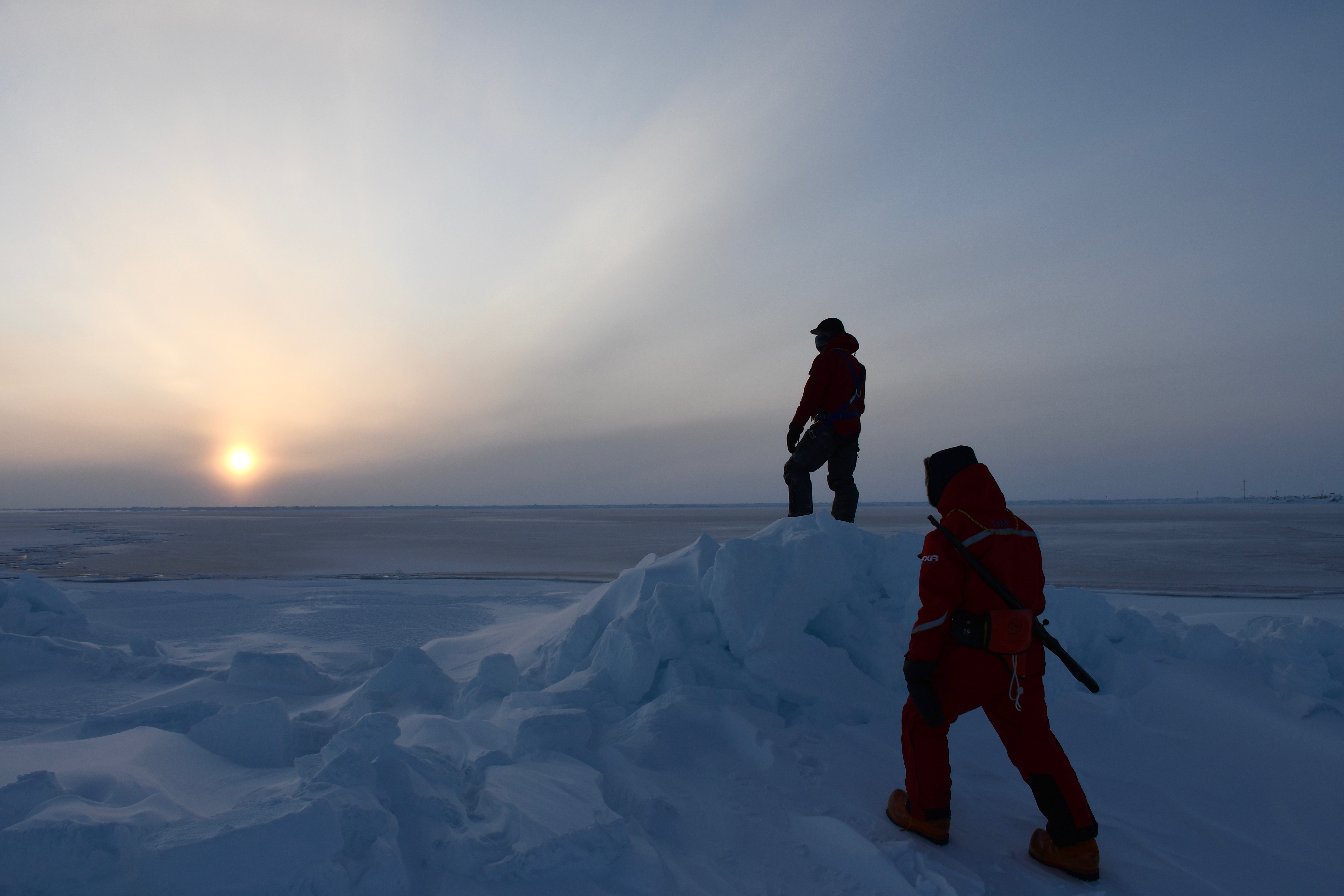
A team of scientists are currently conducting a major experiment over the Southern Ocean that will help to improve climate modelling. The Southern Ocean Clouds project team are performing several […]
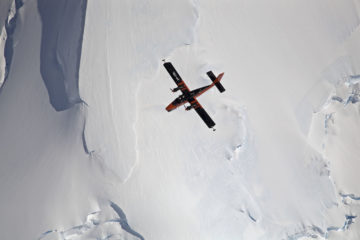
Researchers at British Antarctic Survey (BAS) will develop new and ambitious ideas to tackle critical global environmental challenges, such as global sea-level rise from Antarctica, thanks to new funding. The […]
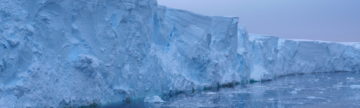
An ambitious flying campaign out of British Antarctic Survey’s Rothera Research Station over the Weddell Sea this month (December) aims to calibrate the data collected from two important satellites that […]
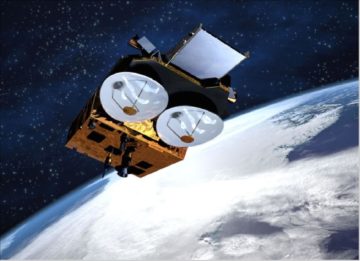
British Antarctic Survey (BAS) scientists will investigate critical challenges facing the UK, thanks to new funding from the Natural Environment Research Council (NERC). A £47m investment to several UK research […]
A new study featuring contributions from British Antarctic Survey (BAS) scientists has identified 100 pressing research questions on climate change and water resources in the Upper Indus Basin (UIB) that must be answered to protect the communities that live there.
A £5m project funded by the Natural Environment Research Council (NERC) to investigate the complex changes seen in sea ice around the Antarctic begins this month (March 2022) as the […]
New research papers from the one-year MOSAiC expedition to study the Arctic have yielded new understanding about the region. Hundreds of international researchers are currently analysing observations from the MOSAiC […]
Three British Antarctic Survey (BAS) staff have been awarded the Polar Medal. The announcement was published last week (Friday 28 January) in the London Gazette. Melody Clark is a molecular […]
A new project to improve scientists understanding of the impact of space weather and climate change on the atmosphere starts this month (January 2022). A team from British Antarctic Survey, […]
The Polar Regions play a crucial role in balancing global climate – with the poles heating up much faster than the rest of the world. Yet, climate projections for these […]
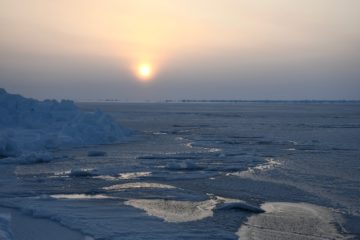
A network of international researchers launches a European collaboration this week ( 14 October 2021). This collaboration will train a new generation of scientists to understand how past climate changes […]

CAMBRIDGE: British Antarctic Survey welcomes the publication of the Intergovernmental Panel on Climate Change (IPCC) Working Group 1 component of its Sixth Assessment Report. This assessment brings together the latest advances in […]
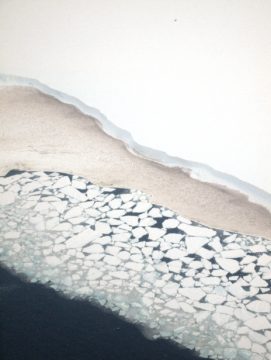
The World Meteorological Organization (WMO) has today (1 July 2021) recognised a new record high temperature for the Antarctic continent of 18.3° Celsius on 6 February 2020 at the Esperanza […]
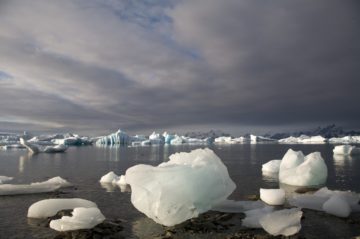
British Antarctic Survey researchers will work on a new Horizon 2020 project to advance their understanding of polar processes in the global climate system. The CRiceS project, or Climate relevant […]
Today is International Day of Women and Girls in Science (11 February), a celebration of women and girls in science led by UNESCO and UN-Women. “International Day of Women and […]
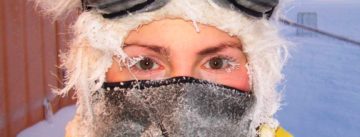
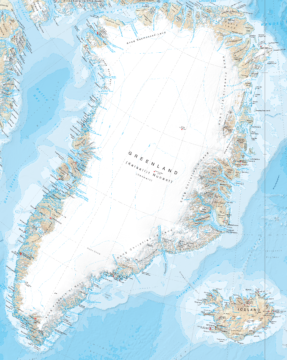
The World Meteorological Organization (WMO) has recognized a temperature of -69.6°C (-93.3°F) at an automatic weather station in Greenland on 22 December 1991 as the coldest ever recorded in the […]
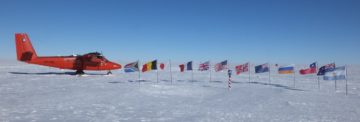
The South Pole has warmed at over three times the global rate since 1989, according to a paper published in Nature Climate Change today (29 June 2020). This warming period was […]
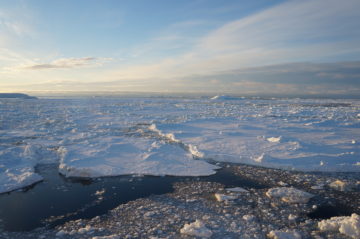
Scientists have discovered that summer sea ice in the Weddell Sea area of Antarctica has decreased by one million square kilometres – an area twice the size of Spain – […]
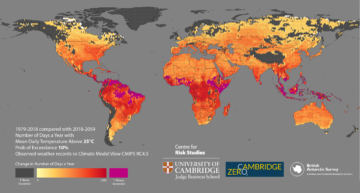
Climate change could add around 20% to the global cost of extreme weather events by 2040, according to early findings from Cambridge researchers. The findings come from the Cambridge Climate […]
A team of Arctic scientists – including British Antarctic Survey (BAS) climate scientist Dr Jeremy Wilkinson – are hosting their fourth Arctic Basecamp in Davos this week (20-24 January) at […]
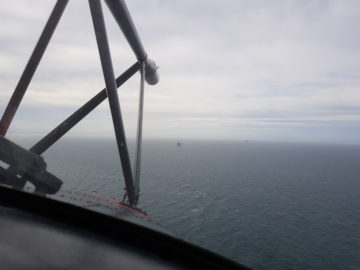
Scientists embark on a three-week flying campaign today (23 April) to study methane emissions from gas fields in the southern North Sea. Using specialised scientific equipment, on board one of […]
A new study reveals the importance of a small number of intense storms around Antarctica in controlling the amount of snow falling across the continent.
A team of Arctic scientists – including British Antarctic Survey (BAS) climate scientist Dr Jeremy Wilkinson – are hosting their Arctic Basecamp in Davos this week (23 January) at the […]
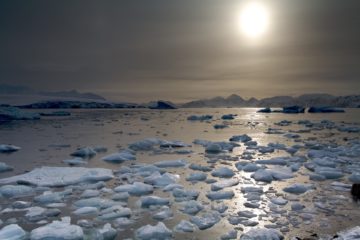
Around one billion people depend on water resources originating from the Hindu-Kush Karakoram Himalayan region, attributable to both rainfall and melting of snow and ice. The wind in the valleys […]
British Antarctic Survey (BAS) scientists have been awarded funding to enable them to assess the impact of emissions from shipping and to quantify and manage the risk of climate hazards. […]
Expert comment on IPCC Special Report
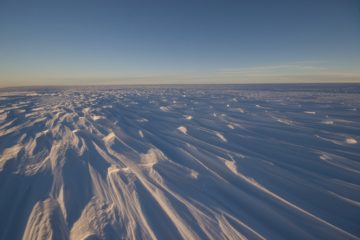
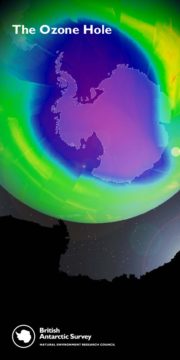
The 2018 ozone hole began forming in late August and won’t reach its largest for over a fortnight. Already it covers most of the Antarctic continent, an area of 14 […]
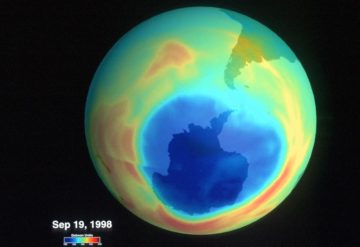
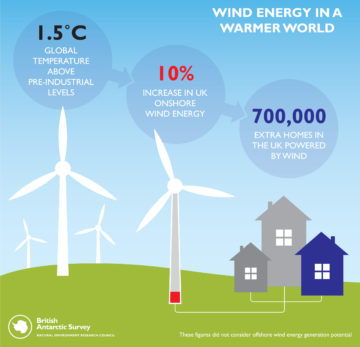
The UK and large parts of northern Europe could become windier if global temperatures reach 1.5˚C above pre-industrial levels, according to a new study. This has implications for wind energy […]
A new study involving scientists from British Antarctic Survey (BAS) suggests for the first time that warm winds are creating large surface melting of ice shelves in Antarctica during the […]
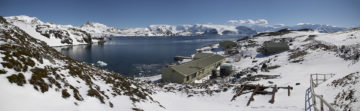
On 30th January 1982, a record high temperature of +19.8°C was measured at Signy Research Station – a record for any station south of 60°S. In this paper, we examined […]
A team of leading Arctic scientists – including British Antarctic Survey glaciologist Dr Jeremy Wilkinson – are gathering in Davos this week at the World Economic Forum (WEF) meeting (23-24 […]
A new multidisciplinary study led by scientists at British Antarctic Study (BAS) stresses the need for an integrated approach to understand the effects of climate change on Antarctic marine ecosystems. […]

This week (Saturday 16 September), marks the 30th anniversary of the signing of the Montreal Protocol on Substances that Deplete the Ozone Layer. It is one of the most successful […]
Reporting this week (Wednesday 5 July) in the journal Nature, an international team of researchers led by British Antarctic Survey (BAS) explains that wind-driven incursions of warm water forced the […]
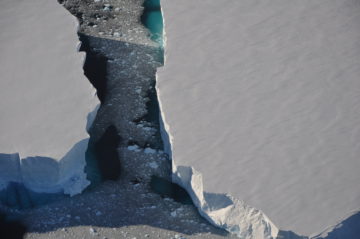
Ice-free areas in Antarctica could expand by close to 25 per cent by 2100 and drastically change the biodiversity of the continent, research published this week in Nature has shown. […]
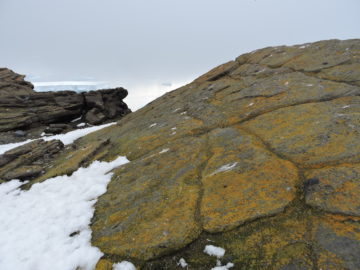
A series of unprecedented storms over the Southern Ocean likely caused the most dramatic decline in Antarctic sea ice seen to date, a new study finds. Antarctic sea ice – […]
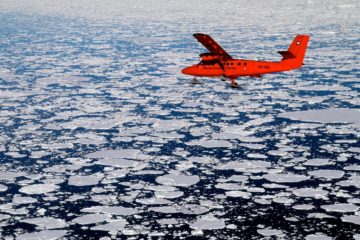
New research describes for the first time the role that warm, dry winds play in influencing the behaviour of Antarctic ice shelves. Presenting this week at a European conference scientists […]
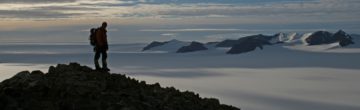
Observations were made of clouds over the Antarctic Peninsula during the summer of 2010 and 2011 using one the BAS Twin Otter aircraft fitted with a range of atmospheric instruments. […]
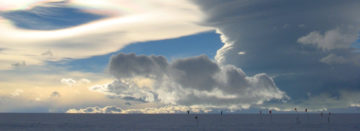
A World Meteorological Organization (WMO) committee of experts announces this week (Wed 1 March) new records for the highest temperatures recorded in the Antarctic Region. The results are part of […]
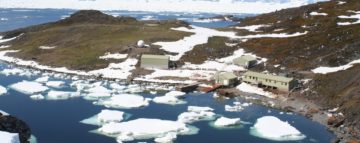
This year the extent of summer sea ice in the Antarctic is the lowest on record. The Antarctic sea ice minimum marks the day – typically towards end of February […]
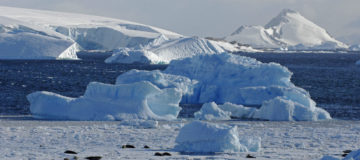
A new blog post from a team comprising polar atmosphere and ice chemist Holly Winton, analytical chemist Rebecca Tuckwell and atmospheric and glaciochemist Markus Frey who are working on the […]
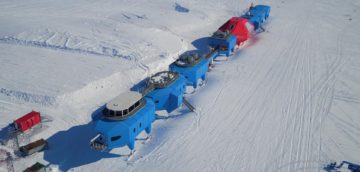
A new blog post from atmospheric and glaciochemist Markus Frey who’s just arrived on the Polar plateau as part of the ISOL-ice research project. Read the team’s earlier post here. […]
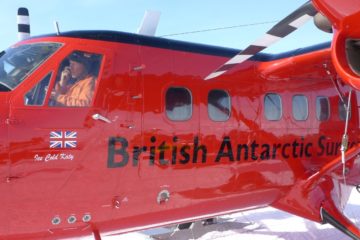
This paper investigates the impact that the four principal patterns of Southern Hemisphere (SH) atmospheric circulation variability have on Antarctic surface air temperature (SAT): 1) the southern baroclinic annular mode […]
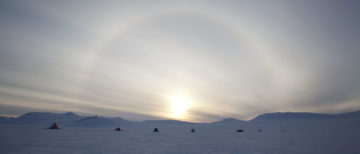
This year the extent of summer sea ice in the Arctic is heading towards being the second lowest on record. The Arctic sea ice minimum marks the day – typically […]
The rapid warming of the Antarctic Peninsula, which occurred from the early-1950s to the late 1990s, has paused. Stabilisation of the ozone hole along with natural climate variability were significant in bringing about the change. Together these influences have now caused the northern part of the peninsula to enter a temporary cooling phase. Temperatures remain higher than measured during the middle of the 20th Century and glacial retreat is still taking place. However, scientists predict that if greenhouse gas concentrations continue to rise at the current rate, temperatures will increase across the Antarctic Peninsula by several degrees Centigrade by the end of this century.
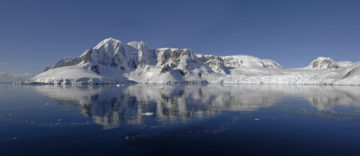
An international team of researchers has identified the “first fingerprints of healing” of the Antarctic ozone layer, published this week (30 June 2016) in the journal Science.
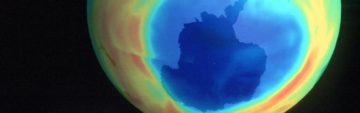
Levels of the greenhouse gas carbon dioxide (CO2) in the atmosphere – which is the leading driver of recent climate change – have reached a milestone at British Antarctic Survey’s […]
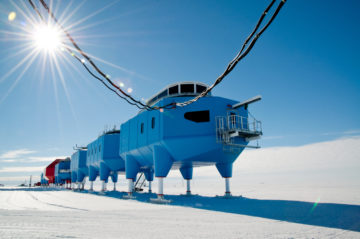
The Amundsen Sea Low (ASL) is a climatological low pressure system located over the southern Pacific Ocean, off the coast of West Antarctica. Atmospheric variability in this region is larger […]

This paper provides new evidence and proposes a new dynamical mechanism for the teleconnection between the two largest jet streams in the northern winter stratosphere – the tropical wind system […]
BAS Organises Side Event for 2015 Paris Climate Conference (COP21) Journalists wishing to arrange interviews with keynote speakers from this session should contact Heather Martin. As world attention focuses on […]
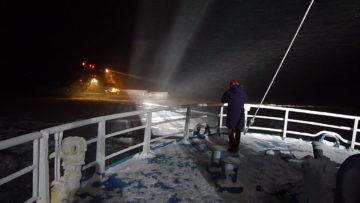
Arctic sea ice 2015 On September 11, the National Snow and Ice Data Centre (NSIDC) reported that Arctic sea ice reached its likely minimum extent for 2015. The minimum ice […]
World Ozone Day 2015

Researchers from the Arctic Research Programme, managed at British Antarctic Survey (BAS), have shown for the first time that phytoplankton (plant life) in remote ocean regions can contribute to rare […]
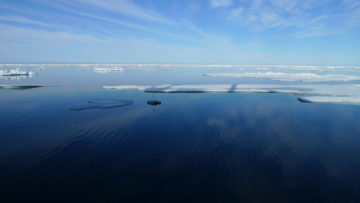
Polar ice cores reveal volcanic eruptions that changed human history Researchers find new evidence that large eruptions were responsible for cold temperature extremes recorded since early Roman times A freshly […]
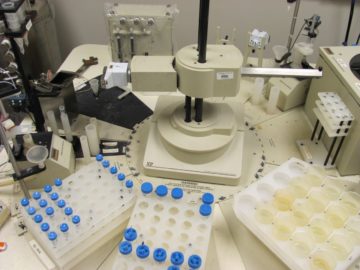
30th Anniversary of the Discovery of Ozone Hole This week British Antarctic Survey (BAS) commemorates the 30th anniversary of one of its most important scientific discoveries that affected the world […]
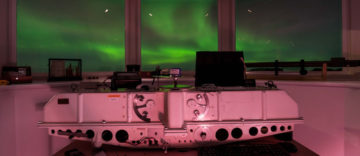
Digital Explorer launches virtual adventure on the ice at the UK Arctic Research Station The British Antarctic Survey is proud to support Digital Explorer’s second visit to the UK Arctic […]
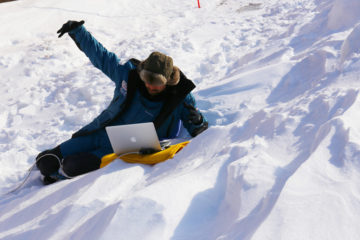
Underwater robot sheds new light on Antarctic sea ice The first detailed, high-resolution 3-D maps of Antarctic sea ice have been developed using an underwater robot. Scientists from the UK, […]
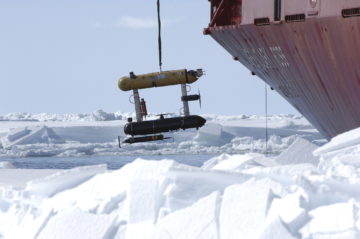
British Antarctic Survey hosts Chemical Air-Snow-Sea Ice Interaction workshop in Cambridge More than 60 scientists from over 15 countries are attending a workshop in Cambridge this week (13-15 October) to […]

Arctic sea ice summer minimum 2014: A scientific perspective The Arctic sea ice minimum marks the day – typically in September – when sea ice reaches its smallest extent at […]
Today, 16 September, is the International Day for the Preservation of the Ozone Layer. The date commemorates the signing of the Montreal Protocol, which sought to reduce atmospheric levels of […]
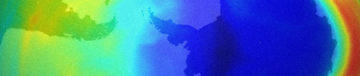
Climate related iceberg activity has massively altered life on the seabed Researchers from the British Antarctic Survey have found evidence that climate change has fundamentally altered the way that life […]
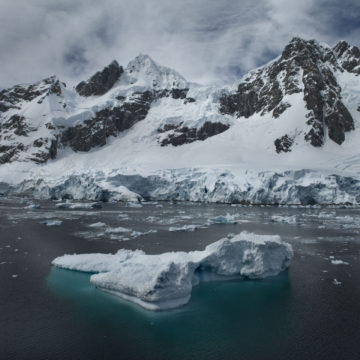
British Antarctic Survey coordinates Arctic sea-ice investigation Arctic sea-ice cover is retreating at an unprecedented rate. Scientists fear we may see the complete loss of sea ice during the summer […]
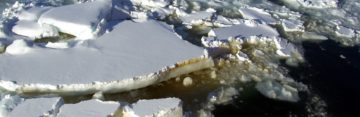
Scientists working at the United States National Snow and Ice Data Center (NSIDC) said this week they have identified the coldest place on Earth using satellite observations of surface temperature. […]
Voices of Science: a new British Library oral history archive A major oral history project to gather the life stories of British scientists has culminated in the launch of a […]
It is with great sadness the British Antarctic Survey reports that Joe Farman died on Saturday 11 May 2013. He was 82. Joseph Charles Farman CBE, together with colleagues Brian […]
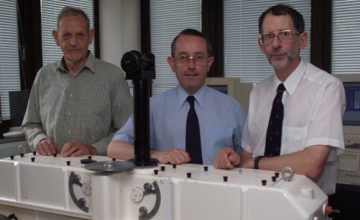
Halley VI receives environmental science status upgrade The World Meteorological Organization (WMO) has announced British Antarctic Survey’s Halley VI research station has attained Global Atmosphere Watch (GAW) Global station status. […]
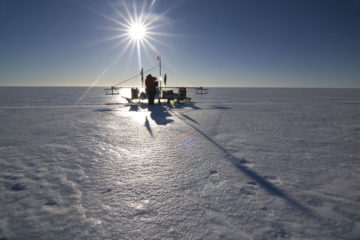
Jet stream influences extreme storms A new study of Europe’s extreme storm events reveals that they often occur near the jet stream – the fast flowing air currents that flow […]
Summer melt season is getting longer on the Antarctic Peninsula, new data show New research from the Antarctic Peninsula shows that the summer melt season has been getting longer over […]
New research sheds light on Earth”s coldest temperatures Results from the first detailed analysis of the lowest ever temperature recorded on the Earth’s surface can explain why it got so […]
Mysteriously warm times in Antarctica A new study of Antarctica’s past climate reveals that temperatures during the warm periods between ice ages (interglacials) may have been higher than previously thought. […]

Fossil fuel CO2 emissions up by 29 per cent since 2000 The strongest evidence yet that the rise in atmospheric CO2 emissions continues to outstrip the ability of the world’s […]

Increasing Antarctic sea ice extent linked to the ozone hole Increased growth in Antarctic sea ice during the past 30 years is a result of changing weather patterns caused by […]
CO2 emissions are booming Scientists will this week (Friday 26 Sept) announce the annual update on the global carbon figures. They report that CO2 emissions from burning fossil fuels and […]
Science flights over the changing Amazon Rainforest

Water is one of the pillars of humanity’s survival – and yet there’s still much to explain about the processes that bring water to some of the world’s largest populations.

Today, 11 February, is International Day of Women and Girls in Science, a global initiative led by UNESCO and UN-Women. To celebrate, we have asked some of our female staff […]
British Antarctic Survey scientist Dr Amelié Kirchgaessner shares her journey in polar science for International Day of Women and Girls in Science 2021 (11 Feb). My name is Amelié Kirchgaessner, […]
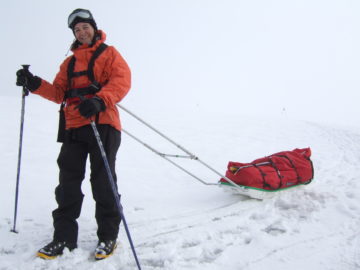
Dr Markus Frey is on board Russian icebreaker Kapitan Dranitsyn, making the final approach through the Arctic sea ice to join the MOSAiC expedition on board RV Polarstern. German research icebreaker RV Polarstern is staying […]
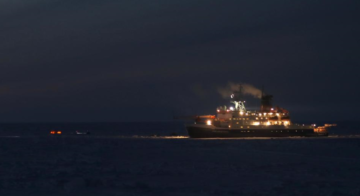
Dr Markus Frey is on board Russian icebreaker Kapitan Dranitsyn, waiting for a weather window to make the journey north to join the MOSAiC expedition on board RV Polarstern. German […]
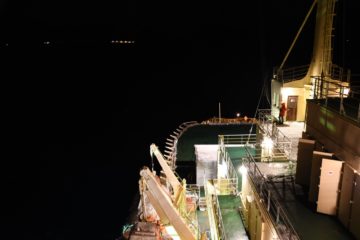
Atmosphere and ice climate scientist Dr Markus Frey is on his way to join the MOSAiC (Multidisciplinary drifting Observatory for the Study of Arctic Climate) expedition. Markus will be using […]
November, 2019 In his second Antarctic podcast field guide Rob Taylor talks to Catherine Maguire and John Law from the Rothera Research Station meteorology team. Listen Now Episode 2 Rob […]
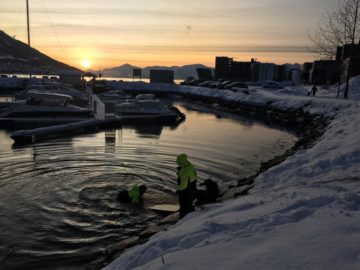
The BAS SSAASI-CLIM team arrived in Tromsø a few days ago to set up equipment onboard of RV Polarstern. On Friday 20 Sep 2019 the German ice breaker will embark […]
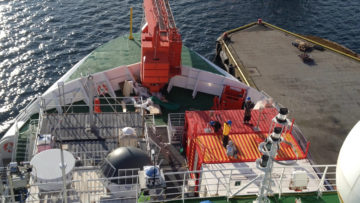
A new blog from ISOL-ICE project team member Lisa Hauge, who describes recent progress in the lab. Read the team’s earlier blog here. During the last 3 months the ISOL-ICE project has made […]
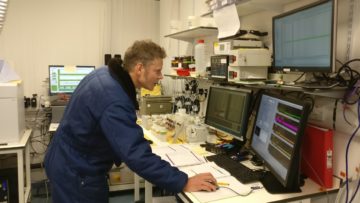
A new blog from Polar Atmospheric Ice Chemist Dr Holly Winton, who is part of the ISOL-ice research project, explaining the process from fieldwork on the Polar Plateau to laboratory work […]
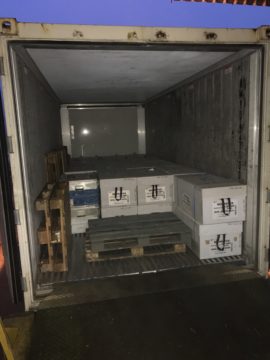
Ice core drilling is a large complex operation to firstly get the equipment out into the field, assemble it, drill intact columns of ice and then process the collected ice for analysis. Markus Frey explains.
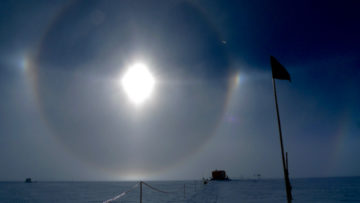
Our journey to the Antarctic Polar Plateau, where we will be spending the next few weeks as part of the ISOL-ICE research project, began on 7 December. We boarded a […]
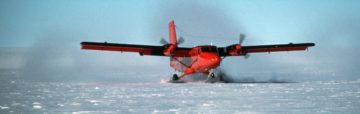
Thomas Barningham from University of East Anglia shares his voyage and time at Halley Since my last post, a lot has happened – we have arrived and begun work at […]

Welcome to my blog. My name is Thomas Barningham and I’m currently in the third year of my PhD at the University of East Anglia. My work aims to understand […]
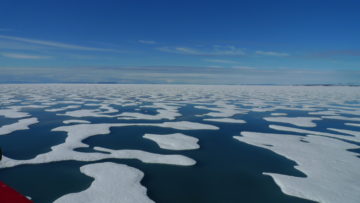
Diary entry: Friday 27 March 2015 Time: 2200 hrs UTC Position: 78° 13′ N / 15° 33′ E Air Temperature: +1.5 °C Wind Speed: 8 knots We made it! After 38 days onboard the […]
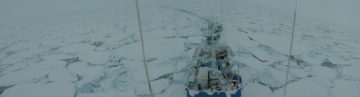
Diary entry: Friday 20 March 2015 Time: 1200 hrs UTC Position: 81° 44.23′ N / 19° 36.9′ E Air Temperature: −27.4 °C Wind Speed: 14 knots Nature is displaying a magnificent and […]
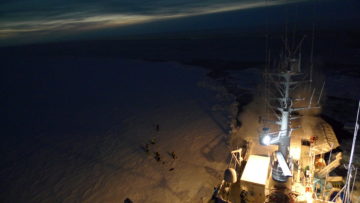
Diary entry: Wednesday 18 March 2015 Time: 2237 hrs UTC Position: 82° 34.7′ N / 22° 43.6′ E Air Temperature: −32.6 °C Wind Speed: 12 knots The storm lasted not even 48 hours, […]
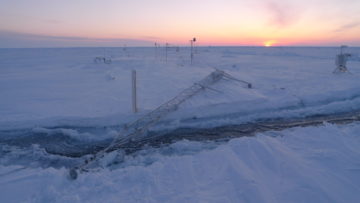
Diary entry: Friday 13 March 2015 Time: 1400 hrs UTC Position: 82° 52.1′ N / 21° 15.1′ E Air Temperature: −25.6 °C Wind Speed: 4.9 knots Since more than two and a half […]
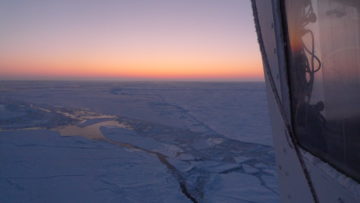
Diary entry: Sunday 22 February 2015 Time: 2220 hrs UTC Position: 82° 35′ N / 29° 24′ E Air Temperature: −26.1 °C Wind Speed: 19.3 knots The Norwegian research vessel, […]