
Head of Airworthiness and Aircraft Engineering

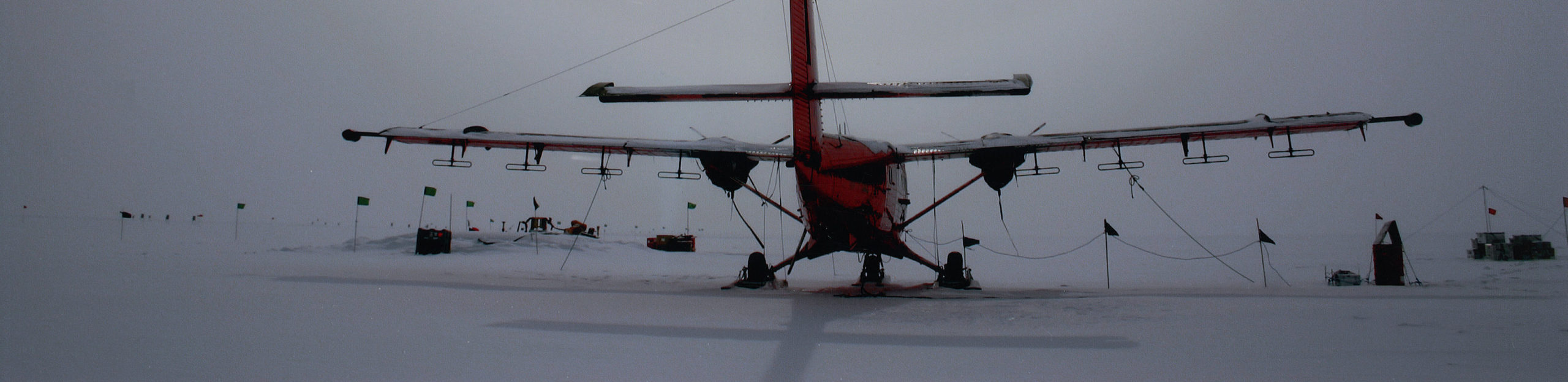
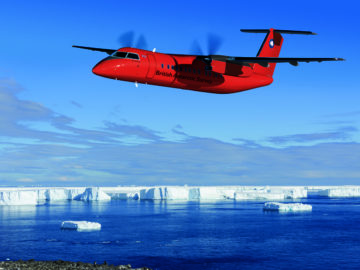
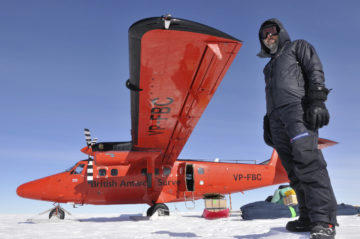
The Twin Otter is a high-wing, twin-engine, turbo-prop aircraft. They are used all over the world and are known for their rugged construction, reliability and short take-off and landing performance. In other parts of the world, Twin Otters are often termed a ‘bush’ aircraft as they are designed for remote environments.
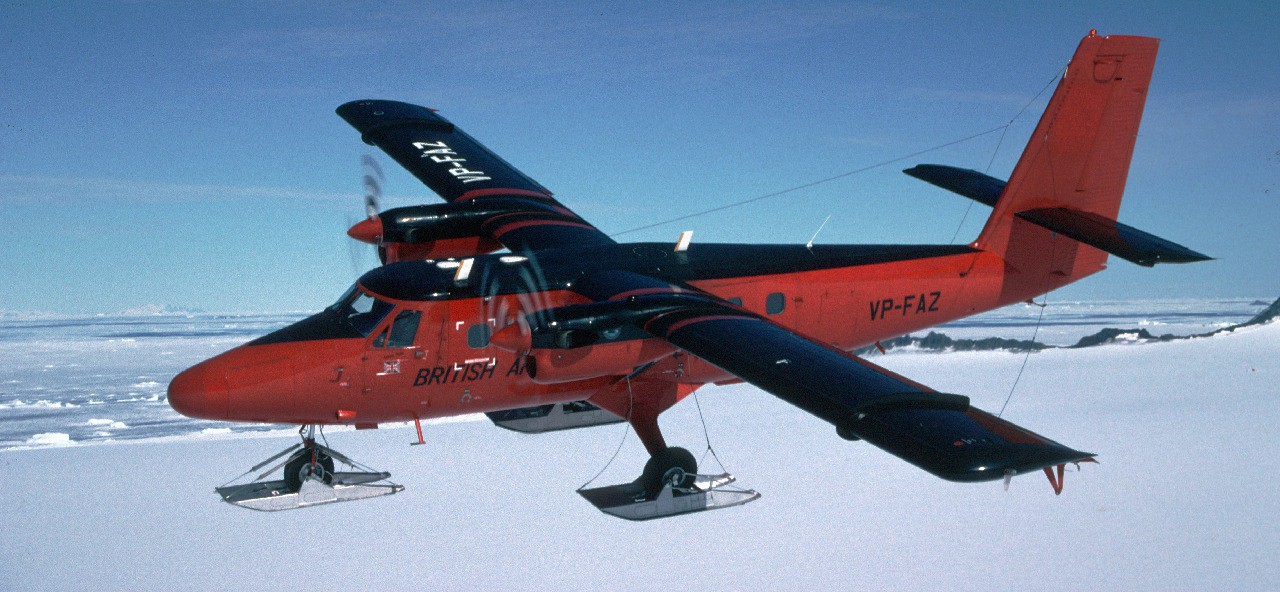
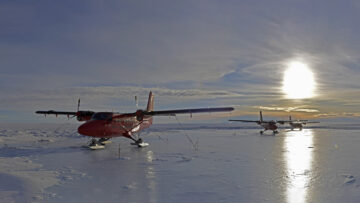
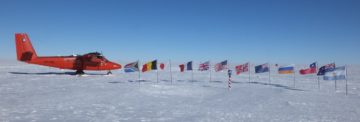
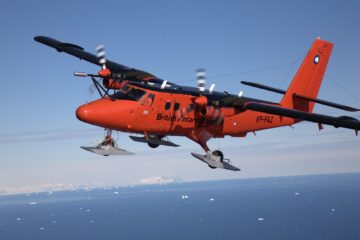
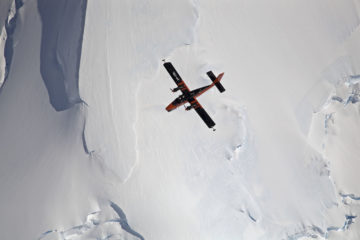
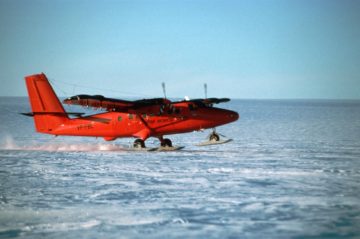
BAS Twin Otter VP-FAZ seen close to Rothera Research Station, clearly showing the ski configuration
The Twin Otters are extremely versatile and can be modified to allow airborne surveying and other scientific equipment to be fitted.
The aircraft can be operated single pilot and with a long-range fuel tank. Double cargo doors provide good access for installing instrument racks.
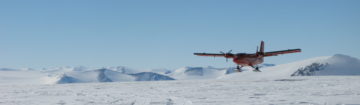
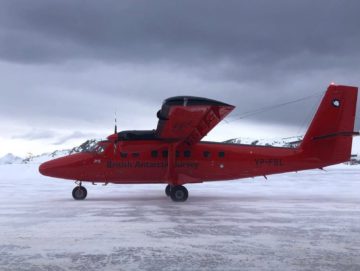
The version operated by BAS is the wheel/ski-equipped aircraft which lands on snow, ice or any other type of hard runways in remote areas.
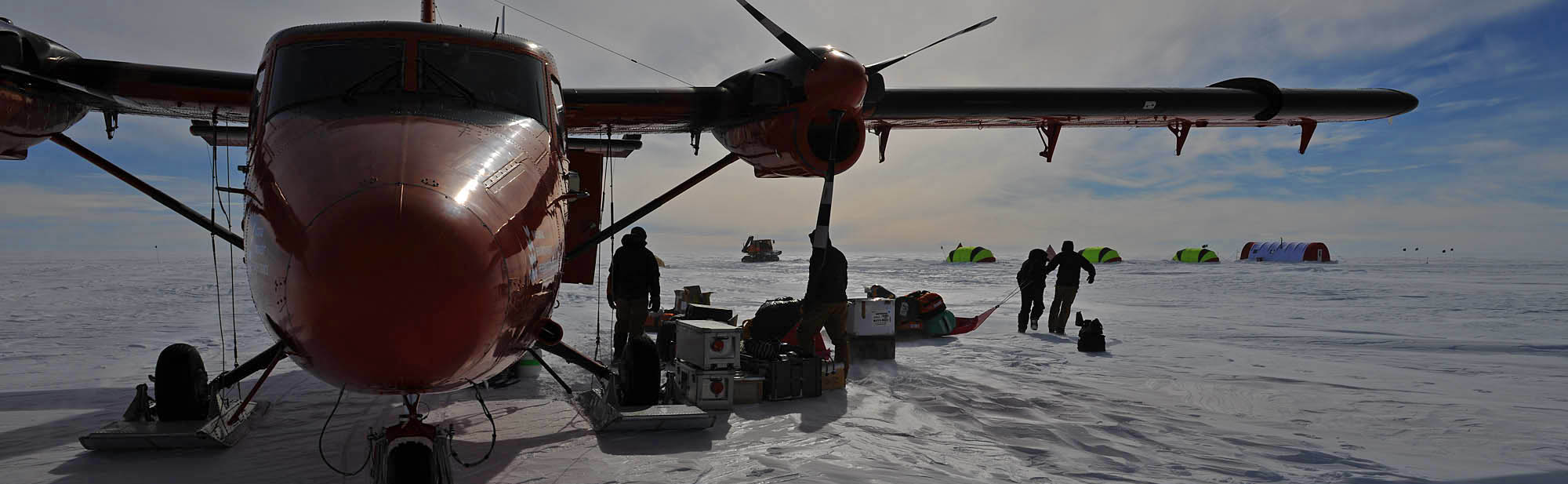
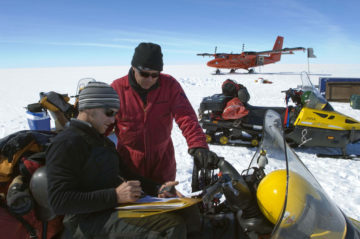
Unloading science kit from a BAS Twin-Otter aircraft at the SLE field site
The De Havilland Canada Twin Otters (DHC-6) are a vital part of BAS Antarctic operations. In general they work in the Antarctic from October through to March each year depending on projects.
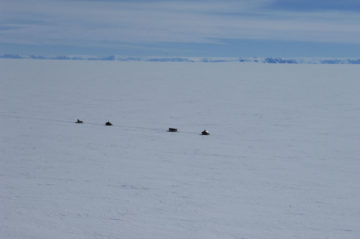
During a typical season they will transport people, fuel, skidoos, sledges, food and scientific equipment to remote camps, landing on skis on unprepared snow. The planes will also lay depots and stockpile fuel for field science parties.
In addition to its role ferrying people and supplies between Rothera and the Falkland Islands or Punta Arenas, the Dash-7 also lands on the blue-ice runway at Sky-Blu – a staging post for deeper forays into the continent.
During the Antarctic summer one of the Twin Otters is based at Halley Research Station to support projects in the eastern sector of BAS operations, covering an area up to 800km from the station.
These versatile aircraft support the following areas of science
Head of Airworthiness and Aircraft Engineering
Aerogroup Gravity
The International Thwaites Glacier Collaboration unites global scientists to study Antarctica’s most vulnerable glacier, predict sea-level rise, and inform climate action worldwide.
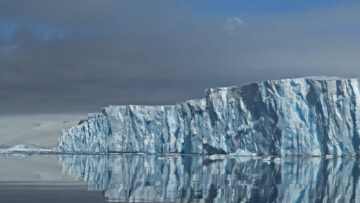
Southern Ocean Clouds improves climate models by studying cloud processes over the Southern Ocean to reduce global prediction errors.
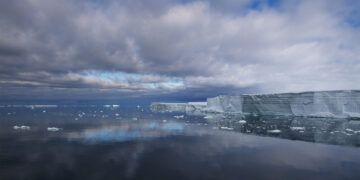
BBAS-AGASEA used airborne surveys to map the landscape beneath Pine Island Glacier and assess its potential instability due to climate change.
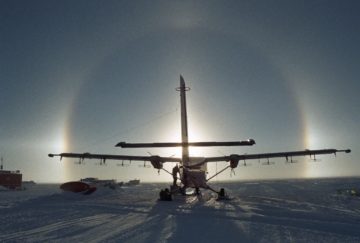
WISE-ISODYN was a joint UK-Italian project to provide new boundary conditions to input into ice-sheet and paleoclimate models predicting the past and future stability of the East Antarctic Ice Sheet.
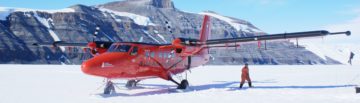
AGAP was an international effort to explore the Gamburtsev Subglacial Mountains in the center of East Antarctica.

GHC will gather information about past ice sheet behaviour and relative sea level change in the Thwaites Glacier system. Determining the timing and magniture of past episodes of thinning and retreat and subsequent re-advance is important to provide a context for the current and future behaviour of Thwaites Glacier.
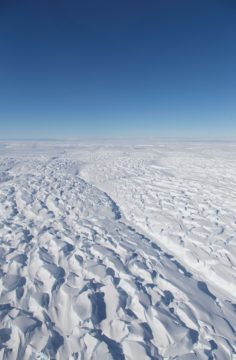
GHOST is an ice-based project which will examine the bed beneath the Thwaites Glacier, to assess whether conditions are likely to allow rapid retreat, or if the retreat may slow or stop due to a ridge 70 km inland.
The aim of this programme was to image englacial layering and bedrock topography over this sensitive catchment of the West Antarctic Ice Sheet and Antarctic Peninsula.
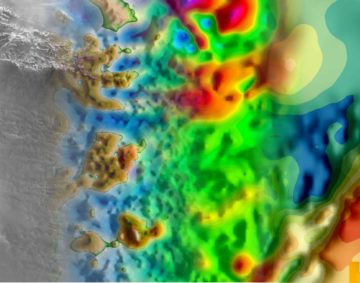
The primary aim of the project is to carry our airborne gravity observations across hitherto unexplored parts of Antarctica.
PolarGAP is an ambitious international mission to capture new and critical data about the Earth’s global gravity field.
This project investigated the ice streams of West Antarctica’s Weddell Sea sector through airborne surveys.
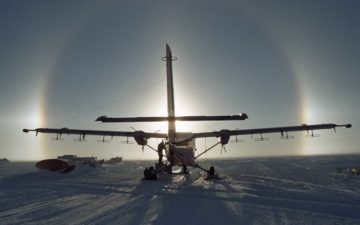
physicists, chemists, biologists, economists, and sociologists from 21 institutes in 11 countries across Europe assess the rapid retreat and collapse of Arctic sea-ice cover
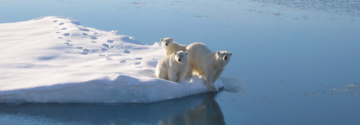
The Rothera Air Infrastructure project is part of the Antarctic Infrastructure Modernisation Programme (AIMP) future phases.
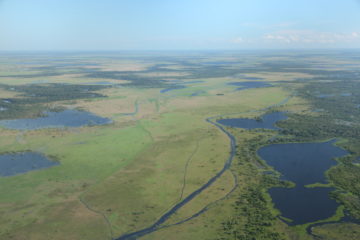
Science flights over the changing Amazon Rainforest
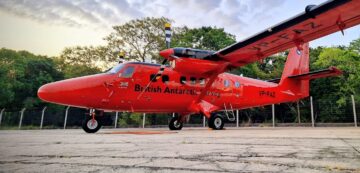
Dr James France has just completed a week-long flying campaign using one of the BAS Twin Otters fitted with scientific instrumentation. Find out more about his experience.
Our journey to the Antarctic Polar Plateau, where we will be spending the next few weeks as part of the ISOL-ICE research project, began on 7 December. We boarded a […]
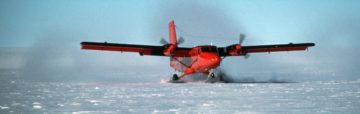
Wrapping up I have started several of my blog posts saying I am writing in various odd/unusual/uncomfortable locations…the back of a Twin Otter, or in a mountain tent high on […]
One week on from departing Rothera into the field and the first leg of the PolarGAP survey at FD83 is almost over, I get to sit back, relax a bit […]
The altimeter in the front of the Twin Otter aircraft is showing 8500 ft as we cruise due south from Rothera research station for the next leg in our PolarGAP […]

A week after iBeam departed, our aircraft arrived at Sky-Blu from Rothera to take us further into the field, to our winterised vehicles, to our start point. The call sign […]
It’s four AM and I’m wide awake, staring at the deep blue and black shadows on the ceiling of my bedroom. I allow myself just this once to indulge in […]
Science team goes deep field to Marie Byrd Land
Rod Arnold, Head of the Air Unit at the British Antarctic Survey (BAS), has been awarded an MBE in the New Year Honours list for services to Polar Science and Aviation in British Antarctic Territory.
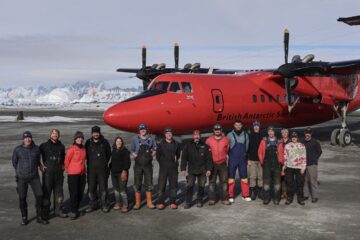
A project looking at how clouds affect climate change in Antarctica starts its second year of field research this month. The Southern Ocean Clouds (SOC) project, which is part of the CloudSense programme, will carry out research on the RRS Sir David Attenborough and at Rothera Research Station in Antarctica.
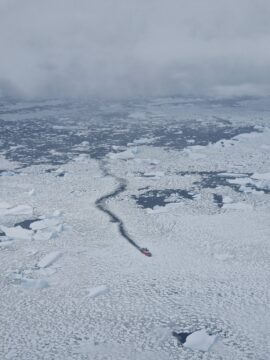
The 2022/23 Antarctic field season has ended, marking the conclusion of another successful year of scientific exploration in one of the world’s most remote and challenging environments. This field season, […]
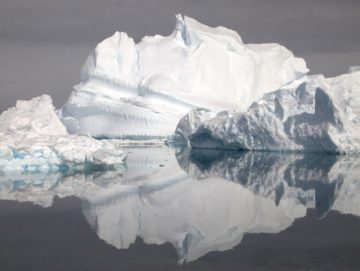
Scientists are flying research aircraft through the heart of Arctic storms this summer to better understand how weather systems are affecting polar sea ice. Arctic cyclones are the main type […]
On 17 March 2022, Professor Dame Jane Francis, Director of the British Antarctic Survey, Nigel Bird, Director of Major Programmes at UK Research and Innovation (UKRI) and Brian Love, Chief […]
A consignment of AstraZeneca vaccines has been received by the British Antarctic Survey (BAS) Rothera Research Station in Antarctica – the furthest south any British Covid-19 vaccine has yet travelled. […]
The BAS field season is underway. Since the RRS James Clark Ross departed the UK in November last year, it has safely delivered summer and wintering staff and essential cargo […]
British Antarctic Survey’s Twin Otter aircraft takes to the skies over Barbados as part of a major international research campaign to enhance understanding of the behaviour of clouds and their […]
The British Antarctic Survey Air Unit have been awarded the Johnston Memorial Trophy for 2017 by The Honourable Company of Air Pilots. This is a considerable acknowledgement of the regard held […]
The largest remaining ice shelf on the Antarctic Peninsula lost 10% of its area when an iceberg four times the size of London broke free earlier this month. Since […]
A huge iceberg, roughly the size of Norfolk, looks set to break away from the Larsen C ice shelf on the Antarctic Peninsula. Larsen C is more than twice the size […]
Researchers from the Arctic Research Programme, managed at British Antarctic Survey (BAS), have shown for the first time that phytoplankton (plant life) in remote ocean regions can contribute to rare […]
New study shows Antarctic ice shelf is thinning from above and below A decade-long scientific debate about what’s causing the thinning of one of Antarctica’s largest ice shelves is settled […]
BAS recovers American scientific data in Antarctica Staff from the British Antarctic Survey have recovered crucial scientific data from a giant helium balloon which came down in west Antarctica. The […]

‘Ice-Spy in the Antarctic’ Thursday 19 February 11.00 – 11:25 14:00 – 14:25 Cambridge Science Centre, Jesus Lane, Cambridge How do you track the ice that floats in the polar […]
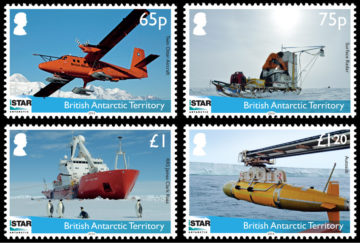
Stamp of approval for iSTAR The iSTAR programme, which is looking at the stability of Pine Island Glacier in Antarctica, is featured in a new set of British Antarctic Territory […]
Scientists head to Pine Island Glacier for new research season A team of twelve scientists and support staff has arrived on Pine Island Glacier in West Antarctica in the second […]
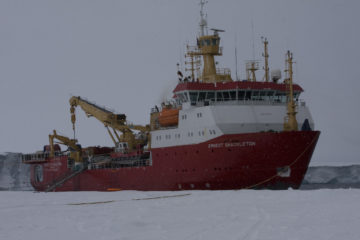
British Antarctic Survey field season is underway On the eve of the centenary year of Ernest Shackleton’s Endurance Expedition the ship which bears his name is playing a crucial role […]
Mapping of remote Antarctic frontier will help model its reaction to climate change and unlock secrets of Earth’s ancient supercontinents. For the first time scientists have begun mapping one of […]
New UK report shows that respect for Arctic states, local people and the environment is fundamental to Arctic engagement Today, for the first time, the UK Government has set out […]
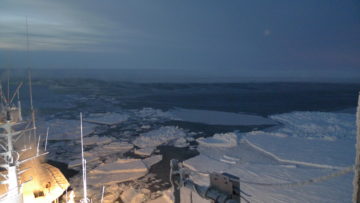
Antarctic research details ice melt below massive glacier An expedition of international scientists to the far reaches of Antarctica’s remote Pine Island Glacier has yielded exact measurements of an undersea […]
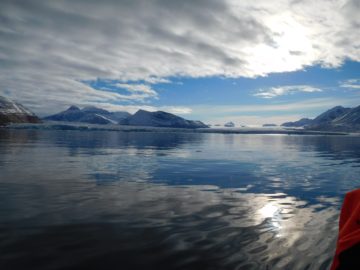
Antarctic Twin Otter features in Duxford Education Day Around 600 schoolchildren from across Bedfordshire and Cambridgeshire attended a special STEMNET (Science, Technology, Engineering and Mathematics Network) Education Day at the […]
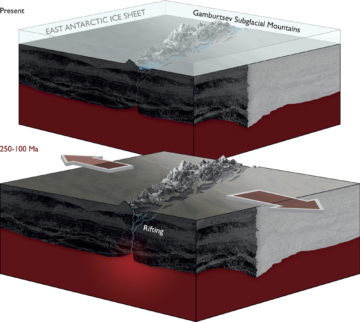
Gamburtsev Mountains enigma unraveled in interior East Antarctica The birth of the Gamburtsev Subglacial Mountains buried beneath the vast East Antarctic Ice Sheet — a puzzle mystifying scientists since their […]
Marking the end of the Rothera winter, Rothera had its first visitors since the departure of the Ernest Shackleton in March. On Tuesday a Kenn Borek Air (KBA) Twin Otter […]
Ice structures found among hidden Antarctic mountains The discovery of numerous large ice structures within Antarctica’s Dome A region, the site of the buried ‘ghost mountains’, reveals new understanding about […]
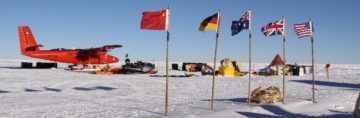
There is a distinctly cosmopolitan feel around British Antarctic Survey’s Rothera Research Station this month (February). Science teams from eight countries enjoyed Rothera’s hospitality as they passed through on their […]
British Antarctic Survey achieves registration for the International Standard for Business Aircraft Operations British Antarctic Survey (BAS) has achieved registration for the International Standard for Business Aircraft Operations (IS-BAO). Following […]
Since leaving home a few weeks ago the international science teams investigating Antarctica’s hidden world have been at the Australian Davis, US McMurdo and South Pole research stations preparing themselves […]
Challenge to discover Antarctica”s hidden world Later this month teams of scientists, engineers, pilots and support staff from British Antarctic Survey (BAS), USA, Germany, Australia, China and Japan will join […]