Scientists have discovered the best evidence yet to show that West Antarctica’s most vulnerable ice streams – including its giant Thwaites Glacier – repeatedly collapsed and retreated far inland during natural warm periods of the last 800,000 years.
The study, published in Nature Communications, suggests much of the region’s marine-based ice sheet has a historic “tipping point” triggered by global warming temperatures similar to those the Earth is experiencing today.
The question of how the West Antarctic Ice Sheet (WAIS) responded to previous warm periods – known as interglacials – has long divided researchers.
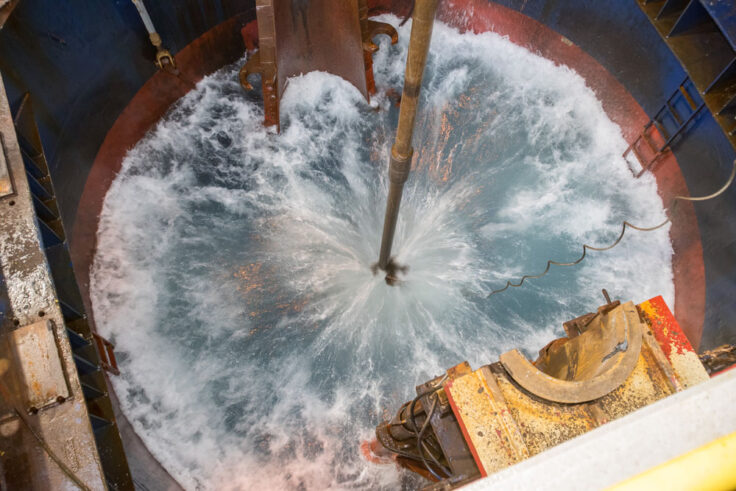
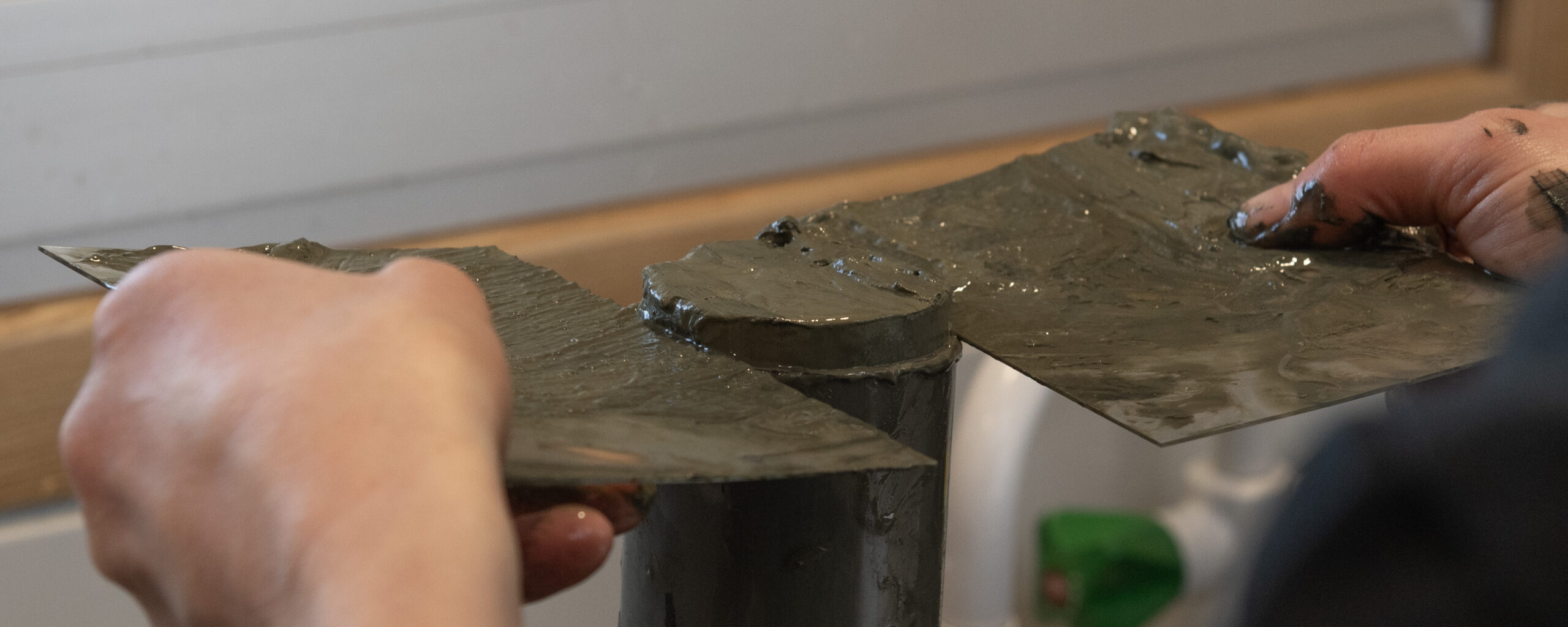
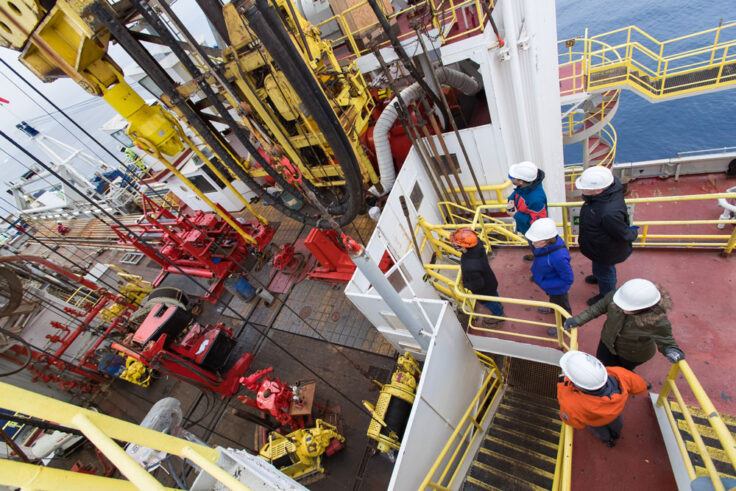
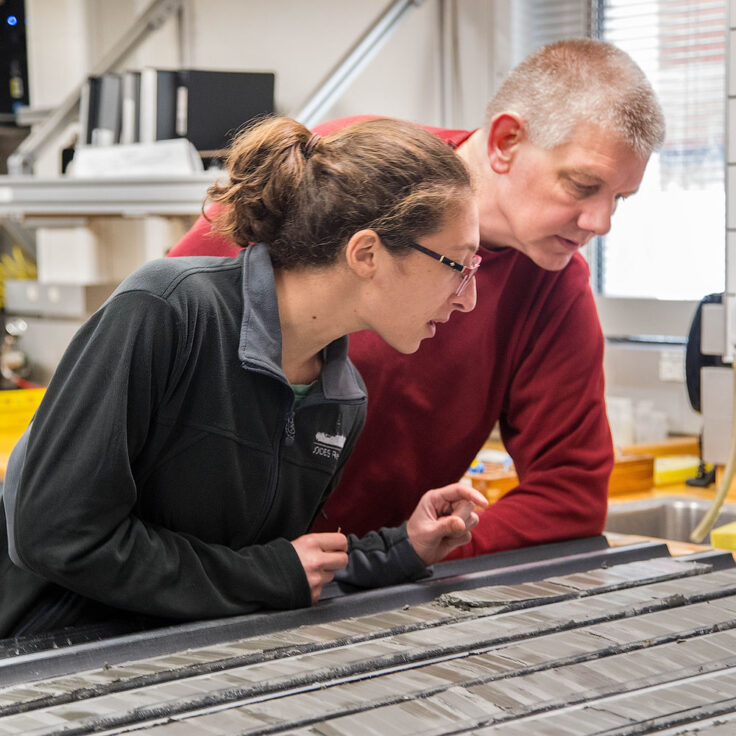
Now, an international team led by the British Antarctic Survey (BAS) has found the answer buried in mud cores drilled from the nearby ocean floor.
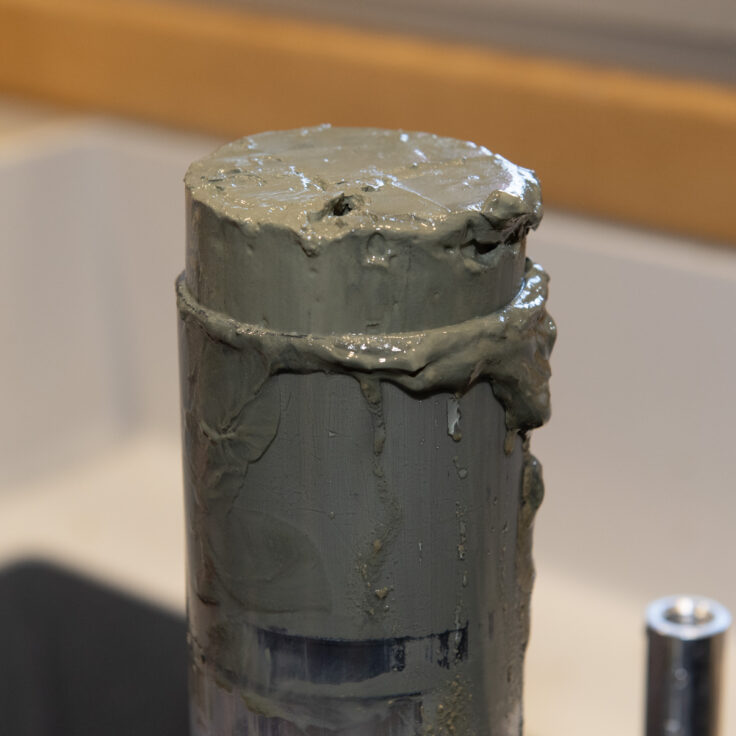
It’s a distinctive mineral called kaolinite – what most people know as china clay. It typically forms in warm, wet, tropical climates or swampy environments – like those that existed on the Antarctic continent more than 34 million years ago.
Today, this ancient kaolinite is locked away in the bedrock beneath the WAIS, and it takes the immense weight of glaciers such as Thwaites and neighbouring Pine Island to grind it out and carry it offshore in icebergs and water currents.
But sediment cores pulled from 4,000m below the sea surface on Antarctica’s continental margin tell a dramatic story: During every single interglacial over the past 800,000 years, that kaolinite signal plummeted to near-zero.
“When the kaolinite signal at our drill-core sites suddenly collapses, it tells us the marine-based ice in the Amundsen Sea sector of the West Antarctic – including Thwaites and Pine Island glaciers – must have melted and retreated far back into the continent’s interior,” says Dr Claus-Dieter Hillenbrand, the BAS marine geologist who led the study.
“It’s the only way to explain why the delivery of kaolinite-rich debris to the ocean floor stops.”
Identifying that the ice retreated is only half the story, however, so the team wanted to find the cause as well.
They discovered it in a second clay mineral: smectite. Unlike the local clays weathered from Antarctica’s own rocks and volcanoes, this specific, magnesium-rich variety carries a chemical signature unique to the deep Pacific Ocean floor far to the north.
Something had to carry the smectite south and deposit it in the near-shore muds — and, crucially, at the same time as the kaolinite disappears.
The obvious explanation is warm deep-water currents intruding on to the West Antarctic continental shelf. These would have transported the smectite south towards the continent, simultaneously melting the grounded ice whose erosion produces the kaolinite signal.
To cement this narrative, the team then turned to the fossilised remains of diatoms – microscopic marine algae – in the mud layers. The shell-like structures take different shapes depending on water temperature.
The results of this analysis revealed a powerful regional thermal amplification. While global average temperatures during past warm periods were only 1.0°C to 1.5°C warmer than pre-industrial levels (i.e., similar to today) or even colder, the local waters in front of the WAIS surged to between ca. 1°C and 3°C warmer than today’s near-freezing baseline.
The critical difference is timescale. Under past natural conditions, Dr Hillenbrand says, Thwaites Glacier might have taken several thousand years to disappear. In the modern world, human greenhouse gas emissions are warming the oceans at an unprecedented rate, threatening to compress that process into centuries.
“What we found, to my surprise, is that even under natural conditions we had at least a partial collapse of the West Antarctic Ice Sheet. What we are doing now is making it much worse,” the geologist says.
If Thwaites Glacier were to completely collapse and melt into the ocean, it would raise global sea levels by 65 centimetres, with Pine Island having the potential to add another 51 centimetres. But if wider areas of the WAIS go with it, levels could rise by as much as three to five metres.
“I’m personally convinced that future generations will see substantial sea-level rise,” says Dr Rob Larter, a BAS marine geophysicist and study co-author. “How fast we’ll see that rise is really difficult to say. This study shows that even in past natural warm periods we had a lot of ice loss, but what we’re living in now is an interglacial on steroids.”