
British Antarctic Survey brings polar science expertise to UN Climate Change Conference
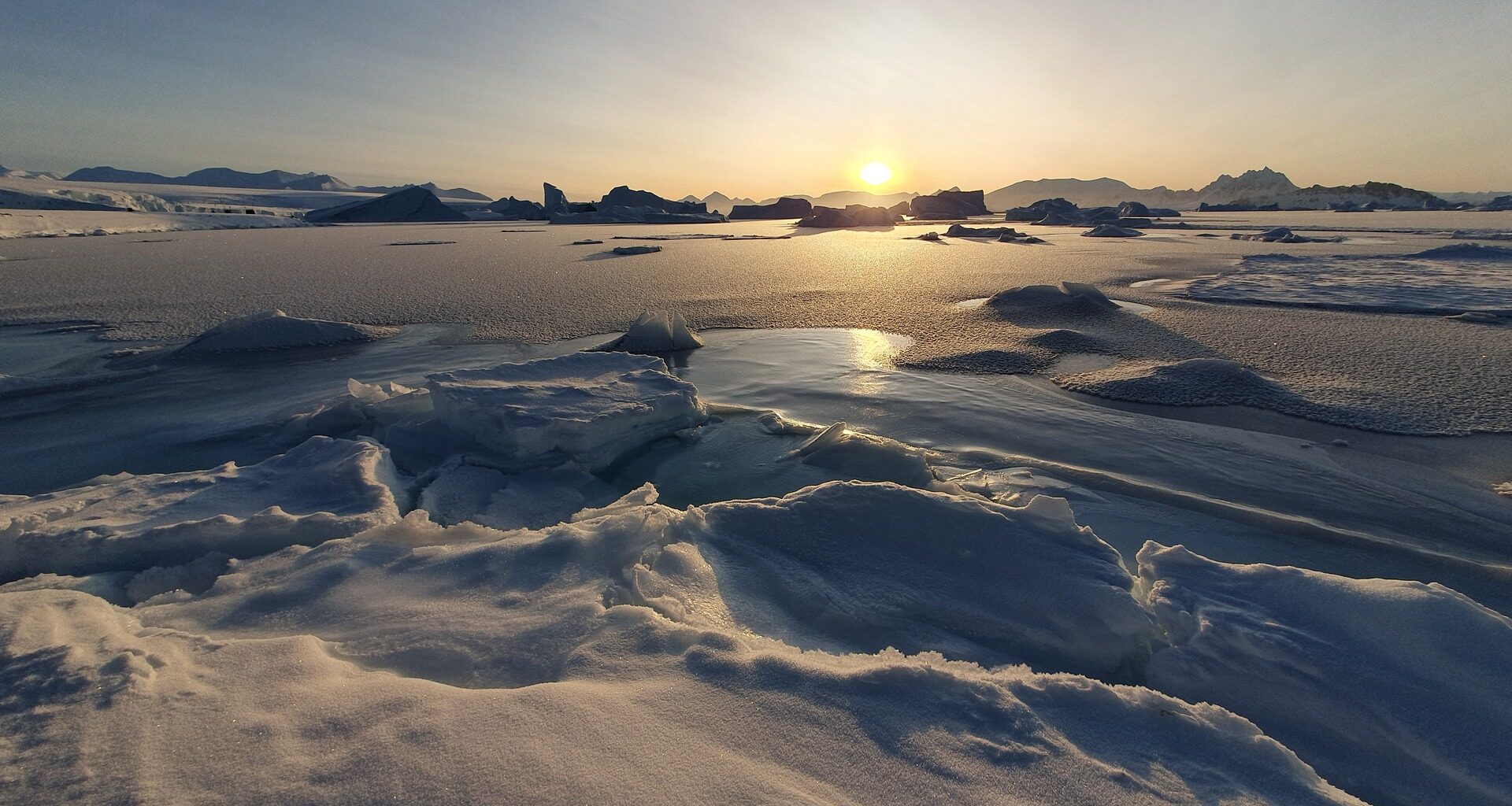
Leading scientists from British Antarctic Survey (BAS) are attending this year’s UN Climate Change Conference (COP31) to share the latest evidence on rapid changes in the polar regions, and to set out essential context for policymakers and decisionmakers.
Professor Petra Heil, BAS’s Director of Science, and Professor Mike Meredith, Head of Polar Oceans and Joint Director of the UK National Climate Science Partnership, are taking part in roundtable discussions, briefings and panel events, mainly in the Cryosphere and Ocean pavilions. They will highlight how the frozen parts of our planet are changing, and how this will impact people around the world.
This includes:
- The Wilkes Subglacial Basin: One of Antarctica’s least understood regions but a potential source of multi-metre sea-level rise (Saturday 14 November, 2-4pm)
- The Global Reach of Polar Ice Loss (Tuesday 17 November, 6.30-8pm)
- Sea-Ice Reality Check: True or False? Ask the Experts (Wednesday 18 November, 7pm)
- Five-Year Pledges, Thousand-Year Consequences: A COP31 Stress Test of Climate Governance (Thursday 19 November, 7pm)
BAS researchers have also contributed to reports launched at COP31. These include the International Cryosphere Climate Initiative and the UN Environment Programme’s Overshoot and the Cryosphere: Averting Global Meltdown report, which sets out the global impacts of ice loss in the now unavoidable scenario that warming overshoots 1.5ºC. The report explores what impacts are locked in, what can be prevented, and actionable solutions to bring down global temperatures from overshoot.
British Antarctic Survey’s Director of Science, Professor Petra Heil, co-authored the chapter: Interactions and feedback in a cryosphere under overshoot. She said:
“British Antarctic Survey has a long history of shaping action on environmental change, and we continue to play a pivotal role in shaping global decisions about our environment.
Our long-term data, collected over decades, provides irrefutable evidence of how Antarctica is changing. Today, we continue to push the limits of the science we do in Antarctica so we can help governments make good decisions about how we can adapt to the changes we are already seeing, and how we can prevent further, even more serious changes down the line.”
As part of BAS’s role in shaping global climate policy, we feed our data and research into assessments by the Intergovernmental Panel on Climate Change (IPCC) – the UN body that provides the world’s most authoritative climate reports. These assessments form the scientific foundation for international agreements and climate laws.
You can follow our activities at COP31 on Instagram and LinkedIn. If you would like to interview one of our experts, please contact press@bas.ac.uk.