
British Antarctic Survey (BAS) researchers have helped identify the most important areas to protect Antarctic vegetation in the future, revealing that nearly four-fifths of the continent’s plant life currently lies outside protected areas.
A new international study, published in Biological Conservation this week, found that only 21.4% of Antarctica’s plant life is currently included within protected areas. In response, researchers have identified 92 priority locations where conservation measures could be strengthened to better safeguard the continent’s unique and vulnerable terrestrial ecosystems. The findings could contribute to international efforts to protect at least 30% of the world’s land and sea by 2030.
Mapping Antarctica’s overlooked ecosystems
Antarctica is often viewed as a vast landscape of ice, snow, penguins and seals. Yet the continent also supports pockets of plants that play an important ecological role. Although vegetation covers only around 44 km² of the continent, representing just 0.00031% of Antarctica’s land surface, it helps support biodiversity, stores carbon, and influences local water cycles.
Using high-resolution satellite data, the research team assessed how much vegetation falls within existing protected areas and identified locations where additional protection would deliver the greatest conservation benefit.
Their analysis considered several factors, including:
- Areas containing unique or irreplaceable plant communities.
- Sites vulnerable to invasive non-native species.
- Locations close to research stations and other infrastructure where human activity may pose risks to fragile ecosystems.
- Areas important for meeting future conservation targets.
Many of the priority sites identified are located on Fildes Peninsula in the north-west Antarctic Peninsula, Taylor Valley in southern Victoria Land, and the Vestfold Hills in East Antarctica.
A roadmap for future protection
Lead author Charlotte Walshaw, a researcher at the University of Edinburgh and British Antarctic Survey said:
“Antarctica’s terrestrial vegetation may be sparse and scattered compared with vegetation in other parts of the world, but it plays a fundamental role in sustaining life on land. Our results show that large areas of this vegetation currently fall outside the existing network of protected areas.”
The study provides the first continent-wide assessment of how effectively Antarctic vegetation is protected and offers a practical framework to guide future conservation decisions.
Mariana García Criado, now at Trinity College Dublin and affiliated with CREAF, said:
“This study provides the most comprehensive assessment to date of the status of Antarctic vegetation and reveals significant gaps in protection across the continent.”
She added that the work is designed to support decision-makers within the Antarctic Treaty System by identifying where future protection measures could have the greatest impact.
Plants that help scientists understand climate change
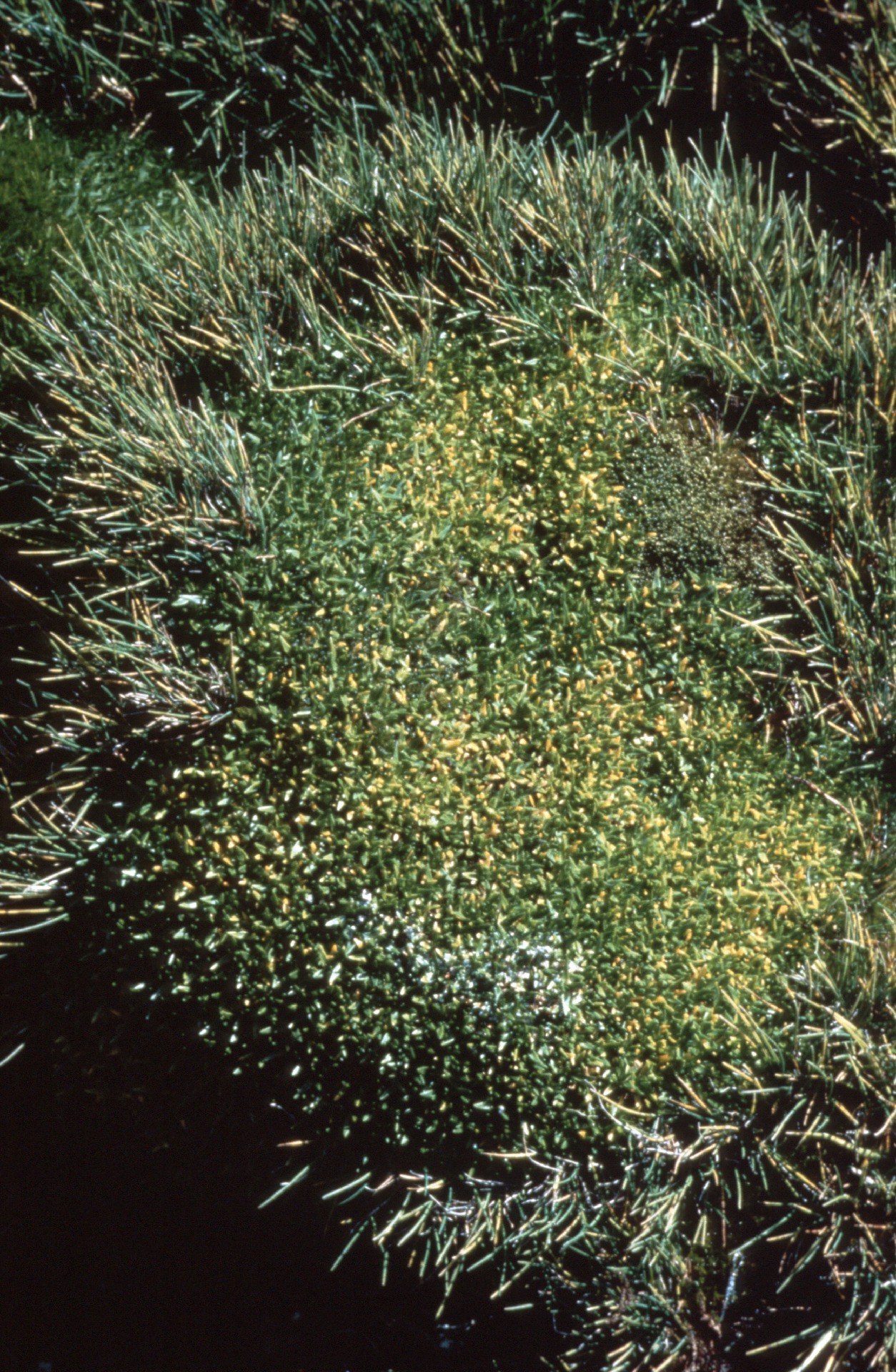
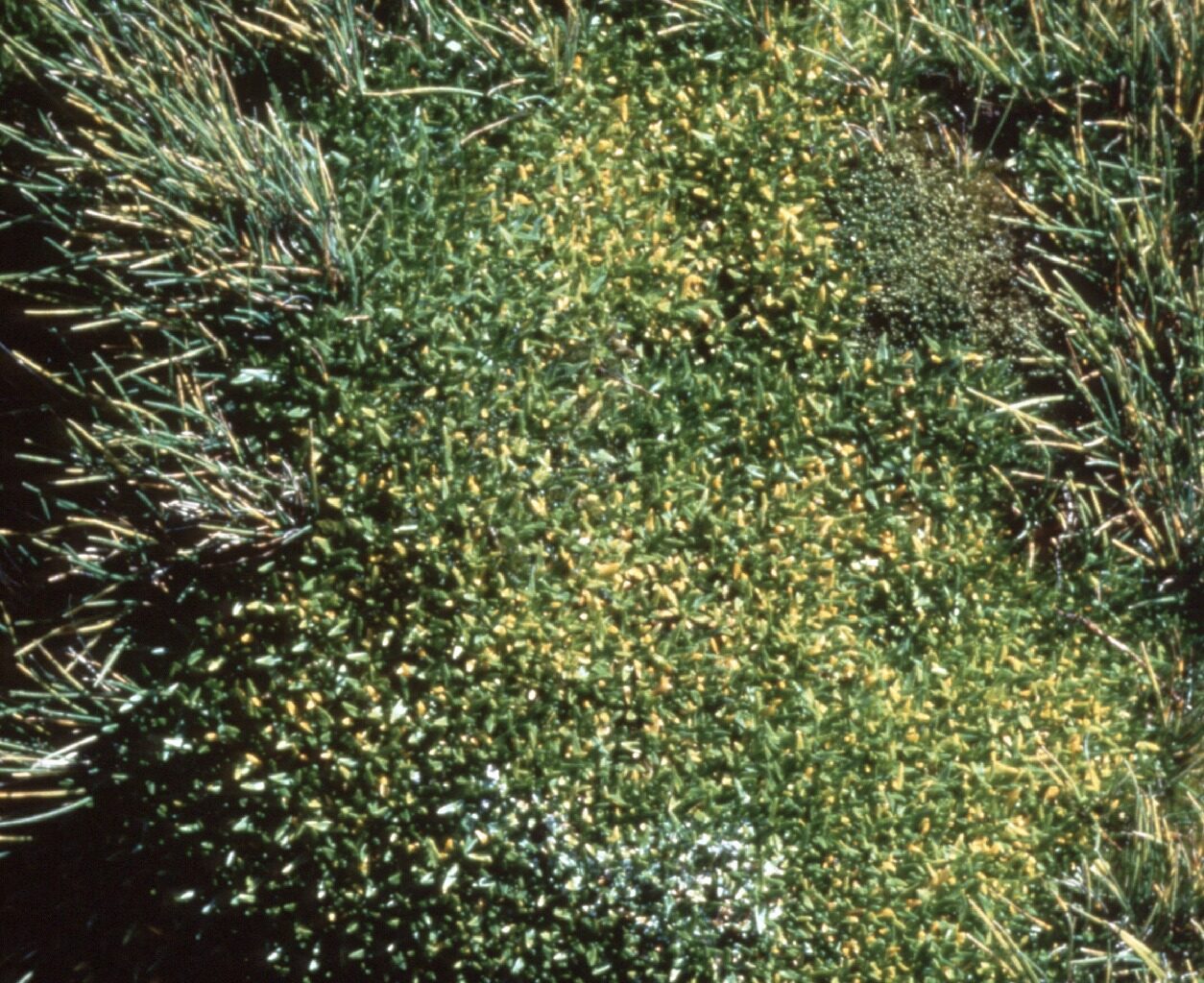
Antarctic pearlwort (Colobanthus quitensis) colonising centre of Antarctic hair grass (Deschampsia antarctica) Credit DHW Walton BAS
Only two flowering plant species are native to Antarctica: Antarctic hair grass (Deschampsia antarctica) and pearlwort (Colobanthus quitensis).
However, much of the continent’s plant diversity is found in mosses, liverworts and lichens, including species found nowhere else on Earth.
These plants are not only important components of Antarctic ecosystems but also valuable indicators of environmental change.
García Criado explained:
“One interesting feature of bryophytes is that they balance their water content with the surrounding environment. This allows them to dry out when water is unavailable and become active again when conditions are favourable. For this reason, they are very useful for studying climate change, as their condition reflects changes in environmental conditions.”
Supporting evidence-based conservation
The authors say the next stage of research will combine satellite observations with field surveys to confirm vegetation at priority locations and provide the evidence needed to support future conservation action.
For BAS, the study highlights the importance of protecting Antarctica’s often-overlooked terrestrial ecosystems alongside its globally significant marine and wildlife environments.
This research brings together scientists from the British Antarctic Survey, the University of Edinburgh, Trinity College Dublin, CREAF, the University of Johannesburg, the Millennium Institute for Biodiversity of Antarctic and Sub-Antarctic Ecosystems (BASE), the University of Birmingham, the Norwegian Institute for Nature Research (NINA) and the Securing Antarctica’s Environmental Future (SAEF) programme at Monash University.
Paper
Walshaw, C.V., García Criado, M., Hughes, K.A., Colesie, C., Wauchope, H.S., Convey, P., Gray, A.M. & Lee, J.R. (2026). Identifying priorities for systematic Antarctic vegetation protection at the continental scale. Biological Conservation, 324, 112121. https://doi.org/10.1016/j.biocon.2026.112121