

A major new EU-funded project is bringing together 27 research institutions from around the world, including the British Antarctic Survey, to build a step-change in how we observe and understand the Southern Ocean and Antarctica.
The Southern Ocean and the seas around Antarctica are changing fast. Sea ice cover is declining rapidly, large parts of the West Antarctic ice sheet are being lost and the ocean’s deep-water formation process, a key driver of global ocean circulation, appears to be slowing down. Yet scientists still cannot reliably predict what happens next, or what it means for the rest of the planet.
That’s the gap that SYNCHRONY, launching on 1 August 2026, aims to close.

Antarctic sea ice, Weddell Sea. Credit: Stefan Hendricks
Led by the Alfred Wegener Institute (AWI) and backed by around 8.5 million euros in EU funding over four years, the project will coordinate researchers across 27 partner institutions, including BAS, the National Oceanography Centre, the University of Edinburgh, the University of Southampton and the Scientific Committee on Antarctic Research (SCAR), to expand observation networks, bring together scattered data streams and produce new datasets tracking the health of the region’s climate and ecosystems.
Dr Nadine Johnston, Marine Ecologist, British Antarctic Survey and researcher on the SYNCHRONY project said:
“Antarctica and the Southern Ocean play vital roles in shaping our climate, supporting marine ecosystems and influencing sea level, with far reaching consequences for human societies and economies around the world. Yet this critical region is undergoing unprecedented environmental change.
SYNCHRONY will help build the coordinated and sustained observing system we need to better understand and track these changes. By bringing together expertise, infrastructure and standardised long-term observations from across the global polar research community, the project will strengthen our ability to understand and predict how Antarctica and the Southern Ocean are changing, and what that means for us and our climate. It is a powerful example of how international collaboration can address scientific challenges that no single nation can tackle alone.’
Alongside BAS, UK partners include SCAR, the National Oceanography Centre, the University of Edinburgh and the University of Southampton, meaning British polar science expertise is woven through nearly every strand of the project.
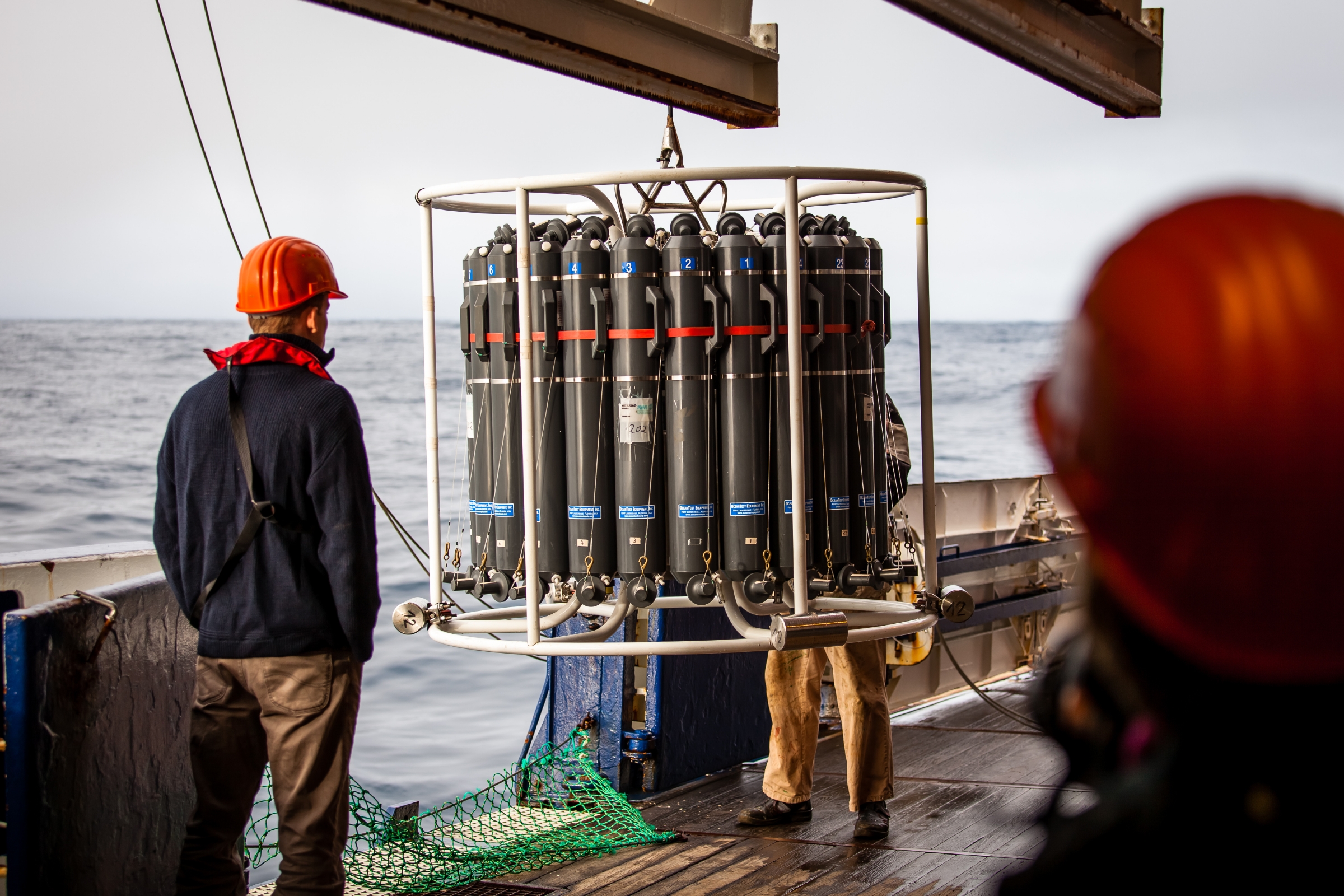
Deployment of a CTD device. Credit: Mario Hoppmann
SYNCHRONY is designed to plug directly into some of the biggest polar science efforts of the coming decade, feeding into Antarctica InSync, a UN Ocean Decade initiative launched by members of the Antarctic Treaty System that will build one of the largest observing networks ever deployed in a polar environment between 2027 and 2029. It also lays groundwork ahead of the 5th International Polar Year in 2032/2033 and supports delivery of the European Ocean Pact.
The work builds on existing networks including SCAR and the Southern Ocean Observing System (SOOS), and supports UN Sustainable Development Goals 13 and 14, on climate action and ocean conservation.
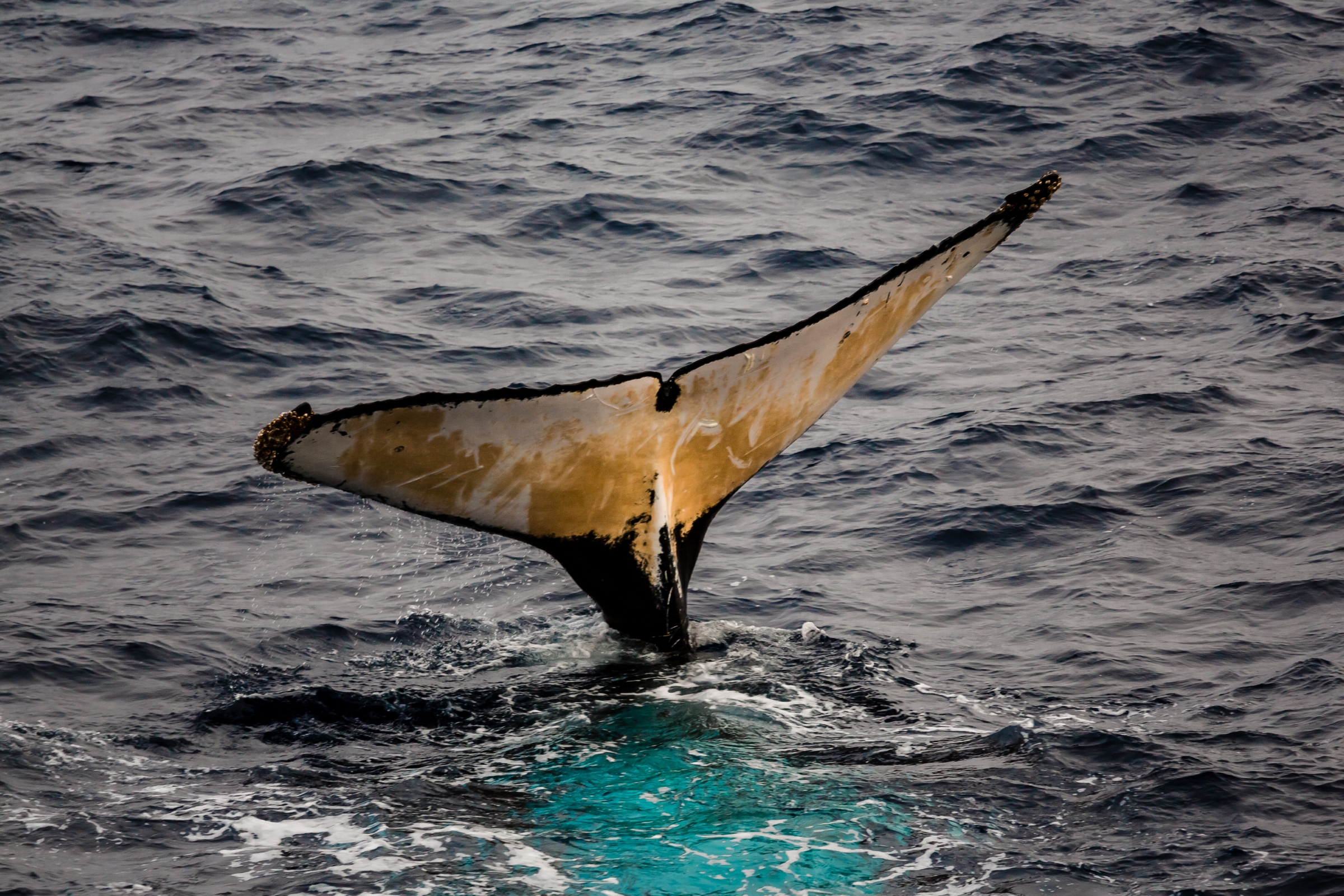
The fluke of a baleen whale, probably a humpback whale. Credit: Stefan Hendricks
AWI is coordinating the project overall, contributing five Polarstern research cruises during the main Antarctica InSync observation period (Antarctic summer 2027/28 to 2028/29), autonomous instruments, and the multidisciplinary HAFOS observatory in the Weddell Sea.
More information is given on the project website.