Himalayan floods: avoiding future disasters
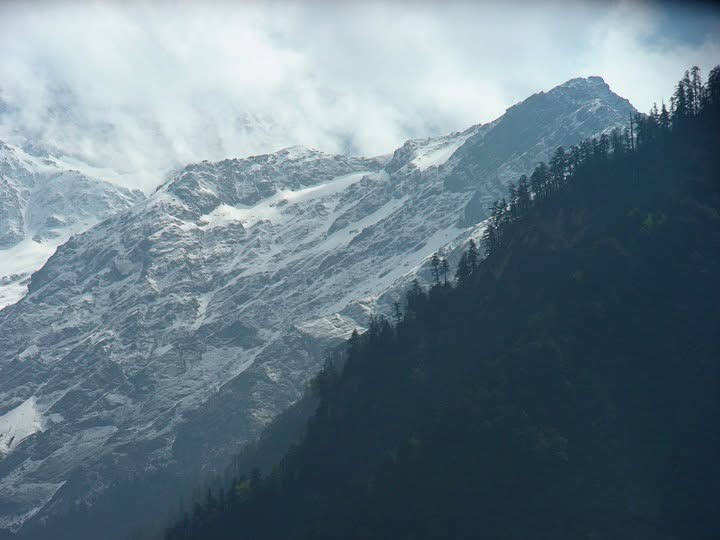
The massive and deadly floods on the Nepal-Tibet border are a stark reminder of why the world needs to constantly update its understanding of the fragile ecosystem in the Himalayas.

1 to 12 of 450 results
The massive and deadly floods on the Nepal-Tibet border are a stark reminder of why the world needs to constantly update its understanding of the fragile ecosystem in the Himalayas.
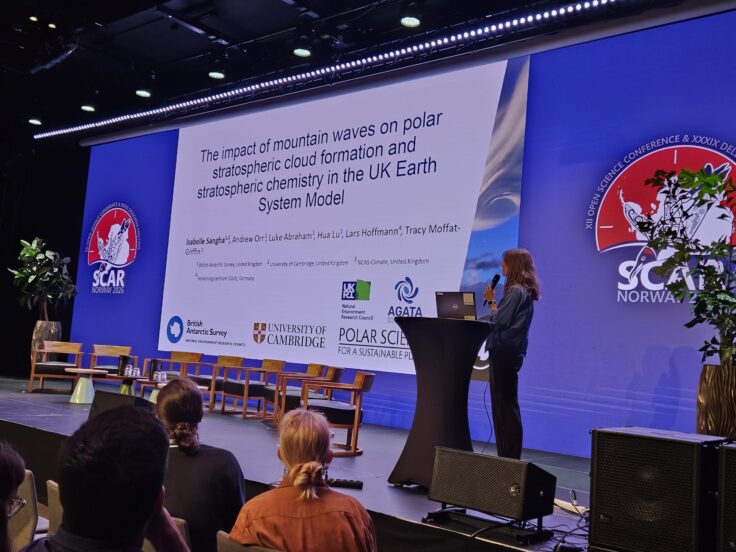
Our Antarctic experts attend the SCAR Open Science Conference in Oslo, sharing their latest findings and shaping plans for future collaboration.
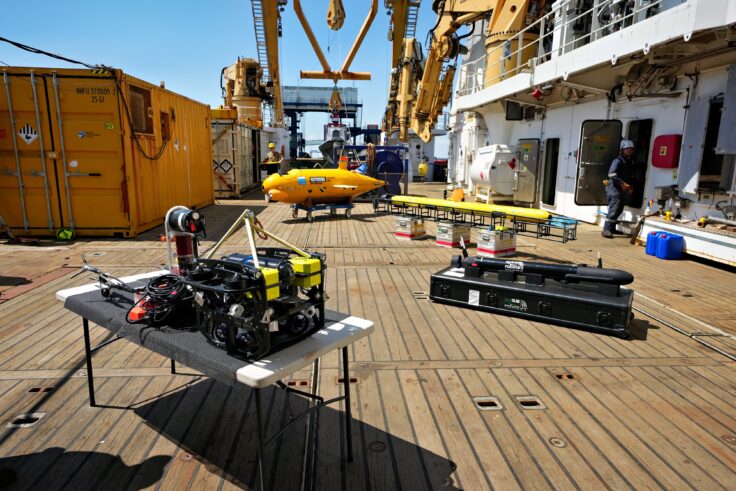
In the harsh and ever-changing landscapes of the polar regions, autonomous robots are quickly becoming a scientist’s best friend as our tools catch up with our questions.
A major new EU-funded project is bringing together 27 research institutions from around the world, including the British Antarctic Survey, to build a step-change in how we observe and understand the Southern Ocean and Antarctica.
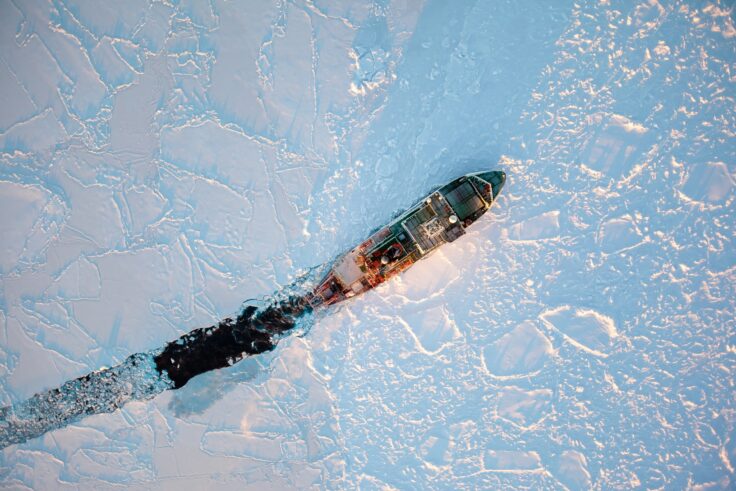
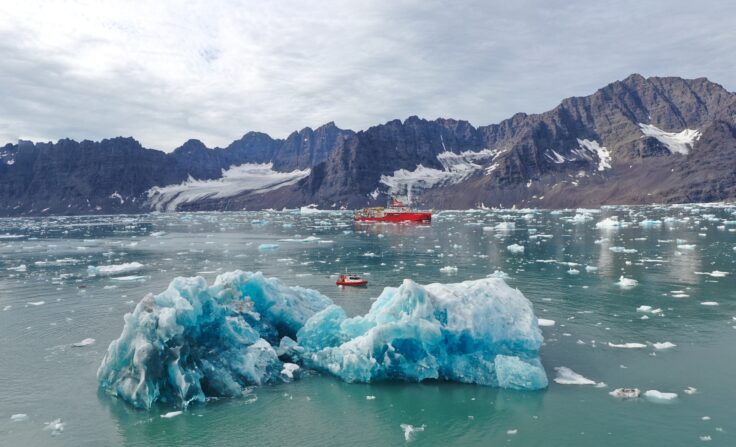
An international team is collecting observations to understand how a melting Greenland is affecting ocean currents, which could cause weather change in UK and Europe
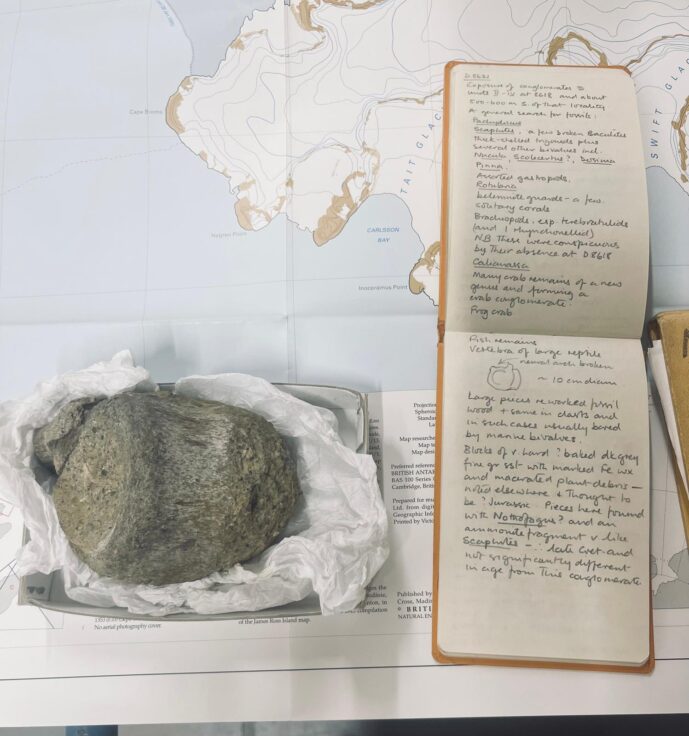
A bone collected by British Antarctic Survey is the first dinosaur fossil ever found on the Antarctic continent.
As extreme summer heat causes disruption across the UK and Europe this week, Midwinter at Antarctica’s Rothera Research Station is becoming increasingly unrecognisable.
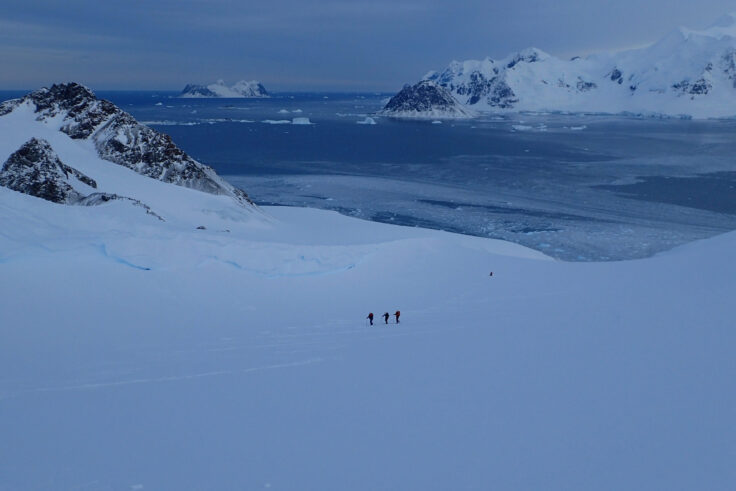
As record winter warming hits Antarctic research stations, a new paper discusses how the increasing frequency and severity of extreme weather makes Antarctic research more important, but also more challenging.
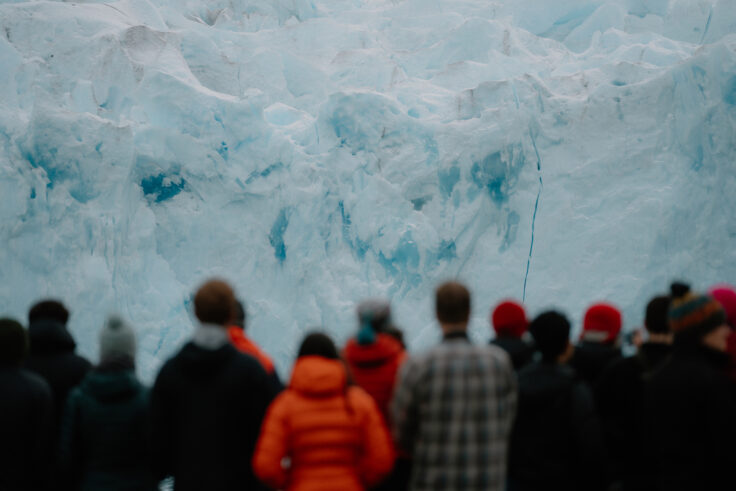
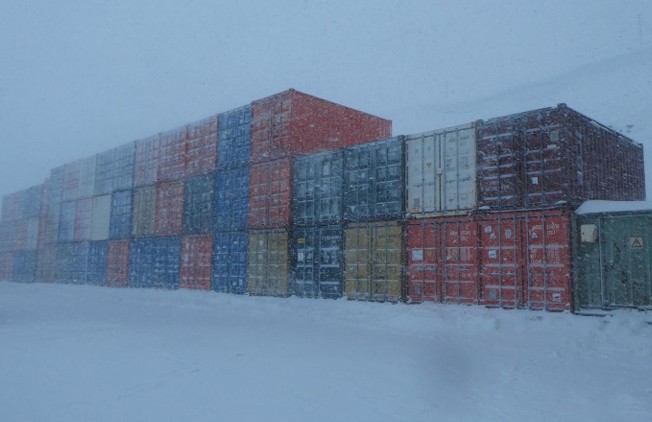
As the 2025/26 Antarctic construction season comes to an end, we look back at our collaborative efforts and achievements.
A new study on Antarctica’s Brunt Ice Shelf has revealed that surface melting and seawater infiltration can have dramatically different effects on the structural strength of floating ice shelves.
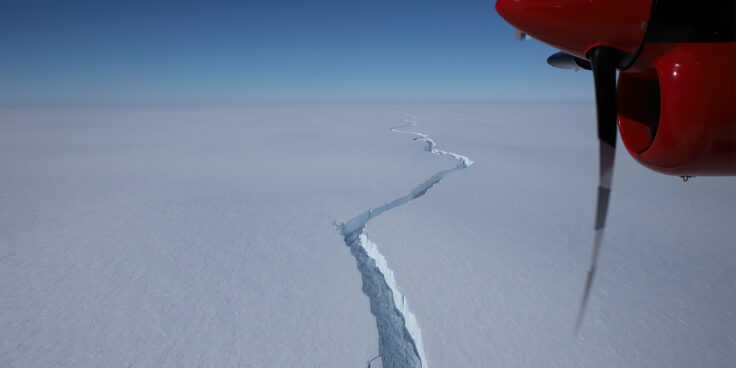
As the 2025/26 Antarctic science season comes to an end, we look back at our highlights and achievements.
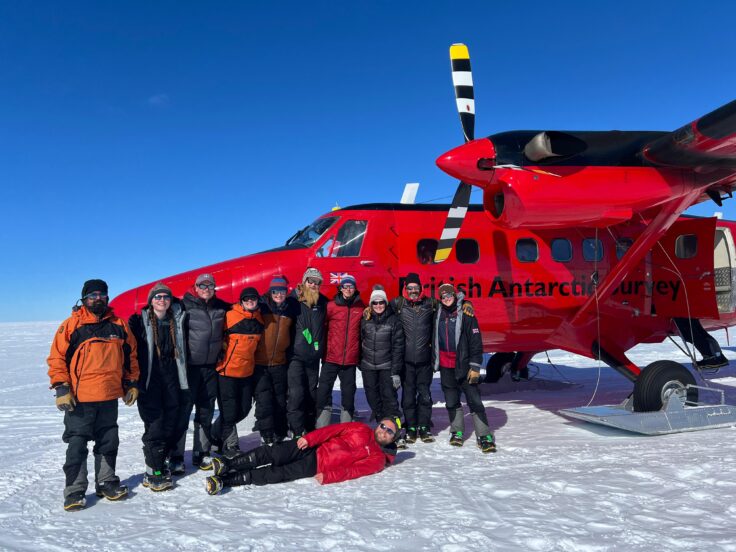
A major new analysis has confirmed British Antarctic Survey as the world’s leading centre for Antarctic and Southern Ocean research.