
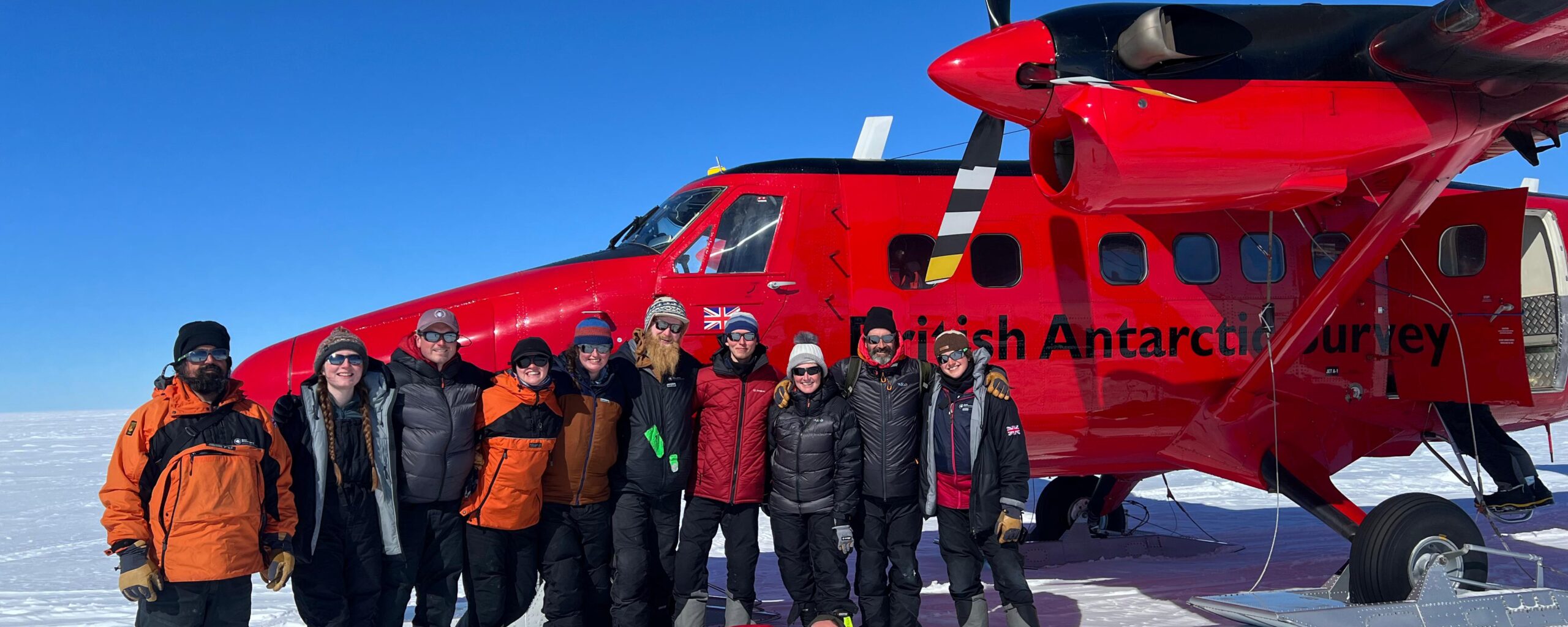
British Antarctic Survey scientists and support staff are coming to the end of another successful Antarctic science season. As austral winter begins to set in, RRS Sir David Attenborough has completed a round of final calls to Rothera, King Edward Point and Bird Island Research Stations, leaving smaller wintering teams to continue research and operations.
The BAS field season (September 2025 to May 2026) saw 688 people working at various locations across the continent, including polar scientists, technicians and support staff. More than 50 science projects took place across land, ice and sea – covering topics from weather and climate to wildlife and ecosystems – as they worked to deepen our understanding of the polar regions and their wider impact on the planet.
Professor Petra Heil, Director of Science at British Antarctic Survey, said:
“This season, our teams stepped up their work across Antarctica to understand this fragile system in transition. New methods were trialled, and field measurements were fused with autonomous technology, helping us to capture near-real time insight – from marine logistics to species management.”
Rothera Research Station
It’s been a season of change at Rothera Research Station on the Antarctic Peninsula. Older buildings have been removed, and the new Discovery Building is now fully operational, giving us a modern and more efficient hub for our polar science.
One of the major science projects was the NERC-funded POLOMINTS, operating out of Rothera to reach nearby Sheldon Glacier. Scientists studied underwater tsunamis caused by glaciers breaking off into the ocean, to see how this effects heat and nutrient cycling in the water. Using echo sounders and underwater gliders, they collected 3D images of glacier fronts and a wealth of other data to track changes above and below the water’s surface – helping to improve climate models.
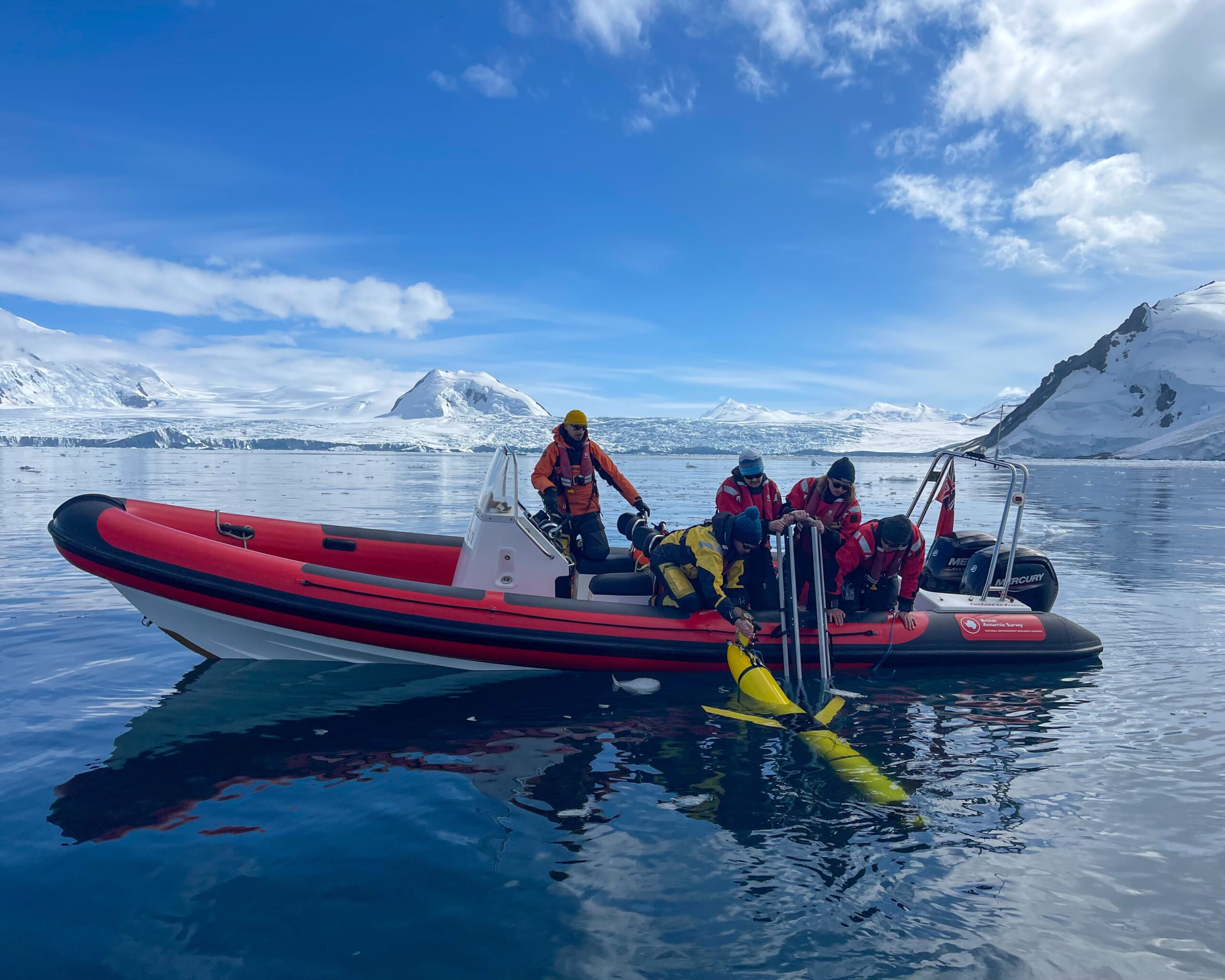
Long-term monitoring also continued at Rothera, expanding on a dataset running for over 25 years. Known as Rothera Time Series (RaTS), it involves water samples, ice observations, a monthly diving programme, and much more. The data acts as a baseline for the region, telling us what’s changed over recent decades and helping predict the impacts of a changing climate.
Halley VI Research Station
Meanwhile, at Halley VI Research Station on the floating Brunt Ice Shelf, the key focus was keeping the station operational for ongoing ice shelf, atmospheric, and space weather projects. It is home to equipment that gathers data autonomously for these projects year-round.
Addressing the challenges of this remote location were another key part of the season’s work. The team returned to Halley to find deep snow, and raised the whole station on its hydraulic legs twice during the season to avoid being buried. The team also navigated the exchange of cargo with the ice-capable cargo ship, the Silver Mary, from the Brunt’s ice cliff – an effort which represented the first year of our new shared logistics partnership with the Norwegian and German polar programmes.
Bird Island Research Station
Just off the northwest tip of South Georgia, scientists at Bird Island Research Station have been adding to their long-term monitoring dataset for marine predators. This includes population and breeding monitoring for species such as albatrosses, giant petrels, macaroni penguins, as well as Antarctic fur and leopard seals.
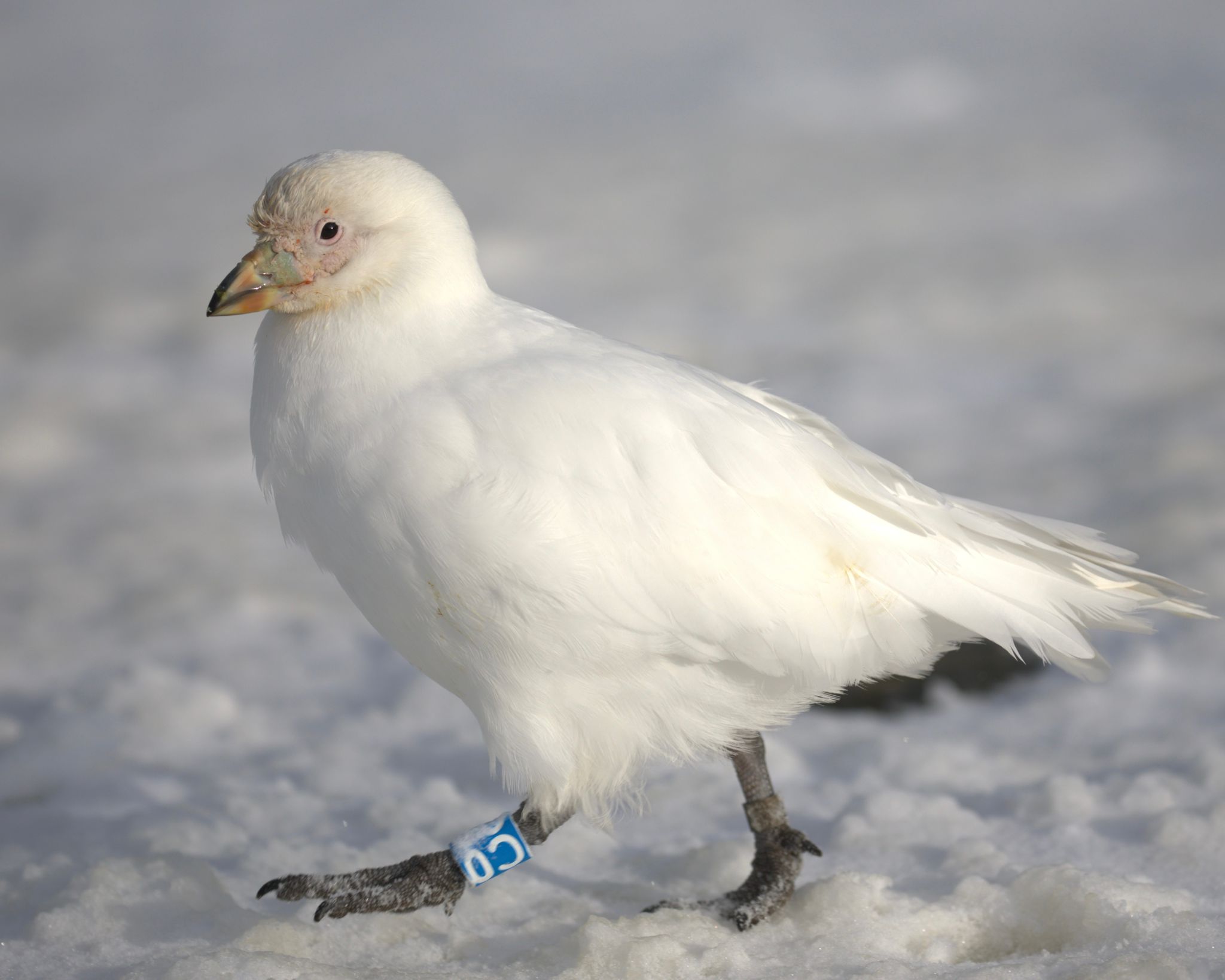
The species that has taken the spotlight this year is the snowy sheathbill – as little is known about their population size, migratory movements, or behaviours. Scientists on the island have now tagged over 400 of the birds. Re-sightings of these tags allow the scientists to build up a picture of how many sheathbills there are, and where they go. The birds are already revealing themselves to be willing travellers, with some tagged birds seen at other locations around South Georgia.
King Edward Point Research Station
Further east on South Georgia lies King Edward Point (KEP) Research Station. The team at KEP have been monitoring populations of whales, seals, and penguins. This will help to guide management of fisheries and boating traffic to minimise their impact on wildlife. They’ve also gathered important data about avian influenza, including how it spreads between and impacts seals and seabird populations.
A highlight at KEP this season was the ECHO survey. This is a big project that aims to understand how wildlife interacts, and how environmental change can ripple through these wildlife populations. This is done by taking lots of ecosystem measurements at the same time, including acoustic surveys and net sampling for krill, plankton sampling, and observations of penguin, seal, and whale movements.
The Synchronised Swimming project formed a big part of this. Scientists attached GPS tags to penguins and used the GPS data in combination with the acoustic surveys to detect how the penguins interacted with krill swarms. Their data suggests the penguins are foraging in the same areas where the surveys detected krill, which is vital data to support the management of the marine protected area around the island.
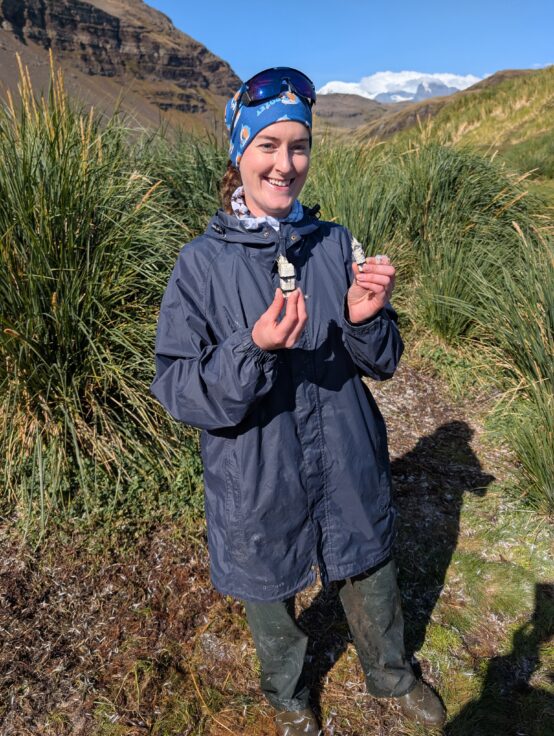
A mass washup of dead bivalves were also found on a beach close to KEP – with their shells a muted pink colour instead of their usual green. The team delivered a rapid science response, collecting samples to find out what happened, and what it indicates about the health of the Southern Ocean.
Signy Research Station
On the remote South Orkney Islands, science projects at Signy Research Station have involved monitoring marine predators, collecting bivalve samples, and investigating how the island’s vegetation is responding to a changing climate.
Scientists have also explored using a new state-of-the-art drone, which can take aerial surveys of the island while piloted by scientists in Cambridge in the UK. So far, the drone has created a useful 3D map of the island and conducted important surveys of wildlife populations. Scientists are hoping to use the drone in seasons to come to conduct surveys that wouldn’t have been possible before – such as monitoring early-nesting penguin species whose breeding begins before scientists return to the station in spring.
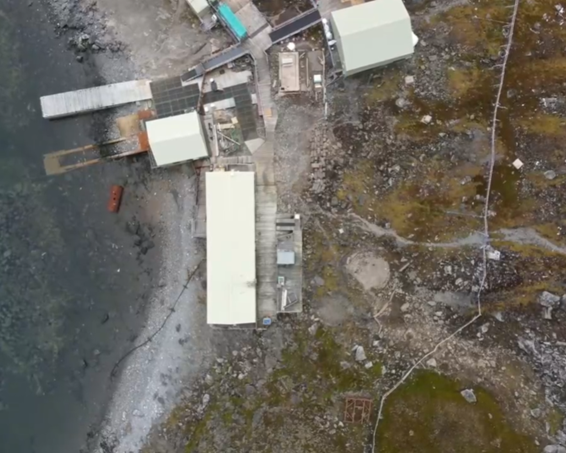
In the field
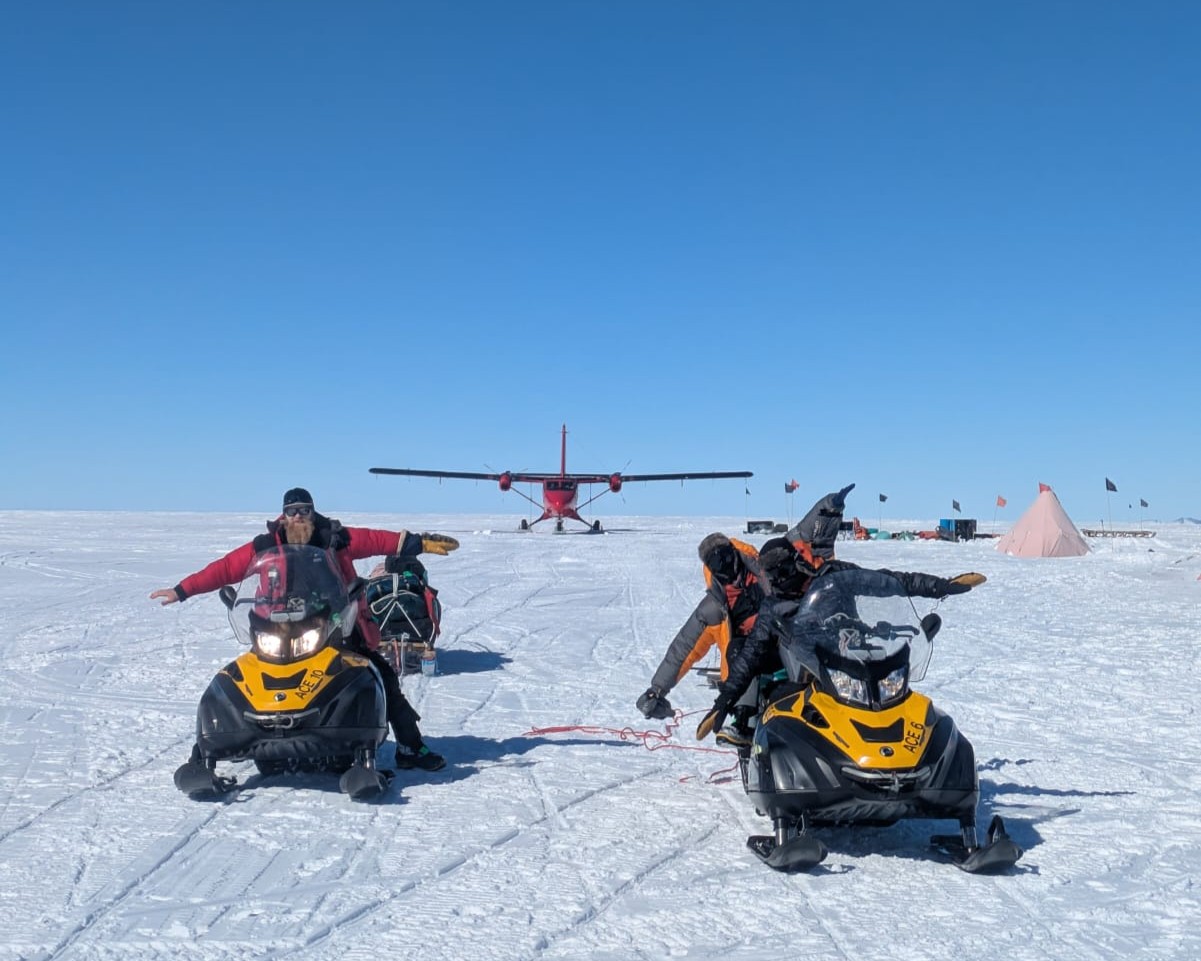
At a remote base camp 35km from Sky-Blu, the REWIND ice core drilling project aimed to collect samples from the last 10,000 years to see how winds and sea ice have influenced the uptake or release of carbon from the Southern Ocean. After digging out the previous season’s equipment, the team successfully drilled a 271-metre ice core, containing an estimated 1,000 years of climate data – the oldest ice core ever drilled in this part of the Antarctic Peninsula. Unfortunately, a broken drill part cut the work short. The data gathered will help us better predict whether the Southern Ocean is likely to absorb or release carbon in the future.
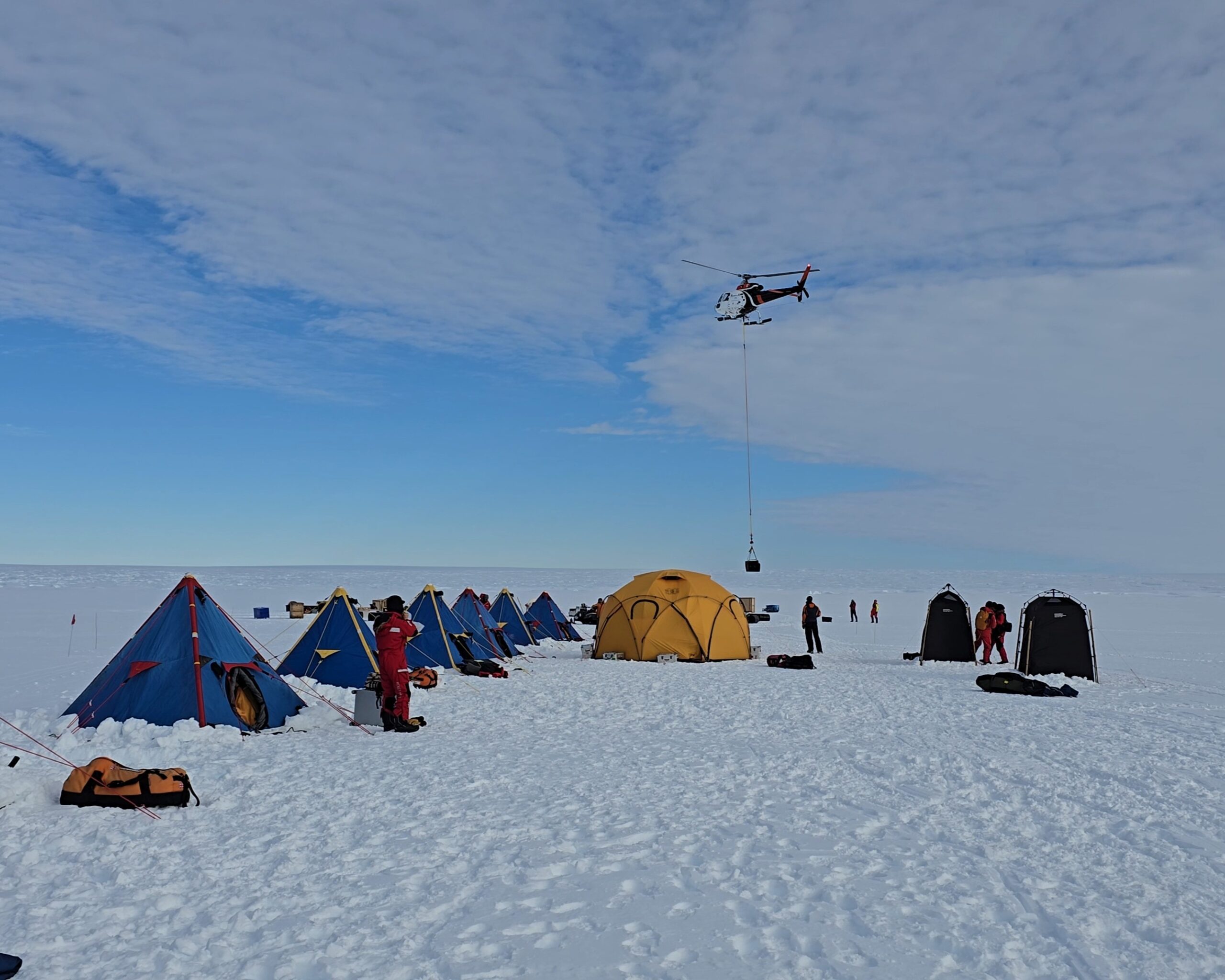
Scientists from BAS and the Korea Polar Research Institute (KOPRI) travelled to the unstable and rapidly-changing Thwaites Glacier in West Antarctica. The aim was to understand how ocean processes and seawater temperatures beneath the ice are driving melting, with potential for major sea level rise. BAS provided world-leading hot water drilling expertise, reaching over 1,000 metres through the ice to gather the first ever oceanographic data from beneath the glacier’s main trunk. This revealed turbulent and relatively warm waters melting the ice from below. However, plans to deploy instruments for long-term monitoring were foiled as the rapidly-moving glacier trapped the equipment within the ice. Regardless, the data gathered will be invaluable for understanding ocean-ice interactions at Thwaites.
At Snow Hill on the Antarctic Peninsula, drone counts and tagging of emperor penguins supplemented wider monitoring of emperor penguin populations using satellite imagery. These data revealed dramatic sea ice changes and fewer groups of moulting emperor penguins. This has prompted the species to be classified as endangered by the IUCN Red List of Threatened Species.
At sea
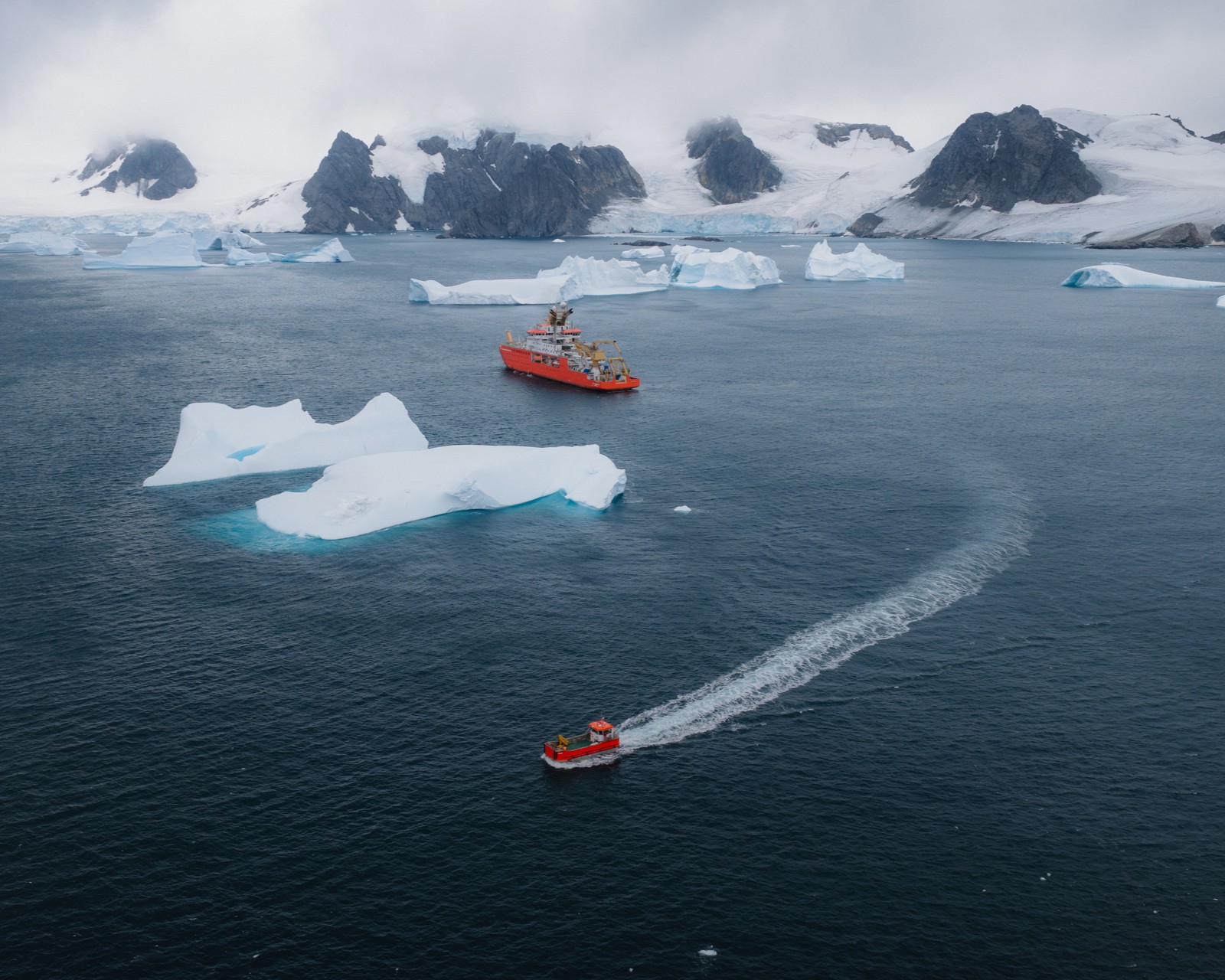
It’s been a busy season on the polar research vessel, the RRS Sir David Attenborough (SDA). In December & January, the SDA was equipped with specialist sensors to assess the performance of its propellors and icebreaking capabilities in specific types of sea ice. It is hoped the results will enable future operations in conditions previously considered too challenging, and improve maritime safety in polar conditions.
Among the major science commitments of the season were the long-term monitoring of zooplankton and tracking of biogeochemical processes near South Georgia. This includes chemical sampling for important nutrients, krill sampling, and measurement of carbon flux, which will improve our understanding of ocean ecosystems and their role in climate regulation. These are some of the longest running polar marine datasets, which support the UK’s ‘national capability’ – they feed directly into area conservation plans and international policymaking forums like the international Commission for the Conservation of Antarctic Marine Living Resources (CCAMLR) within the Antarctic Treaty System.
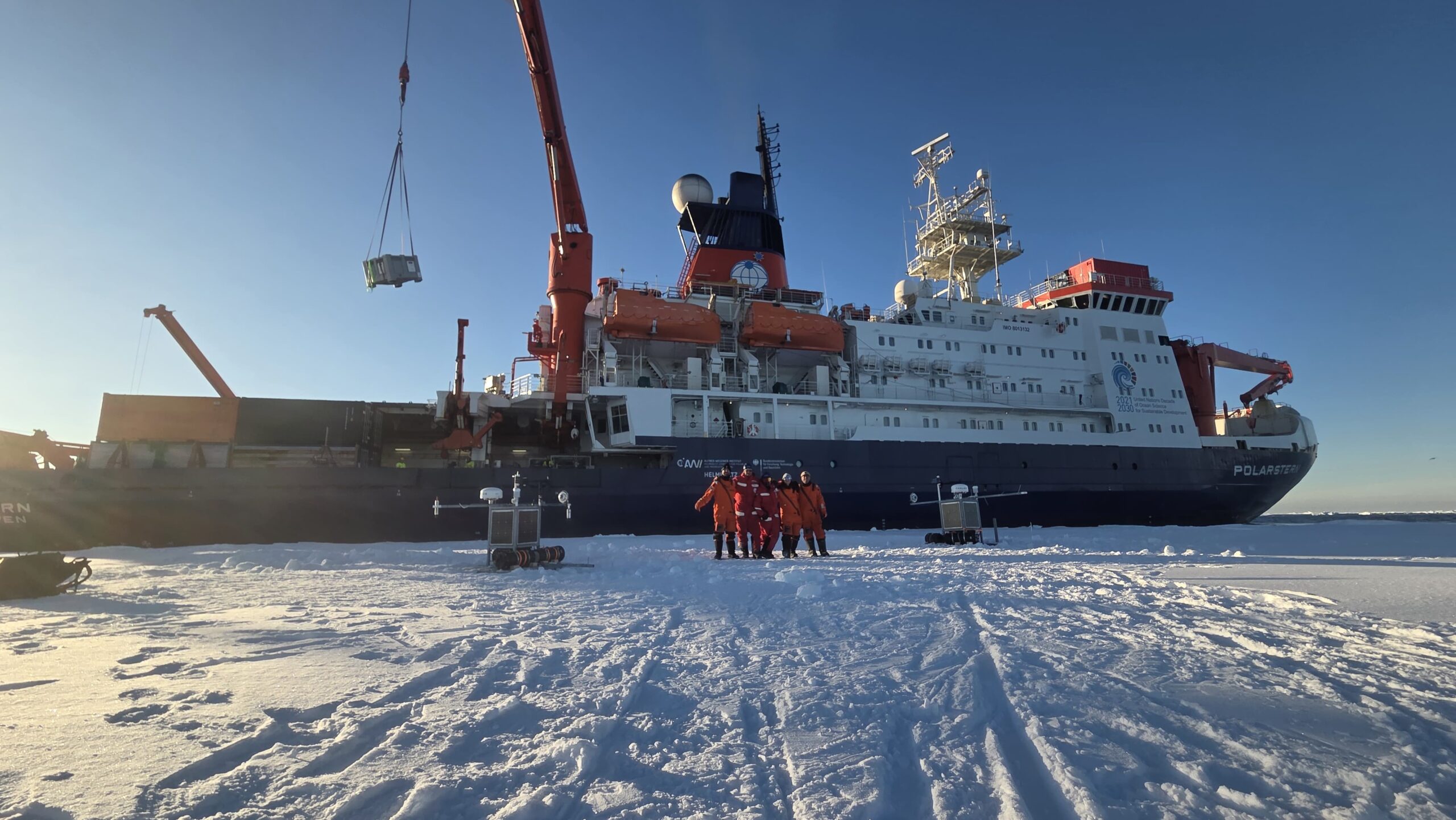
BAS scientists have also been busy in the Weddell Sea aboard multiple voyages on the German research ship, the RV Polarstern. With the help of autonomous sea ice buoys, autonomous submarines and specialized atmosphere and aerosol sensors, they took a range of measurements from sea ice properties, marine biodiversity and atmospheric composition. Despite rough seas and 41m/s winds, the team gathered some vital data – data that will be critical for understanding changing Antarctic sea ice, the marine biodiversity it supports, ocean-ice-atmosphere interactions and Southern Ocean cloud processes.
A season to celebrate
With staff now returning home, the work is far from over. Samples and data collected throughout the season will feed into research efforts around the world, deepening our understanding of polar science and its role in our changing climate.
“I’d like to offer a profound thank you to the dedicated teams who worked on the ice, at sea, and elsewhere across BAS,” says Petra. “The data you gathered this season will help decision-makers respond to the planet’s changing climate and ecosystems, and work towards a secure future for us all.”
As is tradition, staff across the whole of BAS are now gearing up to celebrate midwinter’s day when it arrives on 21 June – from those on the SDA and overwintering at stations, to staff at our Cambridge sites and elsewhere in the world. The Antarctic Research Trends Report 2025 recently acknowledged BAS as the most productive and highest impact single polar institute in the world: something that is certainly worth celebrating.