Update from Thwaites Glacier: when science doesn’t go your way
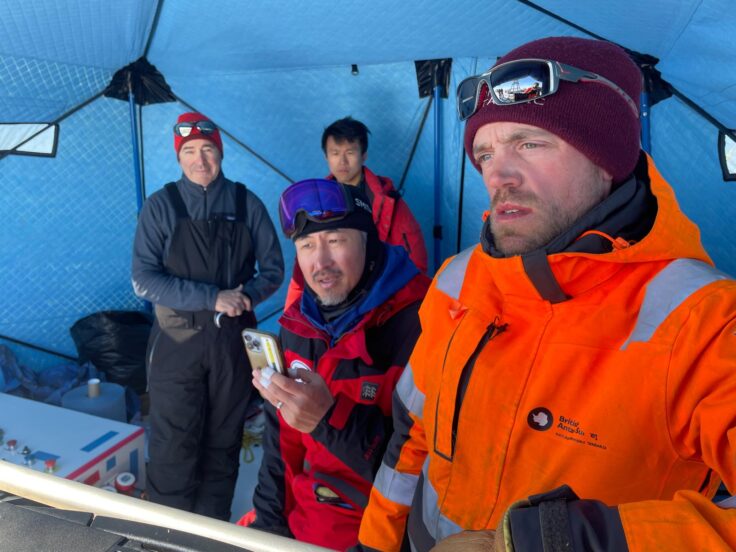
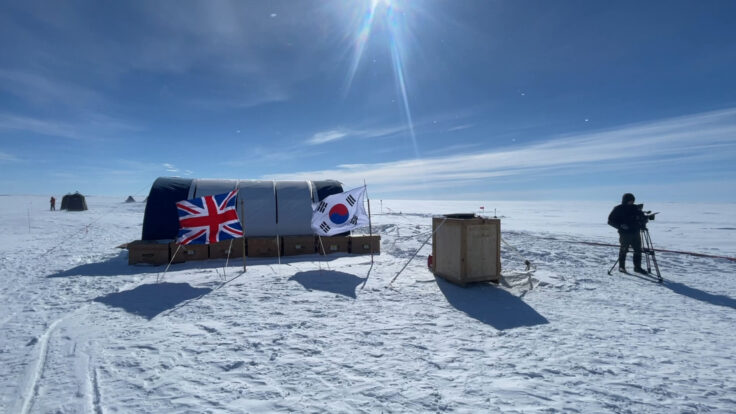
Researchers from British Antarctic Survey (BAS) and South Korea (KOPRI) have concluded a highly ambitious field operation at Thwaites Glacier, West Antarctica.

25 to 36 of 454 results
Researchers from British Antarctic Survey (BAS) and South Korea (KOPRI) have concluded a highly ambitious field operation at Thwaites Glacier, West Antarctica.
A team of researchers from the UK and Korea has reached the most inaccessible and least-understood part of Thwaites Glacier in West Antarctica where they will drill through the glacier to directly observe how warm ocean water is melting it from below.
An international team of researchers, led by British Antarctic Survey (BAS), is setting out to discover how glacier calving around Antarctica can trigger powerful underwater tsunamis.
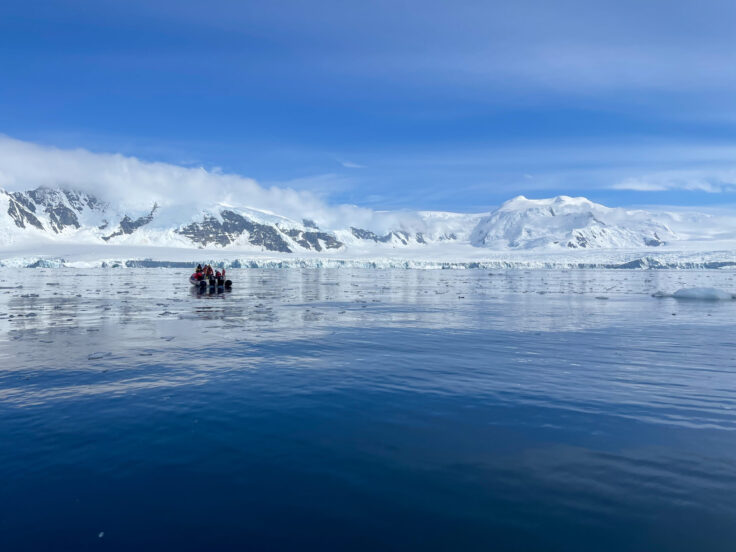
Scientists have uncovered how changing ocean currents in South Georgia’s fjords could affect the survival of young mackerel icefish. The species is a key component of the island’s rich marine […]
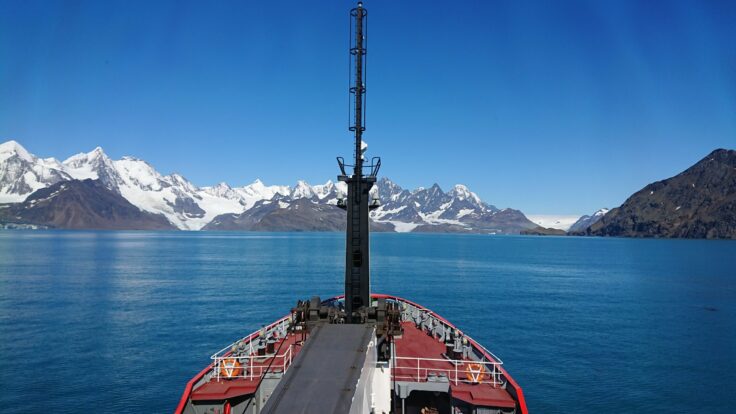
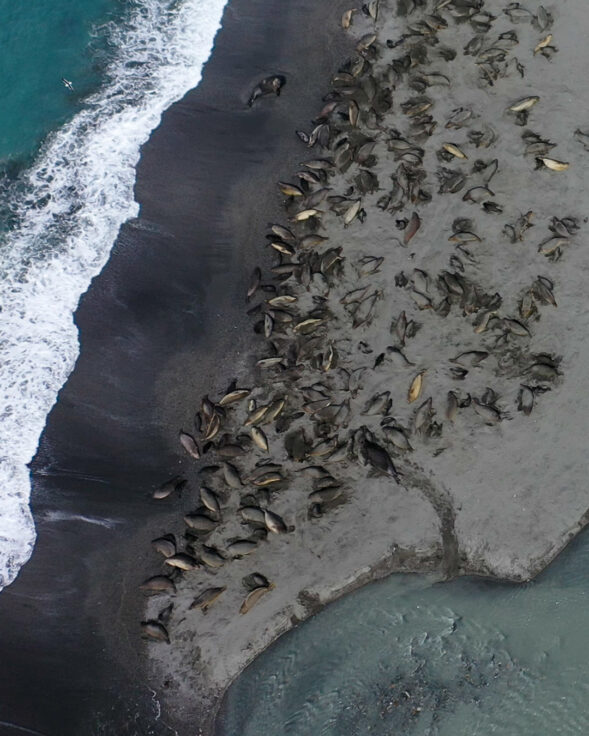
New research reveals 47% decline in breeding female elephant seals at sub-Antarctic island of South Georgia following a highly pathogenic avian influenza outbreak. Scientists from the British Antarctic Survey (BAS) […]
A scientist from the British Antarctic Survey has contributed to a major new international publication, coordinated by the UK National Commission for UNESCO, which highlights the accelerating decline of glaciers […]
New advances in Artificial Intelligence (AI) are transforming the way scientists explore and understand some of the most remote parts of the ocean around Antarctica and the strange creatures that live there.

Ancient ice from Antarctica, extracted as part of the Beyond EPICA – Oldest Ice project, captures a unique climate record spanning at least the past 1.2 million years.
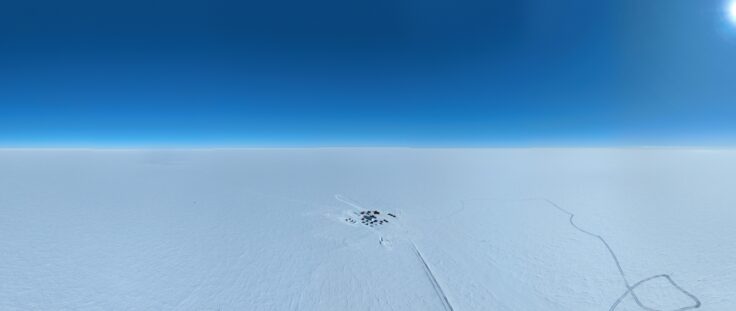
Scientists meeting at The Royal Society in London this week are issuing a stark warning: dramatic and extreme changes in Antarctica are happening faster than expected, with consequences that will affect everyone on the planet.

Scientists have detected the DNA of an invasive marine species in Arctic Canada suggesting the region’s waters are no longer cold enough to be a natural barrier.
A new study has revealed that ocean tides can directly influence when massive Antarctic icebergs break off from the ice shelves surrounding the continent, a process known as calving. The research marks a major step toward accurately forecasting ice loss from the Antarctic Ice Sheet and improving projections of global sea level rise.
Scientists from British Antarctic Survey have contributed to research that significantly improves predictions of future precipitation – rainfall and snowfall – in High Mountain Asia, a region that provides water to 1.9 billion people.