
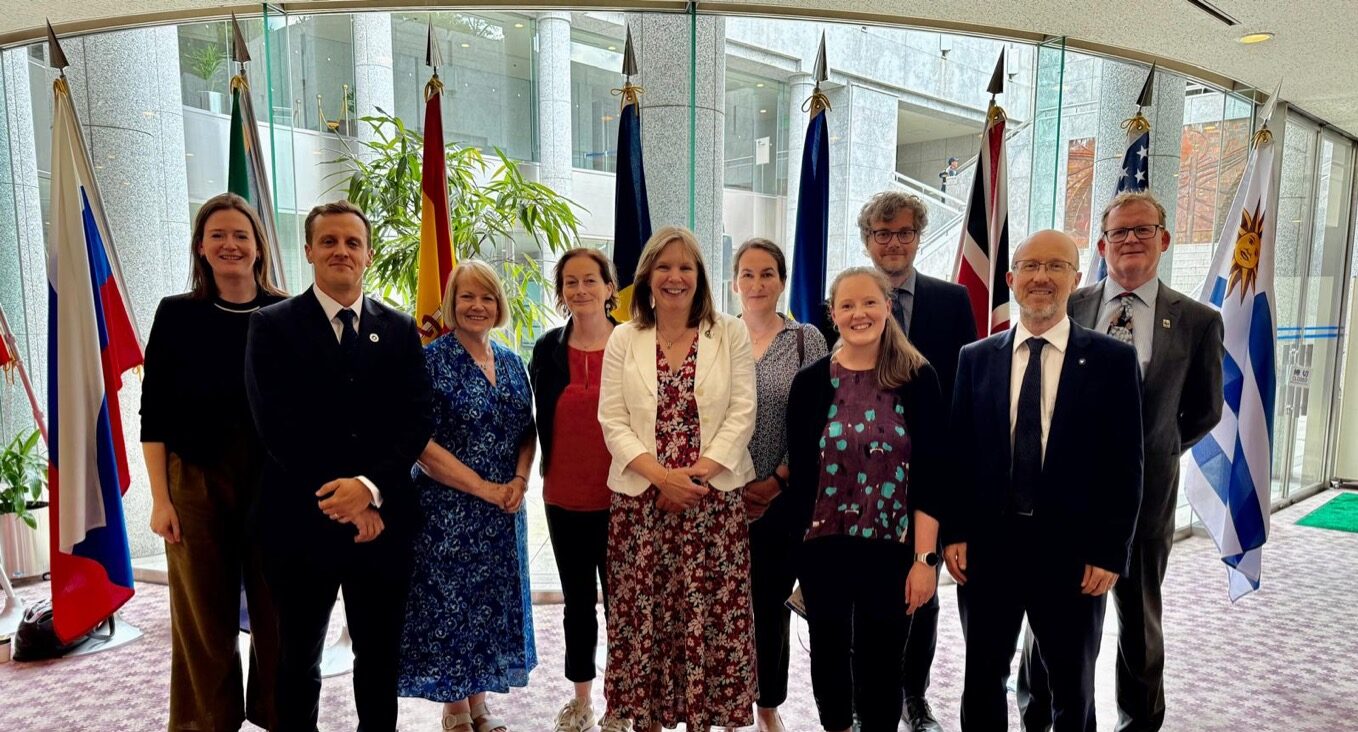
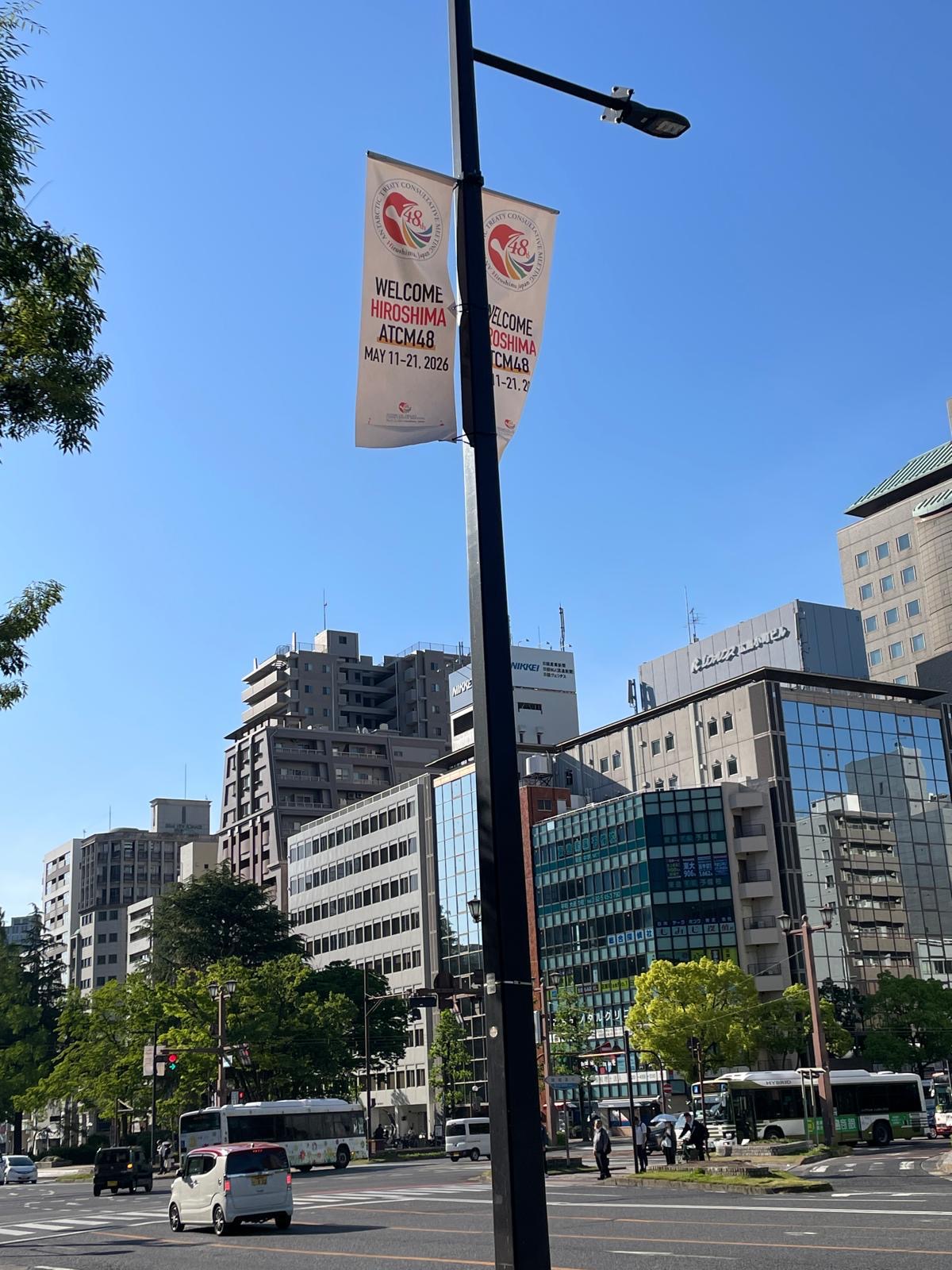
Antarctic leaders and Government officials from across the world meet in Japan this week for the Antarctic Treaty Consultative Meeting (ATCM). ATCM brings nations together annually to coordinate Antarctic science, environmental protection, diplomacy and peaceful international cooperation.
As a light is shone on the importance of polar research for government diplomacy, a major new analysis has confirmed the UK’s British Antarctic Survey (BAS) as the world’s leading centre for Antarctic and Southern Ocean research.
The Antarctic Research Trends Report 2025, which analysed scientific publications indexed in the Scopus database between 2016 and 2024, found that BAS produced more Antarctic-related research papers than any other single institution globally. The paper also shows that in 2022-24, BAS led the world in publishing in high-quality journals, and that across 2016-2023 the UK had the highest field-weighted citation impact of any nation.
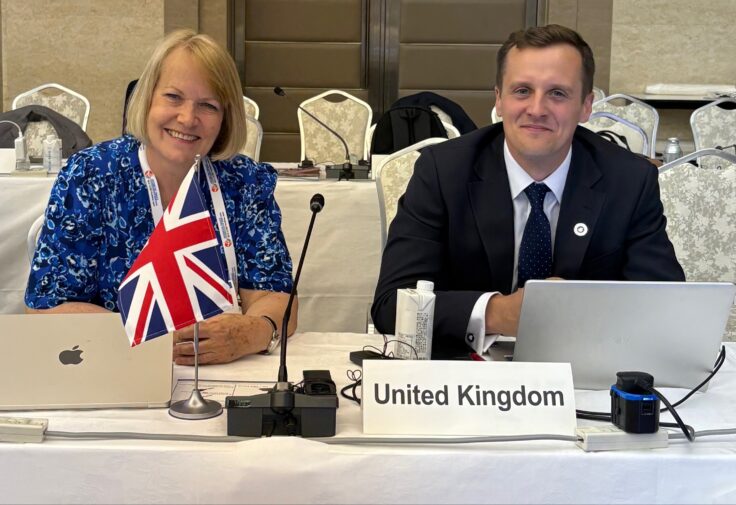
The findings reinforce BAS’ institutional standing as a global leader in polar and climate science at a pivotal moment for Antarctic governance, as nations debate environmental protection, climate policy and scientific cooperation across the continent.
The report also highlights a changing international research landscape. China has overtaken the United States as the world’s most prolific nation in generating Antarctic and Southern Ocean research, surpassing the US in overall publication output in 2022 and in high-impact publications in 2024. Researchers say the shift reflects growing geopolitical investment in Antarctica as the region experiences accelerating climate pressures, including rapid warming in West Antarctica and destabilising ice shelves.
Despite China’s rapid rise, driven by contributions across a number of institutions, BAS remained the highest-performing single polar research institution worldwide between 2022 and 2024.
The report found BAS not only led in total scientific output, but also produced the greatest number of Antarctic papers published in the world’s most prestigious journals (‘top-quartile’ scientific journals), including high-quality titles such as Nature and Science.
“This isn’t just about producing research, it’s about producing quality research that matters,” said Petra Heil, BAS Director of Science. “Being published in top-tier journals puts our science on the desks of global leaders and decision-makers. And they need the best information to make informed decisions about the pathway of the global future.”
The study also found that the UK recorded the highest field-weighted citation impact among major Antarctic research nations — a measure which assesses the rate of papers being cited relative to the scale of their field of research. This indicates that British polar science continues to be among the most influential globally.
Science under the Antarctic Treaty
Scientific publications remain highly significant within the Antarctic Treaty system, where nations demonstrate their commitment to Antarctica partly through sustained scientific activity. The report describes research output as the “currency of credibility” in Antarctic affairs.
While global Antarctic publication numbers peaked in 2021 and have since declined slightly, BAS and the UK have weathered the downturn better than many traditional research powers. China remains the notable exception, with its Antarctic publication output more than doubling since 2017.
The report also underlined the importance of international collaboration in Antarctic science, where multinational research partnerships remain more common than in most other scientific fields. BAS was identified as a key driver of these global collaborations, strengthening the UK’s role in Antarctic diplomacy and treaty leadership.
As delegates meet in Japan under the framework of the Antarctic Treaty, the findings are expected to sharpen discussion around the future balance of scientific influence in the polar regions.
For BAS, however, the report delivers a clear message: despite intensifying global competition, Britain’s flagship polar institute remains at the forefront of Antarctic research and international scientific leadership.
A setting for international co-operation
As people convene in Japan this week it’s important to remember the Antarctic Treaty System remains one of the world’s most important frameworks for international cooperation, ensuring Antarctica is protected as a place dedicated to peace, science and environmental stewardship. For the UK, it provides a vital foundation for strengthening governance, supporting scientific leadership and safeguarding long-standing interests in the Antarctic and wider South Atlantic region.
BAS Director of Polar Operations Oliver Darke said:
“At British Antarctic Survey, we see first-hand how international collaboration under the Treaty enables world-leading research that informs global policy decisions. Sustained investment in the UK’s scientific stations, vessels and aviation capability is essential to maintaining safe, sustainable and effective operations in one of the most challenging environments on Earth.
The UK also has an important role in championing the highest standards of environmental protection — from supporting marine protected areas in the Southern Ocean to protecting vulnerable ecosystems and conserving Antarctic heritage for future generations. By working closely with Antarctic Treaty partners, the UK can continue to promote a strong and effective governance framework that balances scientific progress, environmental responsibility and the preservation of Antarctica’s unique status for the benefit of the world.
Larson, K., Aksnes, D. W., Danell, R., King, M., Leane, E., & Olofsson, I. (2025). The Antarctic Research Trends Report 2025. UArctic & Umeå university. https://doi.org/10.5281/zenodo.18402791