How sea ice and snow regulate climate
CRiceS investigates the rapid decline of sea ice and its links to physical and chemical changes in polar oceans and the atmosphere.


61 to 72 of 309 results
CRiceS investigates the rapid decline of sea ice and its links to physical and chemical changes in polar oceans and the atmosphere.
Wildfires are unplanned and uncontrolled combustion of vegetated areas which can damage property and human life, and may have negative effects on the ecosystems where they occur. Predicting wildfires is […]

Sea ice forms when the ocean freezes, forming a dynamic and seasonally variable layer of ice. This floating ice has a profound influence on the polar environment, influencing ocean circulation, […]
The BAS Animal Welfare & Ethics Review Body (AWERB) enforces British Antarctic Survey’s duty of care to protect animals.

SURFEIT unites UK and international scientists to study Antarctic ice and atmosphere interactions, improve sea-level projections, and support climate action.

WWWARP used underwater acoustic recorders at South Georgia to monitor whale recovery.

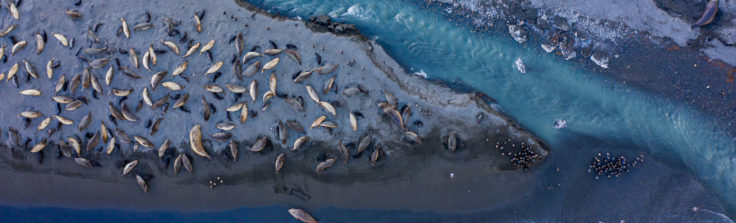
This project introduced fixed-wing drone surveys at South Georgia to monitor wildlife population changes driven by climate change and recovering seal, whale and finfish populations.
The Rothera Air Infrastructure project is part of the Antarctic Infrastructure Modernisation Programme (AIMP) future phases.

This project is developing digital twins of Antarctic and Arctic environments and resources. A digital twin makes it possible to test “what if” questions far more quickly than traditional computer models.
The Sat-Risk project, led by the British Antarctic Survey (BAS), has the goal of ‘developing a real-time system to forecast radiation exposure to satellites for a range of different orbits, and quantify the risk of damage or degradation‘.

The recent extreme swings in Antarctic sea ice extent emphasise the need to increase our knowledge of the drivers and climate implications of Antarctic sea ice loss.

BIOPOLE studies how climate change is affecting the release of nutrients from the polar regions, and their redistribution around the world’s oceans.
