Polar regions in the Earth system
PolarRES investigates polar climate processes in the Arctic and Antarctic, improving global climate projections and reducing uncertainties to better assess environmental and social impacts.


49 to 60 of 309 results
PolarRES investigates polar climate processes in the Arctic and Antarctic, improving global climate projections and reducing uncertainties to better assess environmental and social impacts.
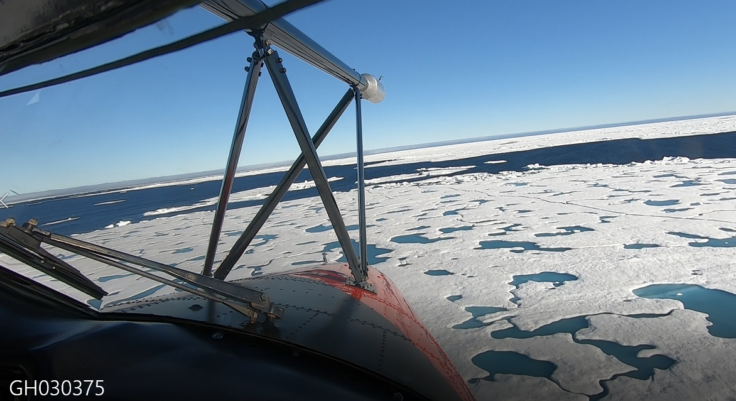
The overarching goal of the project is to determine the role of sea-ice surface properties in Arctic cyclone dynamics and to characterise the interaction of Arctic cyclones with the summer-time Arctic environment.
RADBELT-DA applies data assimilation techniques to improve radiation belt forecasts to protect satellites from space weather damage and service disruption.

OCEAN:ICE studies how Antarctic ice and Southern Ocean processes drive sea-level rise and influence global climate, using new data and advanced ice–ocean–climate models.

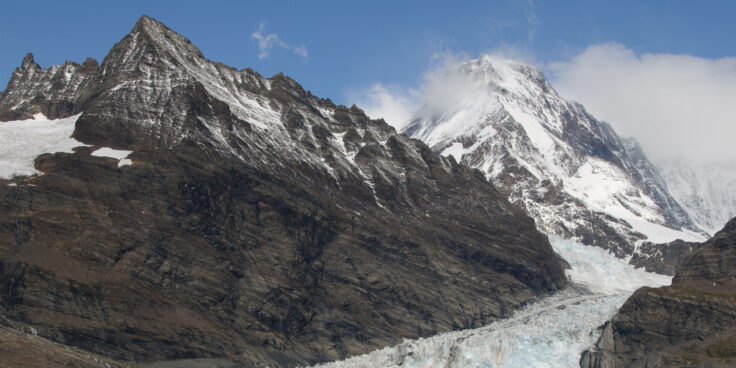
The Big Thaw studies snow and glacier changes in the Alps and Himalayas to improve forecasts of mountain water resources for global communities.
In the SORBS project we are studying how changes in the outer boundary of the geomagnetic field lead to rapid changes in the radiation belts closer to Earth.

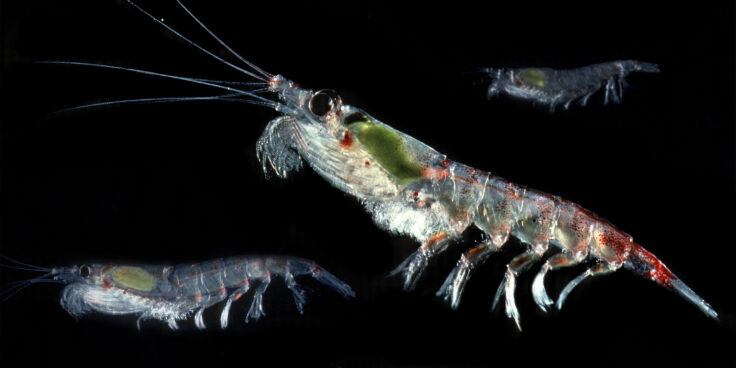
This project is improving our understanding of fish bycatch in the Antarctic krill fishery, to help support better management and conservation.
Bedmap3 is a collaborative community project with the aim to produce a new map and datasets of Antarctic ice thickness and bed topography.
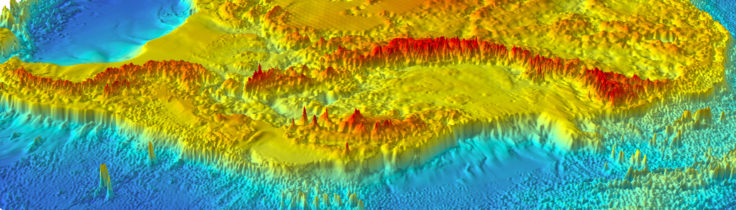
Bedmap is a collaborative community that has produced maps and datasets of Antarctic ice thickness and bed topography
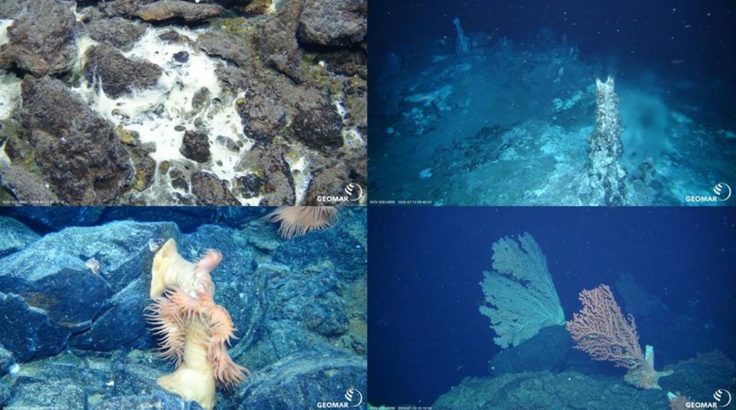
HEXPLORES searches for active hydrothermal vents in the Red Sea Rift. The Rift contains the world’s largest submarine metalliferous sulphide deposit. Yet no active vent systems have been located there.
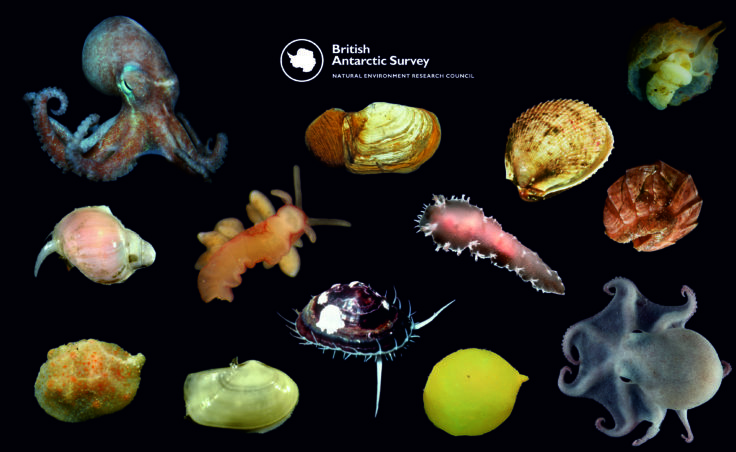
The first Red List for Antarctic and Subantarctic marine molluscs, for the British Antarctic Territory, Falkland Islands, South Georgia and South Sandwich Islands, funded by Darwin Plus.
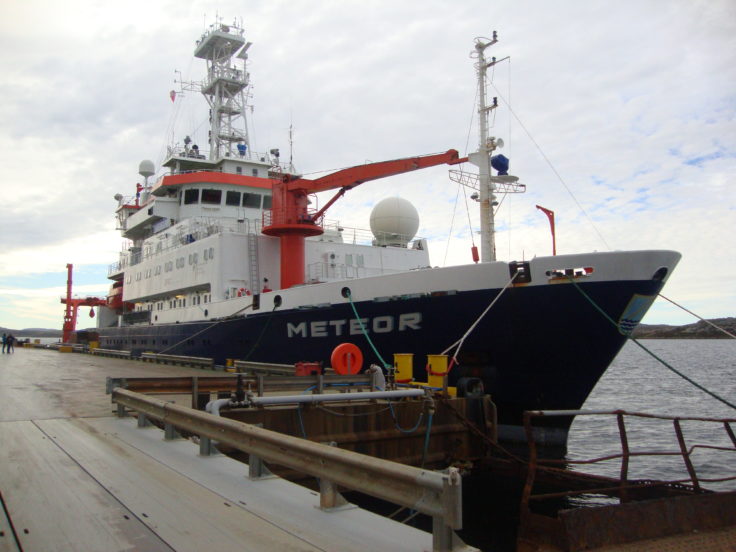
The international IceAGE project focuses on the collection of genetically useful material for DNA barcoding, population genetics and other molecular analyses of Icelandic marine animals.