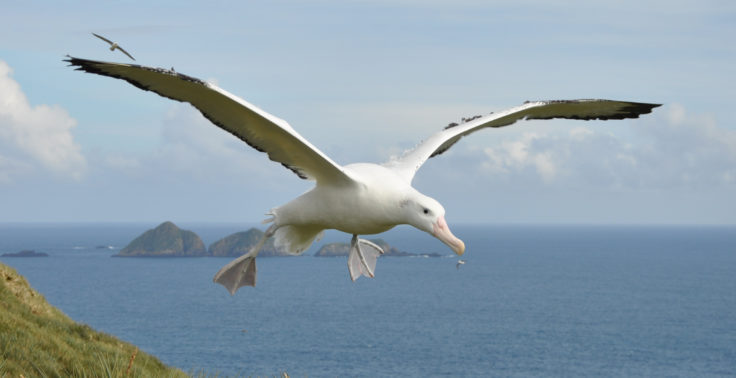
Albatrosses from Space
Albatrosses face multiple threats to their long-term survival. Using very high-resolution satellites, we are able to estimate the number of breeding pairs in remote locations.


73 to 84 of 309 results
Albatrosses face multiple threats to their long-term survival. Using very high-resolution satellites, we are able to estimate the number of breeding pairs in remote locations.
IceNet is a deep learning system that forecasts Arctic sea ice. The system is trained on climate simulations and observational data. It outperforms state-of-the-art dynamical models, especially for extreme sea ice events.
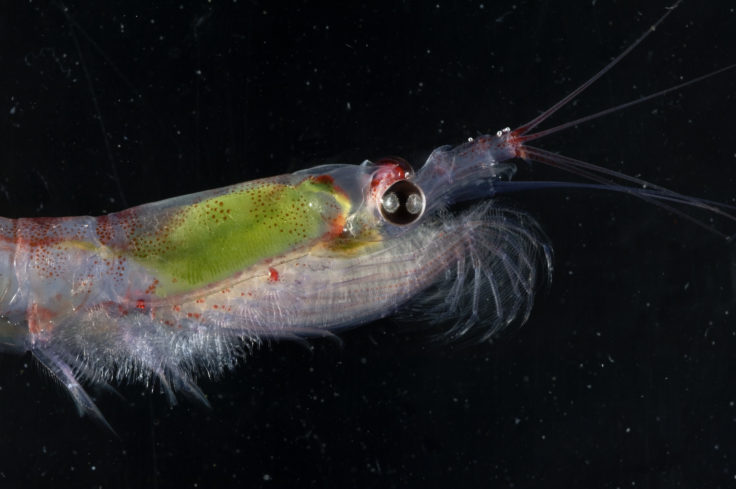
Understanding krill-parasite interactions helps predict krill population dynamics. It also improves models of Antarctic ecosystem function.
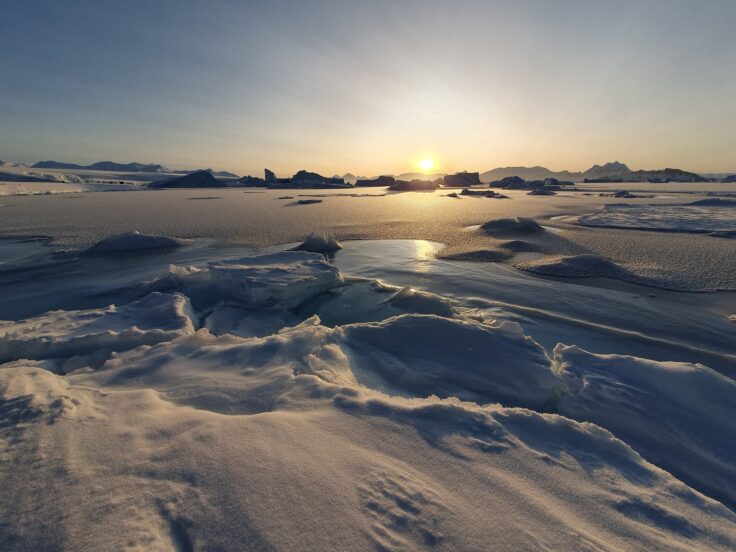
ACES (Antarctic Cyclones: Expression in Sea-ice) addressed the issue of how sea ice cover in the Southern Ocean changes when a high intensity storm passes over the ice.

Antarctic Infrastructure Modernisation Programme Rothera Renewable Energy Project.

PolarRoute – Smarter AI routes through changing polar conditions

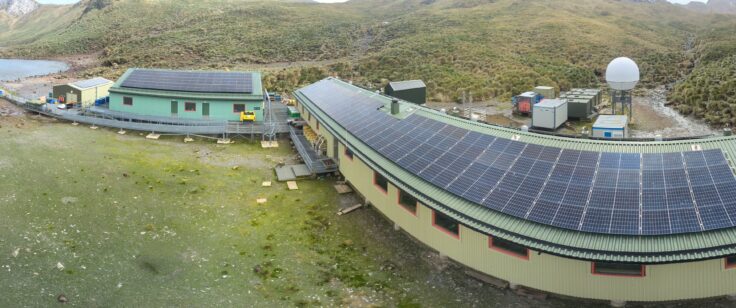
In order to decarbonise our remote Bird Island Research Station on the sub-Antarctic Island of South Georgia we will be installing a solar photovoltaic and energy storage system.
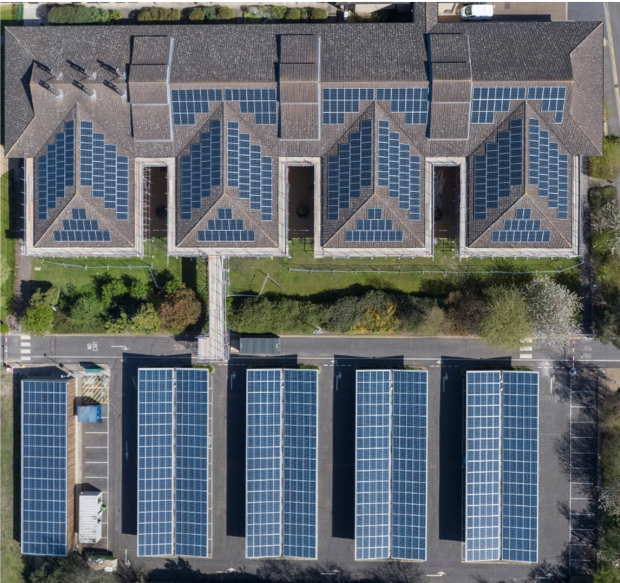
We are working on a raft of measures to reduce our carbon emissions at our Cambridge Headquarters, including installation of solar panels on the car park and roofs of buildings, and adding insulation to our Logistics building.
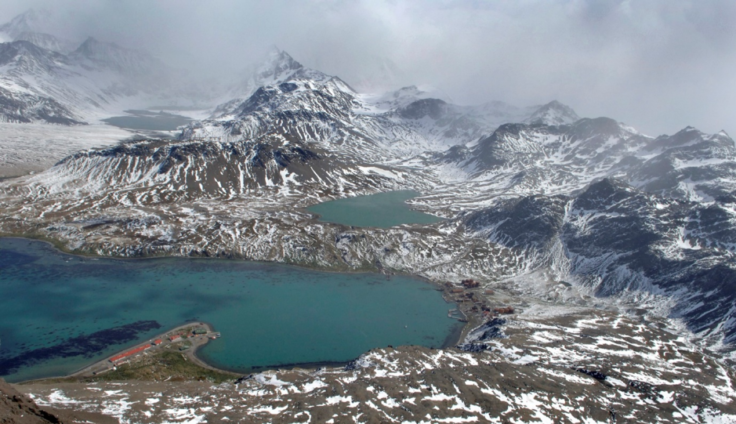
King Edward Point Research Station already meets 80% of its energy demands in electricity and heating by an existing hydropower system. Read more about our plans to decarbonise King Edward Point.
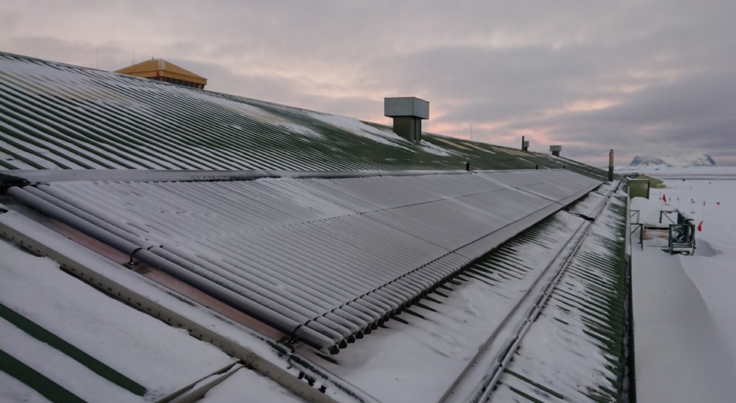
Over the past 15 years we have been introducing renewable energy to buildings across the station in the form of solar thermal and solar photovoltaics (PV).
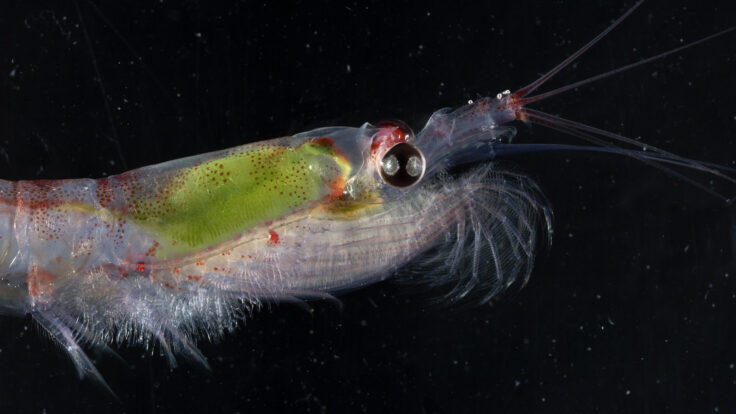
The winter krill project monitors Antarctic krill and predator overlap around South Georgia. Research informs conservation and ecosystem management.
Tracking and monitoring of seabirds e.g. wandering albatrosses and white-chinned petrels at South Georgia to support conservation.