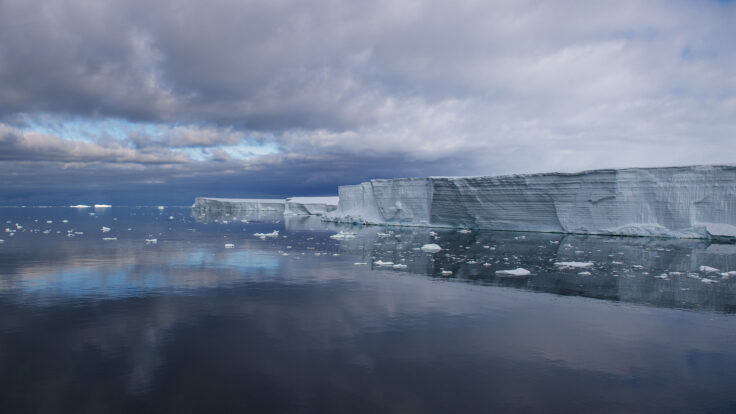
Cracking Antarctica’s iceberg code
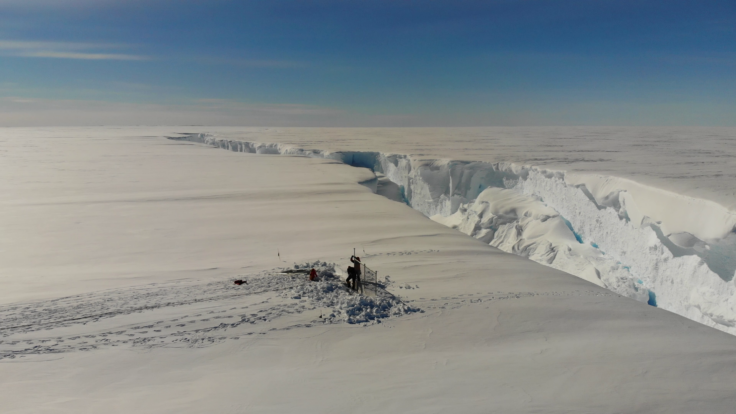
RIFT-TIP is investigating iceberg calving on the Brunt Ice Shelf. It uses field monitoring, lab testing, and modelling to predict when icebergs will form.

37 to 48 of 309 results
RIFT-TIP is investigating iceberg calving on the Brunt Ice Shelf. It uses field monitoring, lab testing, and modelling to predict when icebergs will form.
The European Space Agency (ESA) Southern Ocean-Ice Shelf Interactions (SO-ICE) project is a collaborative research project bringing together the ESA Polar+ Ice Shelves and 4D Antarctica projects, and the European Commission Southern Ocean Carbon and Heat Impact on Climate (SO-CHIC) project, in order to improve understanding of the processes controlling ice-ocean interactions in Antarctica.
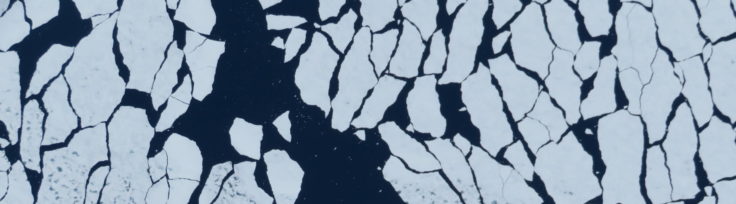
PADIE (Pitch-Angle Diffusion of Ions and Electrons) is a computational model developed at BAS that calculates how electromagnetic waves affect charged particles in radiation belts.
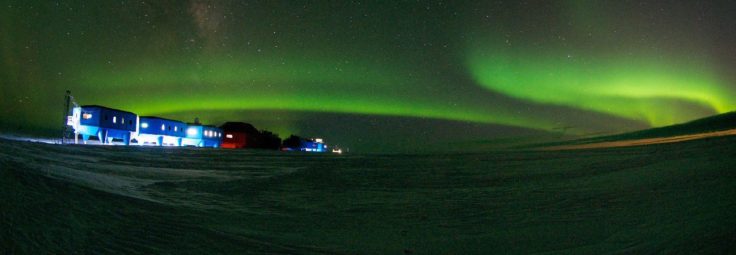
HOTRAY is a ray tracing computer code designed to trace the path of electromagnetic waves in a hot magnetised plasma. HOTRAY has been used to understand the generation and propagation of plasma waves at the Earth, Jupiter, Saturn and laboratory plasmas.
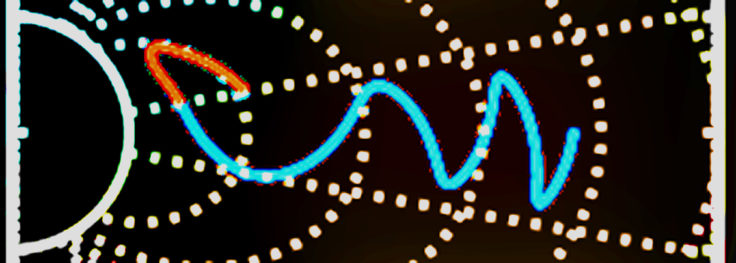
BAS-RBM simulates changes in the high-energy electrons trapped around Earth to help protect satellites, improve forecasting of space weather, and understand radiation belts at Jupiter and Saturn.
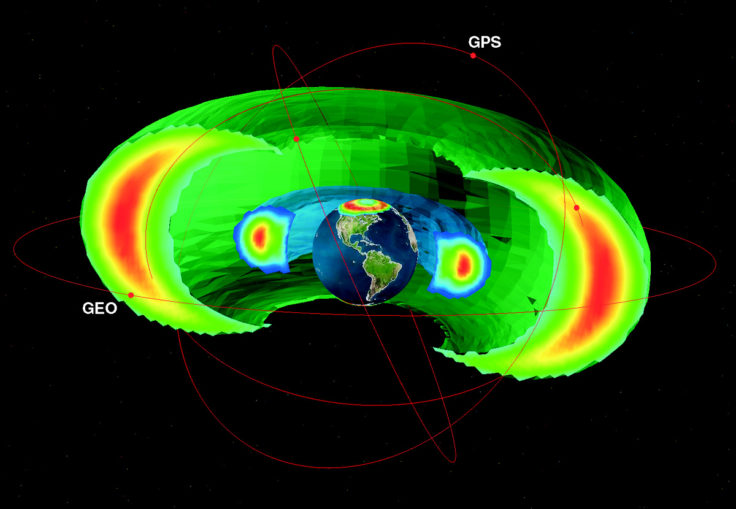
Zooplankton are a vital part of the Scotia Sea food web. The project aims to improve the way we manage and monitor the pelagic ecosystem around South Georgia.
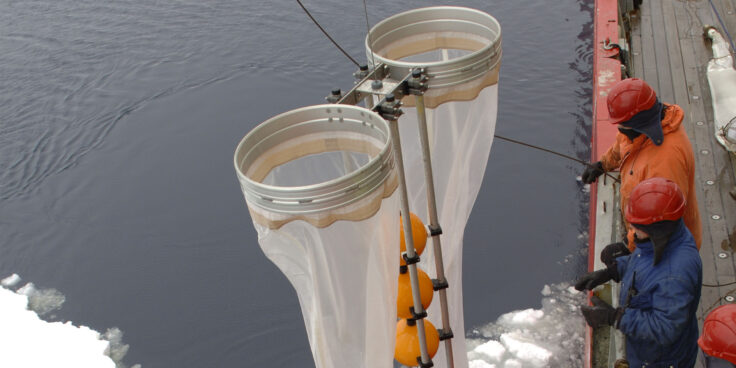
CANARI aims to advance understanding of the impacts on the UK arising from climate variability and change in the Arctic-North Atlantic region, with a focus on extreme weather and the potential for rapid, disruptive change.

As part of the BAS Polar Oceans team’s long-term monitoring programme, we have been observing this outflow using moored instruments since 2007, in collaboration with Lamont-Doherty Earth Observatory , who have been observing this region since 2004.

SWESNET from British Antarctic Survey provides a forecast of high energy electrons in the Earth’s radiation belts which can cause damage to satellites on orbit. These forecasts are used by satellite operators to take mitigating action.

KANG-GLAC studies past and present glacier-ocean changes in southeast Greenland to predict how ice loss will affect ocean circulation, ecosystems and climate.
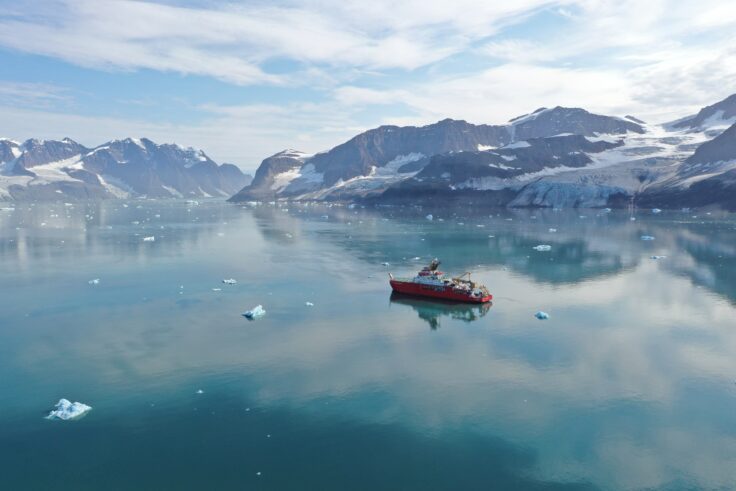
ICED is an international multidisciplinary programme launched in response to the increasing need to develop integrated circumpolar analyses of Southern Ocean climate and ecosystem dynamics.
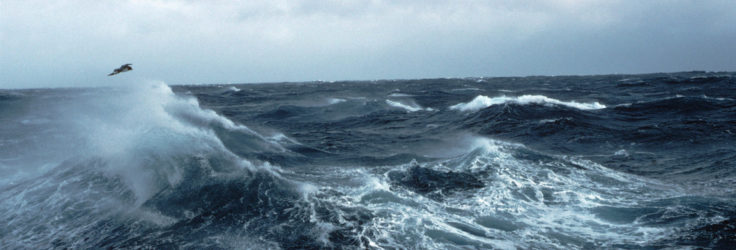
SiCLING studies how silicon cycles in Arctic and Antarctic glacial environments and how these cycles affect marine ecosystems and carbon flow.