The effects of long-term changes in the Earth’s magnetic field
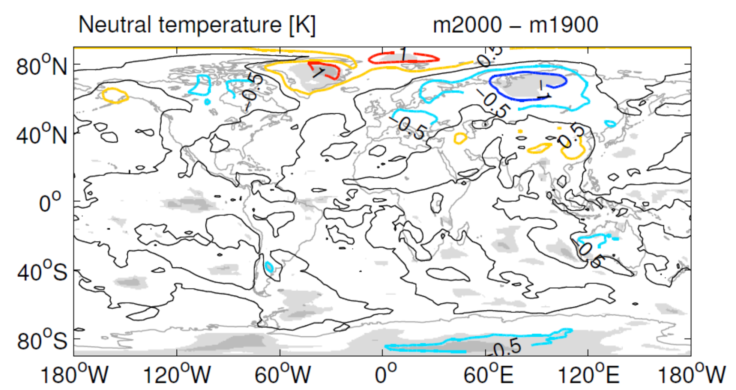
The effects of long-term changes in the Earths magnetic field on the atmosphere understanding the past predicting the future.

229 to 240 of 303 results
The effects of long-term changes in the Earths magnetic field on the atmosphere understanding the past predicting the future.
For centuries people have used magnetic compasses to guide them on their way and explore new territories. This has led scientists to embark on their own journeys of discovery about […]
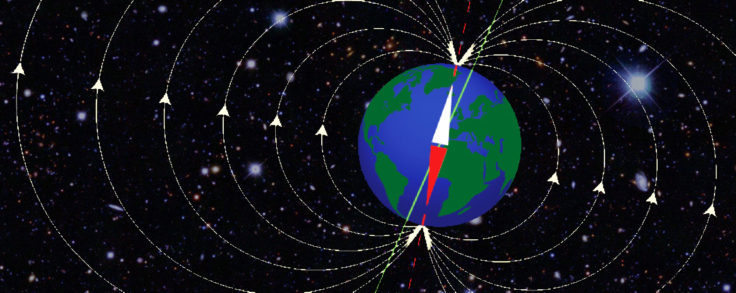
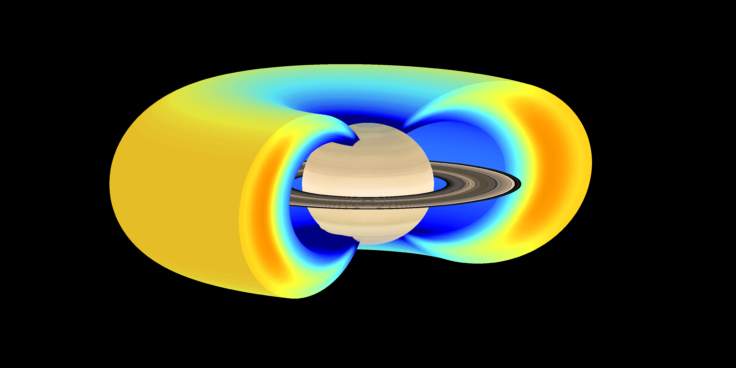
This project explored the radiation belts of the Earth, Jupiter and Saturn to help set new research goals for future spacecraft missions to the planets and develop computer models that will be of direct use to the space insurance, satellite construction and satellite service industries.
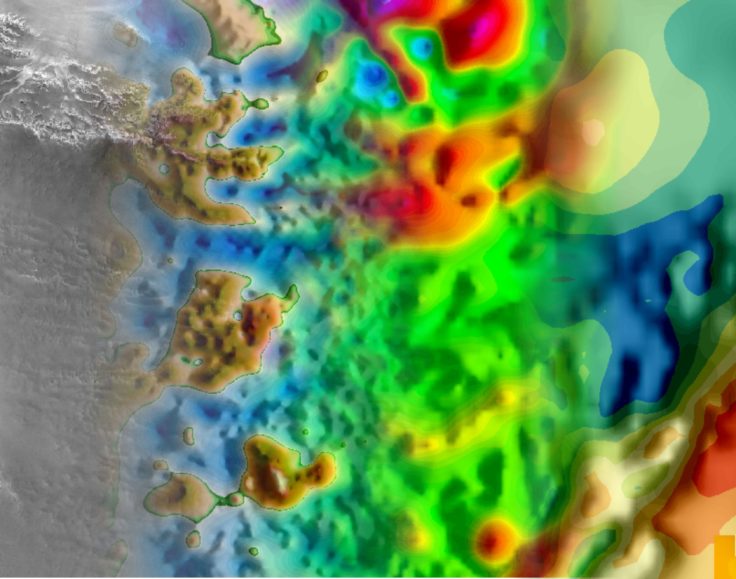
PolarGAP is an ambitious international mission to capture new and critical data about the Earth’s global gravity field.
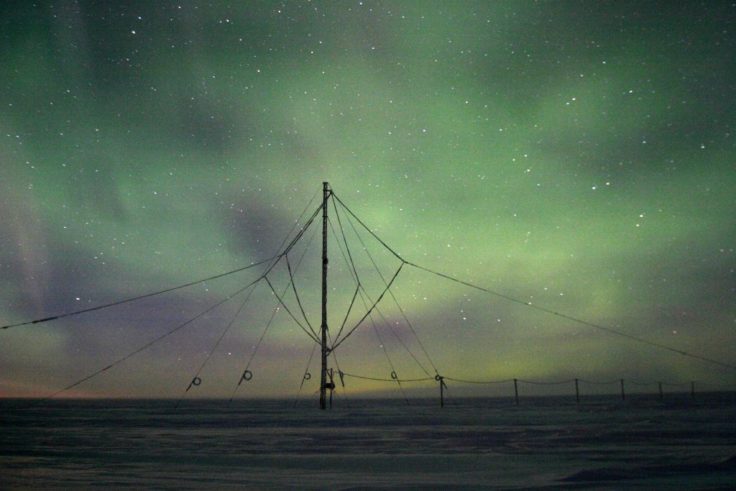
The objective of QEPPA is to work out the amount of charged particles that hit our atmosphere during space weather events in order to improve how our models represent this effect on our atmosphere and climate.
Swath bathymetry Most ice is lost from Antarctica through ice streams. To better predict the future of the Antarctic ice sheet it is important that we improve our understanding of […]

Ice layers Radio waves can be transmitted down through an ice sheet, ice stream or glacier and are reflected off the internal layers in the ice as well as off […]
Volcanic ash Ice cores are cylinders of ice (approximately 10cm wide) drilled out of an ice sheet or glacier. On the East Antarctic Ice Sheet, these can be up to […]
Krill ball Antarctic krill are a key species in the Antarctic ecosystem. They are a consumer and re-packager of phytoplankton (algae) and therefore part of the biological carbon pump; they […]
Thin section Thin sections of geological samples viewed under cross-polarised light can reveal valuable information about the origin of the rocks they come from. This helps understand the geological process […]
SO-AntEco was a British Antarctic Survey (BAS) led expedition undertaken in conjunction with an international team of scientists from the Scientific Committee for Antarctic Research (SCAR) AntEco research programme.

The heated settlement panels project tested how marine life responded to warmer oceans. The focus was on the waters of the Antarctic Peninsula, one of the fastest-warming regions on Earth