Darwin Plus SO Red Listing
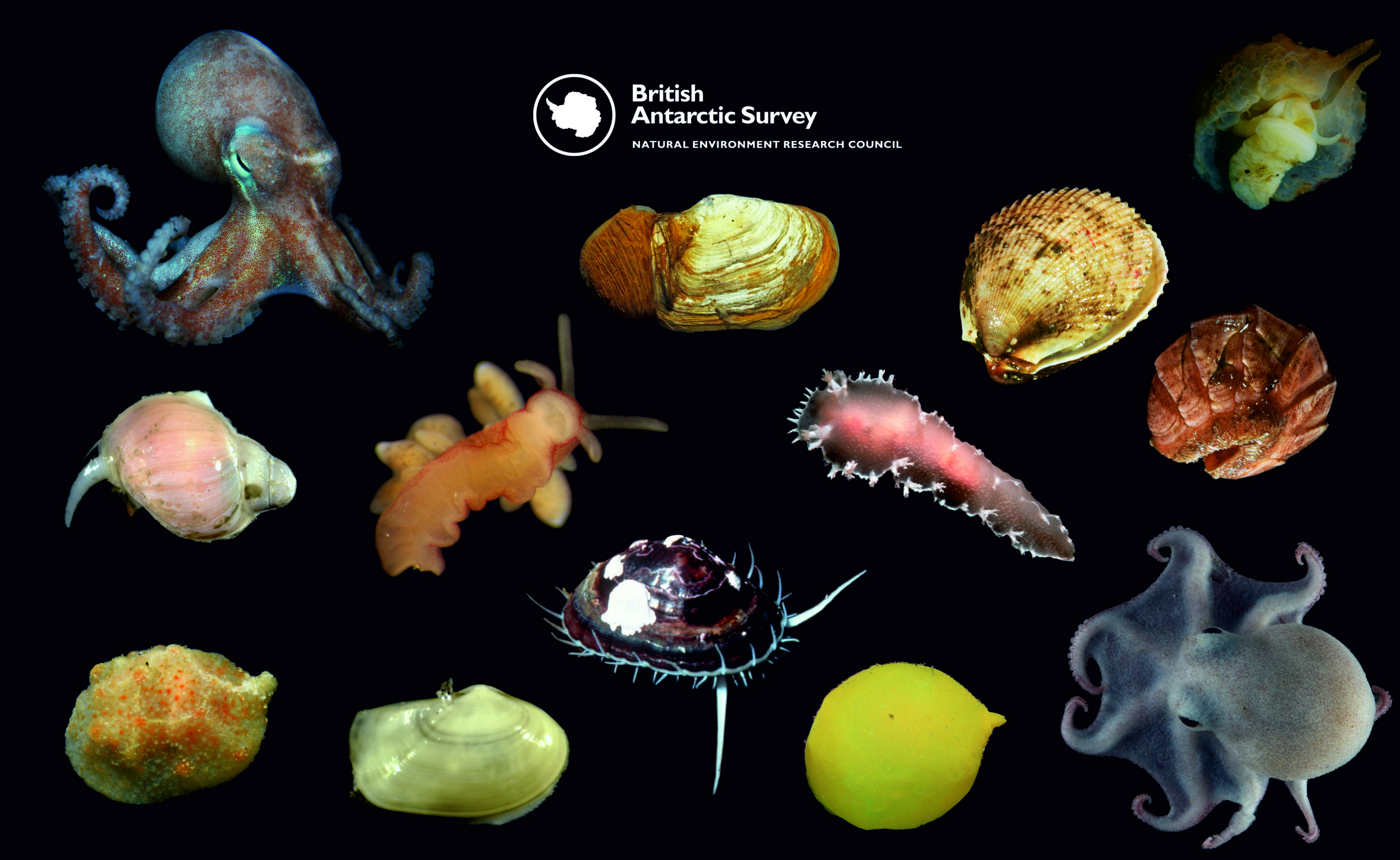
The first Red List for Antarctic and Subantarctic marine molluscs, for the British Antarctic Territory, Falkland Islands, South Georgia and South Sandwich Islands, funded by Darwin Plus.

85 to 96 of 263 projects
The first Red List for Antarctic and Subantarctic marine molluscs, for the British Antarctic Territory, Falkland Islands, South Georgia and South Sandwich Islands, funded by Darwin Plus.

DATA AS ART visualises science data to create stunning and thought-provoking artworks, using real Antarctic data-sets that explain important and exciting science stories.
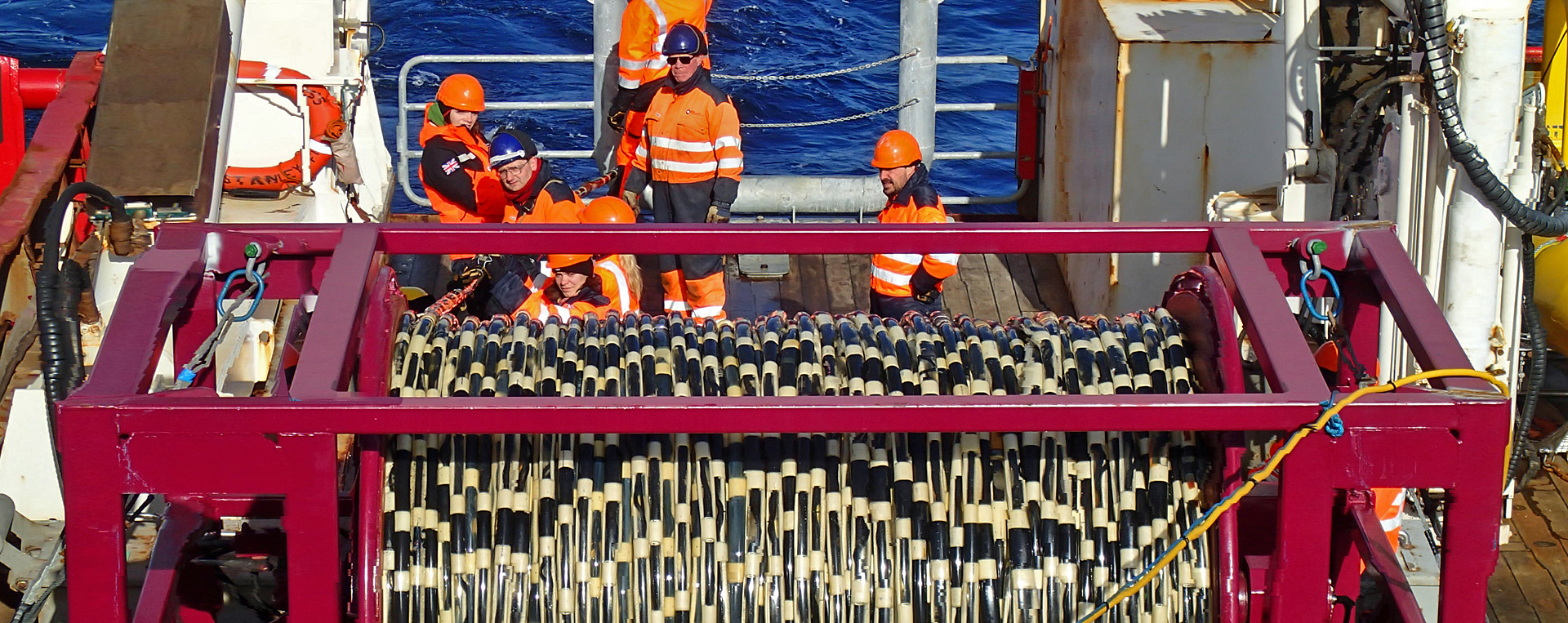
During this project essential survey data was collected to help plan future deep ocean drilling expeditions.
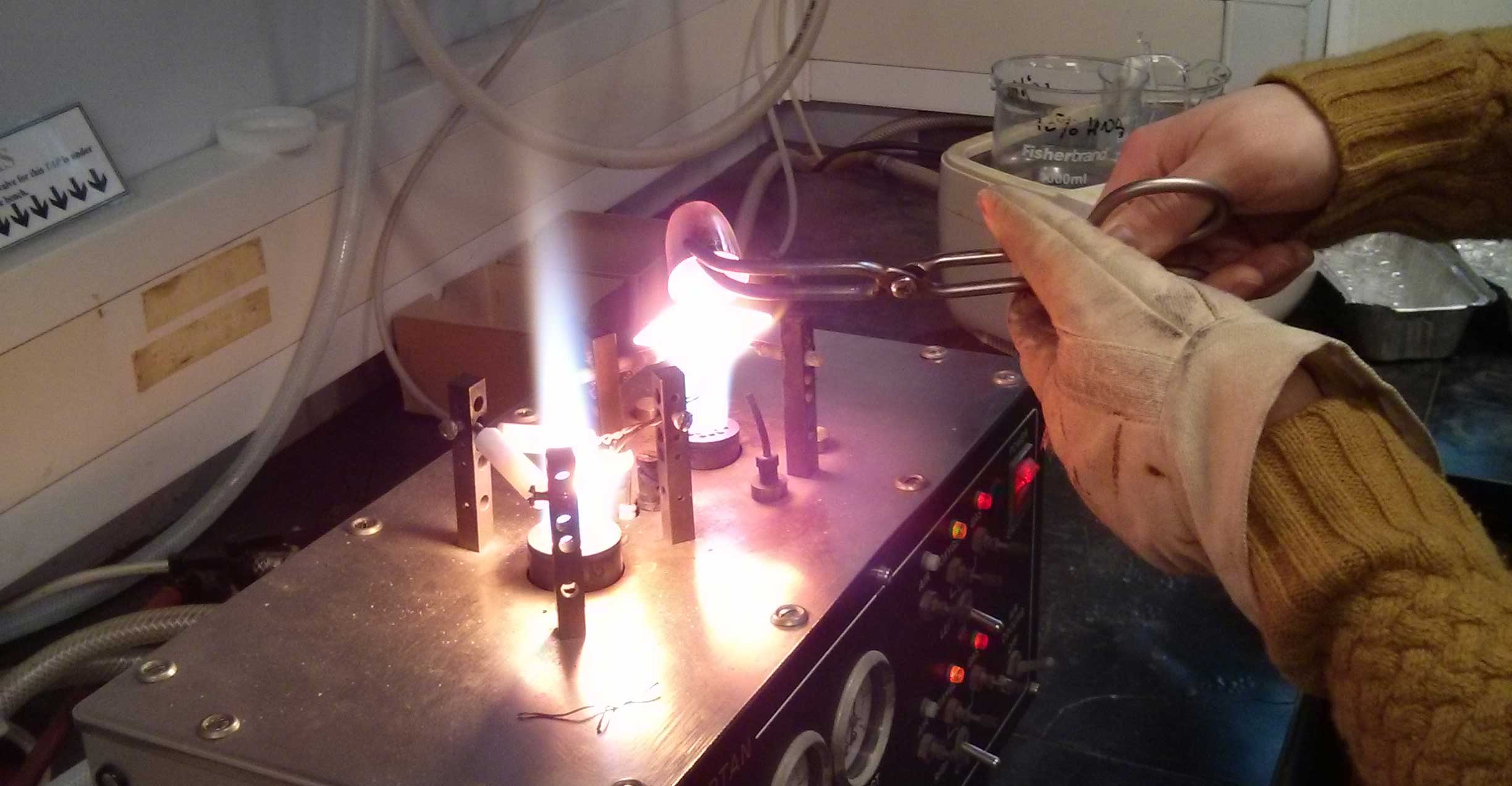
This research project explored using remote sensing to locate rare earth element deposits.
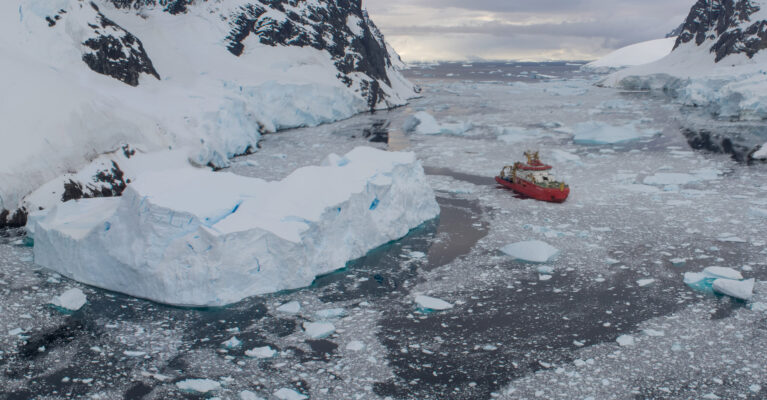
This project is developing digital twins of Antarctic and Arctic environments and resources. A digital twin makes it possible to test “what if” questions far more quickly than traditional computer models.
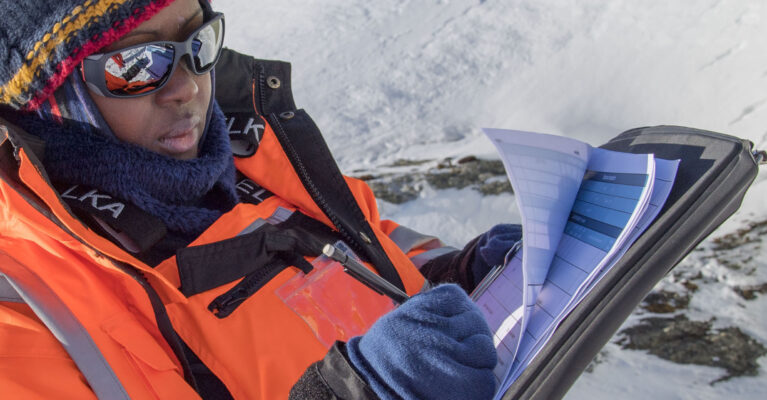
This initiative promotes diversity and inclusion in UK polar science, and supports underrepresented groups
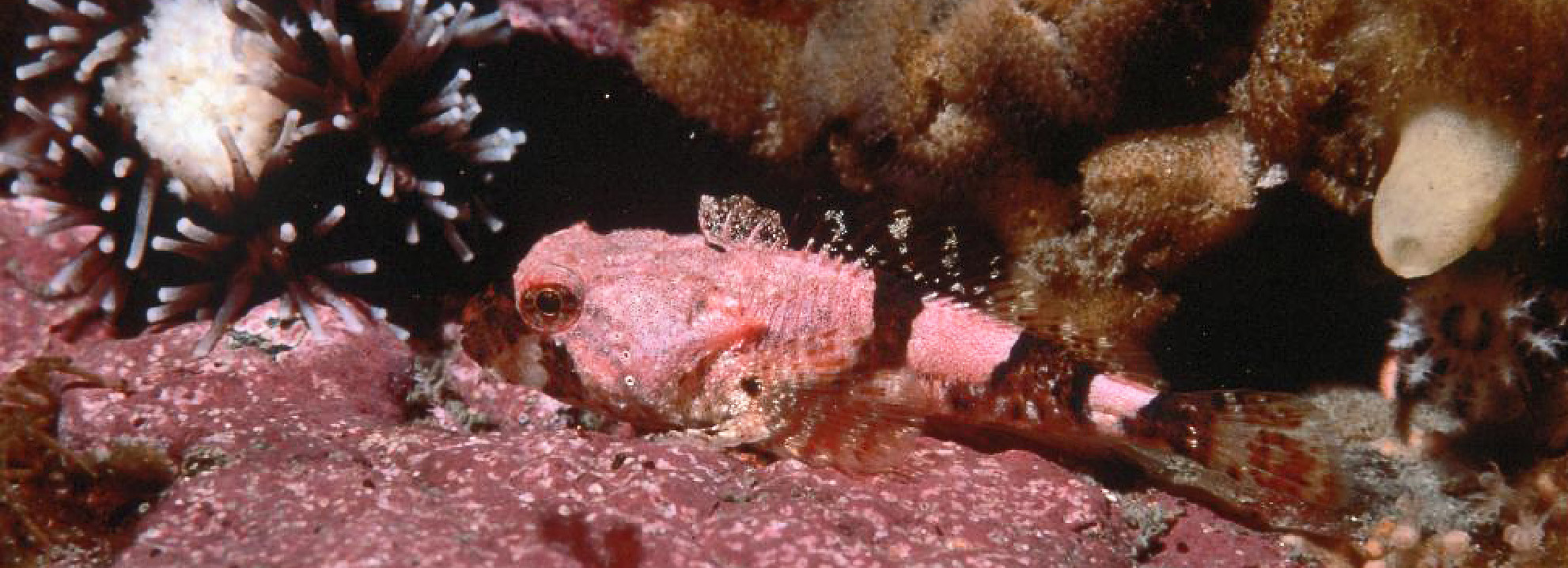
Dynamic Live Cell Imaging investigated how Antarctic marine organisms, particularly fish, function at temperatures below 0°C
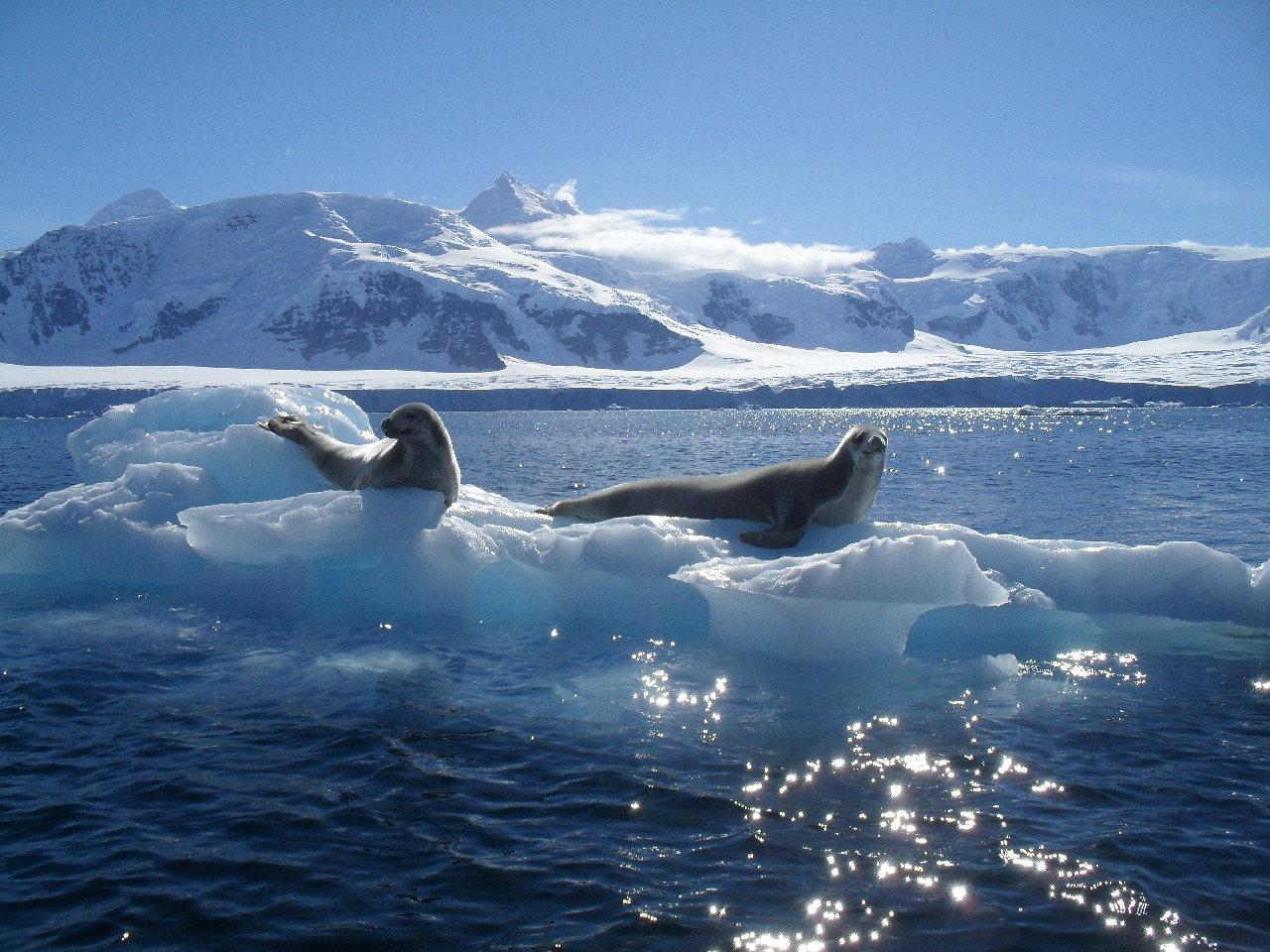
The Copernicus marine environment monitoring service provides regular and systematic reference information on the state of the physical oceans and regional seas.
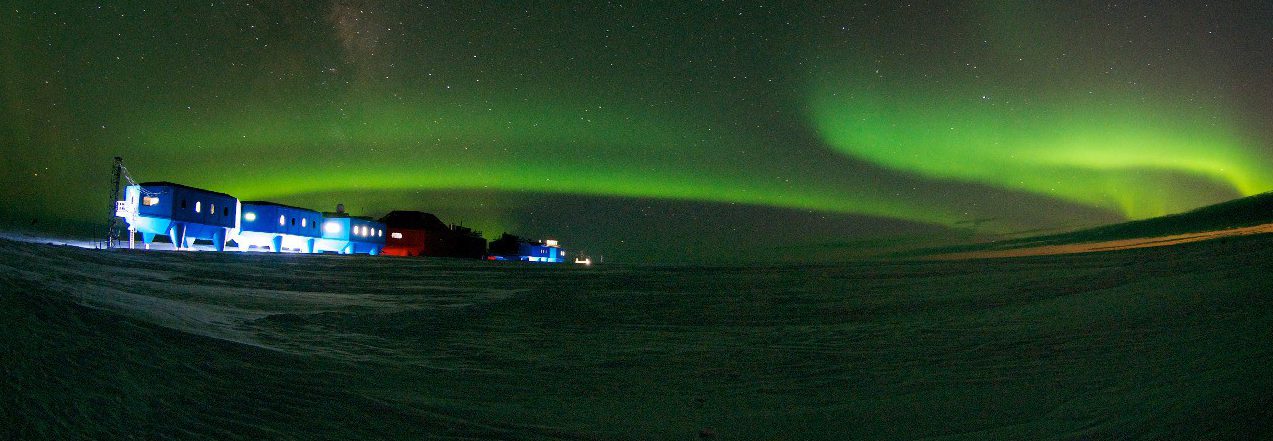
PADIE (Pitch-Angle Diffusion of Ions and Electrons) is a computational model developed at BAS that calculates how electromagnetic waves affect charged particles in radiation belts.
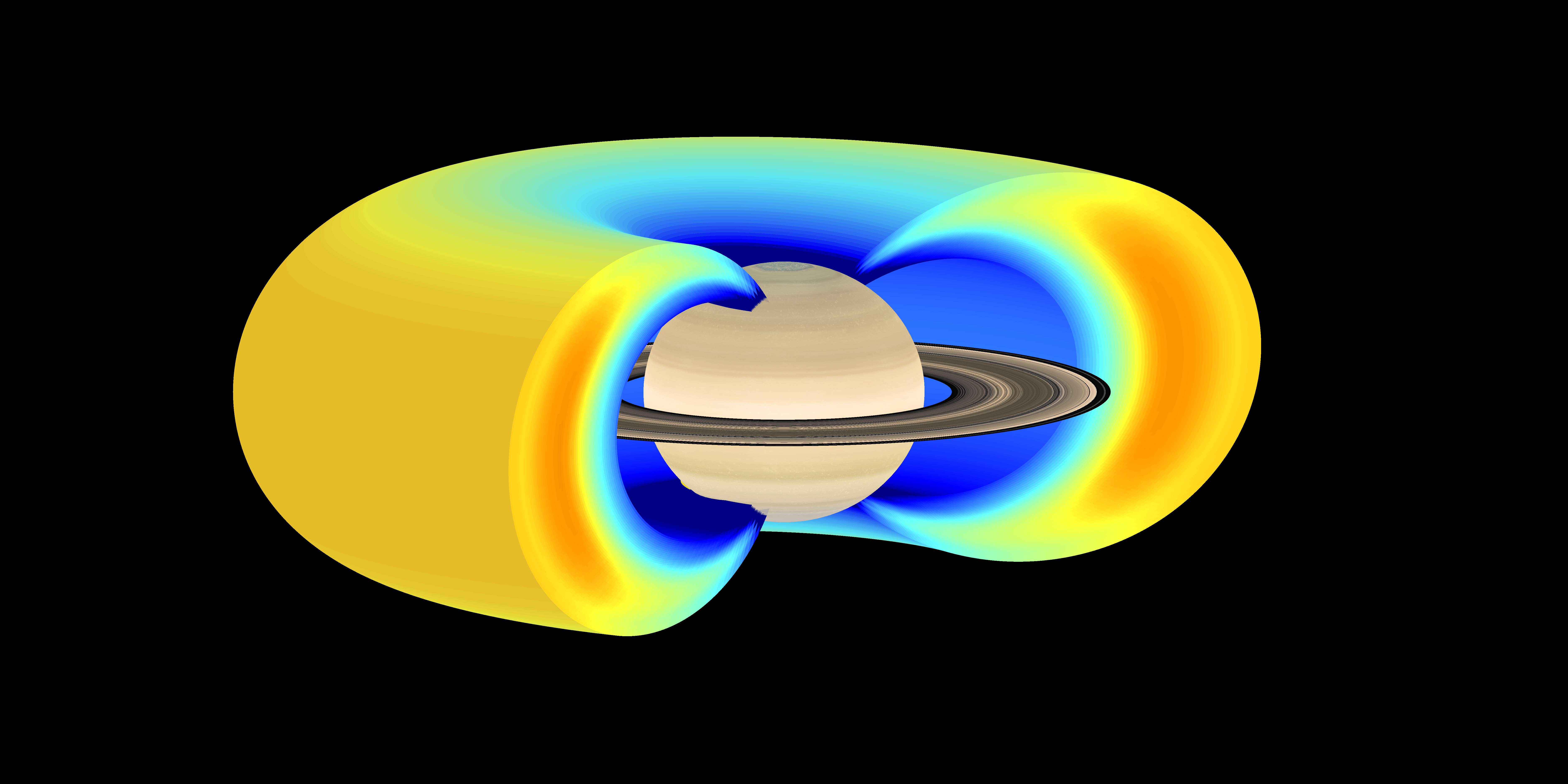
This project explored the radiation belts of the Earth, Jupiter and Saturn to help set new research goals for future spacecraft missions to the planets and develop computer models that will be of direct use to the space insurance, satellite construction and satellite service industries.
Embeddable maps for visualising simple features on a suitable basemap.

A strategic framework to connect science and society