Water Resources of the Upper Indus Basin
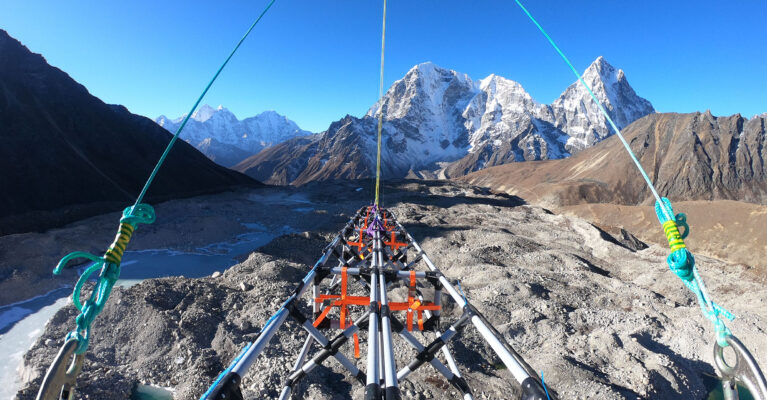
This project investigated how much water is stored in the glaciers and snow of the Upper Indus Basin, and how climate variability influences water availability.

253 to 264 of 266 projects
This project investigated how much water is stored in the glaciers and snow of the Upper Indus Basin, and how climate variability influences water availability.
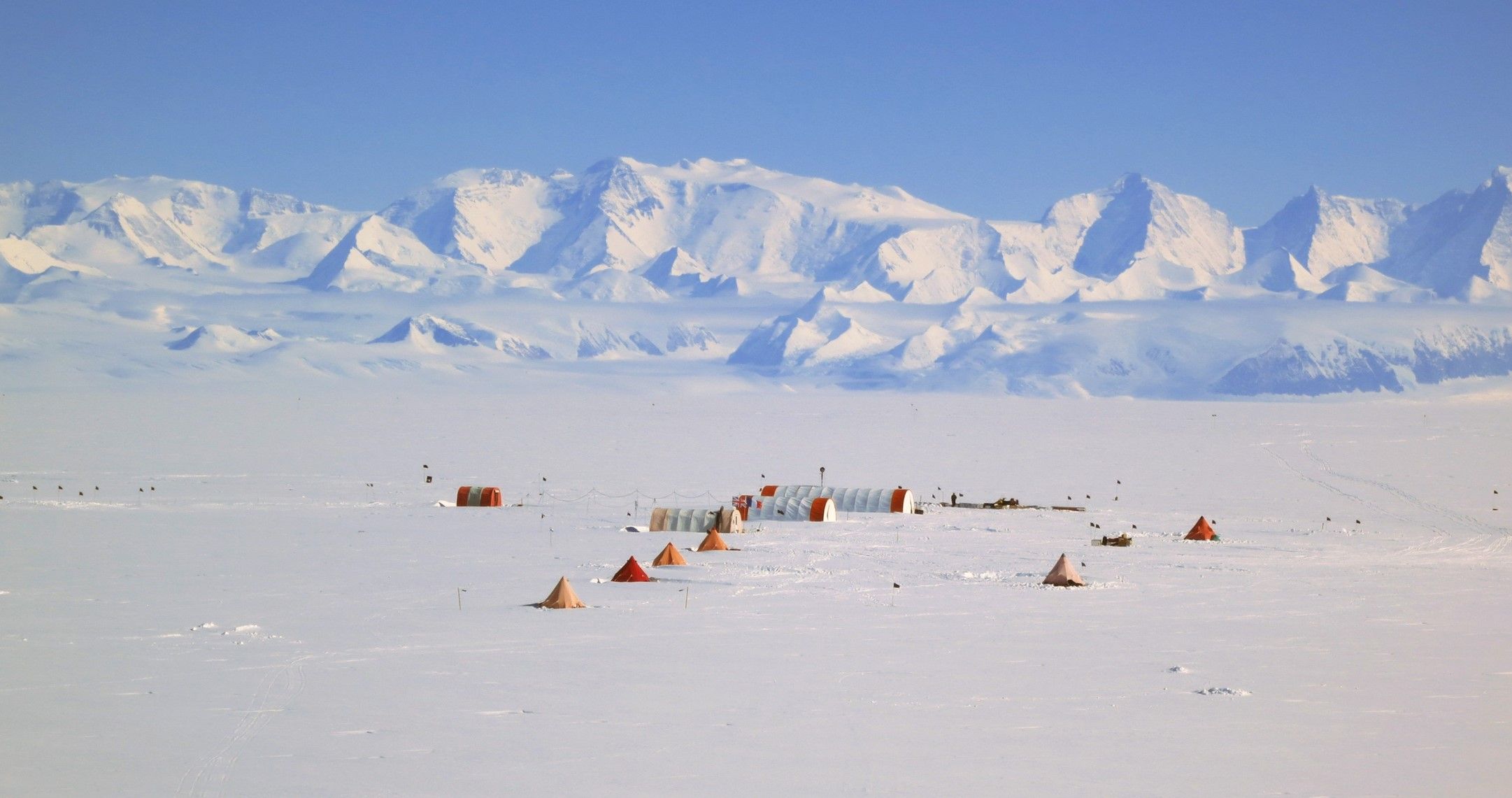
Studying ice response during past climate changes improves understanding of Antarctic ice sheet dynamics. This knowledge helps predict how ice sheets may behave under future warming scenarios.
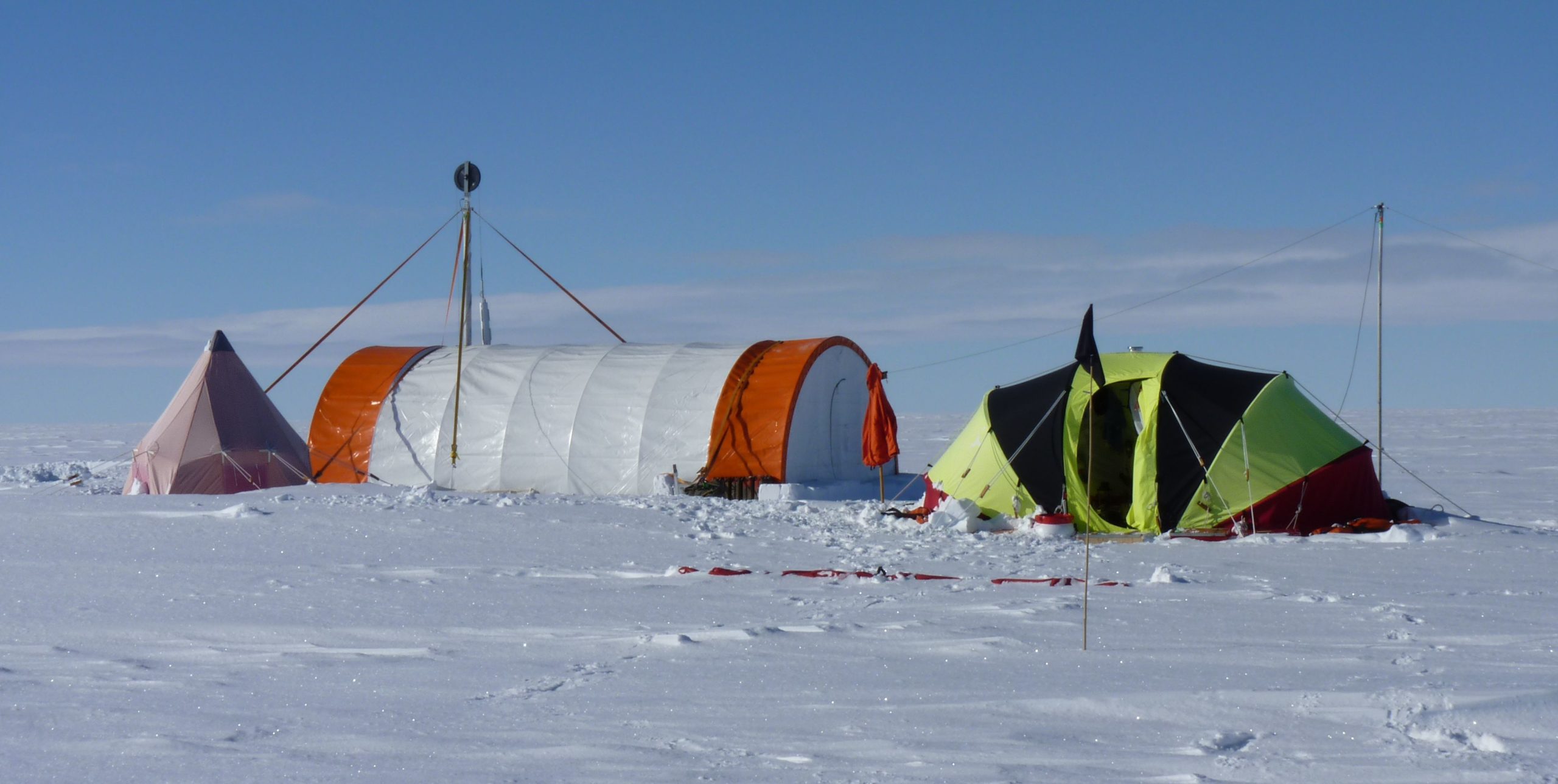
This project used ice core chemical and biological tracers, including marine diatoms swept onto the ice sheet by wind, to reconstruct 300 years of wind strength and atmospheric circulation patterns in West Antarctica.
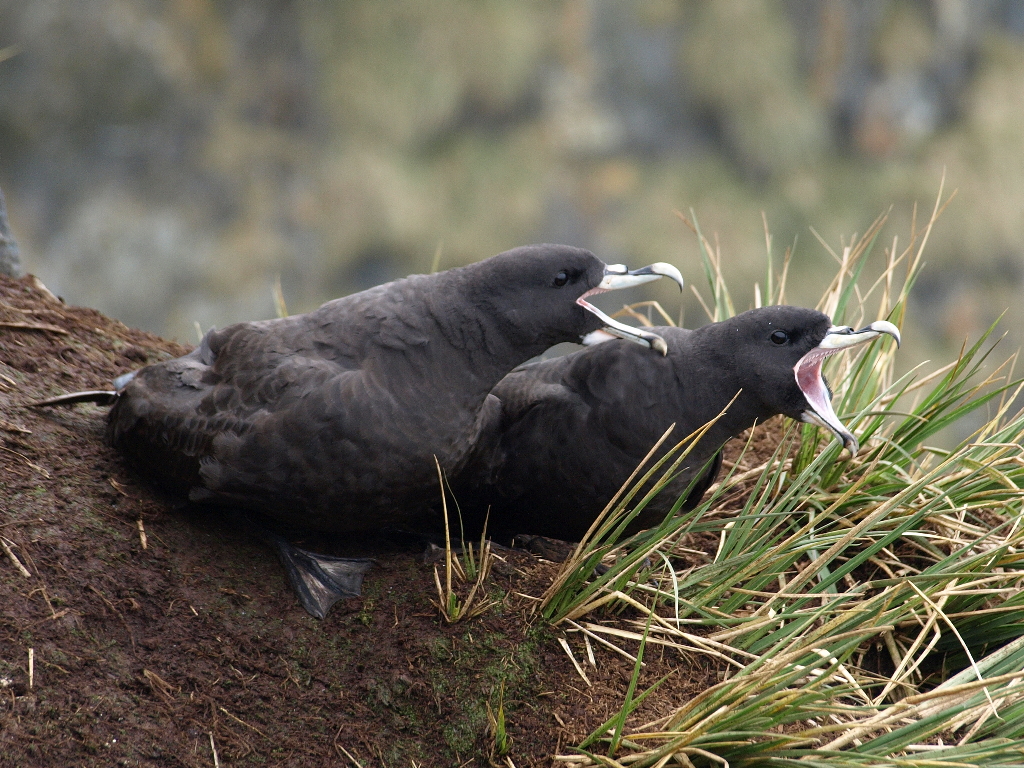
13 satellite tags were attached to white-chinned petrel chicks prior to their departure from Bird Island. The birds were tracked in near real-time using the Argos system.
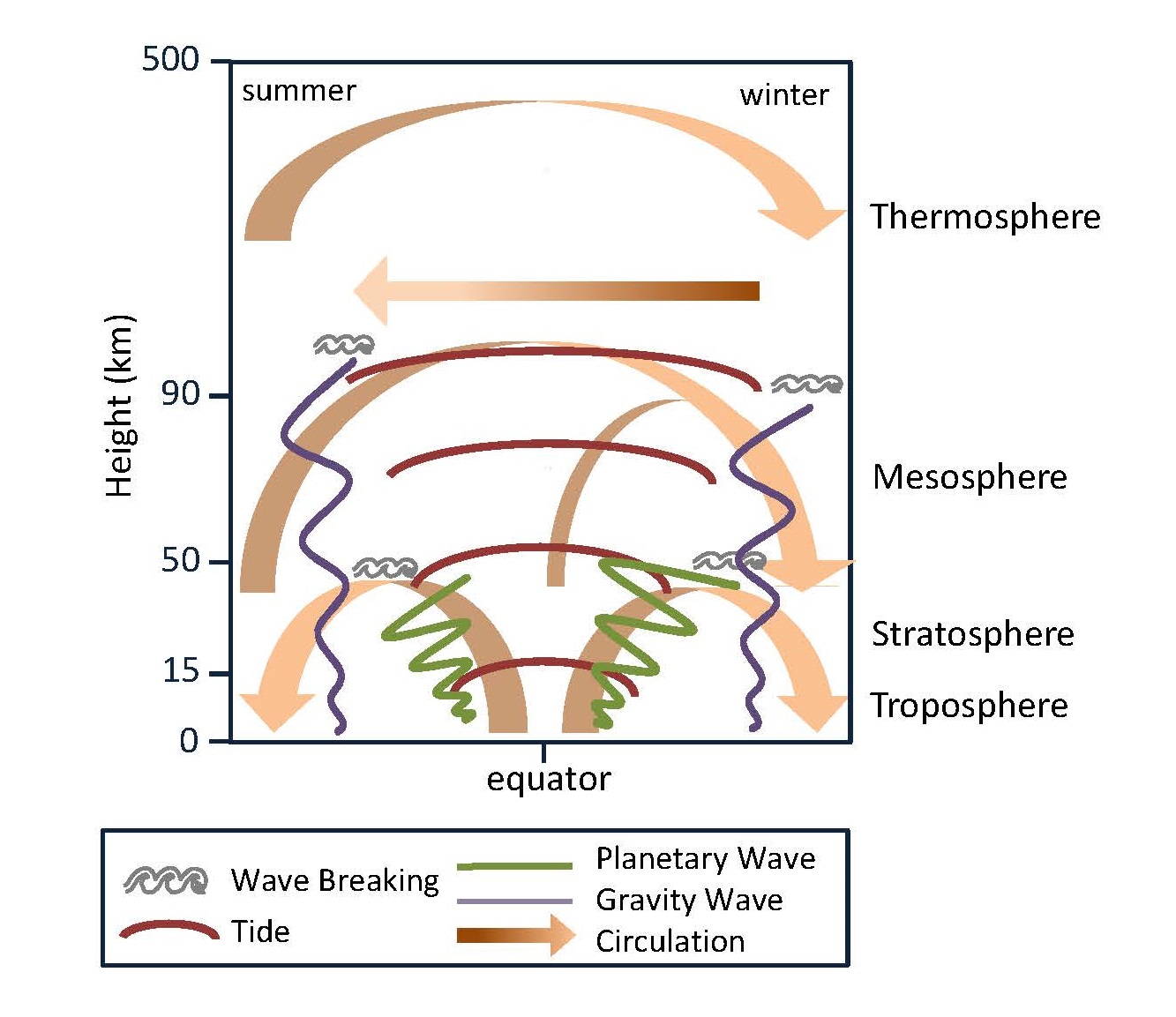
Whole Atmosphere Climate Change project investigated how human-driven climate change in the lower atmosphere affects upper atmosphere conditions up to 500 km altitude.
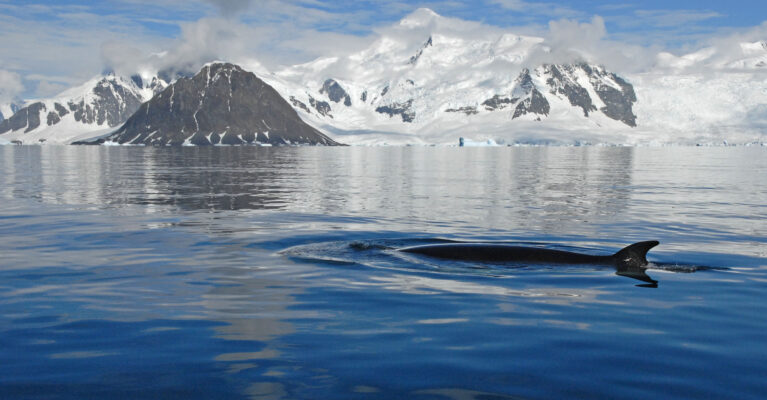
WWWARP used underwater acoustic recorders at South Georgia to monitor whale recovery.
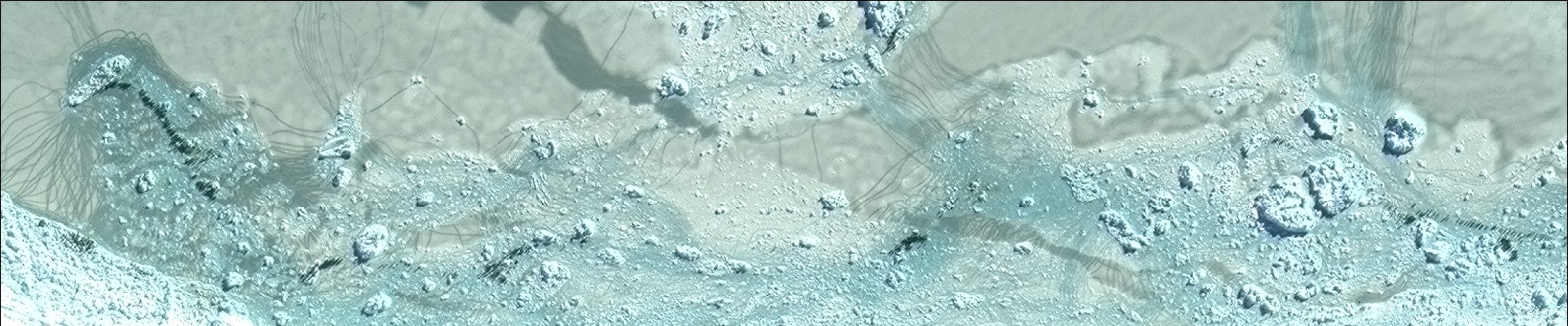
Many populations of wildlife are remote, inaccessible or difficult to monitor. The advent of sub-metre, Very-High-Resolution (VHR) satellite imagery has enabled us study these animals in a much more efficient way.
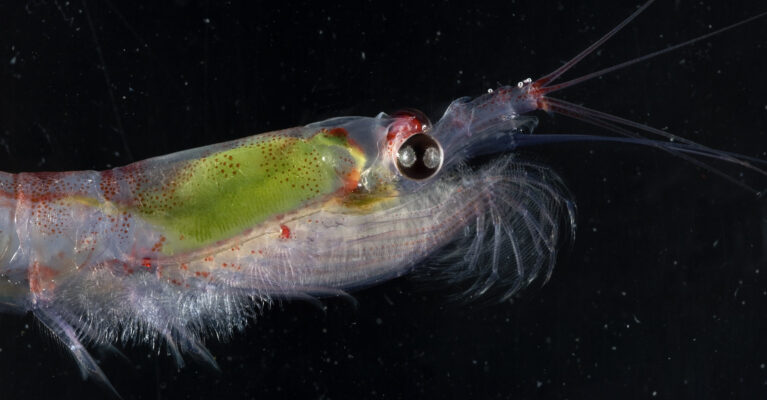
The winter krill project monitors Antarctic krill and predator overlap around South Georgia. Research informs conservation and ecosystem management.
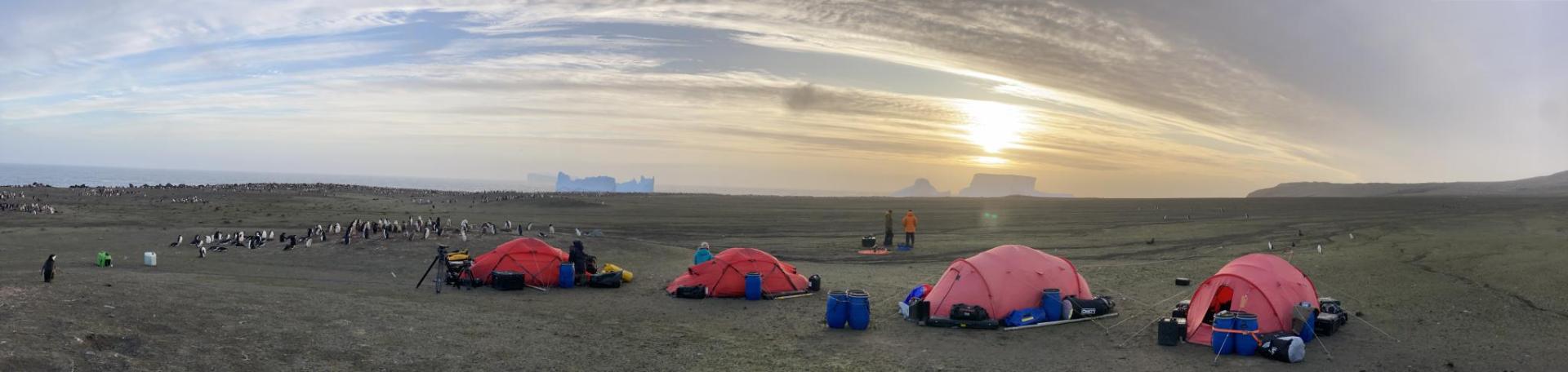
The first comprehensive scientific survey of Zavodovski Island, home to the world’s largest penguin colony.
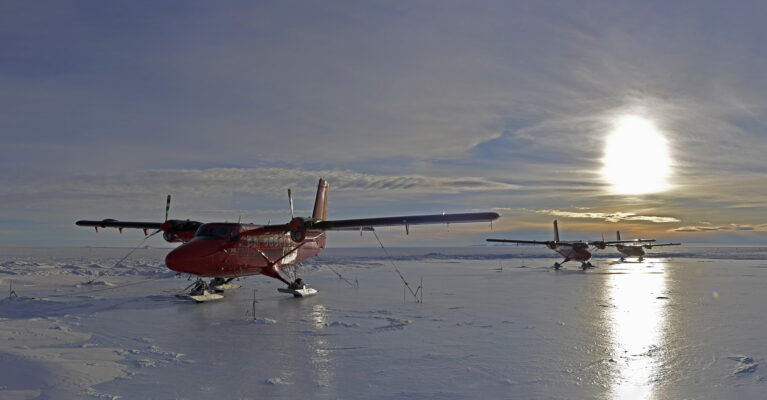
The Rothera Air Infrastructure project is part of the Antarctic Infrastructure Modernisation Programme (AIMP) future phases.
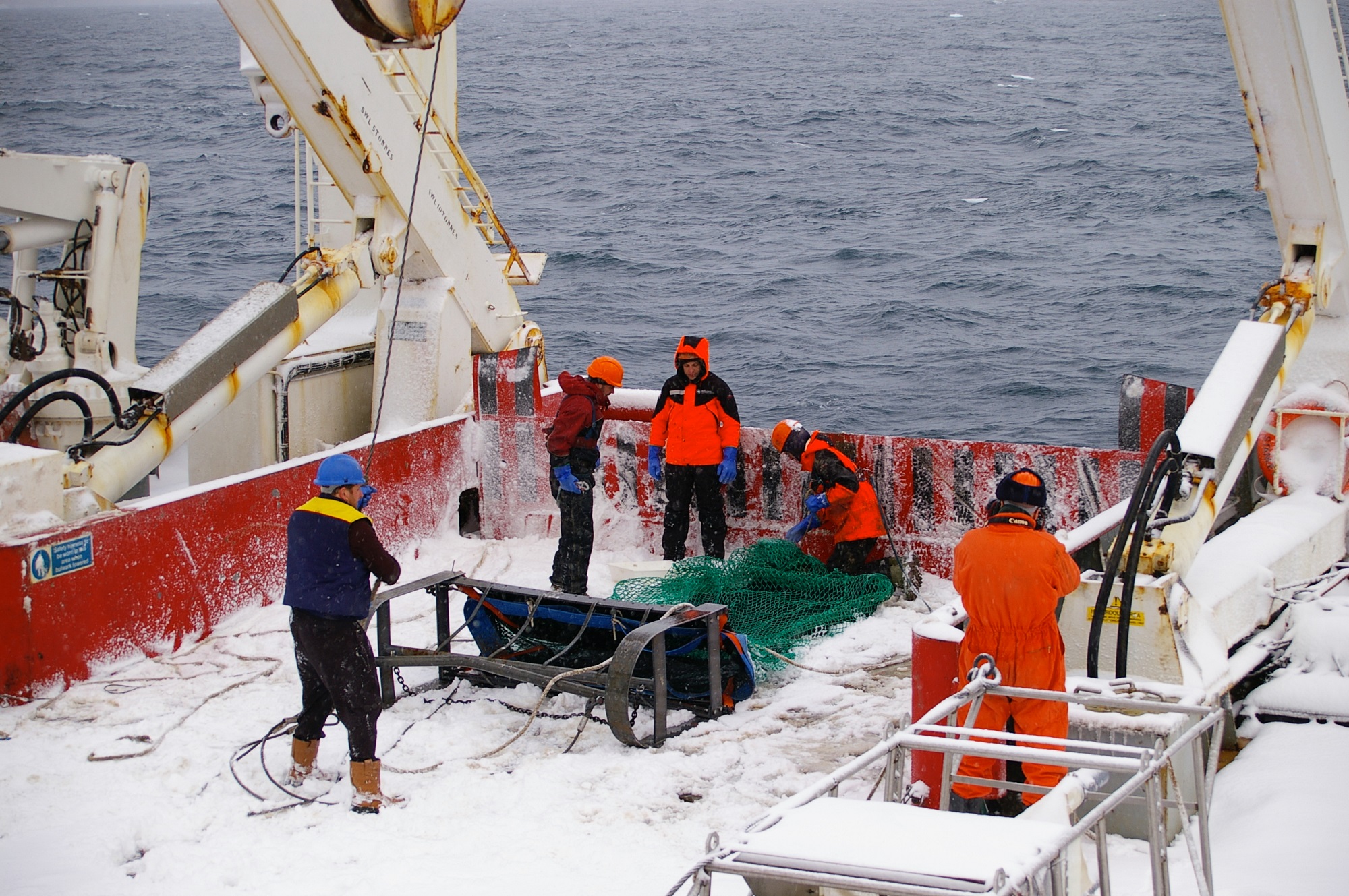
A new research platform to put UK scientists at the forefront of polar science

The key objective is to identify and implement management techniques which will as far as possible be sympathetic to wildlife and encourage native species, in order to sustain and enhance biodiversity at BAS Cambridge.