Bedmap
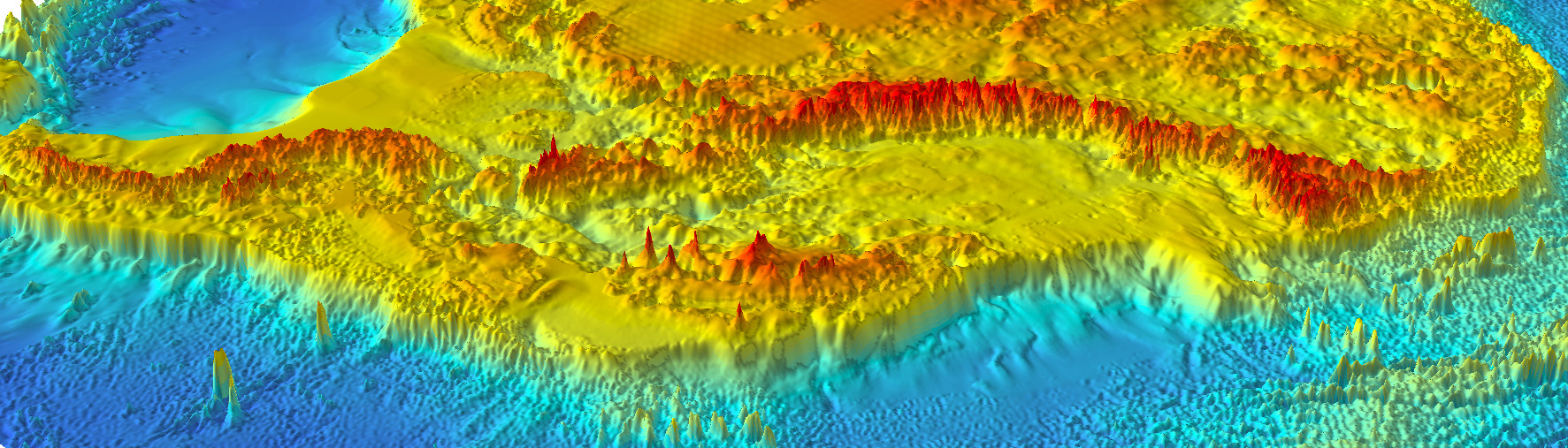
Bedmap is a collaborative community that has produced maps and datasets of Antarctic ice thickness and bed topography

73 to 84 of 268 projects
Bedmap is a collaborative community that has produced maps and datasets of Antarctic ice thickness and bed topography
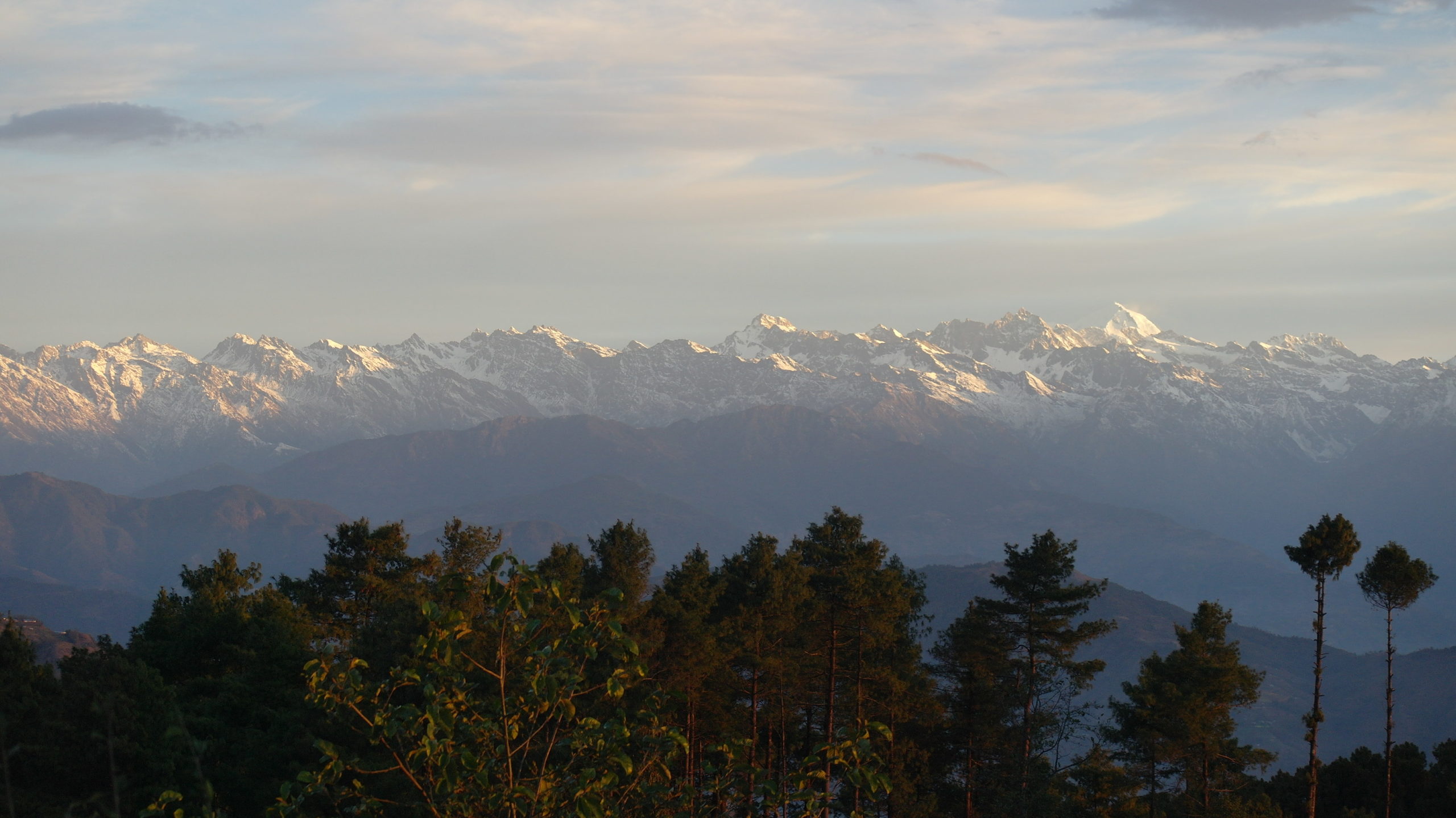
Bedmap Himalayas measures how much water is stored as glacier ice in High Mountain Asia by mapping ice thickness using radar.
Bedmap2 is a suite of gridded products describing surface elevation, ice-thickness and the sea floor and subglacial bed elevation of the Antarctic.
Bedmap3 is a collaborative community project with the aim to produce a new map and datasets of Antarctic ice thickness and bed topography.
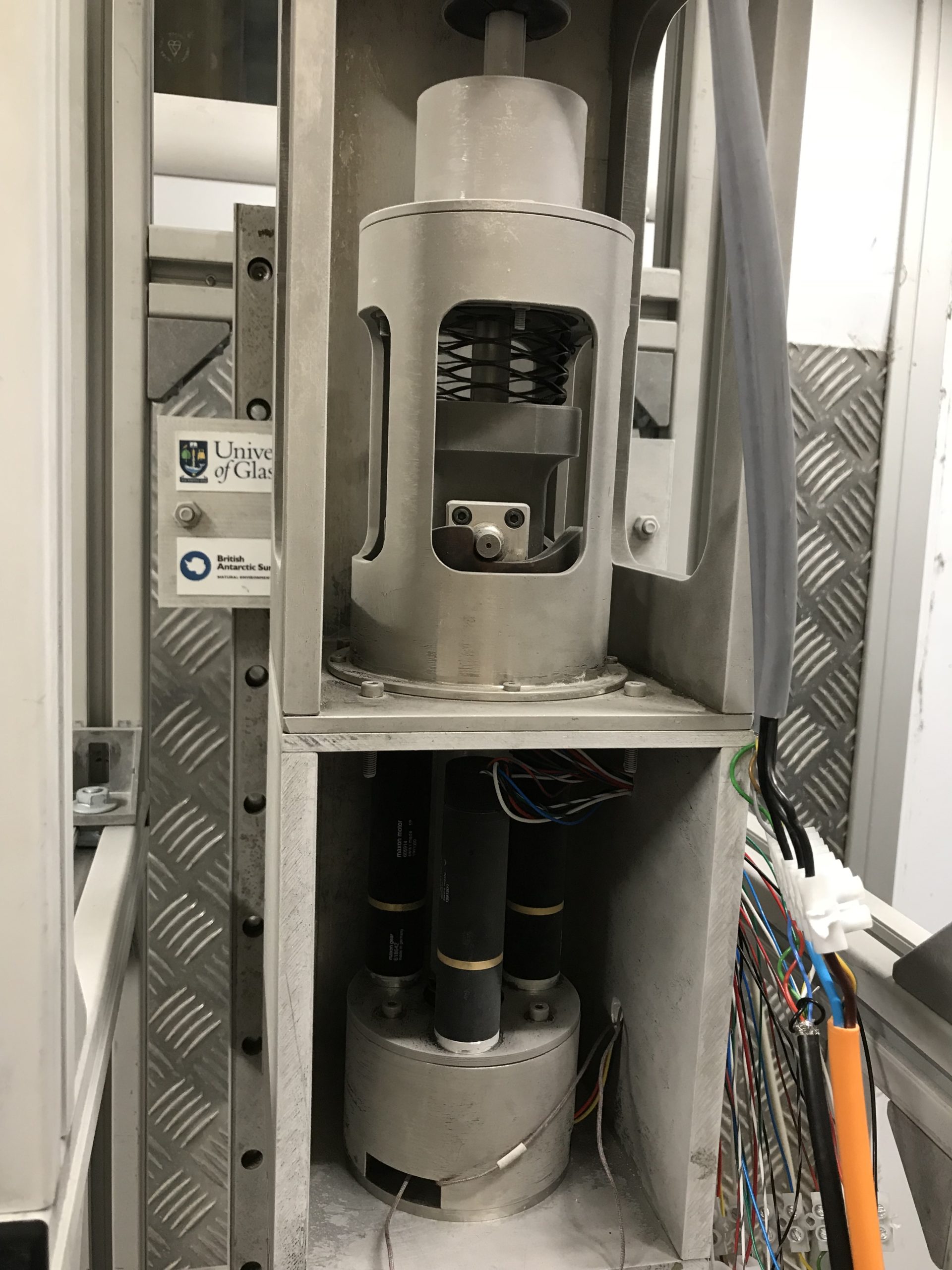
In this project samples of bedrock were analysed to determine how long they have been shielded from the sun, and that could tell us how long ago the ice sheet formed, even if the first ice has long gone.

This project ensures the protection and conservation of the region’s rich and diverse marine life, whilst allowing sustainable fisheries.

The overall objective of this project is to link habitat preference, at-sea activity patterns and detections from novel bird-borne radars to quantify interactions of tracked wandering albatrosses with legal and IUU fishing vessels.

Mars Analogues for Space Exploration

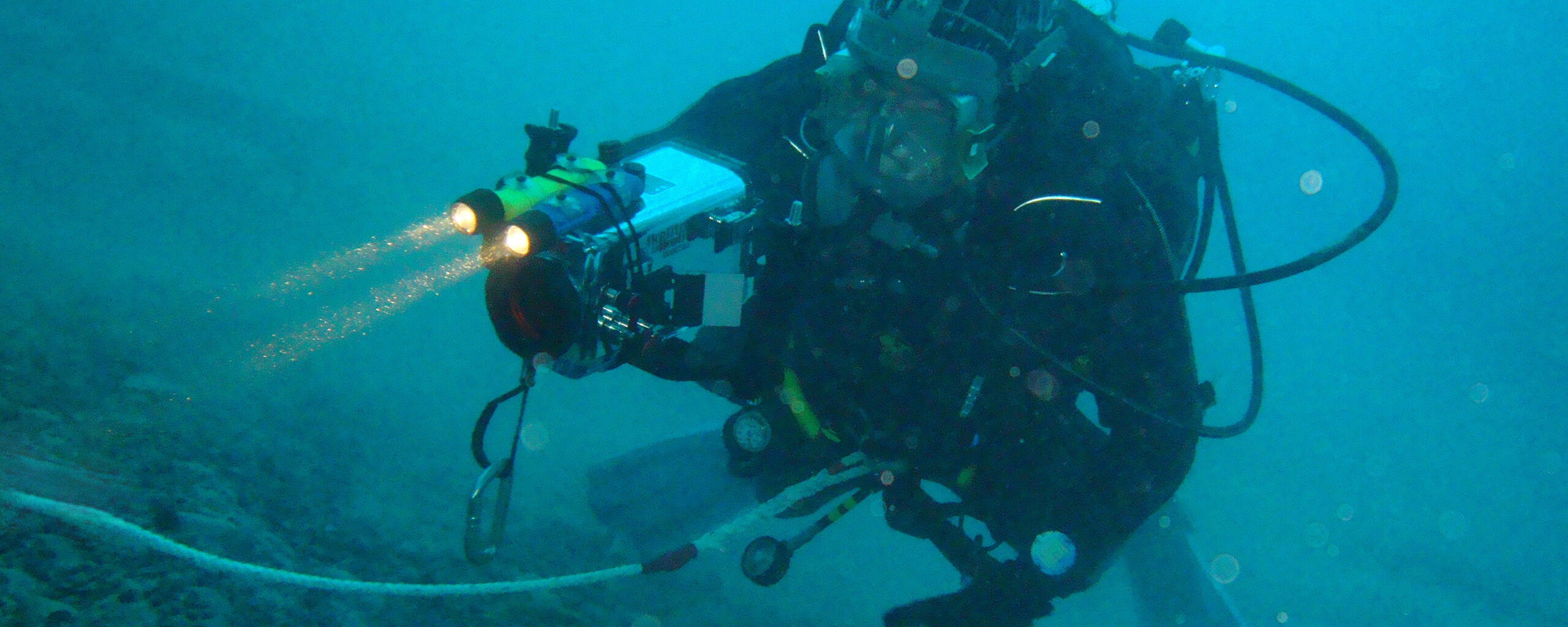
The ASCCC Project investigates, quantifies and understands the role of polar and subpolar seabeds in the carbon cycle, particularly in response to climate change.

Baseline study to monitor how marine biodiversity will respond to climate change

The study aimed to map penguin foraging ranges during the breeding season to assess whether existing 50 km coastal fishing exclusion zones adequately protect these krill-dependent seabirds from potential competition with the Antarctic krill fishery.

This project studies the last Interglacial (129-116 thousand years ago, ka) when CO2 and global temperature were both higher than they were before human industrialisation. By examining Last Interglacial climate, we can gain insights into climate processes and feedbacks close to those expected by the end of the 21st century.