Electromagnetic wave effects on radiation belts
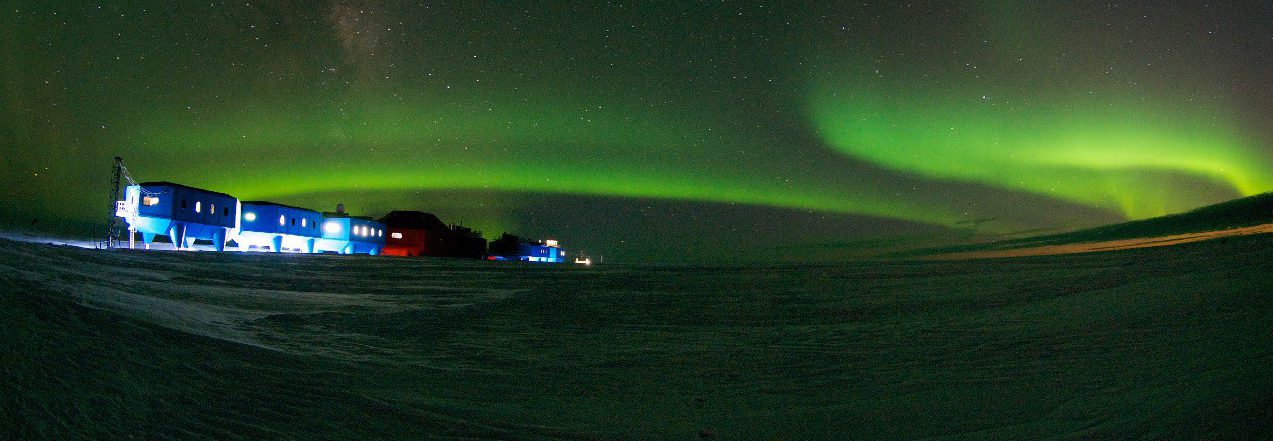
PADIE (Pitch-Angle Diffusion of Ions and Electrons) is a computational model developed at BAS that calculates how electromagnetic waves affect charged particles in radiation belts.

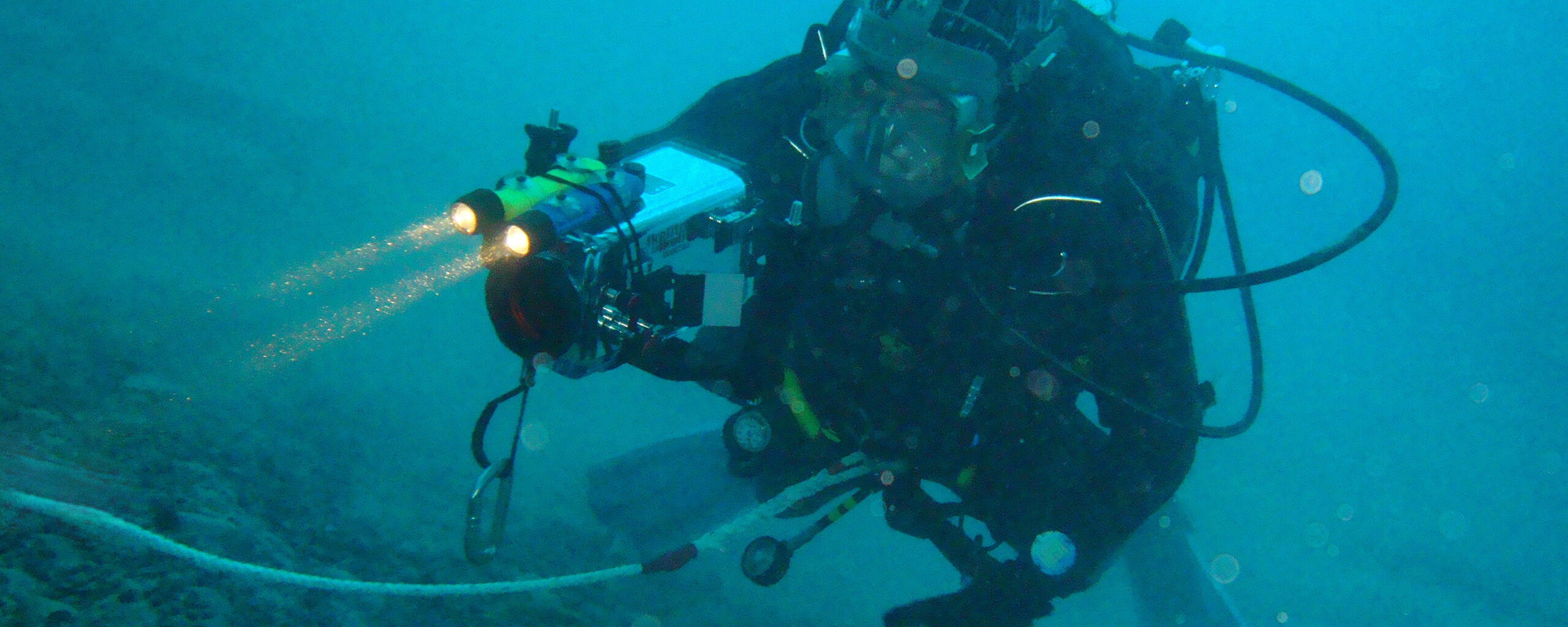
97 to 108 of 268 projects
PADIE (Pitch-Angle Diffusion of Ions and Electrons) is a computational model developed at BAS that calculates how electromagnetic waves affect charged particles in radiation belts.
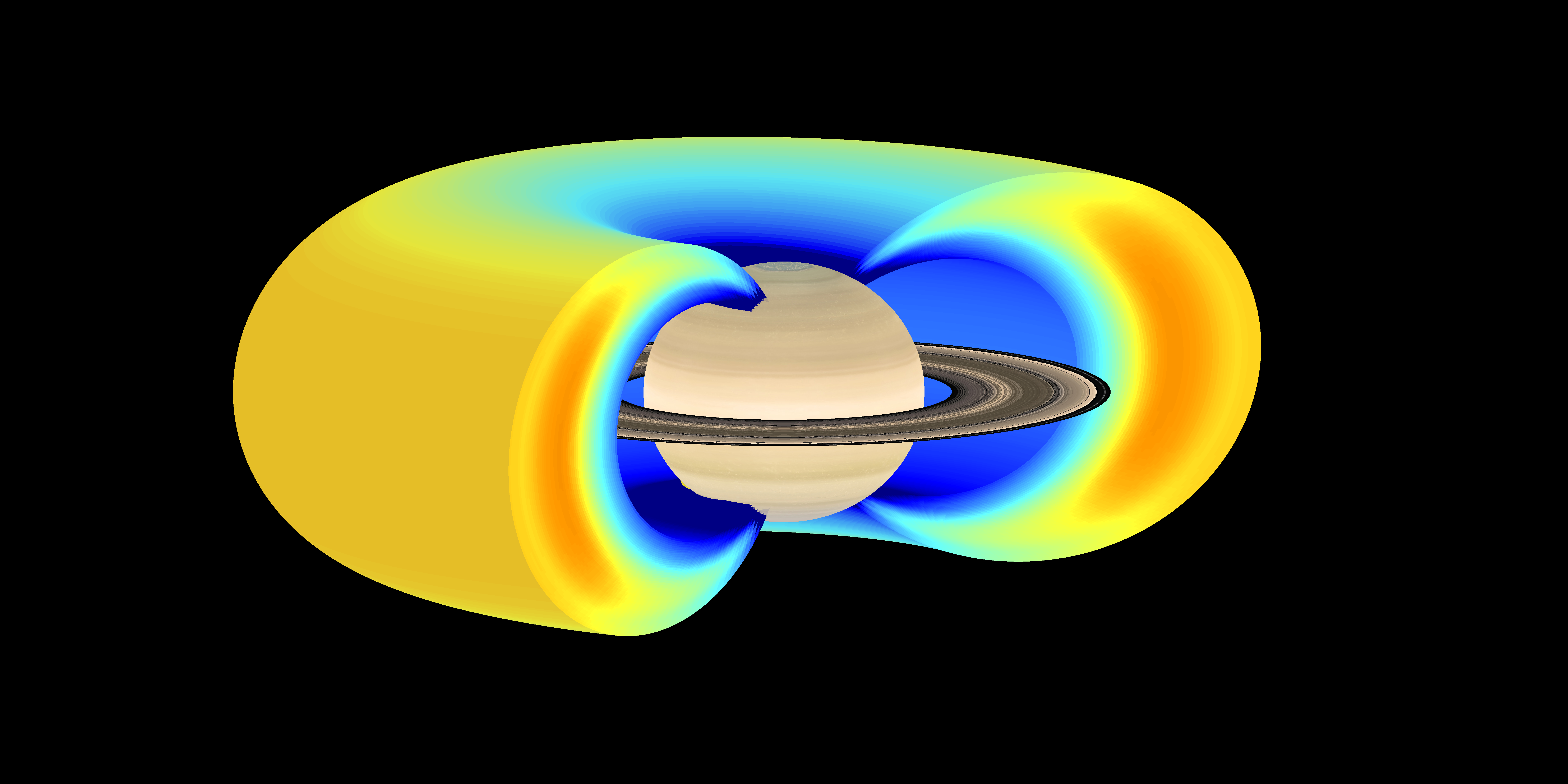
This project explored the radiation belts of the Earth, Jupiter and Saturn to help set new research goals for future spacecraft missions to the planets and develop computer models that will be of direct use to the space insurance, satellite construction and satellite service industries.

Embeddable maps for visualising simple features on a suitable basemap.

A strategic framework to connect science and society
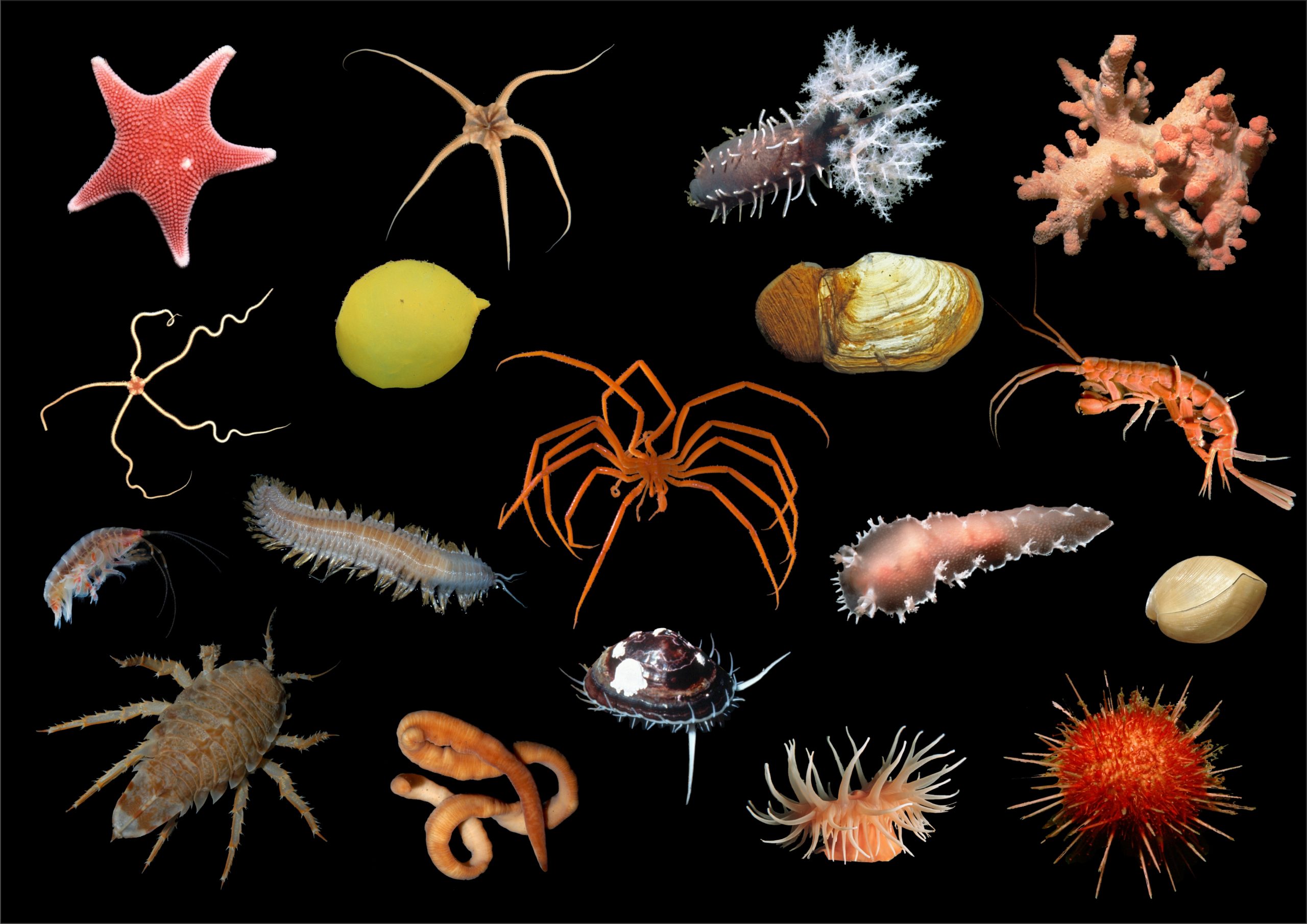
EMBRC is a group of leading European marine research centres, which is also known as a distributed Research Infrastructure. It provides access to European coastal seas and the endemic fauna, with the addition of Antarctica via BAS.

This project assesses how climate change affects Patagonian and Antarctic toothfish populations in the South Atlantic. Led by British Antarctic Survey (BAS), it focuses on the UK Overseas Territory of South Georgia & the South Sandwich Islands.

AGAP was an international effort to explore the Gamburtsev Subglacial Mountains in the center of East Antarctica.
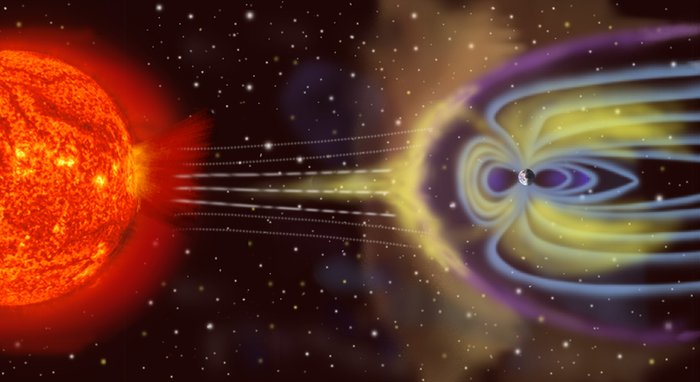
Concern at government level in the UK is such that severe space weather was added to the UK’s National Risk Register of Civil Emergencies.
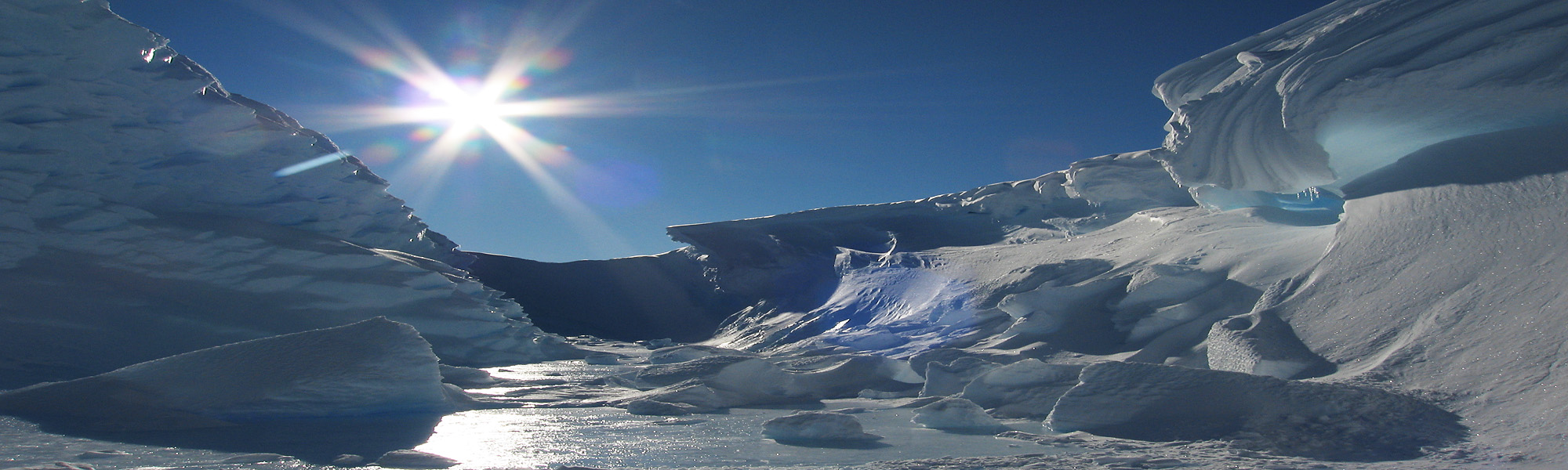
This project investigated the stability of Antarctica’s Filchner Ice Shelf to produce sea-level projections using hot water drilling, ocean measurements beneath the ice shelf, sediment coring, radar surveys and autonomous submersibles.
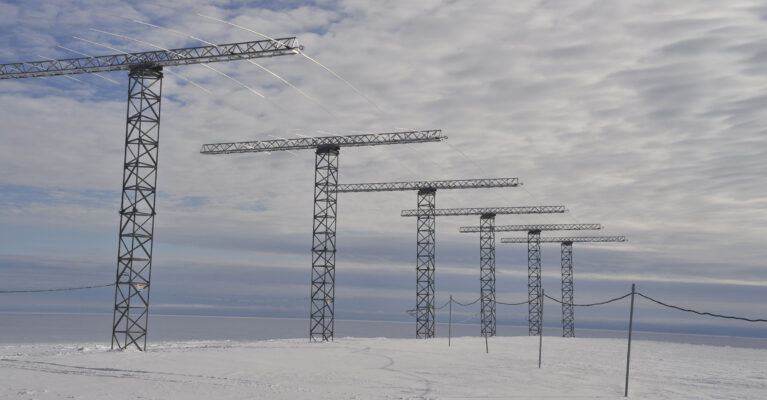
Explore the UK Polar Data Centre metadata catalogue. Please use the system to search for polar datasets held by the UK Polar Data Centre
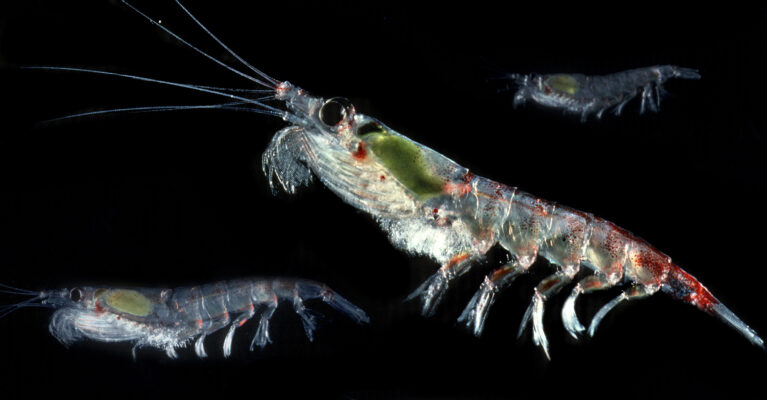
This project is improving our understanding of fish bycatch in the Antarctic krill fishery, to help support better management and conservation.
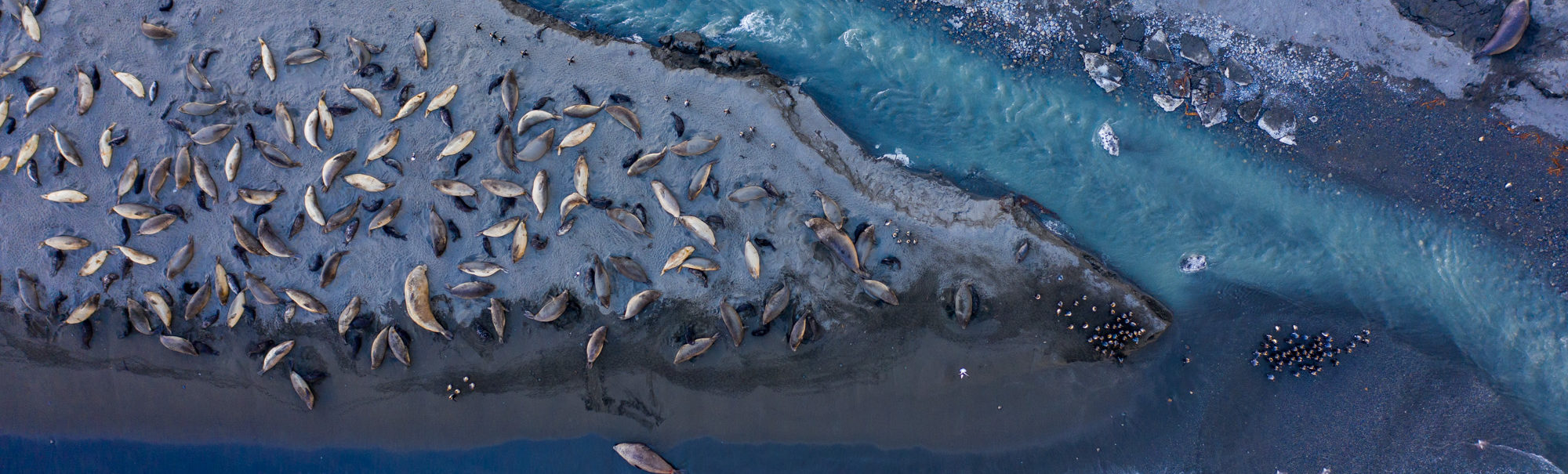
This project introduced fixed-wing drone surveys at South Georgia to monitor wildlife population changes driven by climate change and recovering seal, whale and finfish populations.