Cambridge Centre for Climate Science
The Cambridge Centre for Climate Science has been established to promote research and other activities in Climate Science.


265 to 276 of 309 results
The Cambridge Centre for Climate Science has been established to promote research and other activities in Climate Science.
Past Westerly Winds research project used climate model simulations to investigate how Southern Ocean westerly winds behaved during the last glacial maximum.

Studying ice response during past climate changes improves understanding of Antarctic ice sheet dynamics. This knowledge helps predict how ice sheets may behave under future warming scenarios.
The British Antarctic Survey airborne geophysical platform: a tool to explore the Polar Regions Because 99.6% of its surface is covered by ice up to 4.8km thick Antarctica is one […]

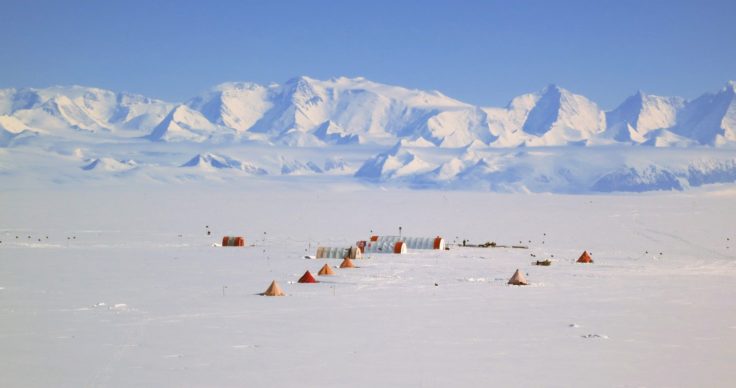
The agencies involved in this exciting project were: United States National Science Foundation (NSF); British Antarctic Survey; German Federal Institute for Geosciences and Natural Resources (BGR); Australian Antarctic Division (AAD); […]
The logistics Mission — making the science happen Years of planning and intense co-operation between national Antarctic operators were required to mount this hugely ambitious scientific expedition. Fuel, food, tents, […]
Exploring the climate history of the East Antarctic Ice Sheet and the geological structure and evolution of the Gamburtsev Subglacial Mountains were the primary goals of this flagship International Polar […]
This project attempts to reconstruct changes in the intermediate-deep ocean density gradient in the South Atlantic across the last deglaciation in order to assess the link between deep ocean stratification and atmospheric CO2.
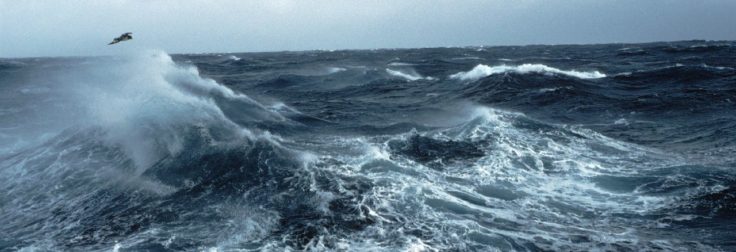
This project examines Antarctic sea-ice’s role in global climate, using marine sediment and ice core records to reconstruct past sea-ice extent.
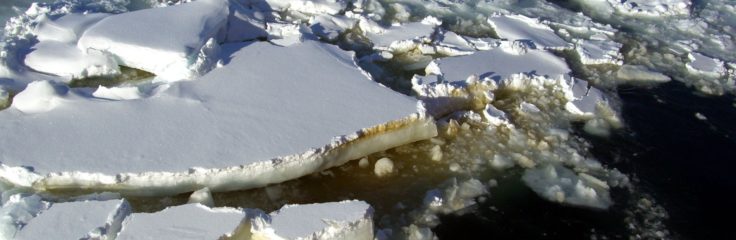
Research project investigating how shifting southern westerly winds drive warm Circumpolar Deep Water onto the West Antarctic Peninsula shelf, accelerating glacier melt, reducing sea ice, and transforming marine ecosystems.
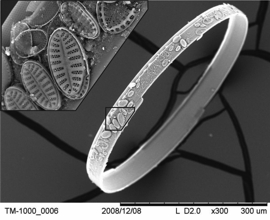
By studying the geochemistry of deep marine sediments recovered from the Southern Ocean sea floor, this research aims to establish the extent of this reorganisation of deep water circulation, and to better understand its potential impacts on past climate.

What can surface exposure dating tell us about ice sheet history? Information on the shape and size of the Antarctic Ice Sheets over the past 20,000 years is contained within […]