DATA AS ART #10
Ice layers Radio waves can be transmitted down through an ice sheet, ice stream or glacier and are reflected off the internal layers in the ice as well as off […]


241 to 252 of 309 results
Ice layers Radio waves can be transmitted down through an ice sheet, ice stream or glacier and are reflected off the internal layers in the ice as well as off […]
Volcanic ash Ice cores are cylinders of ice (approximately 10cm wide) drilled out of an ice sheet or glacier. On the East Antarctic Ice Sheet, these can be up to […]
Krill ball Antarctic krill are a key species in the Antarctic ecosystem. They are a consumer and re-packager of phytoplankton (algae) and therefore part of the biological carbon pump; they […]
Thin section Thin sections of geological samples viewed under cross-polarised light can reveal valuable information about the origin of the rocks they come from. This helps understand the geological process […]
SO-AntEco was a British Antarctic Survey (BAS) led expedition undertaken in conjunction with an international team of scientists from the Scientific Committee for Antarctic Research (SCAR) AntEco research programme.

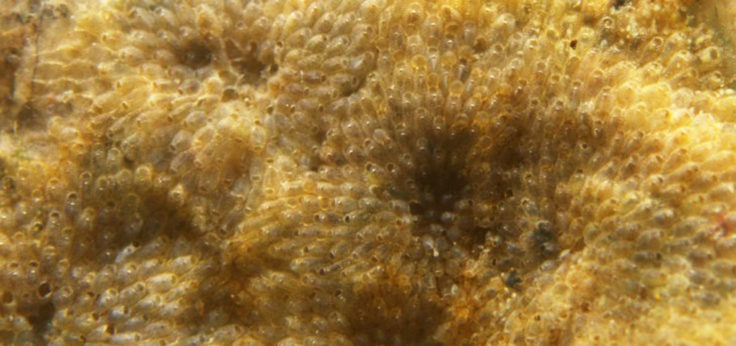
The heated settlement panels project tested how marine life responded to warmer oceans. The focus was on the waters of the Antarctic Peninsula, one of the fastest-warming regions on Earth
EMBRC is a group of leading European marine research centres, which is also known as a distributed Research Infrastructure. It provides access to European coastal seas and the endemic fauna, with the addition of Antarctica via BAS.

AIMS gathers baseline scientific data on Ascension Island’s globally important marine wildlife and fisheries to help the island government manage and conserve its marine resources.

Understanding Antarctic Bottom Water (AABW) and its affect on global ocean circulation.

Polar TEP provides polar researchers with access to computing resources, earth observation and other data, and software tools in the cloud.
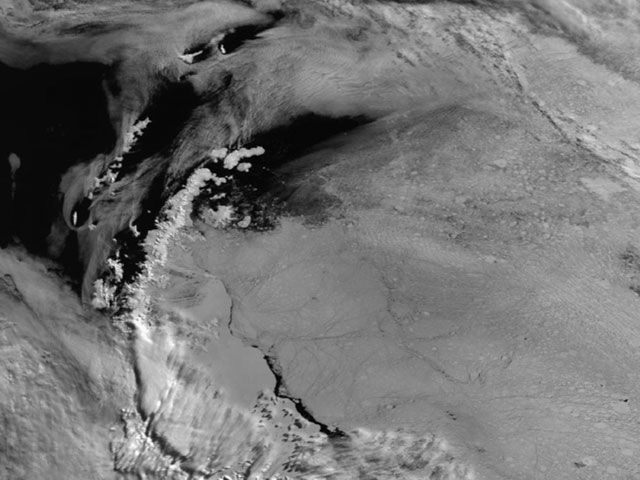
Optimising situational awareness in the Arctic through integrated space technologies

The Copernicus marine environment monitoring service provides regular and systematic reference information on the state of the physical oceans and regional seas.