Impacts of Ocean Acidification on Sea-Surface
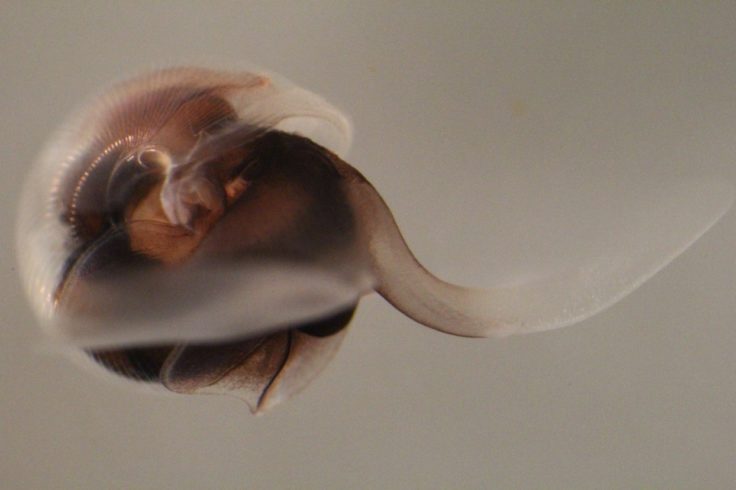
A project studying the impact of ocean acidification on pteropods, small shelled marine animals considered a sentinel species for ocean acidification.

277 to 288 of 303 results
A project studying the impact of ocean acidification on pteropods, small shelled marine animals considered a sentinel species for ocean acidification.
Why does global biodiversity show such a steep increase just as climates were deteriorating?

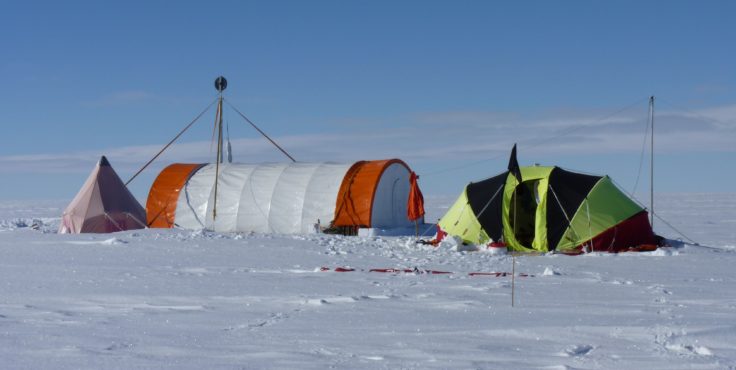
This project used ice core chemical and biological tracers, including marine diatoms swept onto the ice sheet by wind, to reconstruct 300 years of wind strength and atmospheric circulation patterns in West Antarctica.
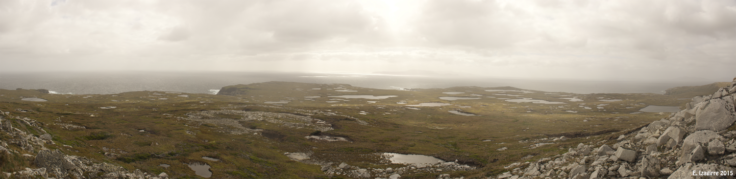
In this NERC-funded project, we are generating Southern Hemisphere Westerlies (SHW) proxy records from each of the three major sectors of the Southern Ocean, focusing on subantarctic islands situated in the core belt of the SHW.
This research focuses on investigating the glacial histories of Arctic ice sheets and ice caps using the marine geological record preserved on continental margins.
IMCONet is an international Research Network that follows an interdisciplinary approach to understand the consequences of Climate Change in coastal Western Antarctica.
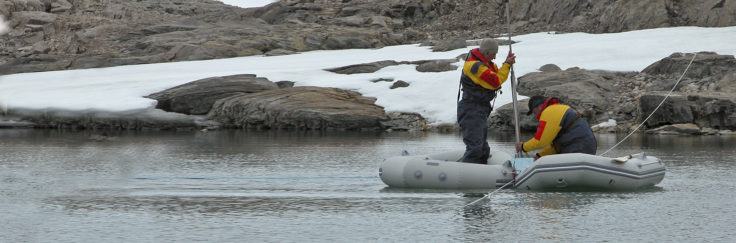
During this project essential survey data was collected to help plan future deep ocean drilling expeditions.
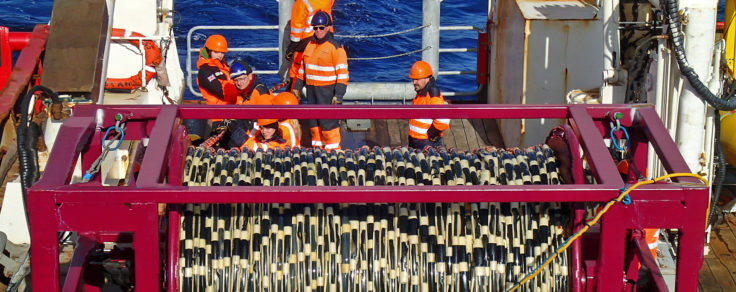
BEAMISH drilled through over 2 km of ice on Rutford Ice Stream to discover when the West Antarctic Ice Sheet last collapsed and how water and soft sediments beneath it help the ice flow towards the sea.
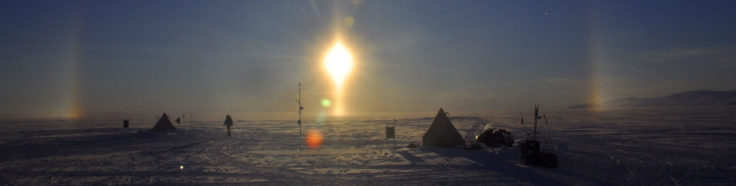
The aim of this NERC funded project is to determine how long Circumpolar Deep Water has been present on the shelf and whether the rate of oceanic melting we see today has varied over longer timescales.
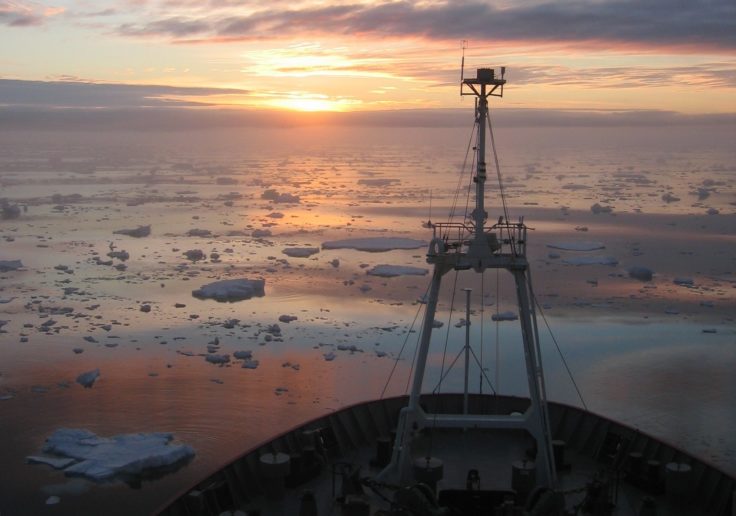
This project investigated the ice streams of West Antarctica’s Weddell Sea sector through airborne surveys.
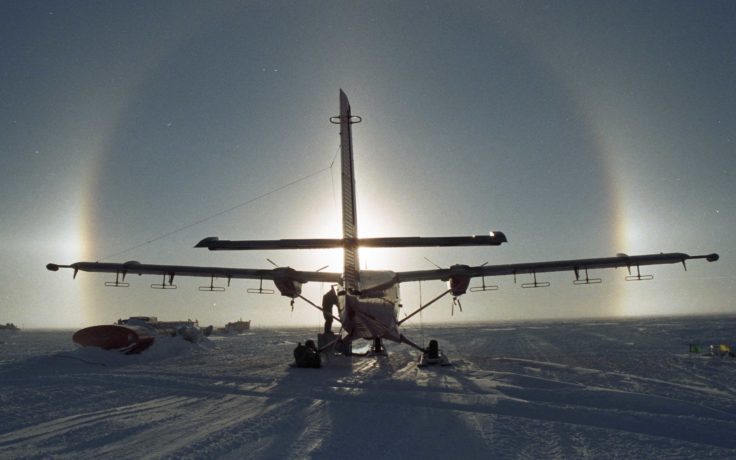
AGAP was an international effort to explore the Gamburtsev Subglacial Mountains in the center of East Antarctica.