New gravity wave observatories in Antarctica
ANGWIN brings together different nations to observe gravity waves over Antarctica and understand how these atmospheric waves affect global weather patterns and polar climate processes.


217 to 228 of 309 results
ANGWIN brings together different nations to observe gravity waves over Antarctica and understand how these atmospheric waves affect global weather patterns and polar climate processes.
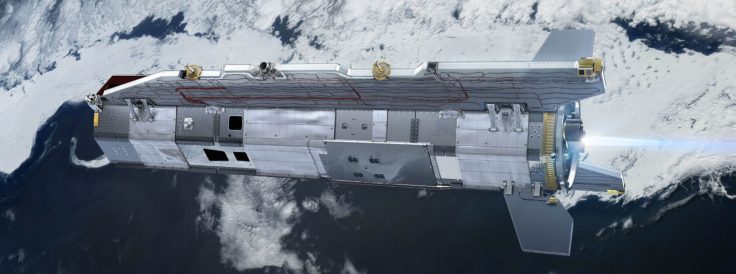
GOCE+Antarctica- Dynamic Antarctic Lithosphere uses GOCE satellite gravity gradient data, GPS data and innovative 3D modelling to study the Antarctic lithosphere and its influence on the overlying ice sheets, including the process of glacio-isostatic adjustment (GIA).
Access data from the Low Power Magnetometer (LPM) network

This project conducted flights within clouds taking detailed measurements of the physical properties of the cloud – size spectrums and phase (whether the particles are ice or liquid) – as well as taking ground based measurements of the aerosols which will act as nuclei for the cloud particles.

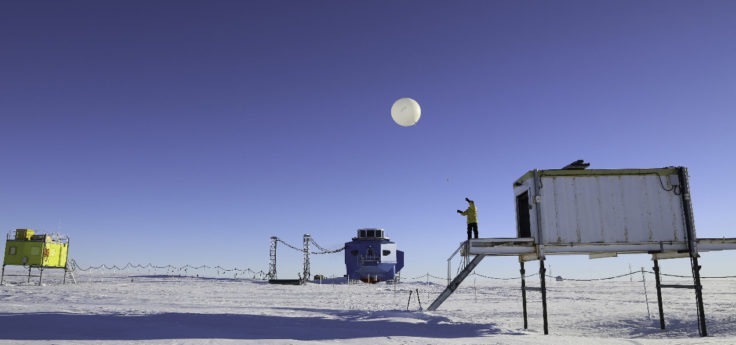
Long-term meteorological and ozone observations and data help determine the causes of climate change in the polar regions.
Pollen and climate Artwork #12 shows how the amounts of different fossil spores and pollen from Antarctic rock samples change through geological time with changing climate. Each stacked graph is […]

Development of regional models to examine the detailed oceanography of island shelves and surrounding regions.
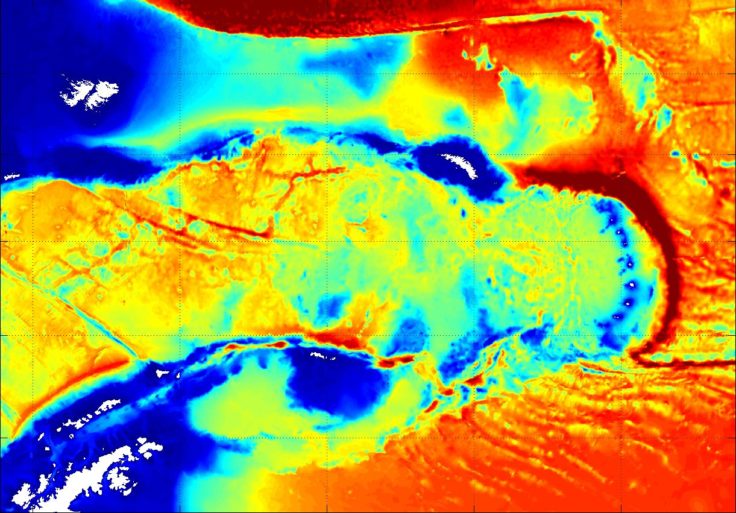
DynOPO investigated the flow of Antarctic Bottom Water through the Orkney Passage, a submarine valley connecting the Atlantic Ocean to the Weddell Sea. The project tested whether winds over the Weddell Sea regulate the volume and temperature of this deep, cold water mass by altering turbulent mixing.
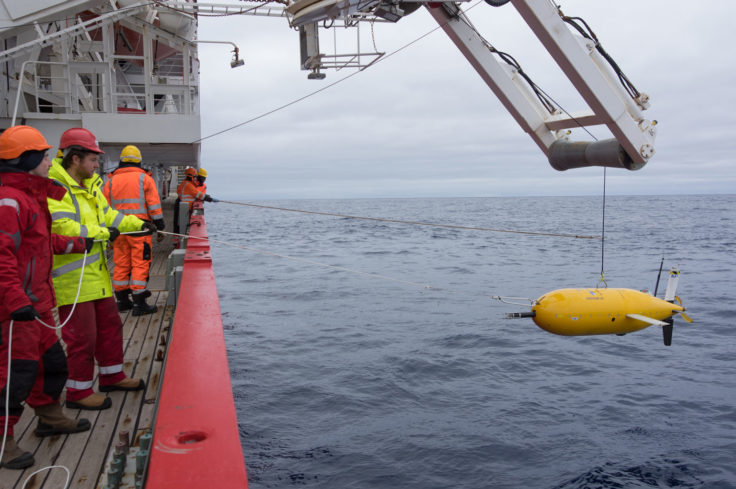
A research project studying temperature tolerances of over 20 Antarctic marine invertebrate species at Rothera Research Station.

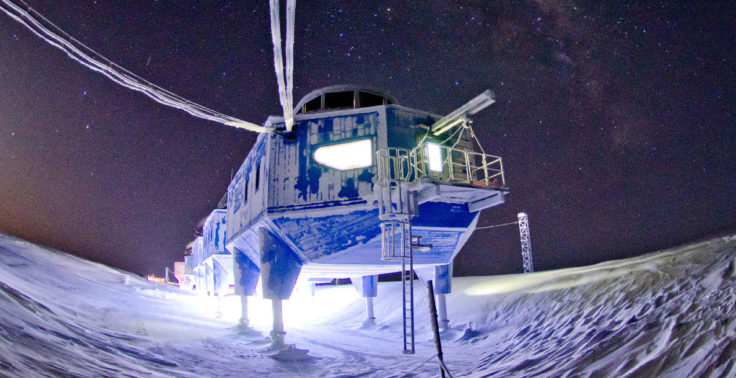
In 2017 Antarctica’s first re-locatable research station was moved successfully 23 km inland to avoid the path of large cracks in the ice
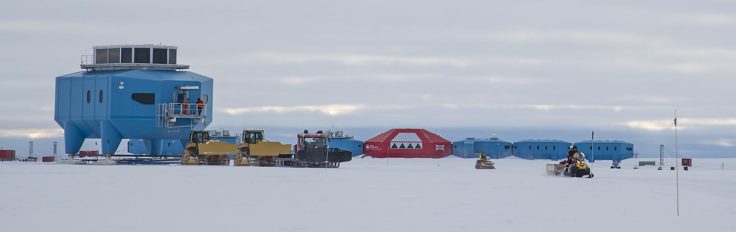
Using Antarctica as a ‘platform’ for simulating certain aspects of a manned spaceflight mission, this project will investigate how living in an isolated community during 24-hour winter darkness affects the health of Halley staff and their and ability to perform specific problem-solving functions.
Reproductive capacity and success of marine animals