Maps
The KRILLBASE density data indicates the relative probability of occurrence for both Antarctic krill and salps at the circumpolar scale and at finer scales in well-sampled areas such as the […]


205 to 216 of 309 results
The KRILLBASE density data indicates the relative probability of occurrence for both Antarctic krill and salps at the circumpolar scale and at finer scales in well-sampled areas such as the […]
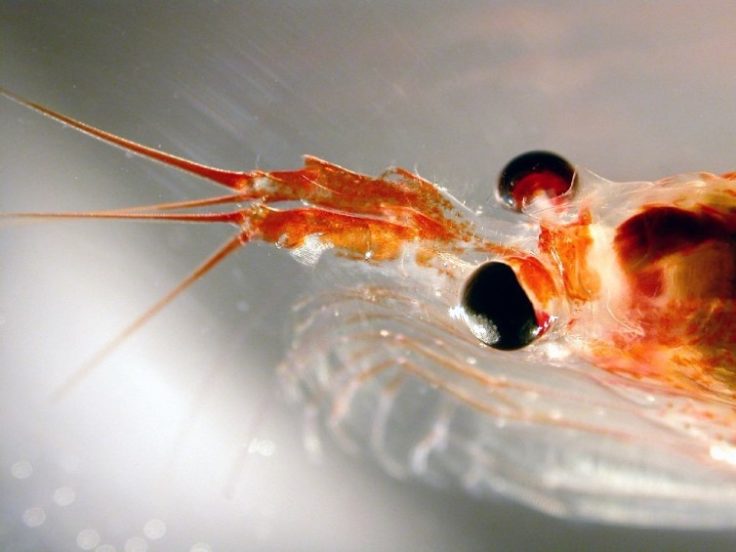
KRILLBASE compiles and shares circumpolar data on Antarctic krill and salps. The project supports research, fisheries management, and conservation across the Southern Ocean.
A new research platform to put UK scientists at the forefront of polar science
British Antarctic Survey has an ongoing science & art collaboration with Royal College of Art PhD candidate Wayne Binitie. Wayne has visited BAS a number of times to develop his […]
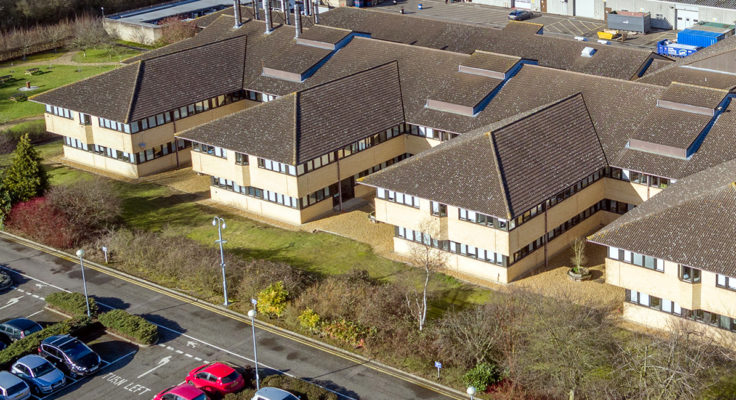
The key objective is to identify and implement management techniques which will as far as possible be sympathetic to wildlife and encourage native species, in order to sustain and enhance biodiversity at BAS Cambridge.
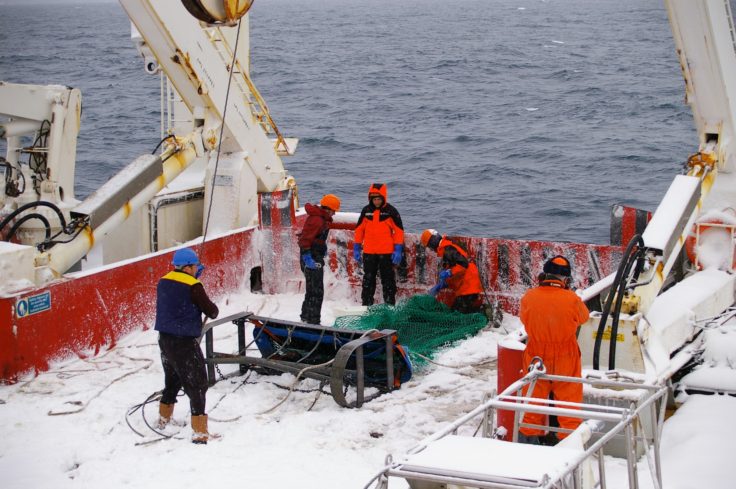
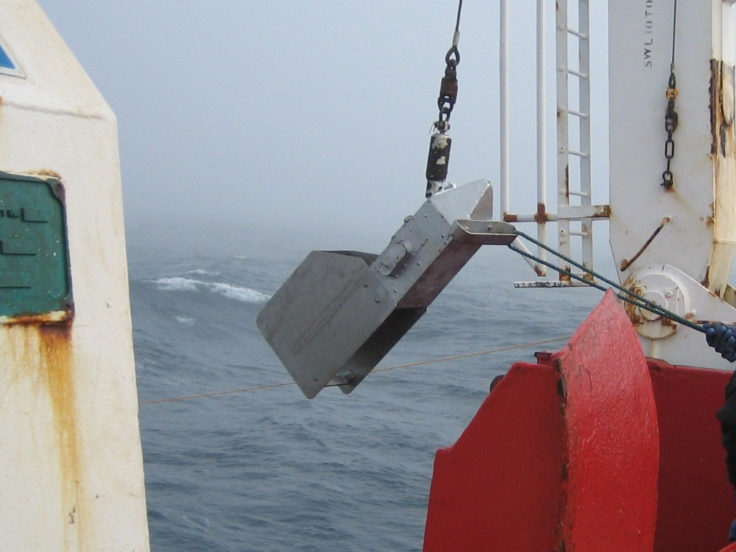
Continuous Plankton Recorder collected long-term data on plankton in the Southern Ocean which sit at the base of the food chain and are very sensitive to change.
ACSIS focussed on understanding changes occurring across the North Atlantic climate system in the ocean, the atmosphere, the cryosphere and the interactions between these constituent components.
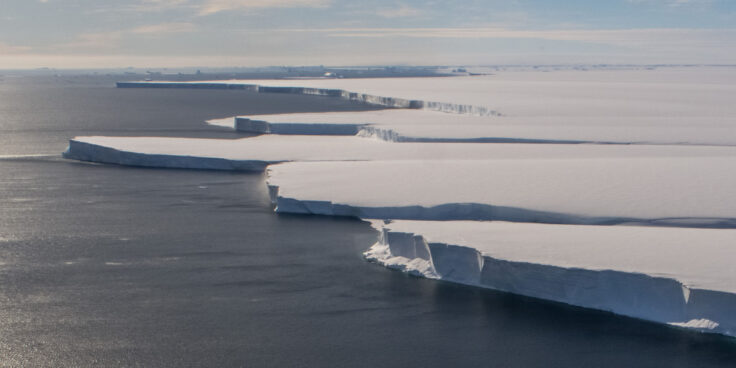
UKESM-BAS contributes to the UK Earth System Model by coupling the BISICLES ice sheet model with global climate models to improve sea level rise projections, and by developing satellite-based techniques to assess sea ice predictions.
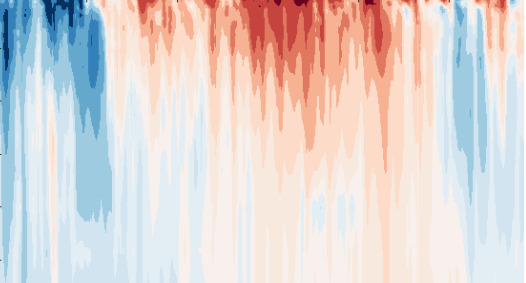
Understanding the Ocean Regulation of Climate by Heat, Carbon Sequestration and Transports
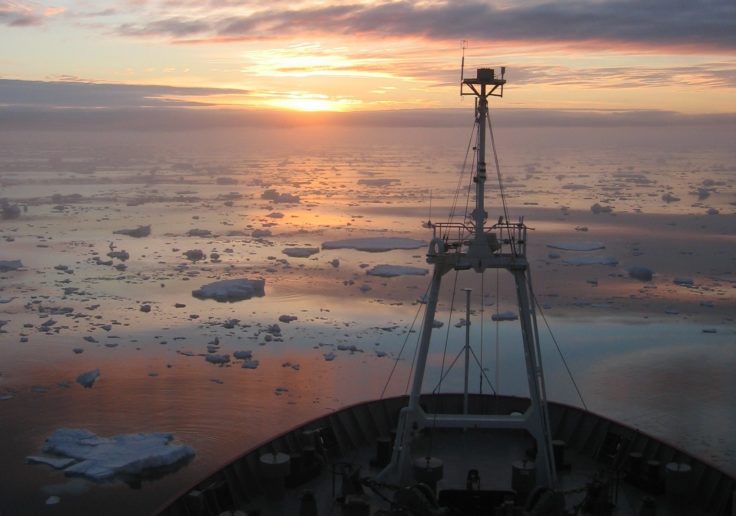
The aim of this project is to understand the biological and physical factors that produce the very large swarms of krill, or “krill hotspots” that are found in the South Orkneys region.
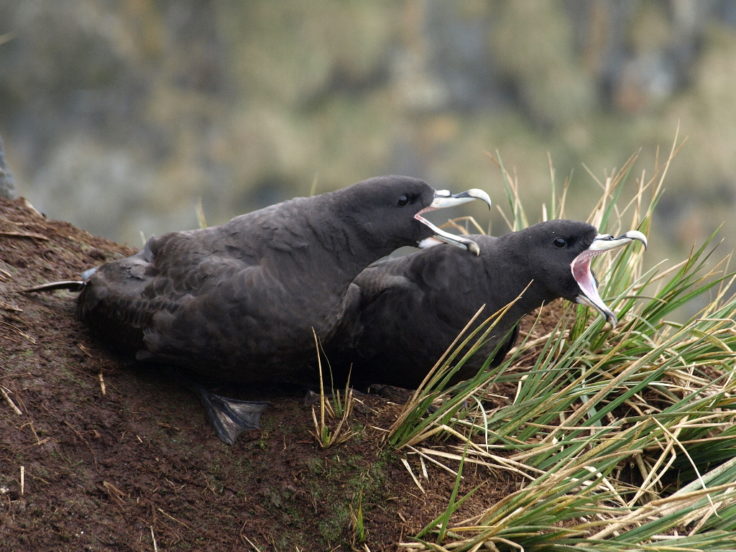
13 satellite tags were attached to white-chinned petrel chicks prior to their departure from Bird Island. The birds were tracked in near real-time using the Argos system.