Diversity in UK Polar Science Initiative

Diversity in UK Polar Science Initiative

Start date
1 September, 2019
End date
31 December, 2021

As part of a series of activities and initiatives to mark the 200th anniversary of the discovery of Antarctica, the Diversity in UK Polar Science initiative, conceived and funded by the UK Foreign, Commonwealth and Development Office (FCDO) Polar Regions Department, celebrates existing diversity, and takes an important step forward to promote and enhance Antarctic science opportunities to under-represented groups, including women, people from racial and ethnic minorities in the UK, LGBTQ+ community and people with a disability. The first stage of the project, from September 2019 to December 2021, was funded by the FCDO. Since then the initiative has continued with activities-based funding from sources including the FCDO and the Natural Environmental Research Council.

For over 100 years since its discovery, visitors to Antarctica were overwhelmingly men.  It was not until the 1980s that the first British female scientists began working at the frozen continent.  The ambition for this initiative is to deliver a more diverse and inclusive future for UK Polar science –  a future that reflects the diversity in British society today.

To achieve this we started by delivering a two-year programme of work that enhanced understanding of current barriers, explored ways to nurture and increase diversity in Polar Science, and pilot positive action to help boost diversity and support inclusive culture in UK polar science.

Diversity in Polar Science – a starting point

To understand the current Polar Science diversity landscape we examined data from the 2017 Office of National Statistics Research Report on the percentages of minority groups in UK society and compared these with data from STEM higher education and BAS (as a proxy for UK polar science).  This created a benchmark from which to measure improvement.

*BAME stands for Black, Asian and Minority Ethnic, and has been an acronym used in demographic statistical analysis. The term isn’t widely accepted and used anymore, and we are looking at better ways to describe people from racial and minority ethnic backgrounds in the UK. A change in perspective in this developing conversation has led to the use of Global Ethnic Majority (GEM), which we will be looking to include in our language going forward.

Boosting diversity in Polar Science – Steering Group

A Steering Group, chaired by representatives of the UK Arctic-Antarctic Partnership, the UKPN and IASC, drives the initiative forwards:

Delivering success – making an impact

Our delivery plan includes events and engagement activities aimed at nurturing active dialogue across the polar community in the UK and internationally.

Get involved with the Diversity in Polar Science Initiative

Our initiative needs advocates, and people who can amplify the momentum for diversity and inclusion within their own organisation.  Please contact Edna Itotoh if you are a member of the UK polar science community and would like to get involved.

Contributions relating to the following are most welcome:

  • Sharing successful case studies where your science organisation has addressed and improved diversity issues
  • Connecting Equality Diversity and Inclusion Champions in your organisation to this initiative
  • Guest presentations in our online webinars to inspire students from groups currently underrepresented in polar science
  • Join the conversation in upcoming events

The Diversity in UK Polar Science Initiative aims to:

  • increase representation of people from under-represented groups engaged in Polar Science in the UK to better harness the talent and reflect the diversity of UK society
  • to align UK Polar Science engagement across the UK with national policy and best-practice principles set out in the FCDO Diversity and Equality Report 2018-19, the UKRI Equality, diversity and inclusion programme, and BAS commitment to equality, inclusion and diversity
  • promote career opportunities in UK polar science (including support roles) and influence policy decisions at BAS, UK Universities with Polar research and UKRI-NERC to address existing, potential or perceived institutional barriers to diversity
  • involve and engage experts from the wider BAS-UKRI-NERC and UK Higher Education communities to influence and establish positive cultural and behavioural change across UK Polar Science
  • stimulate discussion on all forms of diversity across the UK Polar landscape

Promoting diversity, equity and inclusion in UK polar science – key objectives are to:

  • quantify and analyse the current diversity data for ethnic background, disability and LGBTQ+ orientation within UK polar science
  • create an engagement campaign to promote the initiative to university students, polar networks across the UK, specialist community groups; as well as to senior leaders and recruiters within the UK polar community
  • help nurture an inclusive culture by developing tools and resources
  • enable our project ‘champions’ and ‘ambassadors’ to engage students, colleagues and the UK polar community in becoming change-agents

To deliver our ambition we will:

  • keep learning and adapting as language, understanding and best practice evolves
  • nurture active dialogue across the polar community in the UK and internationally
  • highlight or create resources and guidelines to help recruiters, scientists and managers to engage effectively with people from under-represented groups
  • utilise media, social media and other online channels to share opportunities, news and diversity stories with under-represented groups
  • bring in expertise and insight from polar science networks and special interest community groups
  • share our reports and guides to stimulate action and seed ideas.  See our resource page for links.

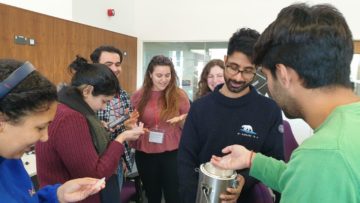
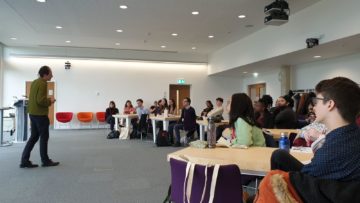
BAS Marine Biogeographer Huw Griffiths engaging with the students at a Polar Horizons event.

Thriving with ADHD: exploring what works

20 March, 2024 by Claudette Lopez

Claudette Lopez writes for Neurodiversity Celebration Week (18-22 March), a worldwide initiative that challenges stereotypes and misconceptions about neurological differences, on her experience of Attention Deficit Hyperactivity Disorder (ADHD), and …


Building diversity, equity, and inclusion in ocean science

11 December, 2023

A special issue of the journal Oceanography has shone a spotlight on the collaborative FindAScienceBerth project, inspiring people and institutions to make positive change towards increasing diversity. The FindAScienceBerth project is …