Director
BAS Science Strategy Executive Group, Leadership teams, BAS Executive team

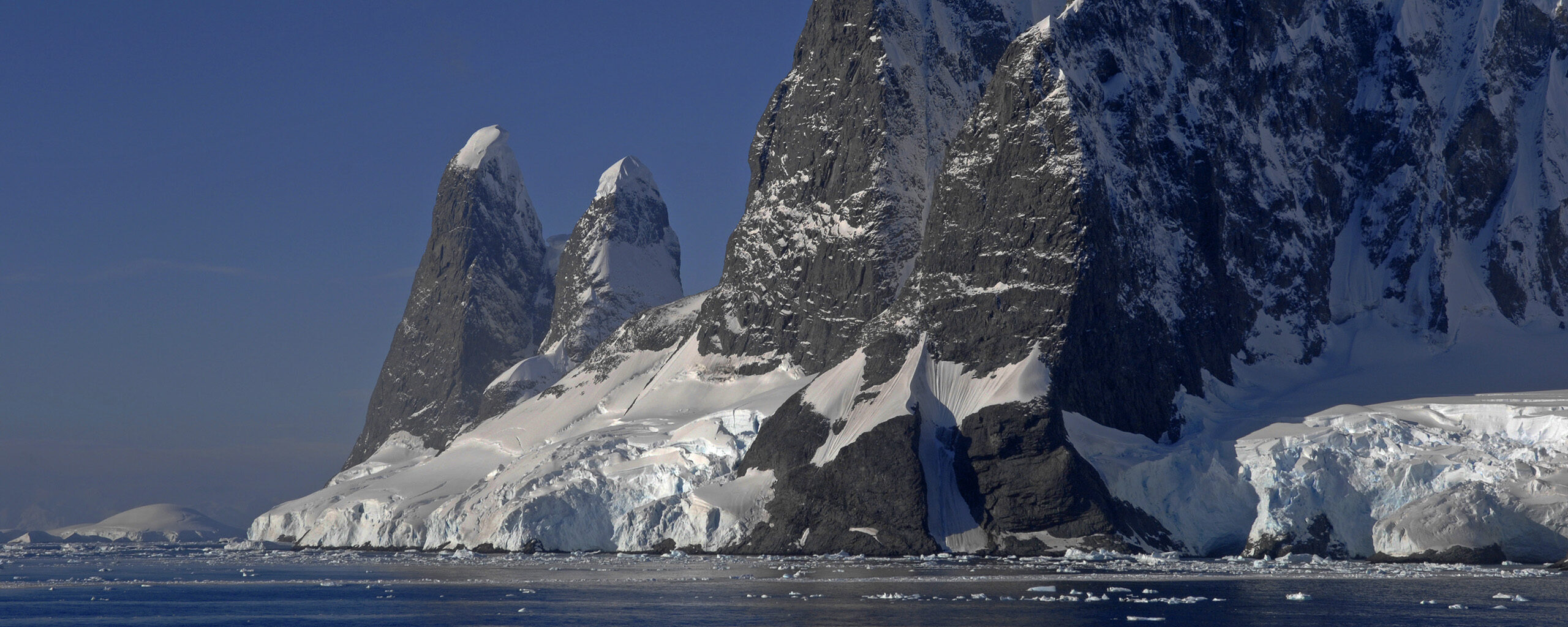
The responsibility of Science Strategy Executive Group is to provide oversight and strategic direction for the BAS Science Directorate. In particular, to focus on issues that affect the long-term delivery of a world-class, sustainable science programme.
Specific responsibilities of SSEG are to:
Director
BAS Science Strategy Executive Group, Leadership teams, BAS Executive team

Interim Director of Science
BAS Science Strategy Executive Group, Palaeo Environments, Ice Sheets and Climate Change team

Independent Research Fellow

Head of Future Financial Strategy
BAS Science Strategy Executive Group, Leadership teams, BAS Executive team
Marine Ecologist and UKs CCAMLR Scientific Rep

Science Leader
BAS Science Strategy Executive Group, Space Weather and Atmosphere team
Ocean Climate Scientist
Science Leader IMP 1
BAS Science Strategy Executive Group, Space Weather and Atmosphere team, Leadership teams, BAS Executive team
Dep Science Leader of Palaeo Environments IMP 3
BAS Science Strategy Executive Group, Palaeo Environments, Ice Sheets and Climate Change team
Science Leader IMP 2
Science Leader/Polar Oeans

Science Leader
BAS Science Strategy Executive Group, Atmosphere, Ice and Climate team

Physiologist Adaptations Lead IMP 2
BAS Science Strategy Executive Group, Biodiversity, Evolution and Adaptation team
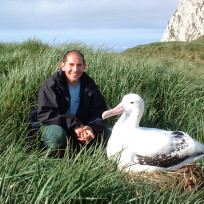
Seabird Ecologist Deputy Science Leader IMP 3

Machine Learning Research Scientist
Artificial Intelligence (AI) Lab, BAS Science Strategy Executive Group
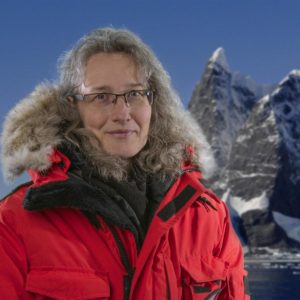
Director of Innovations and Impact
BAS Science Strategy Executive Group, Information Services team, Leadership teams, UK Polar Data Centre team, BAS Executive team

IDP Science Leader IMP 3
BAS Science Strategy Executive Group, Ice Dynamics and Palaeoclimate team

Science Leader IMP 3
CAMBRIDGE: British Antarctic Survey (BAS) continues to plan its operational support to the UK and international polar research community during global challenges posed by COVID-19. Halley and Signy Research Stations […]
The British Antarctic Survey has been awarded National Capability funds for polar science which will strengthen UK national security, resilience, economic growth and societal benefit
A new UK-U.S. Antarctic research programme to improve the prediction of future sea-level rise is launched this week (Monday 30 April 2018) at British Antarctic Survey (BAS), Cambridge. The £20 […]

ODA funds – expertise to address major challenges facing the developing world
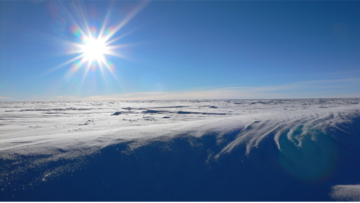
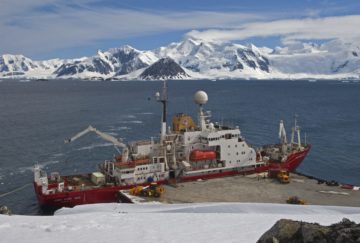
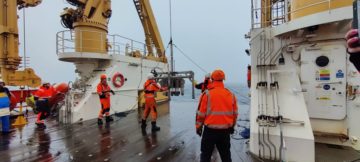
The RRS Sir David Attenborough has begun its polar science trials in Antarctica. A team of 30 national and international scientists, engineers and technical staff are working on the ship […]
BLOG. BAS Director of Science, Professor David Vaughan describes his ambition for more diversity in science.