EU-PolarNet
A strategic framework to connect science and society
97 to 108 of 264 projects
A strategic framework to connect science and society
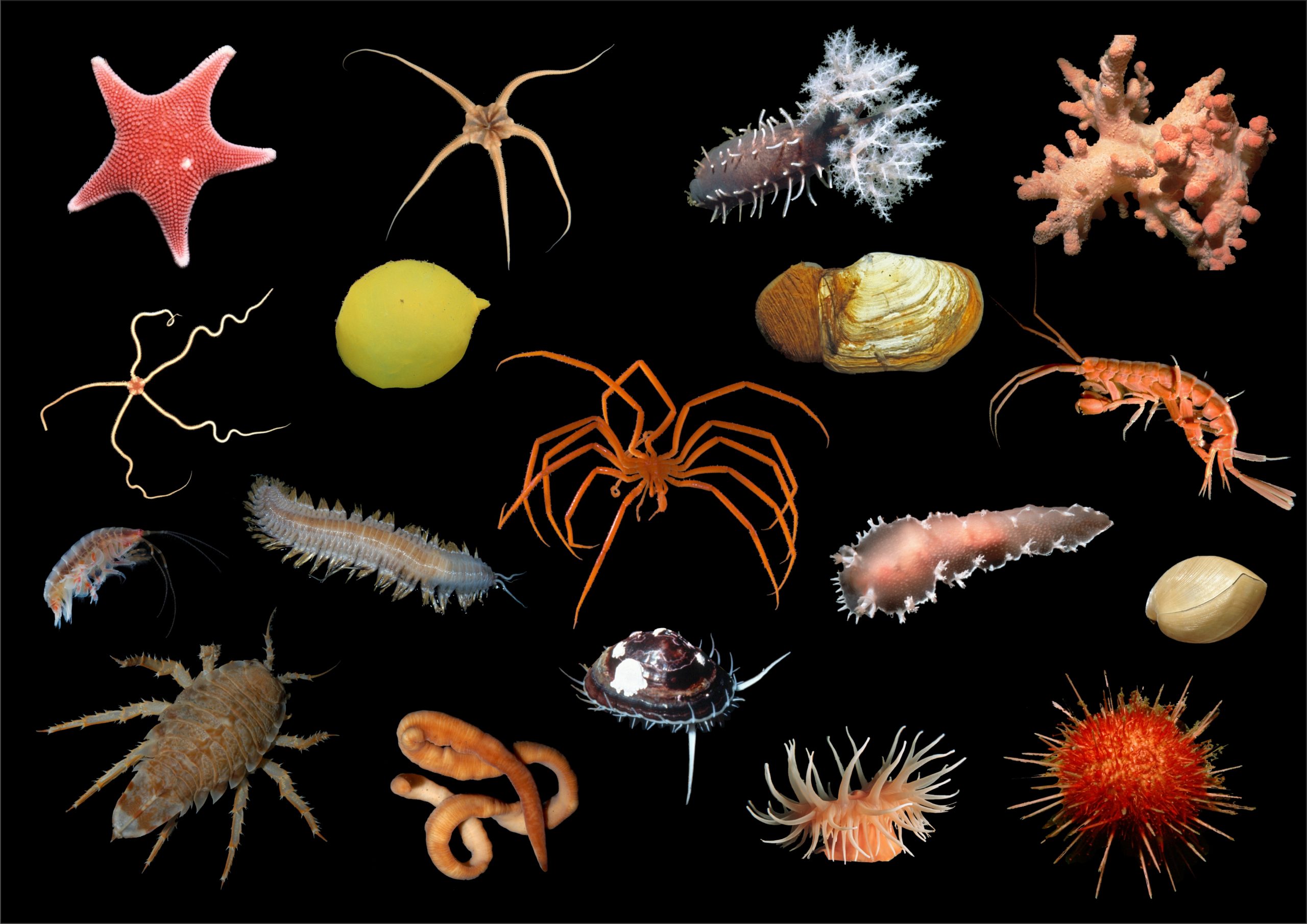
EMBRC is a group of leading European marine research centres, which is also known as a distributed Research Infrastructure. It provides access to European coastal seas and the endemic fauna, with the addition of Antarctica via BAS.
This project assesses how climate change affects Patagonian and Antarctic toothfish populations in the South Atlantic. Led by British Antarctic Survey (BAS), it focuses on the UK Overseas Territory of South Georgia & the South Sandwich Islands.
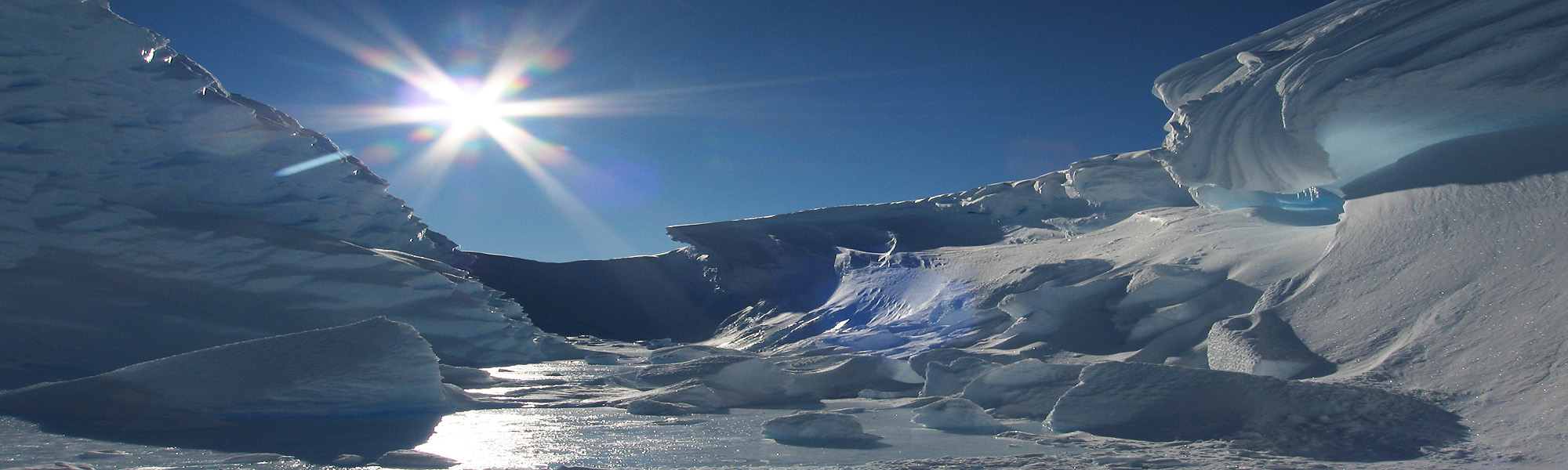
AGAP was an international effort to explore the Gamburtsev Subglacial Mountains in the center of East Antarctica.
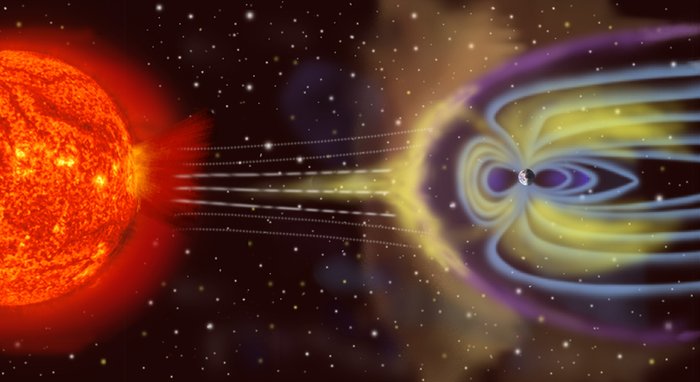
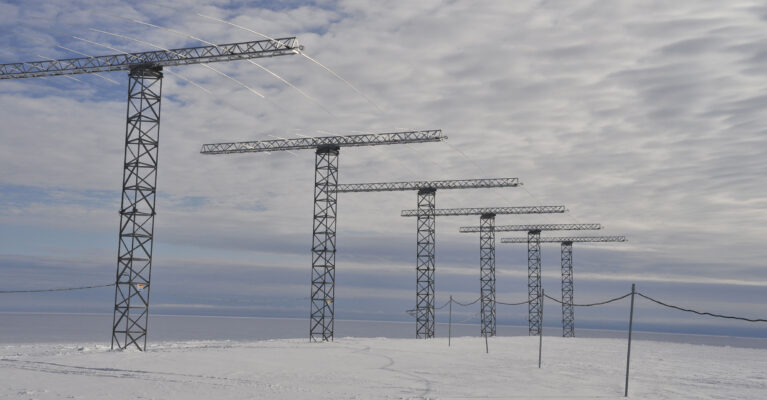
Concern at government level in the UK is such that severe space weather was added to the UK’s National Risk Register of Civil Emergencies.
This project investigated the stability of Antarctica’s Filchner Ice Shelf to produce sea-level projections using hot water drilling, ocean measurements beneath the ice shelf, sediment coring, radar surveys and autonomous submersibles.
Explore the UK Polar Data Centre metadata catalogue. Please use the system to search for polar datasets held by the UK Polar Data Centre
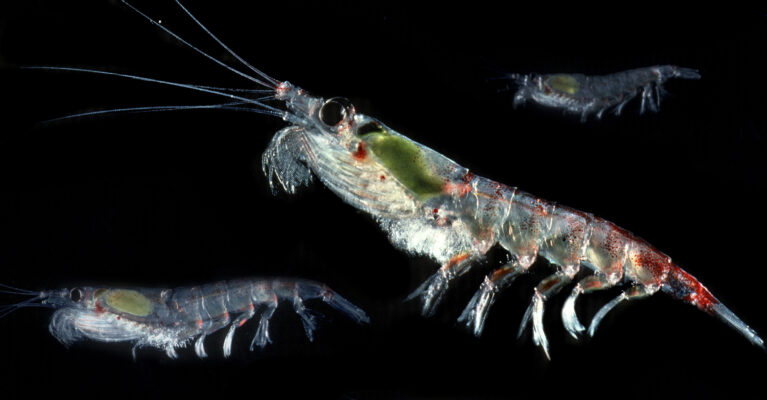
This project is improving our understanding of fish bycatch in the Antarctic krill fishery, to help support better management and conservation.
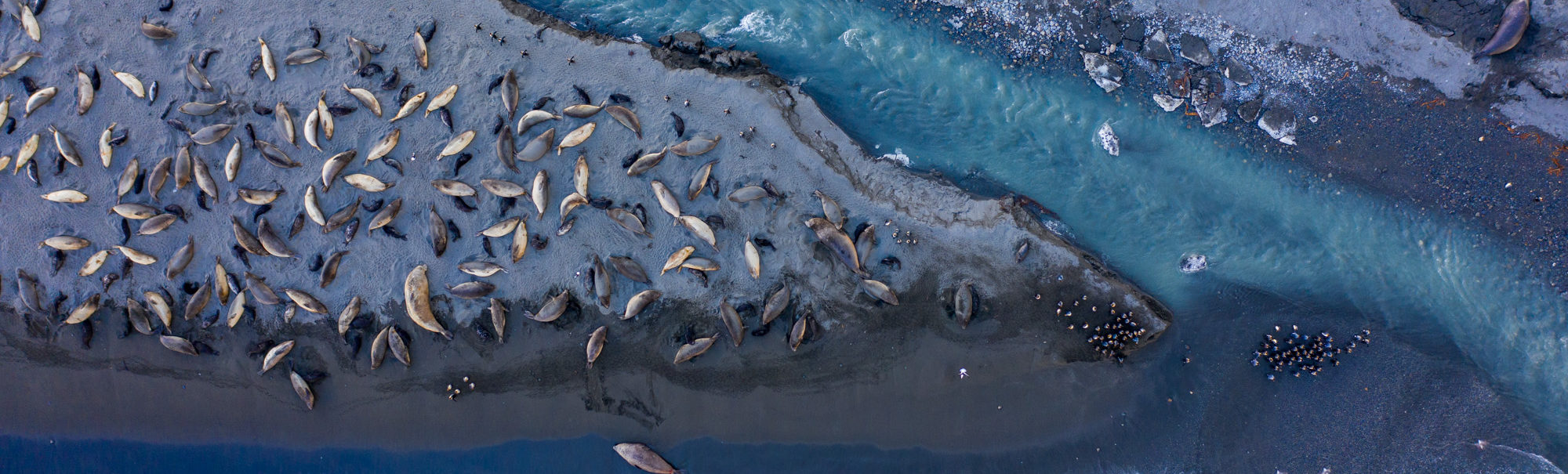
This project introduced fixed-wing drone surveys at South Georgia to monitor wildlife population changes driven by climate change and recovering seal, whale and finfish populations.
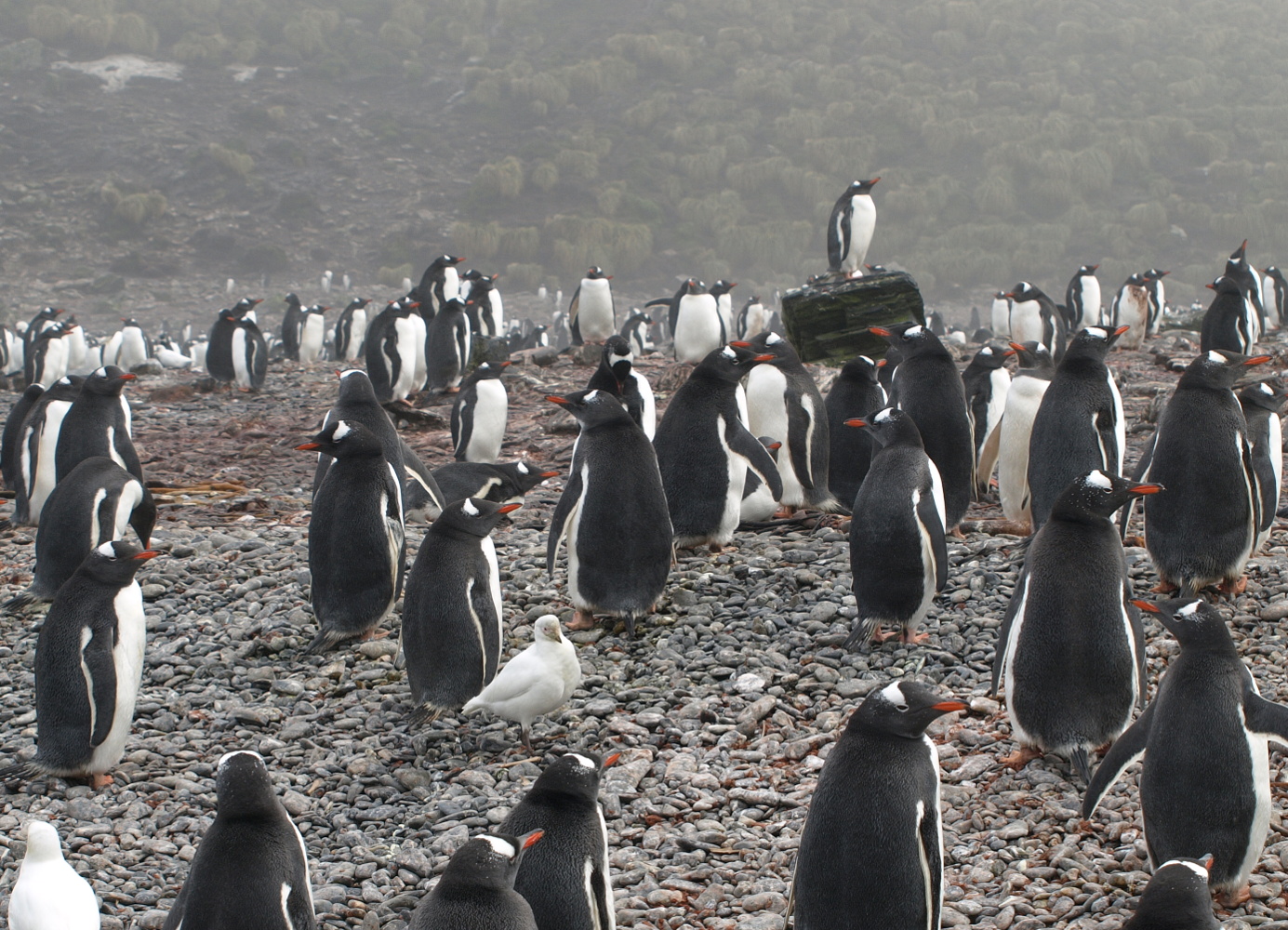
This project tracked 16 gentoo penguins using satellite transmitters to examine overlaps in the distribution of penguin foraging and krill catches, and the dependence of penguins on krill for food during winter.
Contains over 200,000 individual rock and fossil specimens collected from Antarctica and the sub-Antarctic islands and thousands of meters of sediment core from the surrounding seabed.
GHC will gather information about past ice sheet behaviour and relative sea level change in the Thwaites Glacier system. Determining the timing and magniture of past episodes of thinning and retreat and subsequent re-advance is important to provide a context for the current and future behaviour of Thwaites Glacier.