How Antarctic winds shaped CO₂
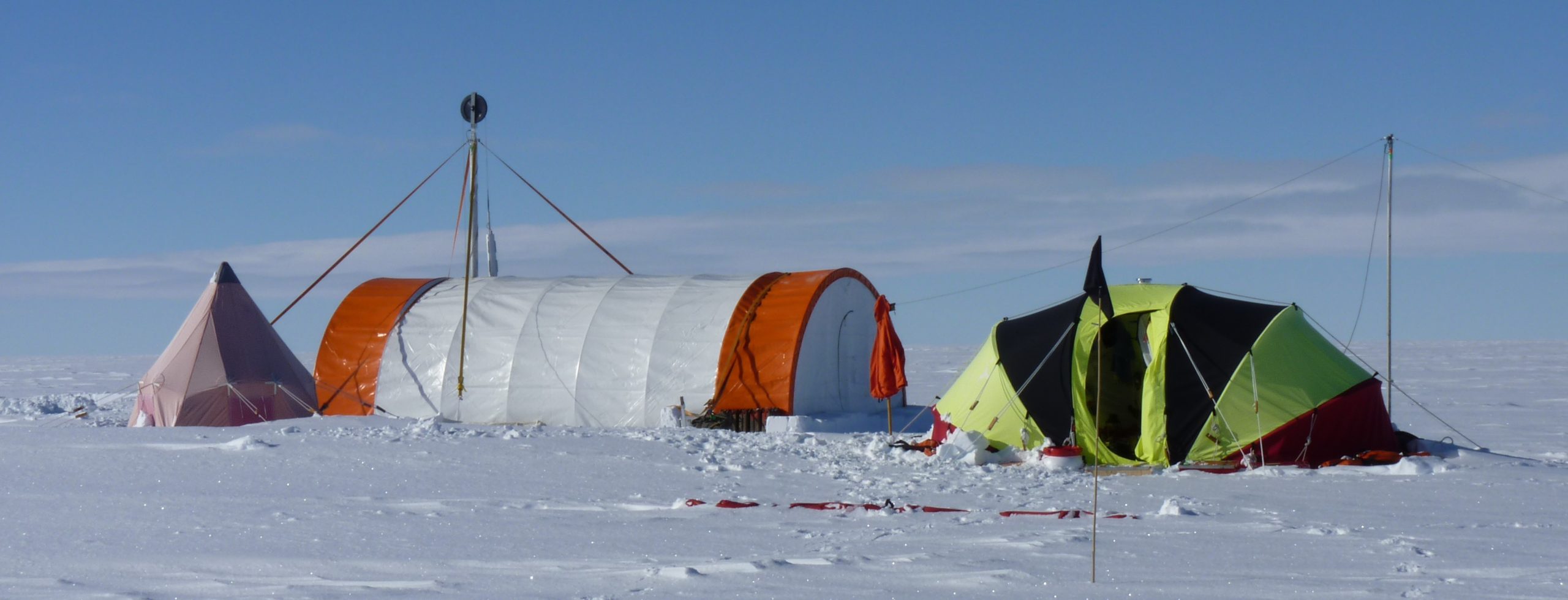
SIWHA investigates how westerly winds and sea ice have influenced CO2 uptake and release in the Southern Ocean.

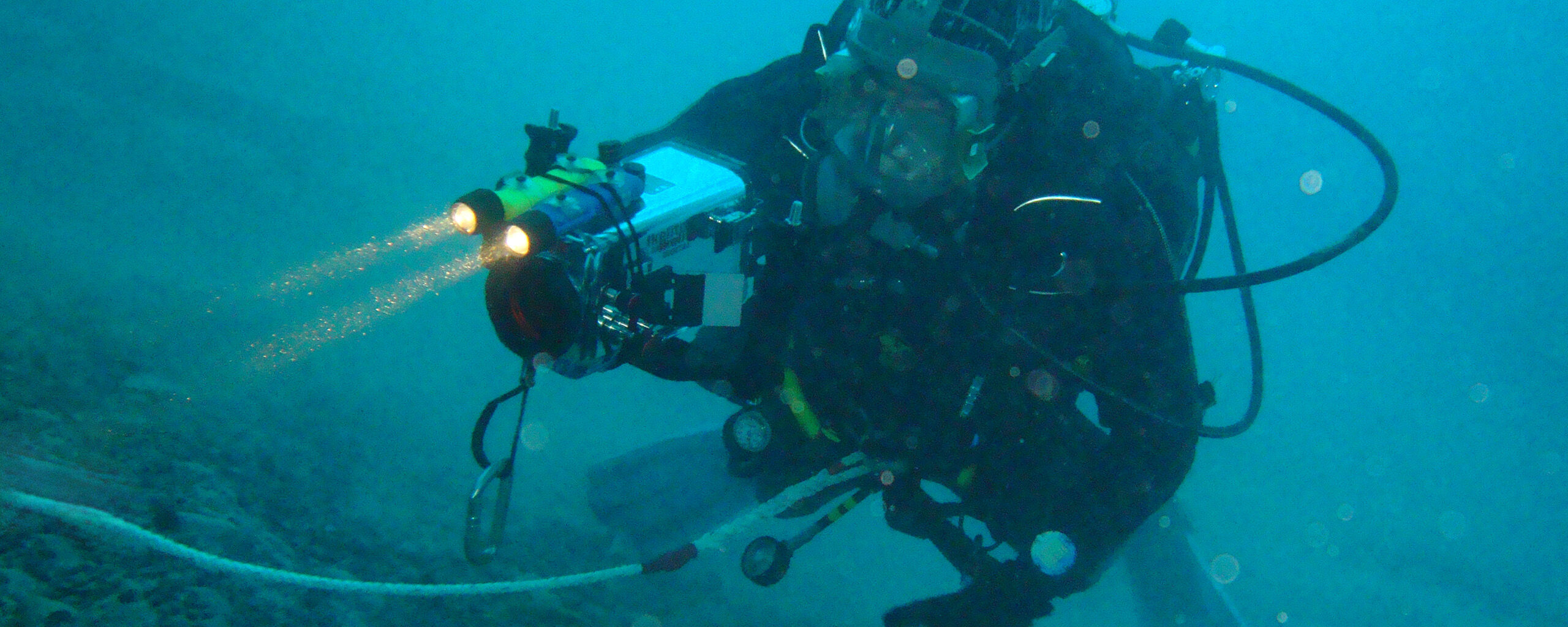
121 to 132 of 266 projects
SIWHA investigates how westerly winds and sea ice have influenced CO2 uptake and release in the Southern Ocean.
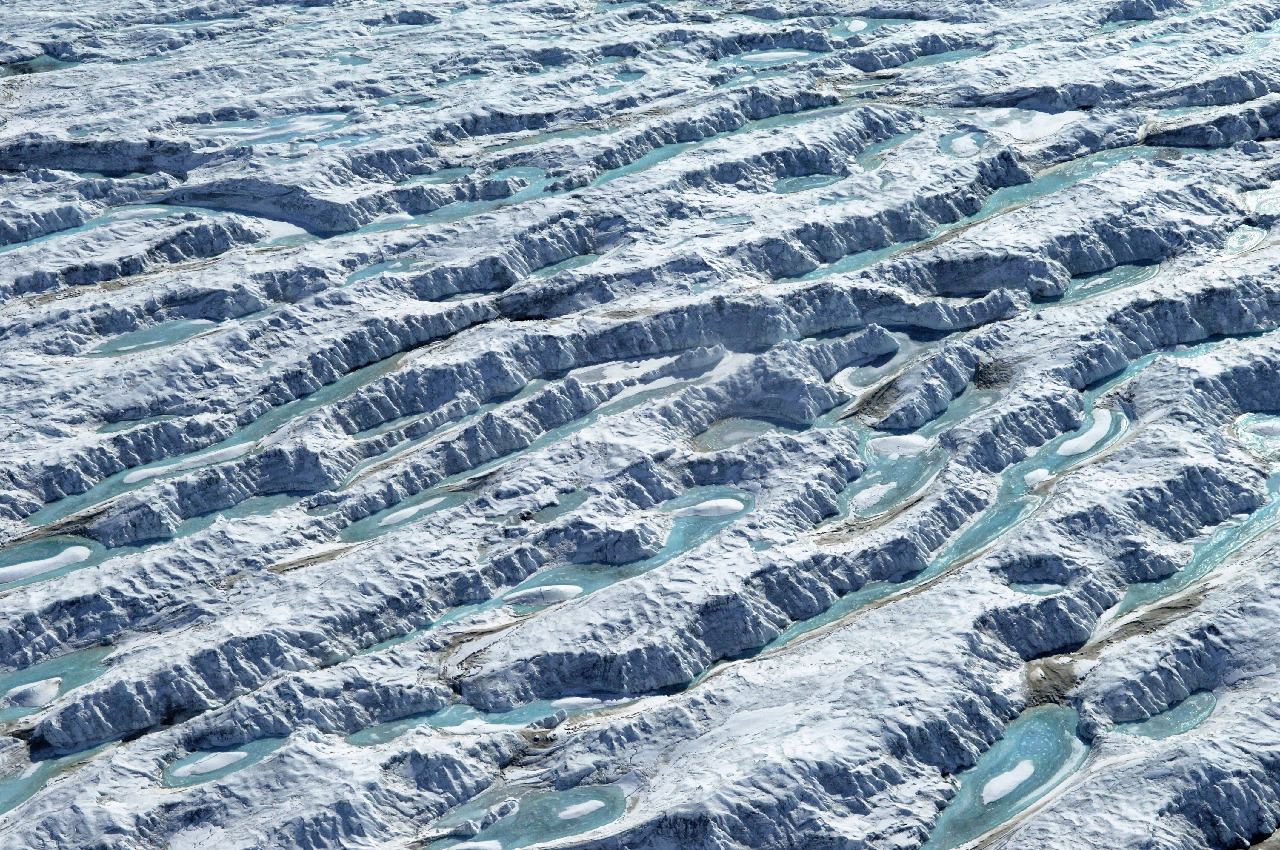
MIDAS investigates how climate warming affects the Larsen C ice shelf in Antarctica. The project studies the formation of large summer melt ponds and their influence on ice shelf structure and stability. Fieldwork, satellite observation, and computer simulations are used to understand these processes.
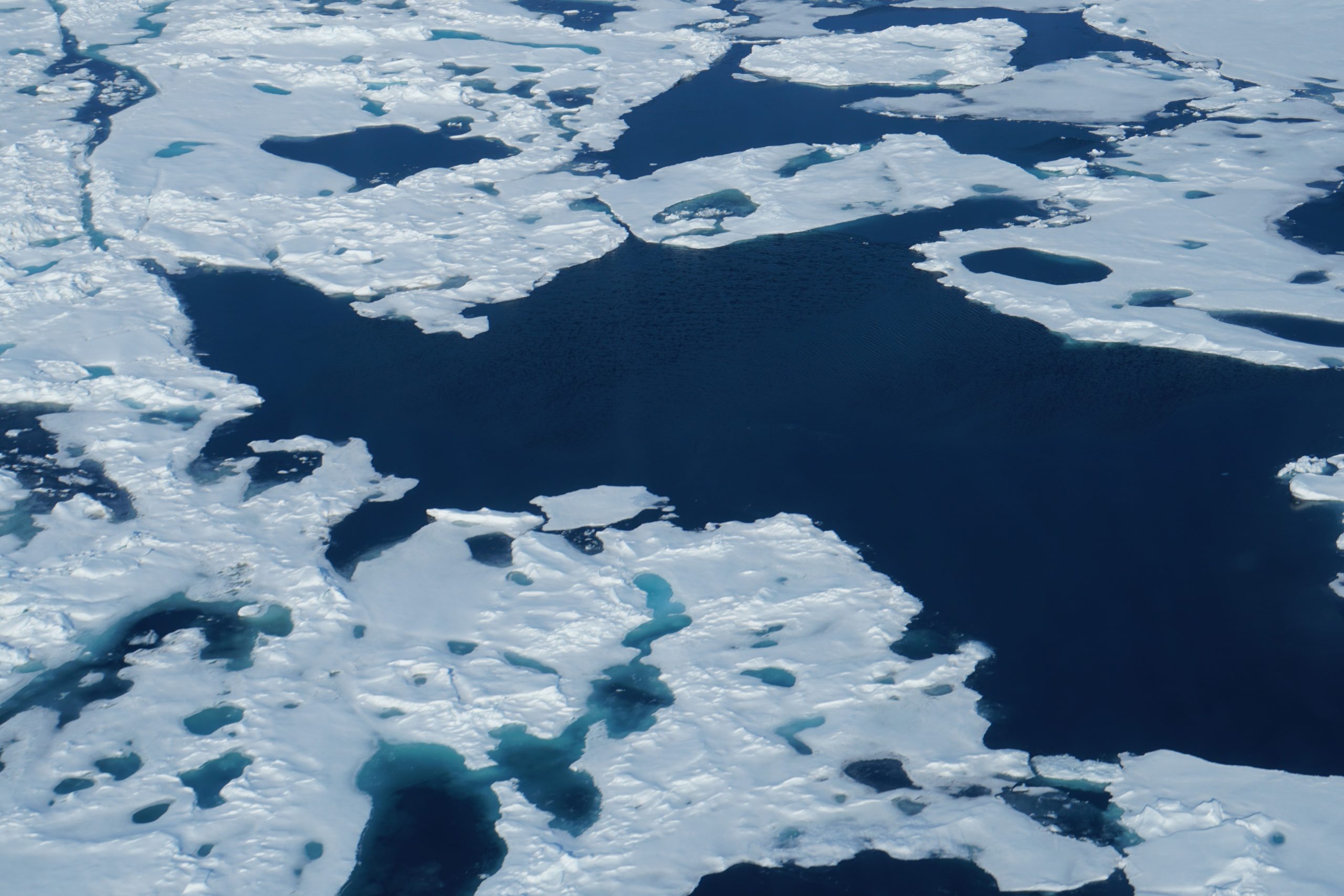
CRiceS investigates the rapid decline of sea ice and its links to physical and chemical changes in polar oceans and the atmosphere.
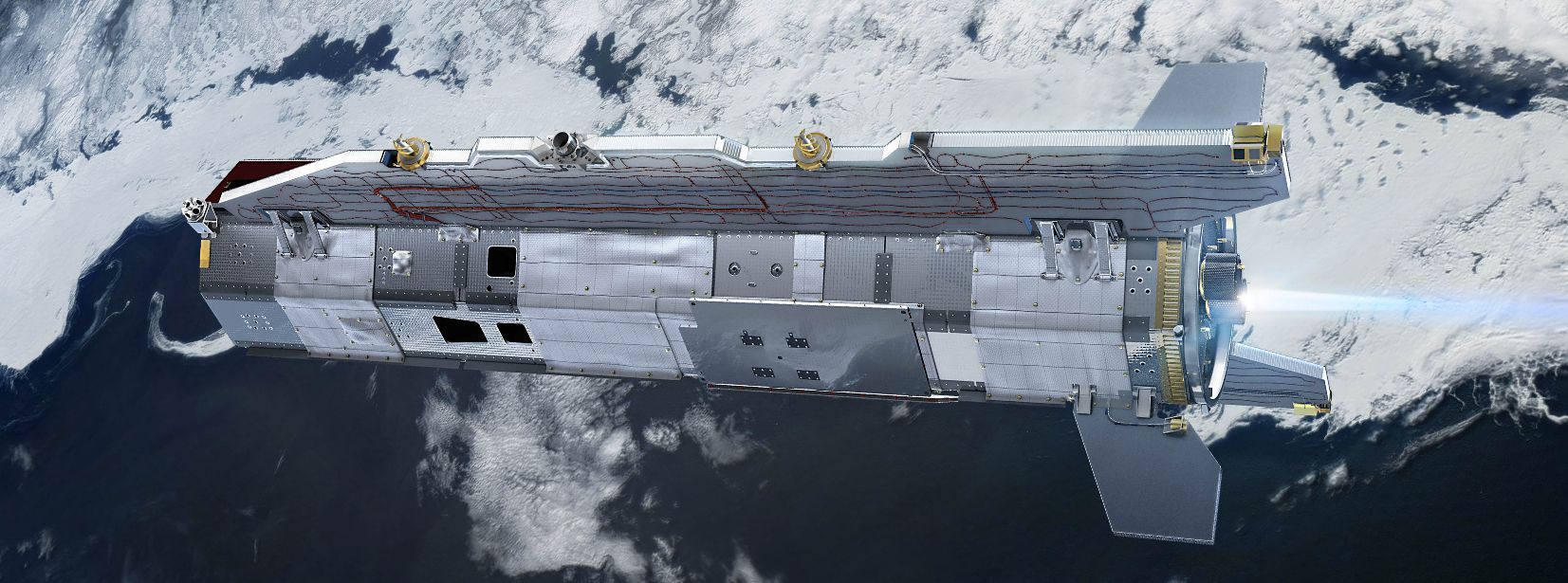
GOCE+Antarctica- Dynamic Antarctic Lithosphere uses GOCE satellite gravity gradient data, GPS data and innovative 3D modelling to study the Antarctic lithosphere and its influence on the overlying ice sheets, including the process of glacio-isostatic adjustment (GIA).
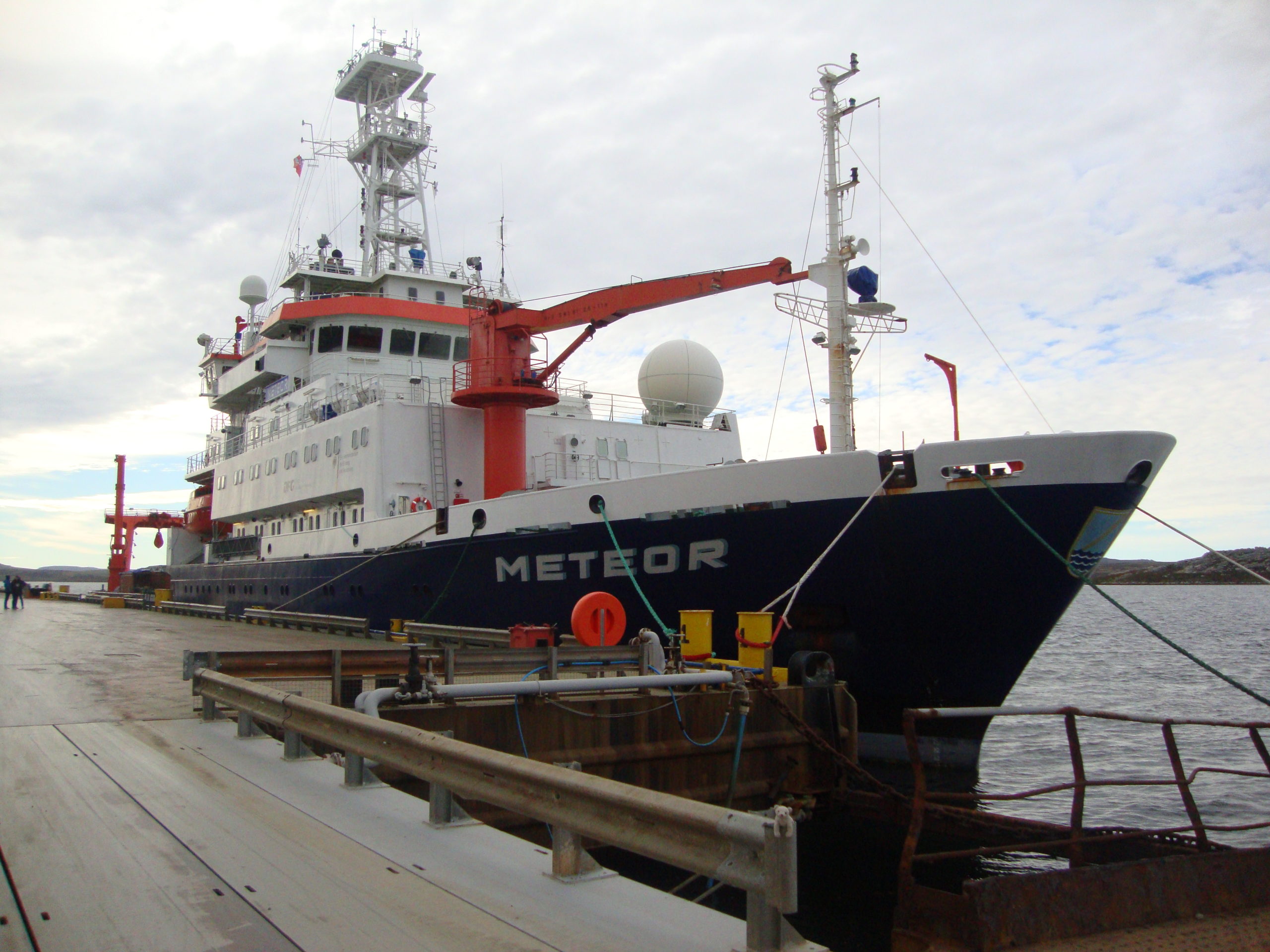
HEXPLORES searches for active hydrothermal vents in the Red Sea Rift. The Rift contains the world’s largest submarine metalliferous sulphide deposit. Yet no active vent systems have been located there.
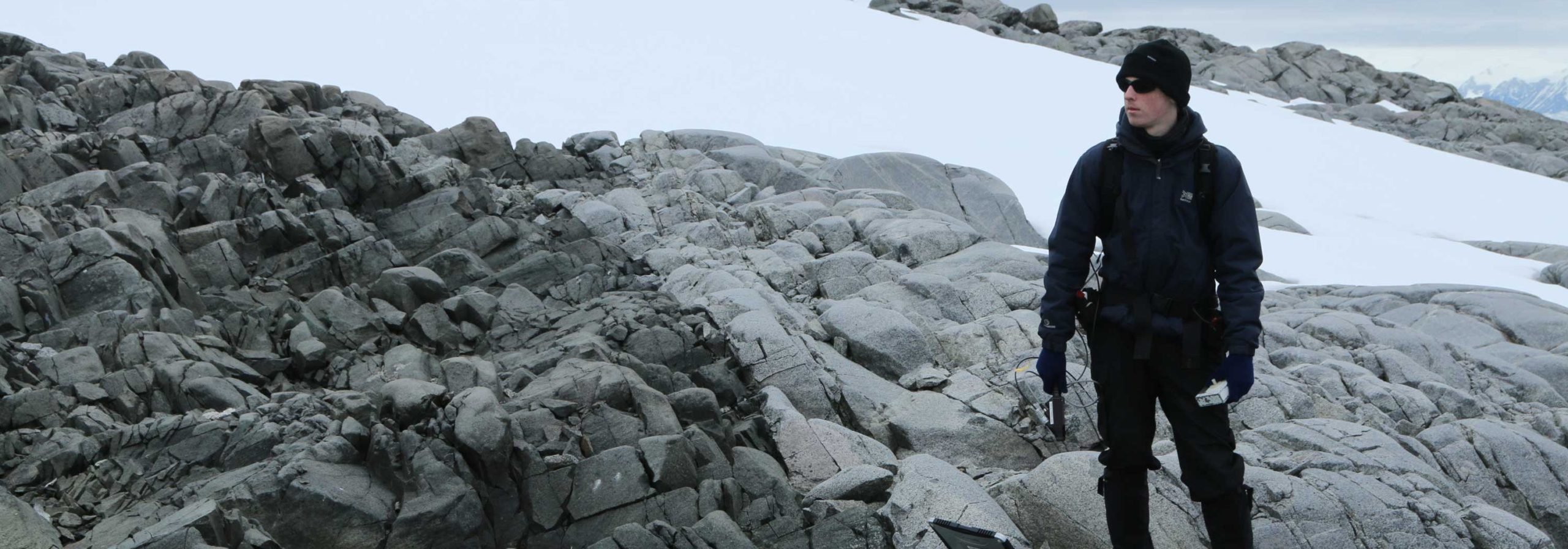
The project has focused on exploiting information present in hyperspectral images, with a view to developing mapping tools to aid in the geological investigations.
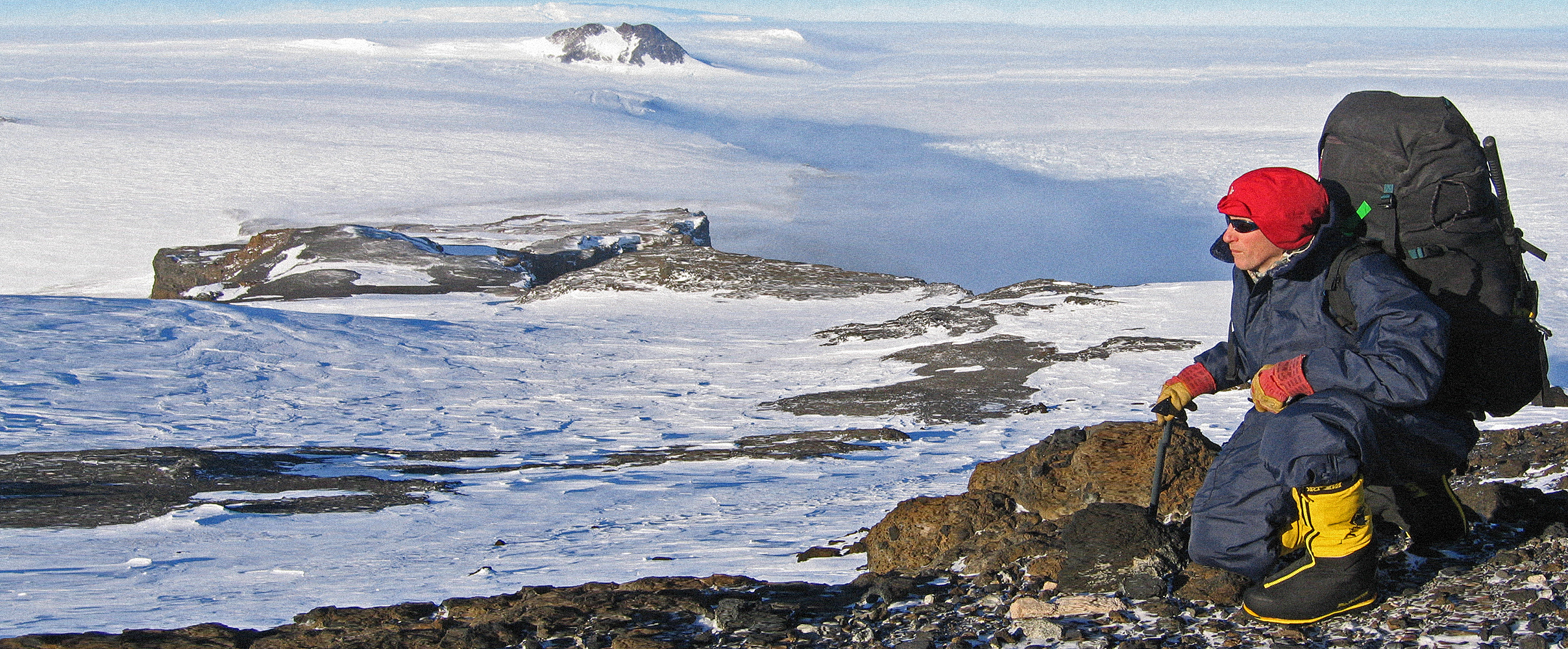
ANiSEED reconstructed millennial-scale ice sheet change in the western Amundsen Sea Embayment, Antarctica, using high-precision exposure dating.

The ice sheet modelling group integrates observational data with dynamical models to improve our representation of how the ice flows beneath the surface, and to reveal how the shape and flow of the Antarctic ice sheet has changed in the past.
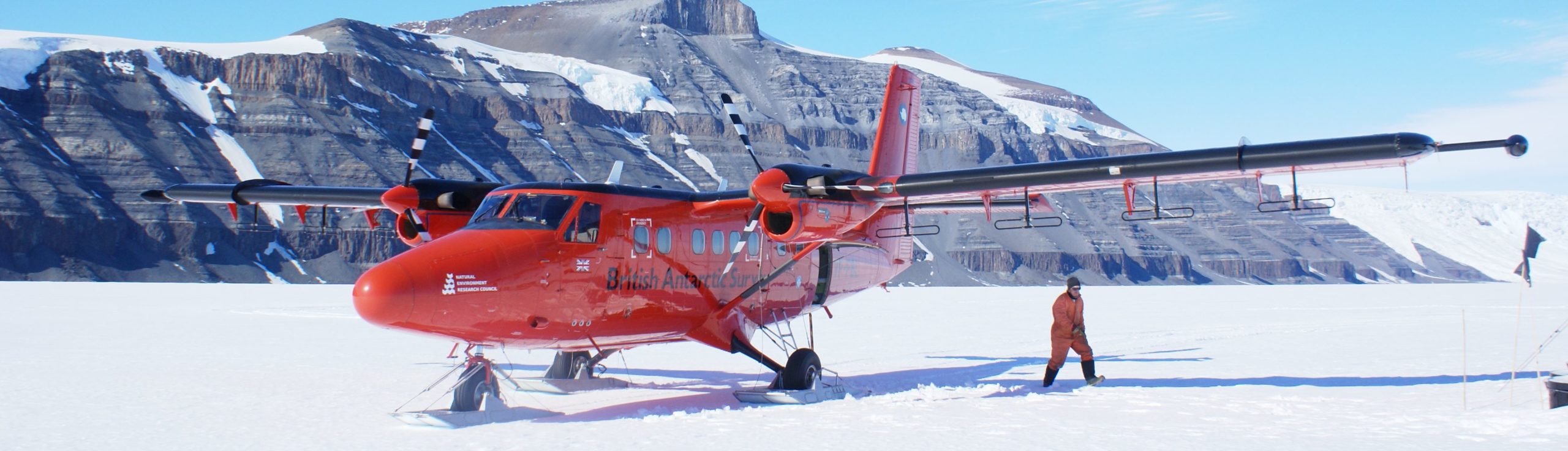
The primary aim of the project is to carry our airborne gravity observations across hitherto unexplored parts of Antarctica.
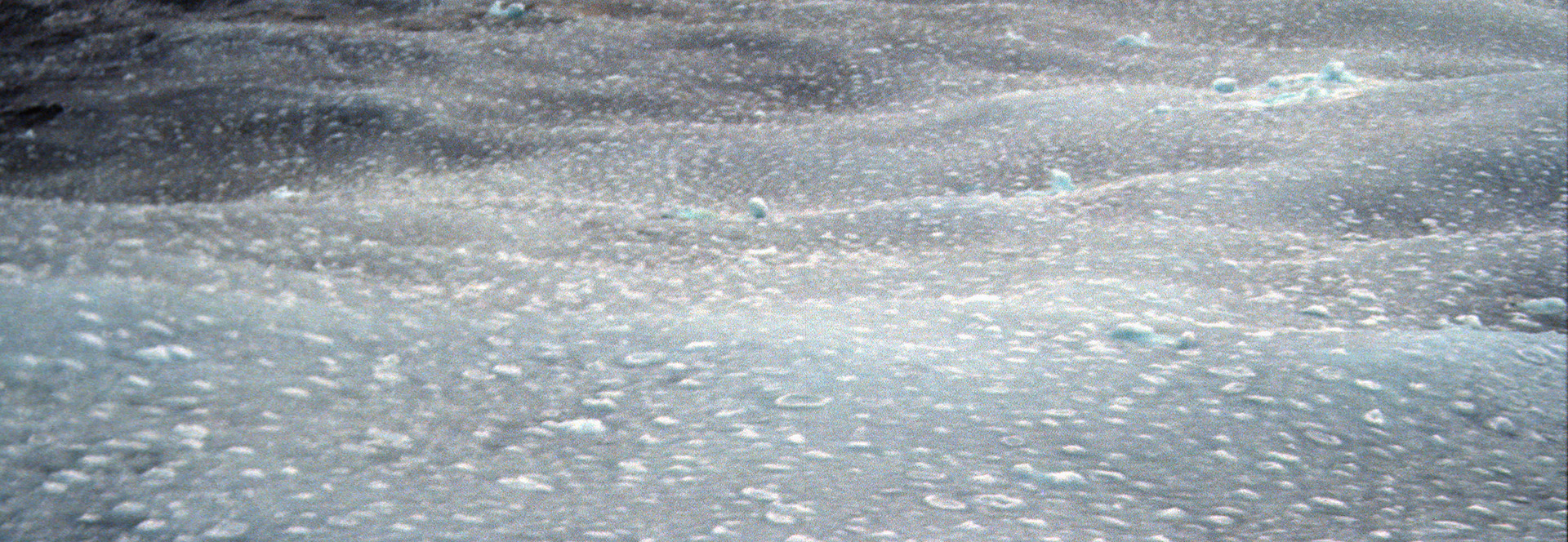
The Iceland Greenland Seas Project investigates how atmosphere-ocean processes in the Iceland Sea create the dense waters that flow through Denmark Strait and feed the Atlantic Meridional Overturning Circulation, which is crucial for global and European climate.

By studying the geochemistry of deep marine sediments recovered from the Southern Ocean sea floor, this research aims to establish the extent of this reorganisation of deep water circulation, and to better understand its potential impacts on past climate.
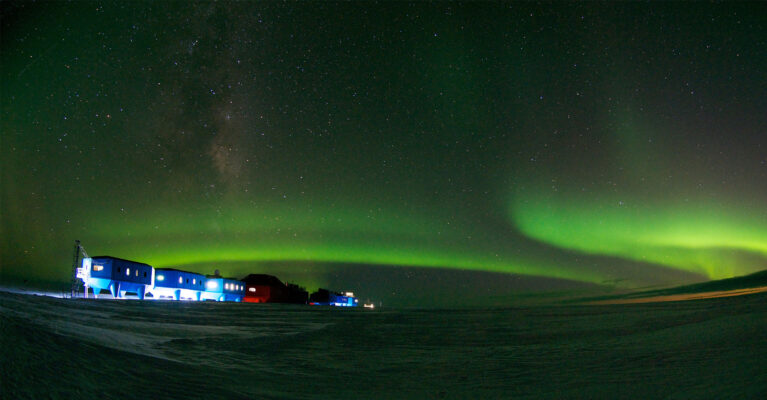
The objective of this project was to investigate whether magnetic reconnection in the space environment has a characteristic scale in space and time by characterising statistically the spatial and temporal structure of the footprint of reconnection as observed in the Earth’s ionosphere.