Reducing uncertainty in sea-level predictions
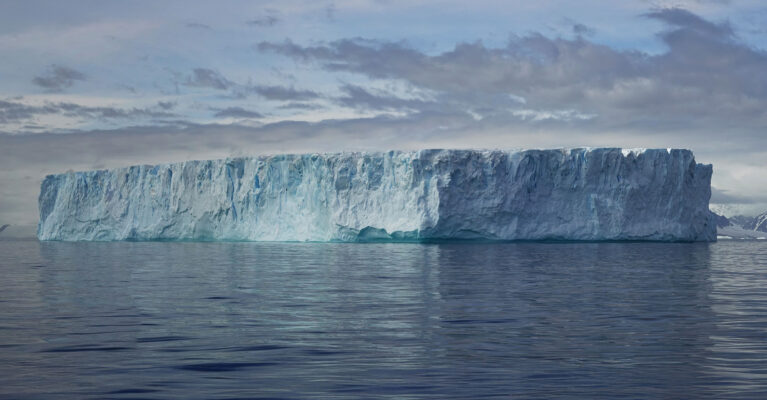
OCEAN:ICE studies how Antarctic ice and Southern Ocean processes drive sea-level rise and influence global climate, using new data and advanced ice–ocean–climate models.

37 to 48 of 266 projects
OCEAN:ICE studies how Antarctic ice and Southern Ocean processes drive sea-level rise and influence global climate, using new data and advanced ice–ocean–climate models.
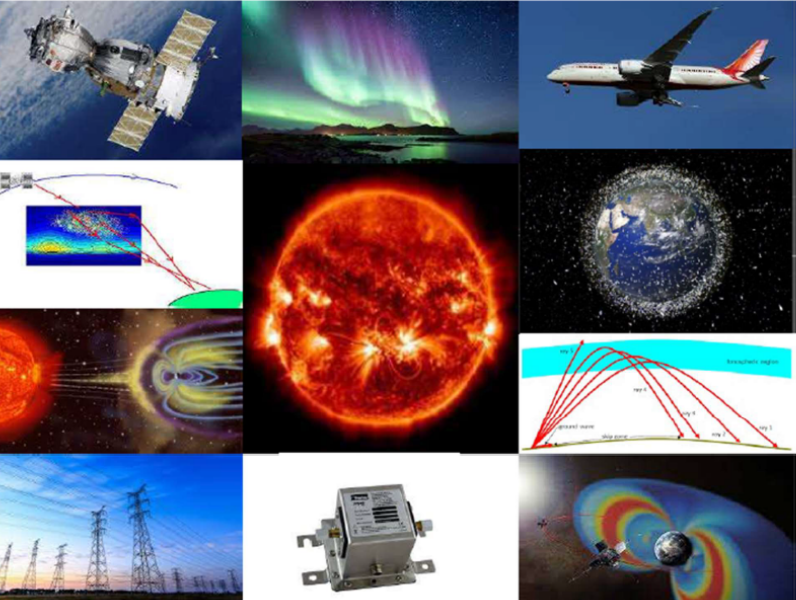
SWIMMR-T generated accurate and actionable nowcasts and forecasts of the thermosphere to reduced uncertainty estimates of the orbital characteristics of satellites and debris.
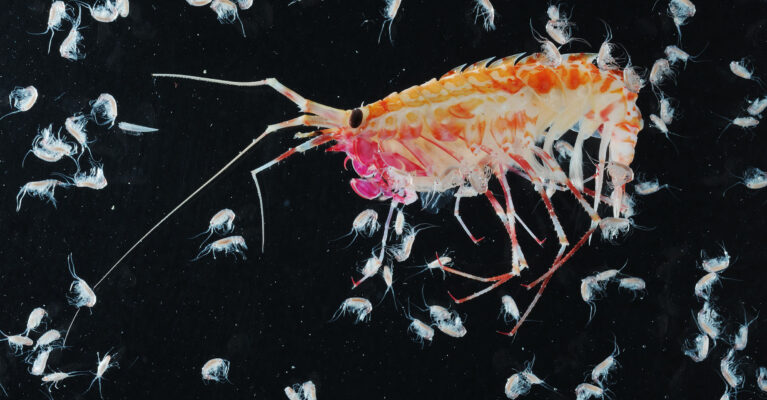
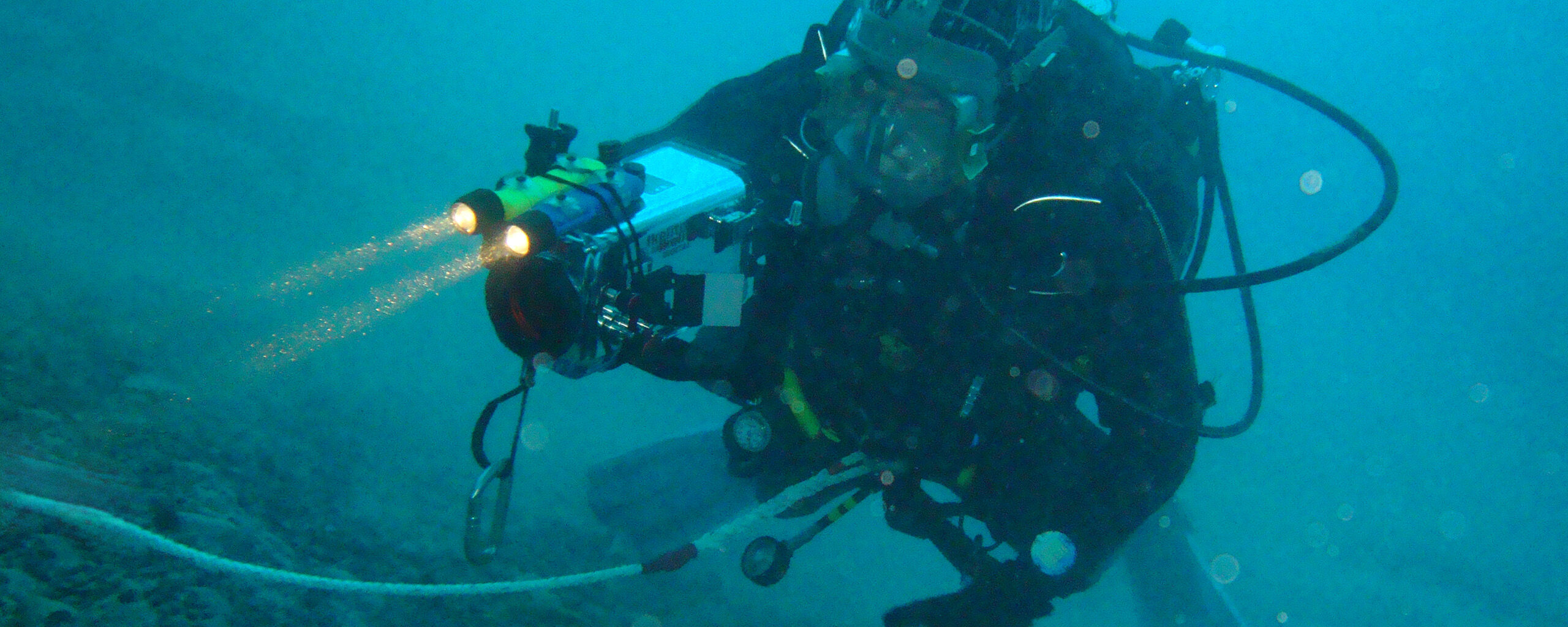
This project studies how Antarctic aquatic ectotherms — animals whose body temperature depends on their environment — survive in freezing waters.
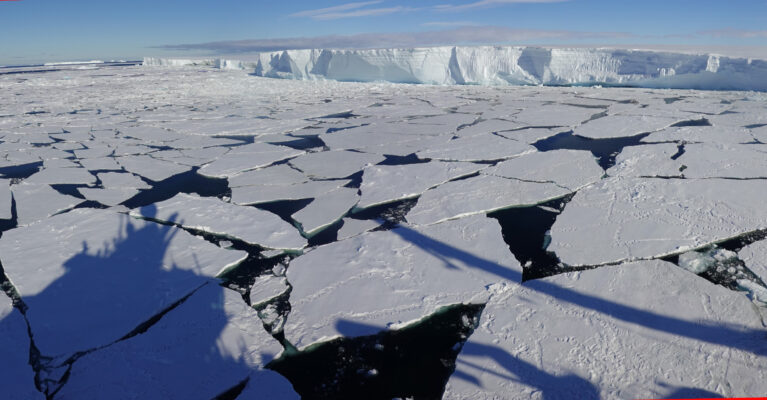
The recent extreme swings in Antarctic sea ice extent emphasise the need to increase our knowledge of the drivers and climate implications of Antarctic sea ice loss.
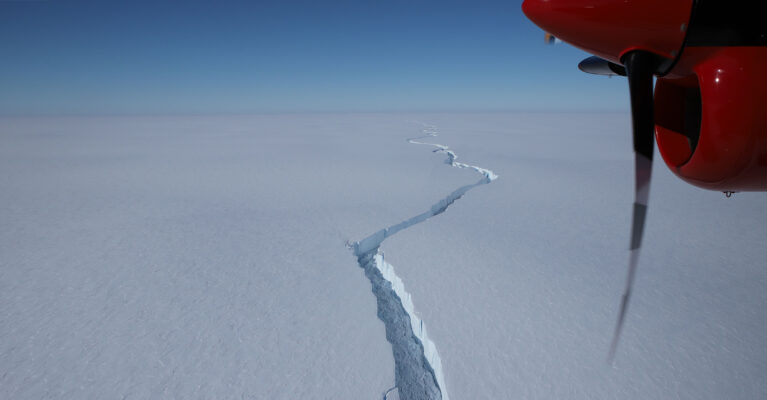
British Antarctic Survey is monitoring glaciological changes on the Brunt Ice Shelf, home to Halley Research Station.
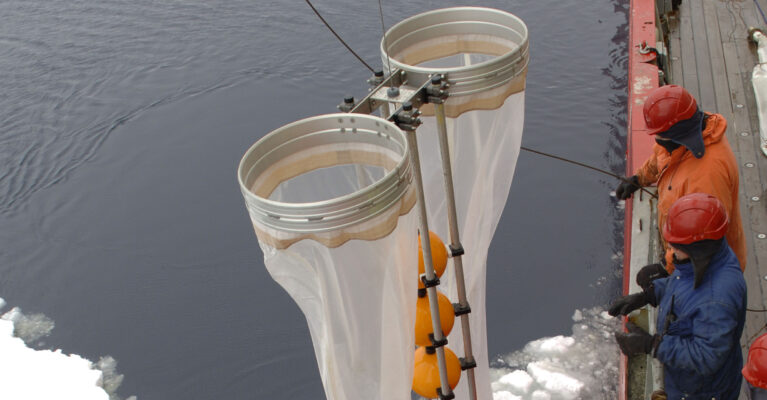
Zooplankton are a vital part of the Scotia Sea food web. The project aims to improve the way we manage and monitor the pelagic ecosystem around South Georgia.
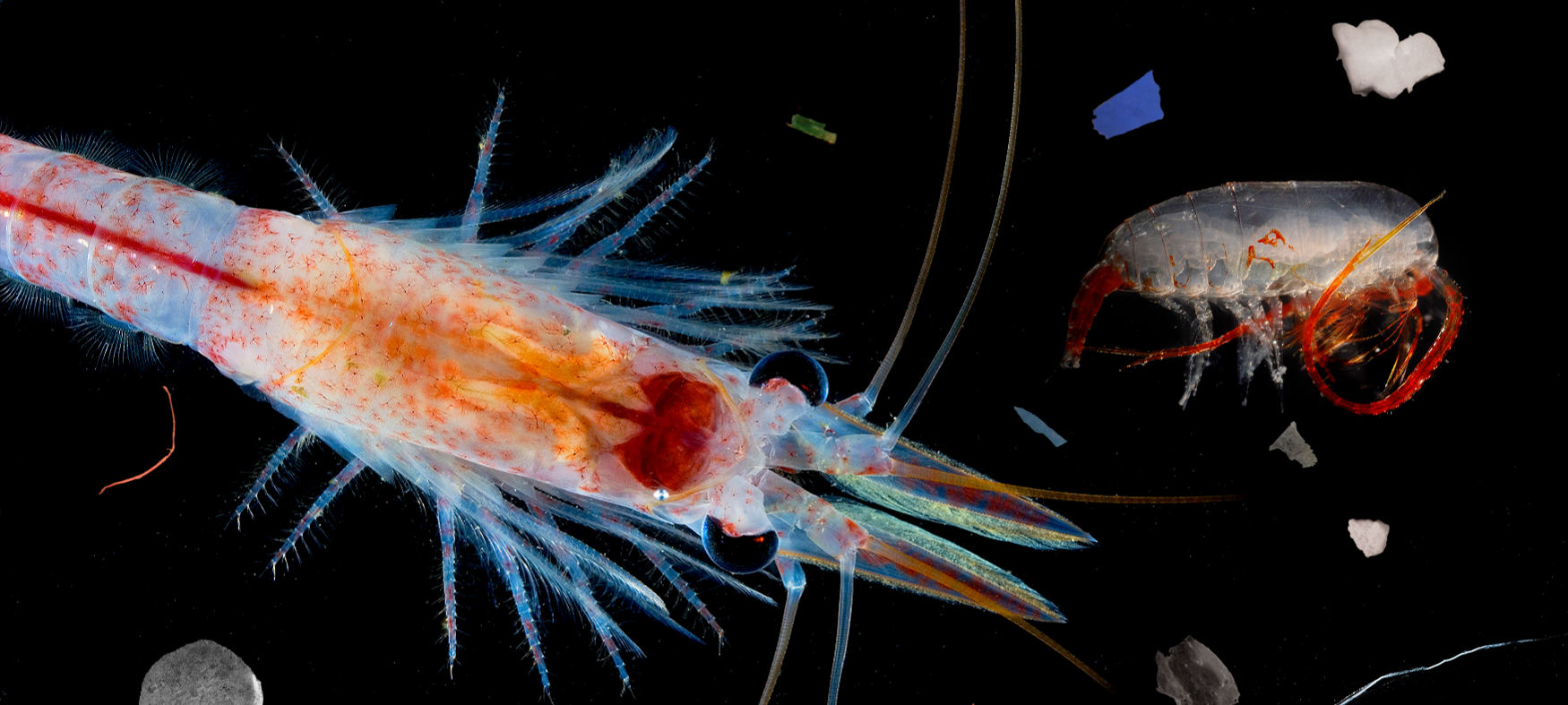
CUPIDO aims to address: what is the role of zooplankton in promoting the transport of plastic in the ocean? And how this plastic transport interferes with zooplankton’s ability to store carbon in the deep ocean?
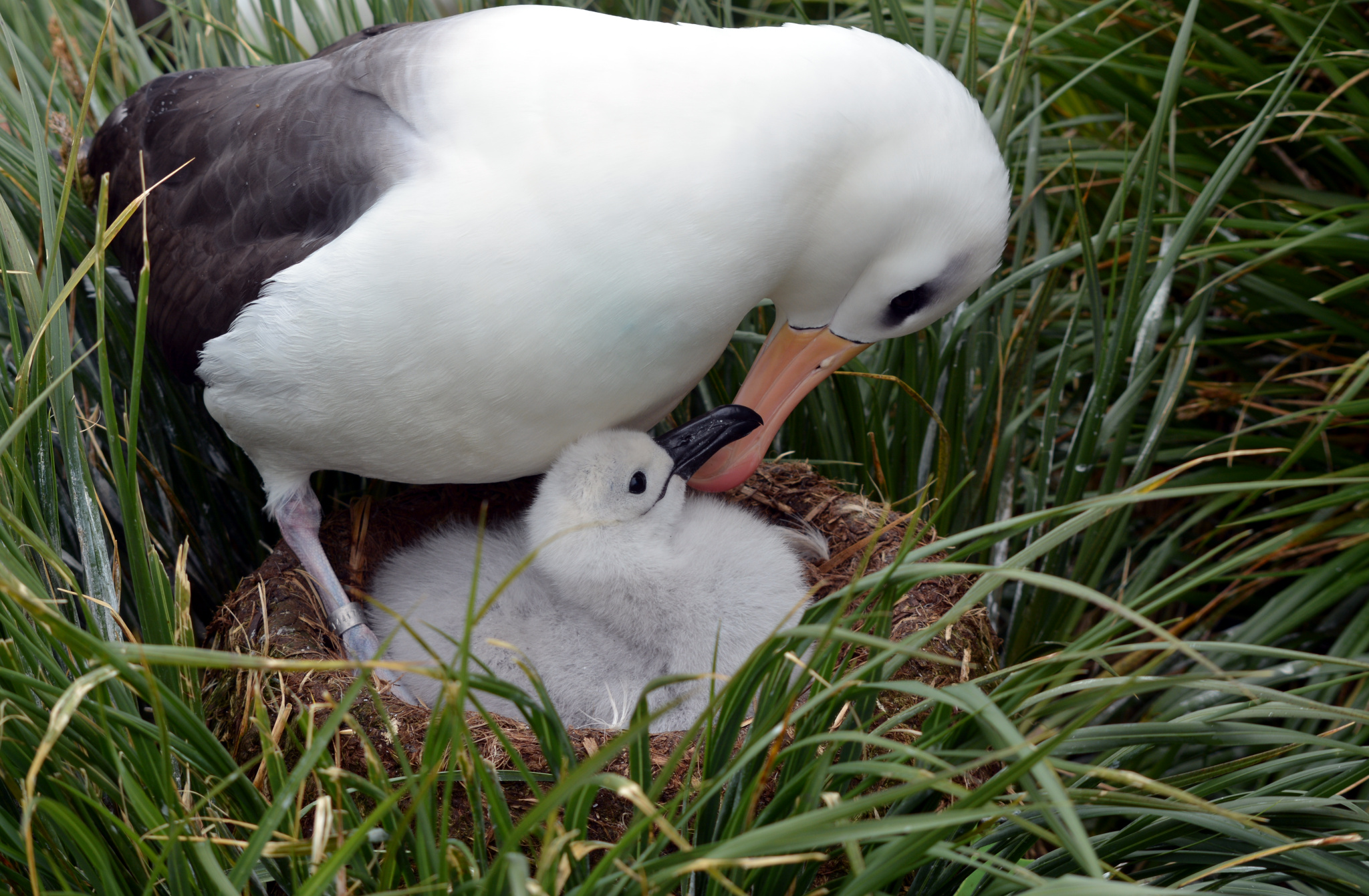
The main aims of this study are to map the distribution of juvenile black-browed albatrosses and to assess the survival rate of juveniles in the critical months after they fledge.

COMICS studied how carbon moves through the ocean’s ‘twilight zone’, the area between 100m and 1000m below the surface. This zone plays a key role in regulating atmospheric CO2 levels.
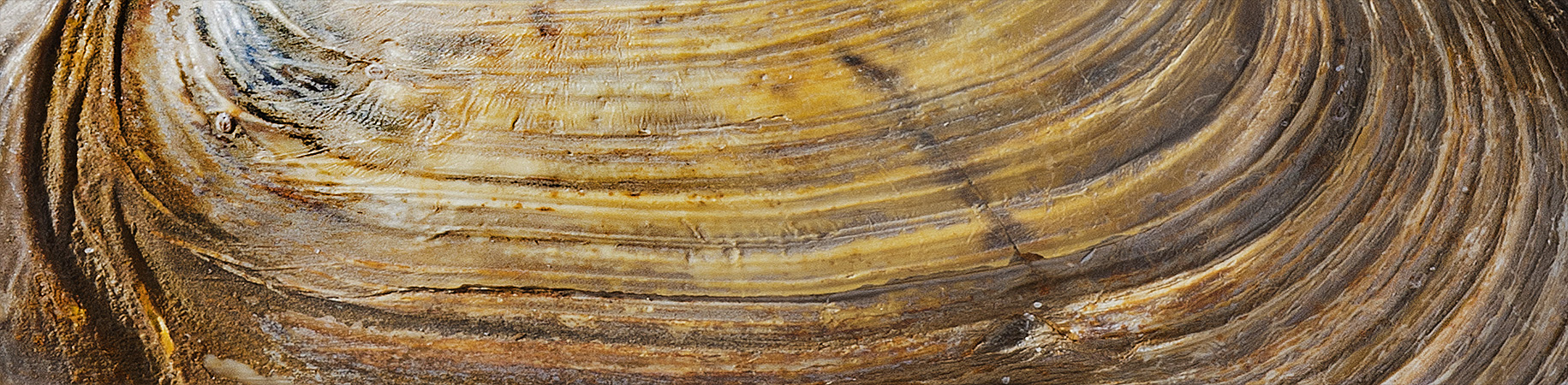
CACHE-ITN pushed forward our understanding of calcium production in warmer more acidic marine environments.
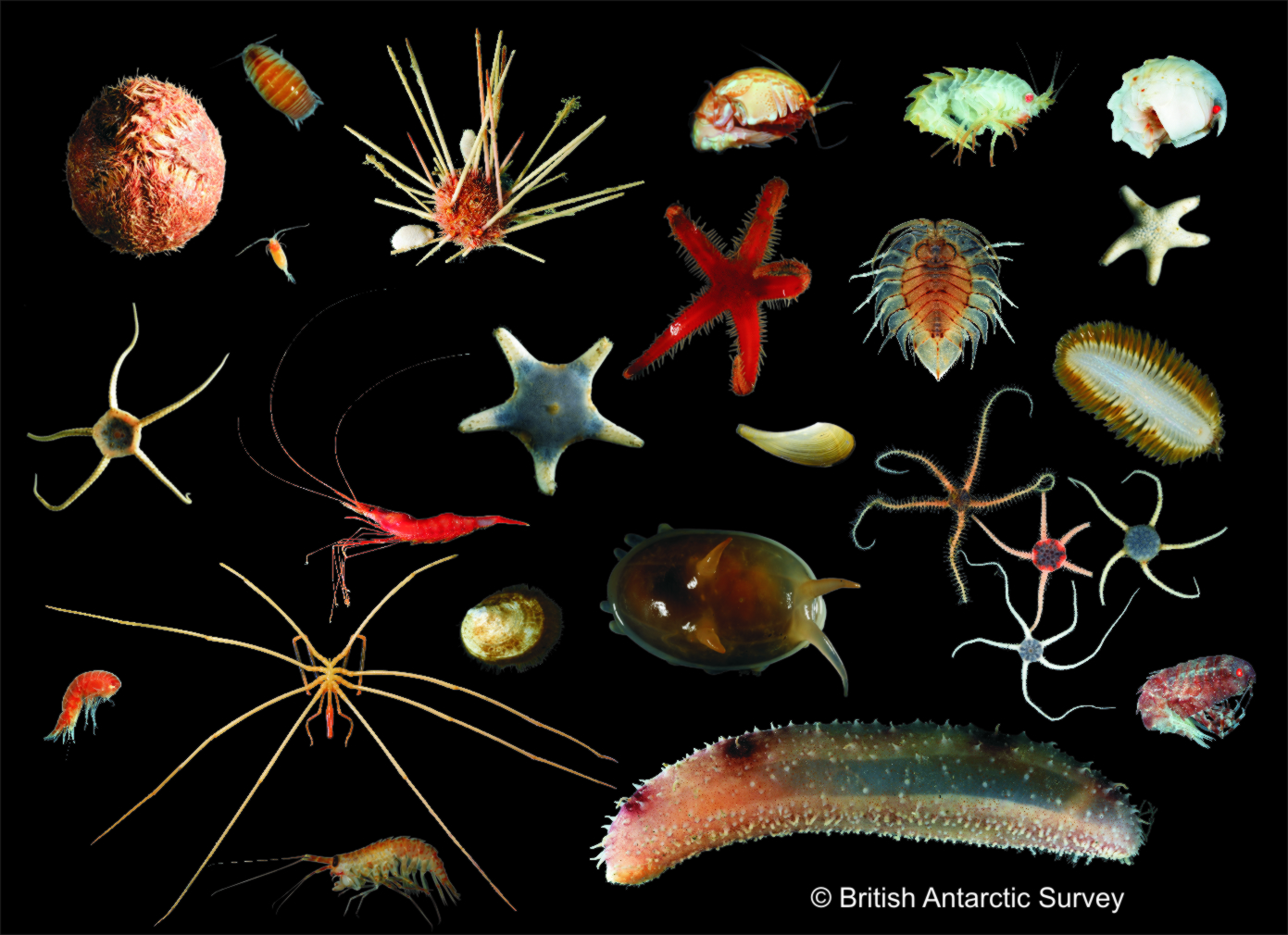
The Larsen-C Benthos project studied benthic biodiversity on the seabed exposed by the 2017 calving of the Larsen-C Ice Shelf.
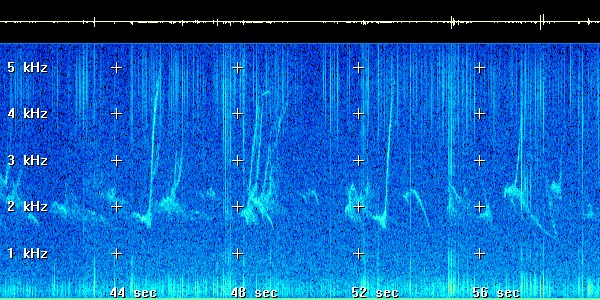
Sounds of Space uses a Very Low Frequency receiver to pick up radio waves made by our planet and investigate the science of space weather storms, to help understand potential space weather impacts on the climate system, and for lightning detection.