Meteorology and Ozone Monitoring
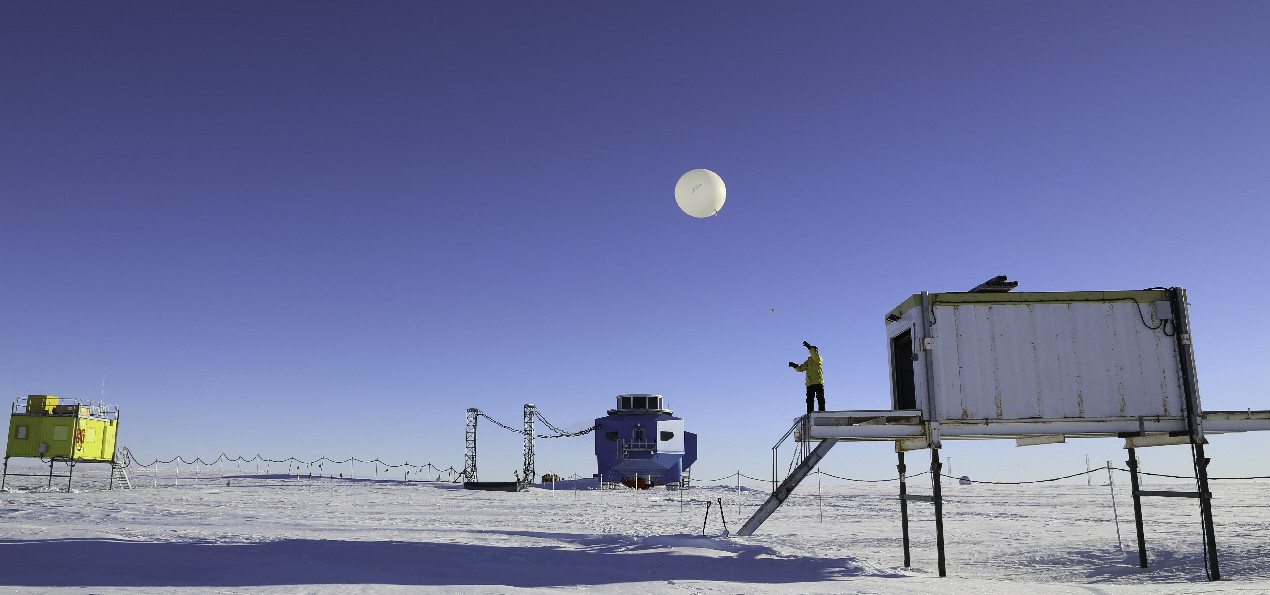
Long-term meteorological and ozone observations and data help determine the causes of climate change in the polar regions.

25 to 36 of 266 projects
Long-term meteorological and ozone observations and data help determine the causes of climate change in the polar regions.

About The largest source of uncertainty in sea-level projections is the Antarctic Ice Sheet and can partly be attributed to the computational restrictions of modelling such large bodies of ice. […]
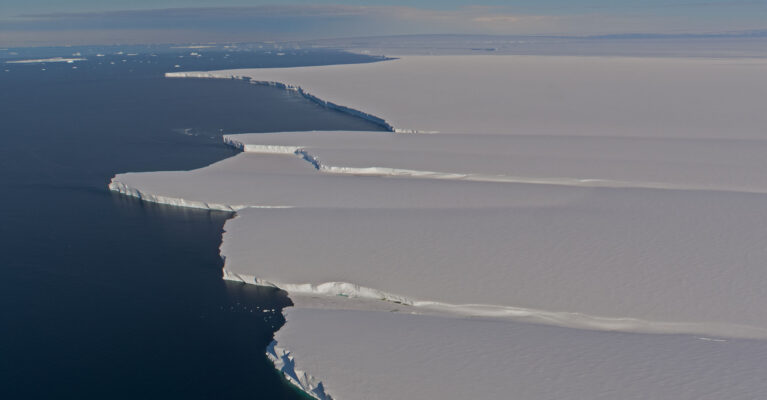
The OFIC project studied how ocean heat drove ice loss in rapidly retreating parts of the Antarctic ice sheet.
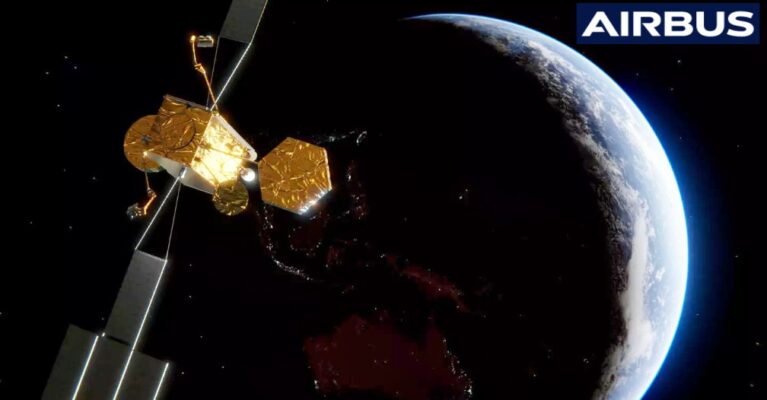
RADBELT-DA applies data assimilation techniques to improve radiation belt forecasts to protect satellites from space weather damage and service disruption.
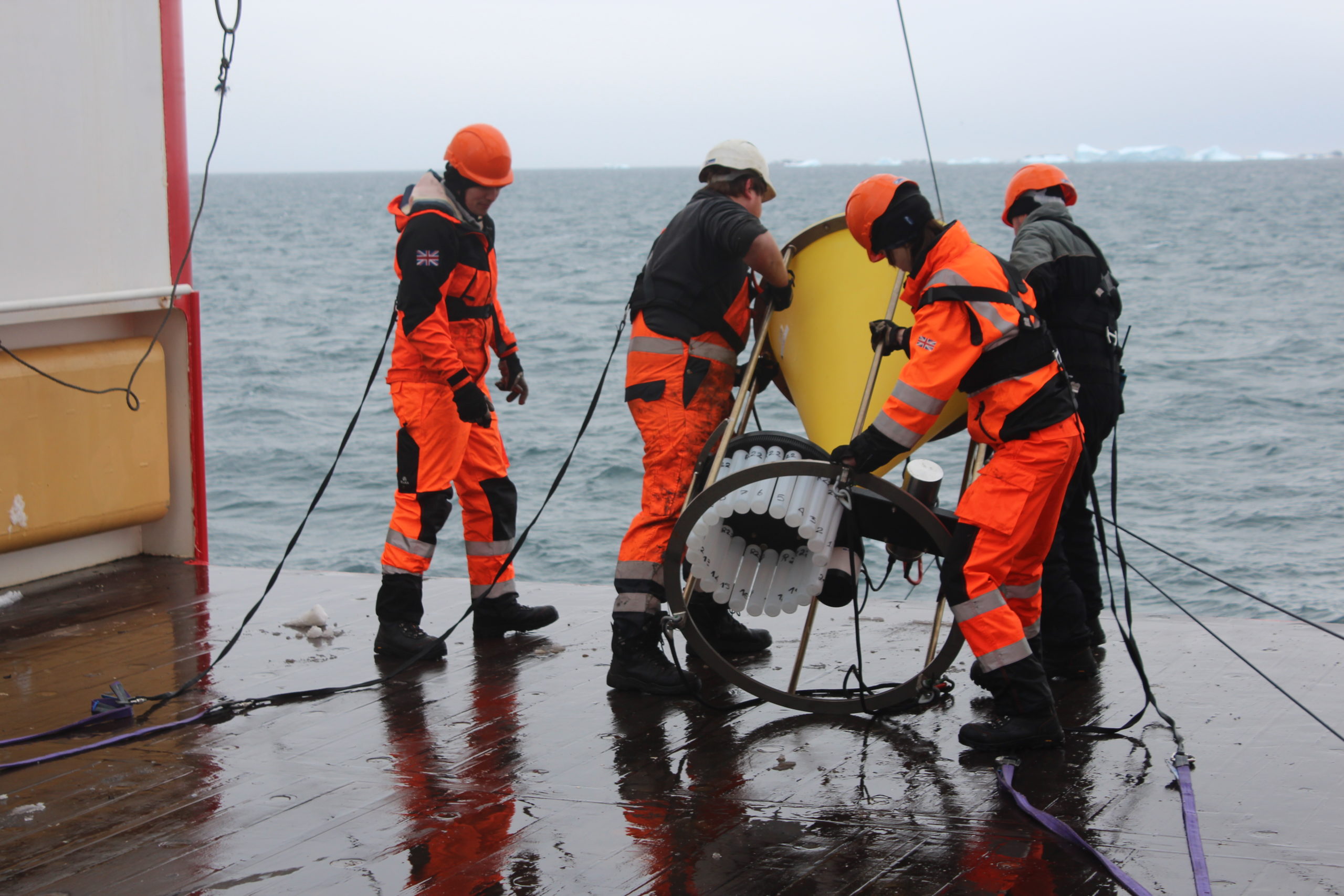
SCOOBIES makes long-term observations of key Earth system indicators in the Southern Ocean. These observations are vital for both UK and global science.
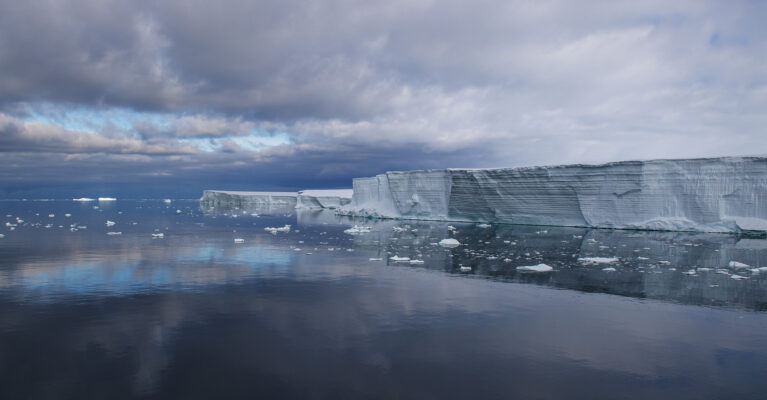
SiCLING studies how silicon cycles in Arctic and Antarctic glacial environments and how these cycles affect marine ecosystems and carbon flow.
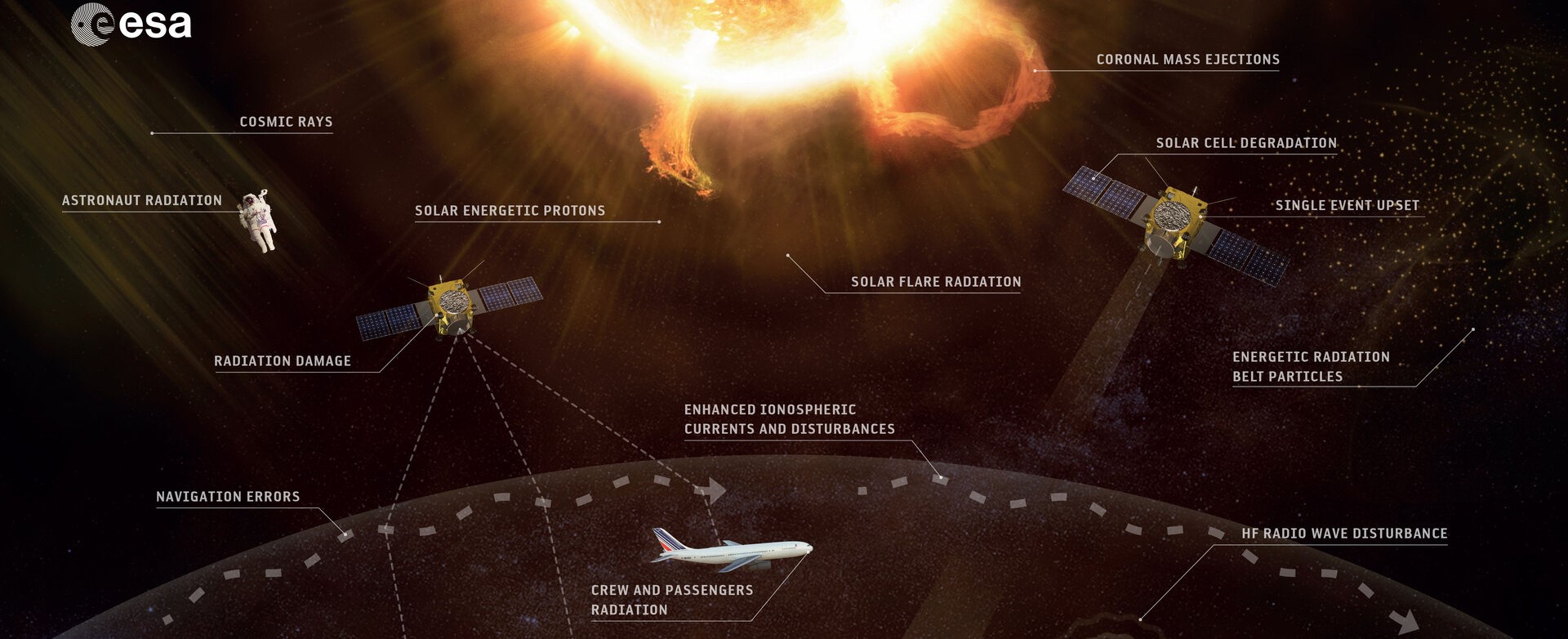
SEIEG is an independent committee of experts that provide support and advice to the UK Met Office and government departments.

Interacting effects of sea ice and wind on Antarctic seabirds (IcESWAS project) aims to determine the impacts on petrels of changing sea-ice and wind conditions
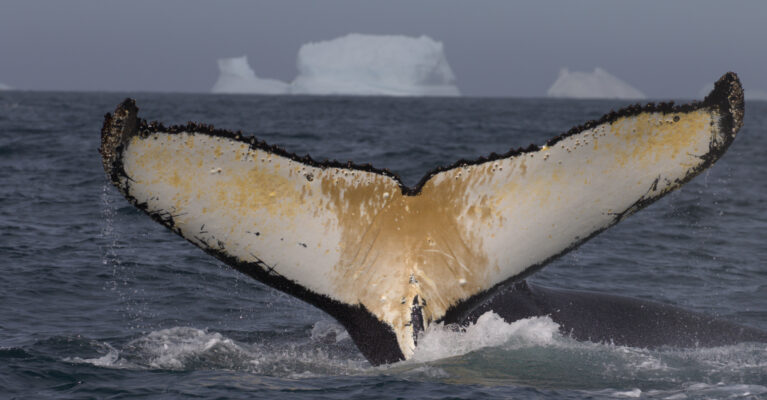
The Wild Water Whales project studies the recovery of baleen whale populations. Every shared photo or sighting becomes part of the recovery story.
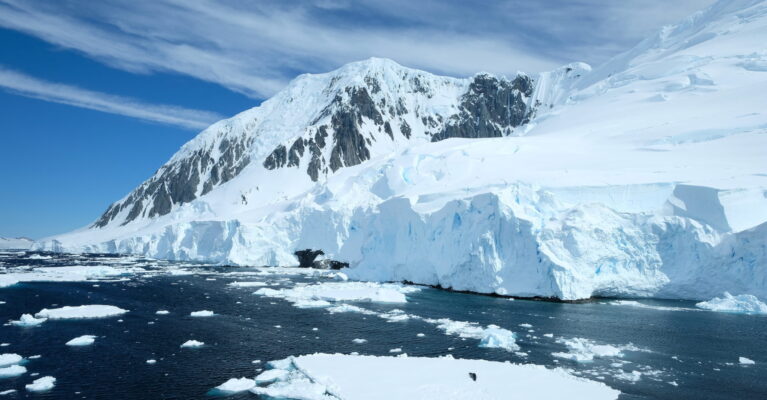
SURFEIT unites UK and international scientists to study Antarctic ice and atmosphere interactions, improve sea-level projections, and support climate action.
The Cambridge Centre for Climate Science has been established to promote research and other activities in Climate Science.
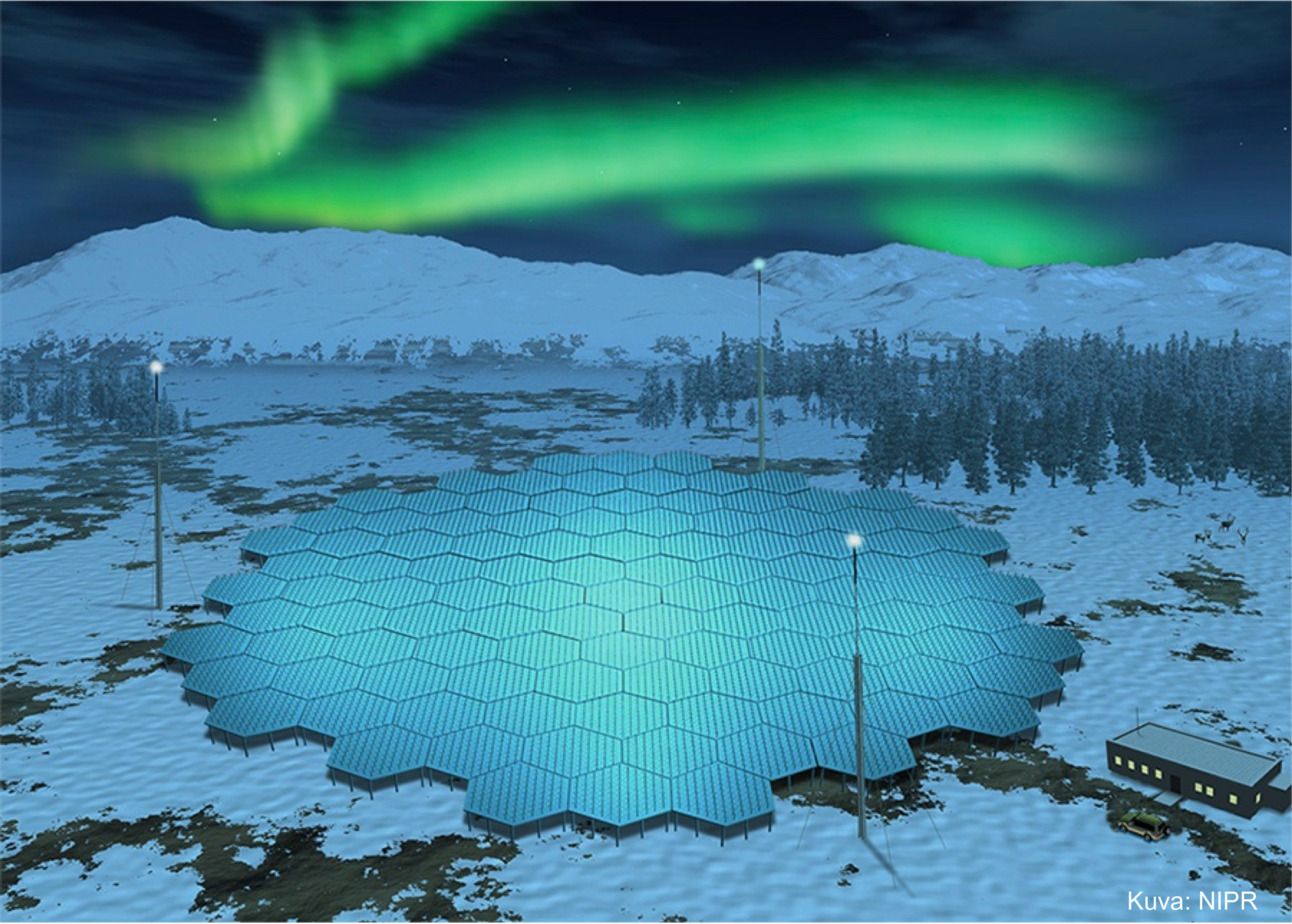
MesoS2D uses powerful radars and satellites to study a little-understood layer of the atmosphere, the mesosphere.