Ice Sheet Modelling

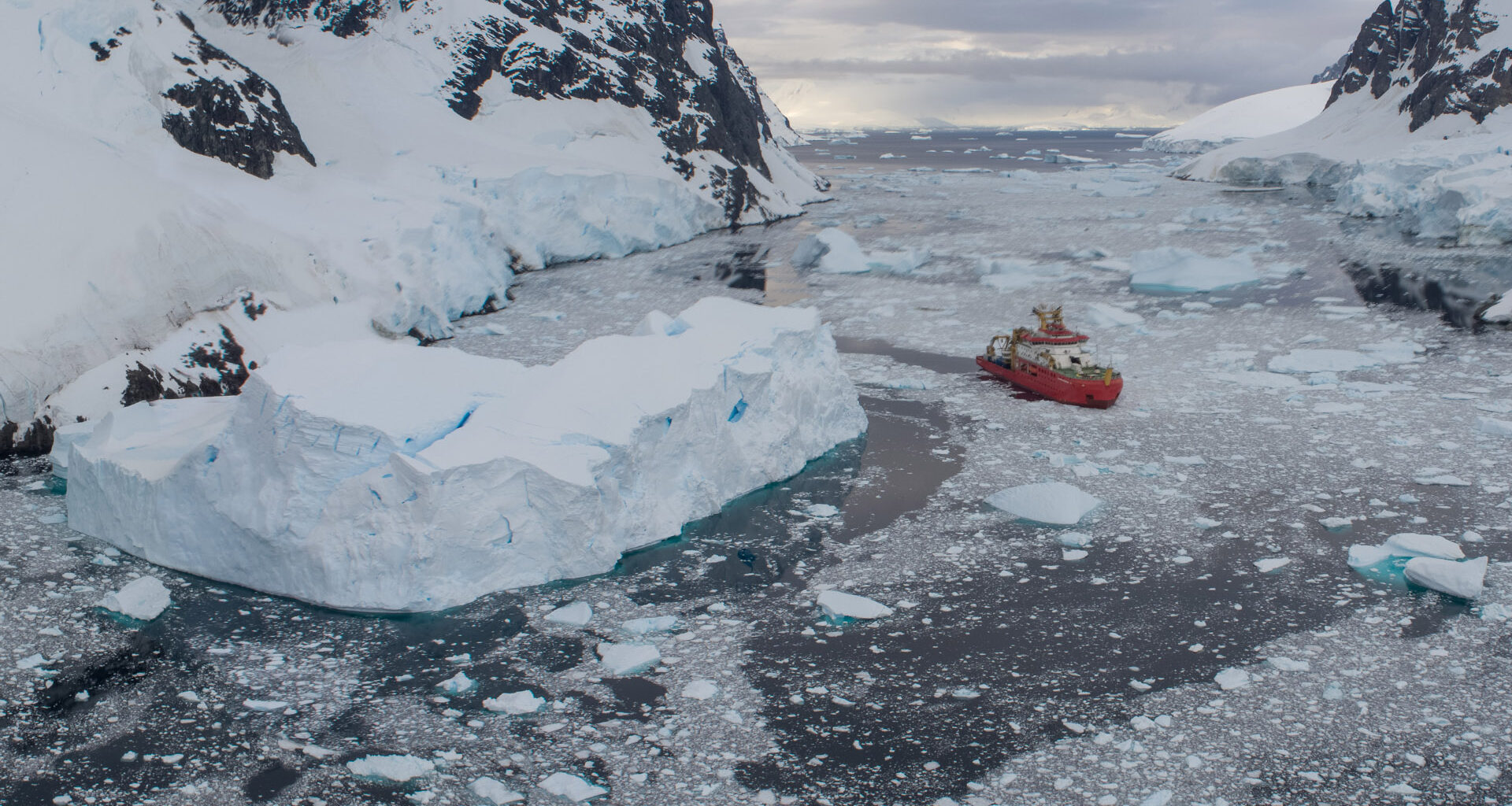
The PolarDT project is developing digital twins of the Antarctic and Arctic environments, research stations, ships, and autonomous vehicles. A digital twin is the timely synchronisation of information between the digital and physical version, making them ’twins’.
These tools make it possible to test “what if” questions and generate results far more quickly than traditional computer models. By working with global research partners, the aim is to contribute to the creation of a digital twin Earth.
Climate change is rapidly reshaping the polar regions. Animals such as polar bears, walrus, and caribou depend on sea ice, which is disappearing at an accelerating rate. Understanding and forecasting these changes is vital for biodiversity, conservation, and global weather and climate predictions.
Digital Twins can also improve how polar operations are planned. They can help reduce fuel use, lower carbon emissions, and make logistics more efficient, if designed appropriately — key steps towards British Antarctic Survey’s (BAS) net zero carbon goal by 2050.
The project applies artificial intelligence, deep learning, and Earth observation to improve predictions and support decision-making. What is key for a digital twin is the integration of all of these digital components listed into a bigger digital infrastructure, with data/information from one supporting the other. i.e., Not as standalone capabilities.
Key areas include:
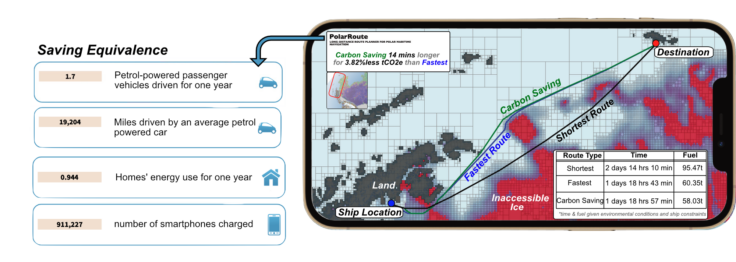
PolarRoute carbon saving routing example
The project brings together expertise in computer science, AI, marine operations, Earth observation, and polar science. BAS works with national and international research institutes and businesses to ensure the tools developed benefit both science and society.
A key legacy will be the creation of new datasets and digital platforms that support long-term research and decision-making in the polar regions.
Ice Sheet Modelling

Machine Learning Research Scientist

Machine Learning Research Scientist

Head of MAGIC

Machine Learning Research Scientist
Artificial Intelligence (AI) Lab, BAS Science Strategy Executive Group

AI Team Lead

Ice Sheet Modeller
Reaching net zero, as a country or a business, requires new measures, technology and innovations. Digital twins are an example of this; they can be a powerful tool to drive innovation and efficiency.