
Director

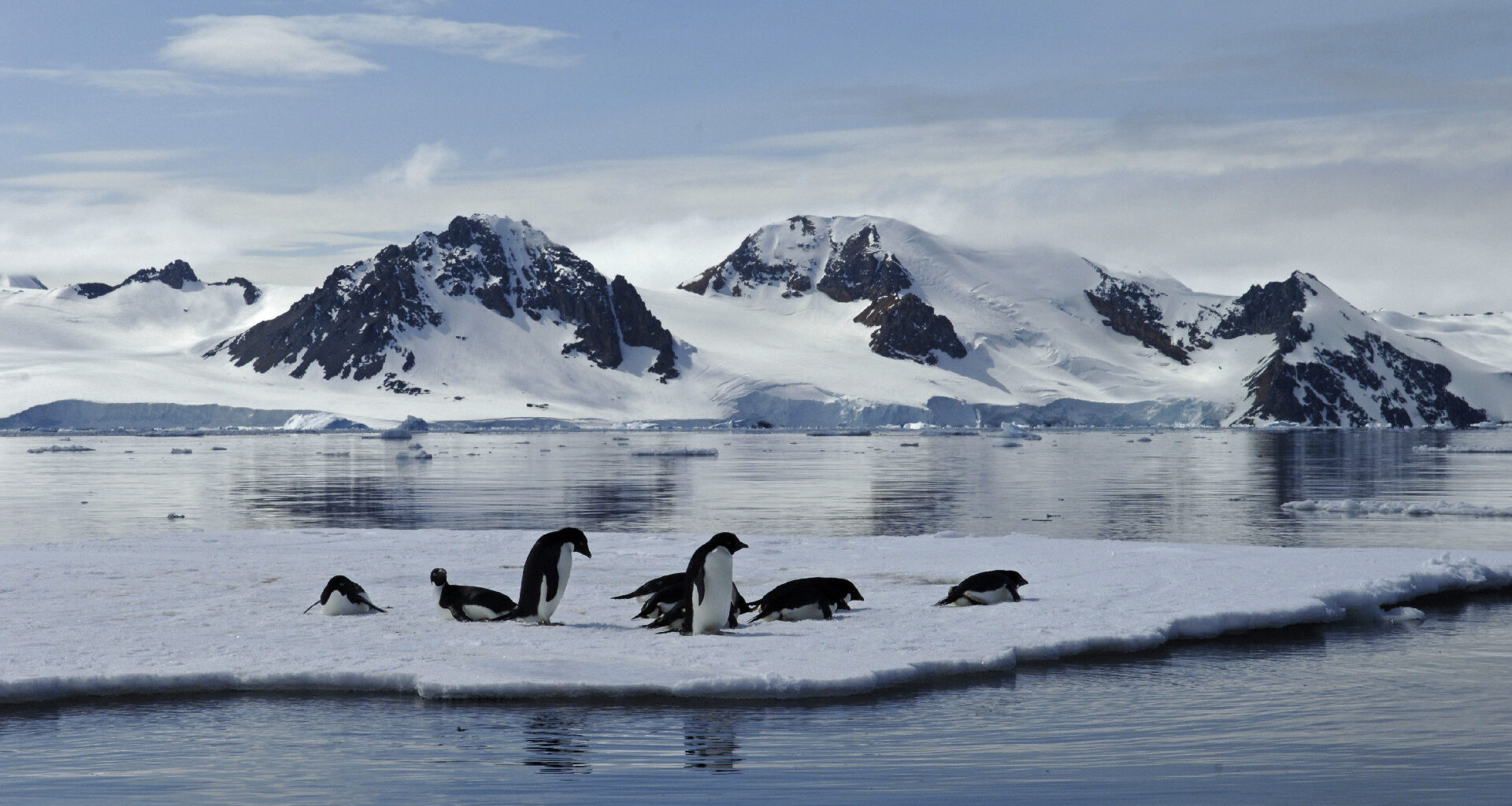
National Antarctic programmes are coordinating their science to understand changes in Antarctica.
Antarctica InSync brings together researchers from around the world including British Antarctic Survey to study the continent and the Southern Ocean at the same time.
Antarctica isn’t just a distant ice sheet – it plays a vital role in our planet’s climate. Changes there affect sea levels, ocean currents and weather patterns worldwide.
This work supports the UN Ocean Decade’s goals to understand and protect our global ocean.
The project aims to build knowledge that no single nation could create alone. Instead of working separately, research teams will plan their field work together to better collect and share data. This will reveal how Antarctica’s ice, ocean, climate and wildlife are changing.
Scientists will share results through regular meetings, workshops and shared databases, enabling connections that individual studies might have missed.
Antarctica InSync focuses on seven key areas:
Antarctica InSync focuses on seven key areas:
Director

Director
BAS Science Strategy Executive Group, Leadership teams, BAS Executive team

IDP Science Leader IMP 3
BAS Science Strategy Executive Group, Ice Dynamics and Palaeoclimate team

Science Leader IMP 3

Head of MAGIC

Science Leader/Polar Oeans

Atmospheric Chemistry Instrument Scientist

Atmospheric and Glaciochemist DSL

Head of Polar Data Centre

Ocean Adjoint Modeller