Resisting temperature change in the marine environment
A research project studying temperature tolerances of over 20 Antarctic marine invertebrate species at Rothera Research Station.


Professor Melody Clark is an Individual Merit Promotion Scientist (IMP) and Project Leader at BAS. She has a genetics degree and PhD from London University. After a string of short-term post doc contracts working on areas ranging from plant chromosomes to the high-profile Japanese pufferfish genome project, she finally landed a job as Project Leader at the British Antarctic Survey (BAS) in August 2003. She currently leads the Adaptations group, which studies two main areas: how animals adapt to the extreme cold and how they may react in the face of predicted climate change, also how molluscs produce their shells (essential protection if there’s a large iceberg in the area for the Antarctic species, not really a problem for the temperate species we study). Grant income is currently running at over £7M in the past 10 years, with the most recent significant grant being PI and Co-ordinator of the EU Marie Curie Initial Training Network FP7-PEOPLE-2013-ITN Project no: 605051: CACHE: CAlcium in a CHanging Environment, from November 2013 with a budget of circa €3.7M. In 2007 She was awarded the Senior Prize for Outstanding Women in Marine Biological Sciences Prize, awarded by the EU-FP6 Network of Excellence, Marine Genomics Europe. She was also awarded the Polar Medal (Arctic and Antarctic) in 2022, for her scientific contribution to the Polar Sciences.
She pledged to be flight-free (https://flightfree.co.uk/) for 2023 to reduce her carbon emissions. In 2024 she has pledged to be flight-free with the exception of a trip to Rothera Research Station (work-related and unavoidable)
Professional Experience:
2023-present: Research Fellow Wolfson College and member of Wolfson College Council
2021-present: Honorary Professor in the School of Biological and Marine Sciences, Faculty of Science and Engineering, University of Plymouth
Apr 2018: Individual Merit Promotion award
2018-present: Council member and Senior Fellow Cell Stress Society International
Mar 2017-present:Visiting Chair at the University of the Highlands and Islands
Apr 2005-present: Project Leader at BAS
Apr 2003-Mar 2005: Genomic Scientist BAS
Nov 1998 – July 2003: Senior Scientist – HGMP Resource Centre, Cambridge
Dec 1993 – Oct 1998: Higher Scientific Officer – Addenbrooke’s Hospital, Cambridge
Jan 1991 – Dec 1993: Research Fellow – School of Biological Sciences, QMW
Oct 1991 – Mar 1992: Visiting Scientist – University of Helsinki
Sept 1988 – Dec 1990: Research Fellow – Dept of Biological Sciences, Wye College
July 1985 – July 1988: PhD Student – Imperial College, University of London
Sept 1983 – June 1985: Cytogeneticist – North-East Thames Regional Health Authority
Education:
D.Sc Imperial College, London (2015)
Ph.D. in Genetics, Imperial College, University of London (1988)
Diploma of Imperial College (DIC) Imperial College (1988)
BSc Major in Genetics 2(i), Queen Mary College, University of London (1983)
My research interests centre around the development of cross-disciplinary studies into the Environmental Genomics of Antarctic organisms. In particular, I am investigating how marine animals have adapted to life in the cold. I also use molecular analyses to understand marine organisms’ capacity to cope in stressful environments over timescales from days to years. Personal research includes a long-term interest on Antarctic species’ limited heat-shock (stress) response.
Thyrring, Jakob. Freitas, Rosa. Clark, Melody S. ORCID record for Clark, Melody S.. (2026) Lead exposure modulates thermal vulnerability in Mytilus edulis under multi-stressor conditions.
Marty, Anne-Pia Myriam ORCID record for Marty, Anne-Pia Myriam. Rahmani, Amir. van Tartwijk, Francesca Wilhelmina ORCID record for van Tartwijk, Francesca Wilhelmina. Peck, Lloyd ORCID record for Peck, Lloyd. Clark, Melody Susan ORCID record for Clark, Melody Susan. Kaminski, Clemens F. ORCID record for Kaminski, Clemens F.. (2026) Challenges and limitations for live cell imaging in extreme cold.
Cook, Alison. Dawson, Jackie. Holloway, Jean. Milton, Michael. Tagalik, Shirley. Baker, Kukik. Muckpah, Jimmy. Elverum, Shelly. Boyse, Elizabeth ORCID record for Boyse, Elizabeth. Clark, Melody S. ORCID record for Clark, Melody S.. Manno, Clara ORCID record for Manno, Clara. Peck, Victoria ORCID record for Peck, Victoria. Risch, Denise. (2026) Implications of changing shipping patterns near communities across Arctic Canada.
Hwengwere, Kudzai ORCID record for Hwengwere, Kudzai. Gregson, Benjamin H. Salter, Susannah J. Bolton, Emma. Alqahtani, Lama. Rofael, Sylvia. Teixeira, Vitor H. McHugh, Timothy D. January, Grant G. Peck, Lloyd S. ORCID record for Peck, Lloyd S.. Upton, Mathew. Clark, Melody S. ORCID record for Clark, Melody S.. (2026) The effects of feeding guild, seasonality, and warming on the gut microbiomes of Antarctic echinoderms.
Jessop, Aaron. Steyaert, Margaux. Daraghmeh, Nauras. Pagnier, Justine. Clark, Melody S. ORCID record for Clark, Melody S.. Peck, Lloyd S. ORCID record for Peck, Lloyd S.. Fraser, Keiron P.P. (2025) A review of autonomous reef monitoring structures (ARMS) for monitoring hard-bottom benthic biodiversity.
Moreno, Bernabé ORCID record for Moreno, Bernabé. Peck, Lloyd ORCID record for Peck, Lloyd. Clark, Melody ORCID record for Clark, Melody. Dunlop, Katherine. Barnes, David ORCID record for Barnes, David. Bluhm, Bodil. Molis, Markus. Ziegler, Amanda. Longsden, Jack. Hatt, Ainsley. Jordà Molina, Èric. Souster, Terri. (2025) Heated settlement plates (HSPl) in global experimentation: Experiences, research questions, future applications and collaborations.
Boyse, Elizabeth ORCID record for Boyse, Elizabeth. Clark, Melody ORCID record for Clark, Melody. Carr, Ian M. Cook, Alison J. Archambault, Phillippe. Holloway, Jean E. Luo, Zhewen. Milton, Michael. Roy, Mathieu. Dawson, Jackie. Peck, Victoria L. ORCID record for Peck, Victoria L.. (2025) Expanding Monitoring Capacity for Potential Invasive Species in Arctic Canada With Environmental DNA Metabarcoding.
Sleight, Victoria A. Clark, Melody S. ORCID record for Clark, Melody S.. Yap-Chiongco, Meghan K. Turner, Frances. Kocot, Kevin M. (2025) Genomic, transcriptomic and epigenomic signatures of ageing and cold adaptation in the Antarctic clam Laternula elliptica.
Mathews, Ryan ORCID record for Mathews, Ryan. Peck, Lloyd ORCID record for Peck, Lloyd. Barnes, David ORCID record for Barnes, David. Morley, Simon ORCID record for Morley, Simon. Clark, Melody ORCID record for Clark, Melody. Cleary, Alison ORCID record for Cleary, Alison. (2025) Rothera Runway Extension Biodiversity Survey Report 2023-2024.
Hwengwere, Kudzai. January, Grant G. Howell, Kerry L. Peck, Lloyd S. ORCID record for Peck, Lloyd S.. Upton, Mathew. Clark, Melody S. ORCID record for Clark, Melody S.. (2025) Psychrotrophic Antarctic marine bacteria as potential reservoirs for novel antimicrobial genes.
Clark, Melody S ORCID record for Clark, Melody S. Gregson, Benjamin H. Greco, Carla. Nair, Harisree Paramel. Clark, Marlon. Evans, Claire ORCID record for Evans, Claire. Hughes, Kevin A ORCID record for Hughes, Kevin A. Hwengwere, Kudzai. Leung, Marcus. Peck, Lloyd S ORCID record for Peck, Lloyd S. Walker, Caray A. Chow, William. (2025) Assessing the impact of sewage and wastewater on antimicrobial resistance in nearshore Antarctic biofilms and sediments.
Marty, Anne‐Pia M. ORCID record for Marty, Anne‐Pia M.. Ward, Edward N. ORCID record for Ward, Edward N.. Lamb, Jacob R. ORCID record for Lamb, Jacob R.. van Tartwijk, Francesca W. ORCID record for van Tartwijk, Francesca W.. Peck, Lloyd S. ORCID record for Peck, Lloyd S.. Clark, Melody S. ORCID record for Clark, Melody S.. Kaminski, Clemens F. ORCID record for Kaminski, Clemens F.. (2024) A High-Resolution Microscopy System for Biological Studies of Cold-Adapted Species Under Physiological Conditions.
White, Oliver W. Walkington, Sarah. Carter, Hugh. Hughes, Lauren. Clark, Melody ORCID record for Clark, Melody. Mock, Thomas. Tarling, Geraint A. ORCID record for Tarling, Geraint A.. Clark, Matthew D. (2024) Exome capture of Antarctic krill (Euphausia superba) for cost effective genotyping and population genetics with historical collections.
Frontier, Nadia ORCID record for Frontier, Nadia. Marlow, Joseph. Giles, Adriana. Morley, Simon A. ORCID record for Morley, Simon A.. Clark, Melody S. ORCID record for Clark, Melody S.. Peck, Lloyd S. ORCID record for Peck, Lloyd S.. (2024) Growth and ecophysiology of two Antarctic benthic predators; Isotealia antarctica and Urticinopsis antarctica.
Fraser, Keiron P.P. ORCID record for Fraser, Keiron P.P.. Peck, Lloyd S. ORCID record for Peck, Lloyd S.. Clark, Melody S. ORCID record for Clark, Melody S.. Clarke, Andrew ORCID record for Clarke, Andrew. (2024) A comparative study of tissue protein synthesis rates in an Antarctic, Harpagifer antarcticus and a temperate, Lipophrys pholis teleost.
Morley, Simon A. ORCID record for Morley, Simon A.. Bates, Amanda E. Clark, Melody S. ORCID record for Clark, Melody S.. Fitzcharles, Elaine. Smith, Rebecca. Stainthorp, Rose E. Peck, Lloyd ORCID record for Peck, Lloyd. (2024) Testing the resilience, physiological plasticity and mechanisms underlying upper temperature limits of Antarctic marine ecto-therms.
Bourboulia, Dimitra. Blair, Laura J. Clark, Melody S. ORCID record for Clark, Melody S.. Edkins, Adrienne L. Hightower, Lawrence E. Mollapour, Mehdi. Prahlad, Veena. Repasky, Elizabeth A. Truebano, Manuela. Truman, Andrew W. Truttmann, Matthias C. van Oosten-Hawle, Patricija. Woodford, Mark R. (2024) Editorial: A new chapter for Cell Stress and Chaperones.
Clark, M.S. ORCID record for Clark, M.S.. Hoffman, J.I. Peck, L.S. ORCID record for Peck, L.S.. Bargelloni, L. Gande, D. Havermans, C. Meyer, B. Patarnello, T. Phillips, T. ORCID record for Phillips, T.. Stoof-Leichsenring, K.R. Vendrami, D.L.J. Beck, A. Collins, G. Friedrich, M.W. Halanych, K.M. Masello, J.F. Nagel, R. Norén, K. Printzen, C. Ruiz, M.B. Wohlrab, S. Becker, B. Dumack, K. Ghaderiardakani, F. Glaser, K. Heesch, S. Held, C. John, U. Karsten, U. Kempf, S. Lucassen, M. Paijmans, A. Schimani, K. Wallberg, A. Wunder, L.C. Mock, T. (2023) Multi-omics for studying and understanding polar life.
Clark, Melody S. ORCID record for Clark, Melody S.. Shabtay, Ariel. Waters, Elizabeth R. Truebano, Manuela. (2023) Organisms in a changing world [Editorial].
Hoffman, J.I. ORCID record for Hoffman, J.I.. Heesch, S. Clark, M.S. ORCID record for Clark, M.S.. (2023) Editorial: Polar genomics in a changing world.
Bista, Iliana. Wood, Jonathan M.D. Desvignes, Thomas. McCarthy, Shane A. Matschiner, Michael. Ning, Zemin. Tracey, Alan. Torrance, James. Sims, Ying. Chow, William. Smith, Michelle. Oliver, Karen. Haggerty, Leanne. Salzburger, Walter. Postlethwait, John H. Howe, Kerstin. Clark, Melody S. ORCID record for Clark, Melody S.. Detrich III, William H. Cheng, C.-H. Christina. Miska, Eric A. Durbin, Richard. (2023) Genomics of cold adaptations in the Antarctic notothenioid fish radiation.
Collins, Michael. Clark, Melody S. ORCID record for Clark, Melody S.. Truebano, Manuela. (2023) The environmental cellular stress response: the intertidal as a multistressor model.
Clark, Melody S. ORCID record for Clark, Melody S.. (2023) Letter to Professor Currie [Letter].
van Oosten-Hawle, Patricija. Backe, Sarah J. Ben-Zvi, Anat. Bourboulia, Dimitra. Brancaccio, Mara. Brodsky, Jeff. Clark, Melody ORCID record for Clark, Melody. Colombo, Giorgio. Cox, Marc B. De Los Rios, Paolo. Echtenkamp, Frank. Edkins, Adrienne. Freeman, Brian. Goloubinoff, Pierre. Houry, Walid. Johnson, Jill. LaPointe, Paul. Li, Wei. Mezger, Valerie. Neckers, Len. Nillegoda, Nadinath B. Prahlad, Veena. Reitzel, Adam. Scherz-Shouval, Ruth. Sistonen, Lea. Tsai, Francis T. F. Woodford, Mark R. Mollapour, Mehdi. Truman, Andrew W. (2023) Second Virtual International Symposium on Cellular and Organismal Stress Responses, September 8–9, 2022 [Meeting Review].
Cavallo, Alessandro ORCID record for Cavallo, Alessandro. Clark, Melody S. ORCID record for Clark, Melody S.. Peck, Lloyd S. ORCID record for Peck, Lloyd S.. Harper, Elizabeth M. Sleight, Victoria ORCID record for Sleight, Victoria. (2022) Evolutionary conservation and divergence of the transcriptional regulation of bivalve shell secretion across life history stages.
Hwengwere, K. ORCID record for Hwengwere, K.. Paramel Nair, H. Hughes, K.A. ORCID record for Hughes, K.A.. Peck, L.S. ORCID record for Peck, L.S.. Clark, M.S. ORCID record for Clark, M.S.. Walker, C.A. (2022) Antimicrobial resistance in Antarctica: is it still a pristine environment?.
Fonseca, V.G. Giebner, H. Kirse, A. Vause, B.J. Drago, T. Power, D.M. Peck, L.S. ORCID record for Peck, L.S.. Clark, M.S. ORCID record for Clark, M.S.. (2022) Metabarcoding the Antarctic Peninsula biodiversity using a multi-gene approach.
Fraser, Keiron P.P. Peck, Lloyd S. ORCID record for Peck, Lloyd S.. Clark, Melody S. ORCID record for Clark, Melody S.. Clarke, Andrew ORCID record for Clarke, Andrew. Hill, Simeon L. ORCID record for Hill, Simeon L.. (2022) Life in the freezer: Protein metabolism in Antarctic fish.
Barrett, Nicholas J. ORCID record for Barrett, Nicholas J.. Thyrring, Jakob. Harper, Elizabeth M. Sejr, Mikael K. Sørensen, Jesper G. Peck, Lloyd S. ORCID record for Peck, Lloyd S.. Clark, Melody S. ORCID record for Clark, Melody S.. (2022) Molecular responses to thermal and osmotic stress in Arctic intertidal mussels (Mytilus edulis): The limits of resilience.
Nieva, Leyre Villota. Peck, Lloyd S. ORCID record for Peck, Lloyd S.. Clark, Melody S. ORCID record for Clark, Melody S.. (2021) Variable heat shock response in Antarctic biofouling serpulid worms.
Vendrami, David L.J. Peck, Lloyd S. ORCID record for Peck, Lloyd S.. Clark, Melody S. ORCID record for Clark, Melody S.. Eldon, Bjarki. Meredith, Michael ORCID record for Meredith, Michael. Hoffman, Joseph I. ORCID record for Hoffman, Joseph I.. (2021) Sweepstake reproductive success and collective dispersal produce chaotic genetic patchiness in a broadcast spawner.
Collins, Michael ORCID record for Collins, Michael. Peck, Lloyd S. ORCID record for Peck, Lloyd S.. Clark, Melody S. ORCID record for Clark, Melody S.. (2021) Large within, and between, species differences in marine cellular responses: Unpredictability in a changing environment.
Yarra, Tejaswi. Ramesh, Kirti. Blaxter, Mark. Hüning, Anne. Melzner, Frank. Clark, Melody S. ORCID record for Clark, Melody S.. (2021) Transcriptomic analysis of shell repair and biomineralization in the blue mussel, Mytilus edulis..
Yarra, Tejaswi. Blaxter, Mark. Clark, Melody S. ORCID record for Clark, Melody S.. (2021) A bivalve biomineralization toolbox.
Clark, Melody S. ORCID record for Clark, Melody S.. Peck, Lloyd S. ORCID record for Peck, Lloyd S.. Thyrring, Jakob ORCID record for Thyrring, Jakob. (2021) Resilience in Greenland intertidal Mytilus: The hidden stress defense.
Obst, Matthias. Exter, Katrina. Allcock, A. Louise. Arvanitidis, Christos. Axberg, Alizz. Bustamante, Maria. Cancio, Ibon. Carreira-Flores, Diego. Chatzinikolaou, Eva. Chatzigeorgiou, Giorgos. Chrismas, Nathan. Clark, Melody S. ORCID record for Clark, Melody S.. Comtet, Thierry. Dailianis, Thanos. Davies, Neil. Deneudt, Klaas. de Cerio, Oihane Diaz. Fortič, Ana. Gerovasileiou, Vasilis. Hablützel, Pascal I. Keklikoglou, Kleoniki. Kotoulas, Georgios. Lasota, Rafal. Leite, Barbara R. Loisel, Stéphane. Lévêque, Laurent. Levy, Liraz. Malachowicz, Magdalena. Mavrič, Borut. Meyer, Christopher. Mortelmans, Jonas. Norkko, Joanna. Pade, Nicolas. Power, Anne Marie. Ramšak, Andreja. Reiss, Henning. Solbakken, Jostein. Staehr, Peter A. Sundberg, Per. Thyrring, Jakob. Troncoso, Jesus S. Viard, Frédérique. Wenne, Roman. Yperifanou, Eleni Ioanna. Zbawicka, Malgorzata. Pavloudi, Christina. (2020) A marine biodiversity observation network for genetic monitoring of hard-bottom communities (ARMS-MBON).
Collins, Michael ORCID record for Collins, Michael. Clark, Melody ORCID record for Clark, Melody. Spicer, John I. Truebano, Manuela ORCID record for Truebano, Manuela. (2020) Transcriptional frontloading contributes to cross‐tolerance between stressors.
Clark, Melody S. ORCID record for Clark, Melody S.. Verde, Cinzia. Fineschi, Silvia. Loreto, Francesco. Peck, Lloyd S. ORCID record for Peck, Lloyd S.. di Prisco, Guido. Editors: di Prisco, Guido. Edwards, Howell G.M. Elster, Josef. Huiskes, Ad H.L (2020) Life in the extreme environments of our planet under pressure: Climate-induced threats and exploitation opportunities.
Clark, Melody S. ORCID record for Clark, Melody S.. Peck, Lloyd S. ORCID record for Peck, Lloyd S.. Arivalagan, Jaison. Backeljau, Thierry. Berland, Sophie. Cardoso, Joao C.R. Caurcel, Carlos. Chapelle, Gauthier. De Noia, Michele. Dupont, Sam. Gharbi, Karim. Hoffman, Joseph I. Last, Kim S. Marie, Arul. Melzner, Frank. Michalek, Kati. Morris, James. Power, Deborah M. Ramesh, Kirti. Sanders, Trystan. Sillanpää, Kirsikka. Sleight, Victoria A. Stewart-Sinclair, Phoebe J. Sundell, Kristina. Telesca, Luca. Vendrami, David L.J. Ventura, Alexander. Wilding, Thomas A. Yarra, Tejaswi. Harper, Elizabeth M. (2020) Deciphering mollusc shell production: The roles of genetic mechanisms through to ecology, aquaculture and biomimetics.
Clark, Melody S. ORCID record for Clark, Melody S.. (2020) Molecular mechanisms of biomineralization in marine invertebrates.
Ramsøe, Abigail. Clark, Melody S. ORCID record for Clark, Melody S.. Sleight, Victoria A. ORCID record for Sleight, Victoria A.. (2020) Gene network analyses support subfunctionalization hypothesis for duplicated hsp70 genes in the Antarctic clam.
Sleight, Victoria ORCID record for Sleight, Victoria. Antczak, Philipp. Falciani, Francesco. Clark, Melody S. ORCID record for Clark, Melody S.. (2019) Computationally Predicted Gene Regulatory Networks in Molluscan Biomineralisation Identify Extracellular Matrix Production and Ion Transportation Pathways.
Clark, Melody S. ORCID record for Clark, Melody S.. Villota Nieva, Leyre. Hoffman, Joseph I. Davies, Andrew J. Trivedi, Urmi H. Turner, Frances. Ashton, Gail V. Peck, Lloyd S. ORCID record for Peck, Lloyd S.. (2019) Lack of long-term acclimation in Antarctic encrusting species suggests vulnerability to warming.
Collins, Michael. Tills, Oliver. Turner, Lucy M. Clark, Melody S. ORCID record for Clark, Melody S.. Spicer, John I. Truebano, Manuela. (2019) Moderate reductions in dissolved oxygen may compromise performance in an ecologically-important estuarine invertebrate.
Vause, Belinda J. Morley, Simon A. ORCID record for Morley, Simon A.. Fonseca, Vera. Jażdżewska, Anna. Ashton, Gail V. Barnes, David K.A. ORCID record for Barnes, David K.A.. Giebner, Hendrik. Clark, Melody S. ORCID record for Clark, Melody S.. Peck, Lloyd S. ORCID record for Peck, Lloyd S.. (2019) Spatial and temporal dynamics of Antarctic shallow soft-bottom benthic communities: ecological drivers under climate change.
Ramesh, Kirti. Yarra, Tejaswi. Clark, Melody S. ORCID record for Clark, Melody S.. John, Uwe. Melzner, Frank. (2019) Expression of calcification‐related ion transporters during blue mussel larval development.
Berthelot, Camille. Clarke, Jane. Desvignes, Thomas. Detrich III, H William. Flicek, Paul. Peck, Lloyd ORCID record for Peck, Lloyd. Peters, Michael. Postlethwait, John H. Clark, Melody ORCID record for Clark, Melody. (2019) Adaptation of proteins to the cold in Antarctic fish: A role for Methionine?.
Clark, Melody S. ORCID record for Clark, Melody S.. Suckling, Coleen C. ORCID record for Suckling, Coleen C.. Cavallo, Alessandro ORCID record for Cavallo, Alessandro. Mackenzie, Clara L. Thorne, Michael A.S. ORCID record for Thorne, Michael A.S.. Davies, Andrew J. Peck, Lloyd S. ORCID record for Peck, Lloyd S.. (2019) Molecular mechanisms underpinning transgenerational plasticity in the green sea urchin Psammechinus miliaris.
Peck, Lloyd S. ORCID record for Peck, Lloyd S.. Clark, Melody S. ORCID record for Clark, Melody S.. Dunn, Nicholas I. (2018) Morphological variation in taxonomic characters of the Antarctic starfish Odontaster validus.
Sleight, Victoria A. ORCID record for Sleight, Victoria A.. Peck, Lloyd S. ORCID record for Peck, Lloyd S.. Dyrynda, Elisabeth A. Smith, Valerie J. Clark, Melody S. ORCID record for Clark, Melody S.. (2018) Cellular stress responses to chronic heat shock and shell damage in temperate Mya truncata.
Clark, Melody S. ORCID record for Clark, Melody S.. Thorne, Michael A.S. ORCID record for Thorne, Michael A.S.. King, Michelle. Hipperson, Helen. Hoffman, Joseph I. Peck, Lloyd S. ORCID record for Peck, Lloyd S.. (2018) Life in the intertidal: cellular responses, methylation and epigenetics.
Ashton, Gail V. Morley, Simon A. ORCID record for Morley, Simon A.. Barnes, David K.A. ORCID record for Barnes, David K.A.. Clark, Melody S. ORCID record for Clark, Melody S.. Peck, Lloyd S. ORCID record for Peck, Lloyd S.. (2017) Warming by 1°C drives species and assemblage level responses in Antarctica’s marine shallows.
Fonseca, V.G. Sinniger, F. Gaspar, J.M. Quince, C. Creer, S. Power, D.M. Peck, L.S. ORCID record for Peck, L.S.. Clark, M.S. ORCID record for Clark, M.S.. (2017) Revealing higher than expected meiofaunal diversity in Antarctic sediments: a metabarcoding approach.
Vendrami, David L. J. Telesca, Luca. Weigand, Hannah. Weiss, Martina. Fawcett, Katie. Lehman, Katrin. Clark, Melody S. ORCID record for Clark, Melody S.. Leese, Florian. McMinn, Carrie. Moore, Heather. Hoffman, Joseph I. (2017) RAD sequencing resolves fine-scale population structure in a benthic invertebrate: implications for understanding phenotypic plasticity.
Sleight, Victoria A. ORCID record for Sleight, Victoria A.. Marie, Benjamin. Jackson, Daniel J. Dyrynda, Elizabeth A. Marie, Arul. Clark, Melody S. ORCID record for Clark, Melody S.. (2016) An Antarctic molluscan biomineralisation tool-kit.
Arivalagan, Jaison. Yarra, Tejaswi. Marie, Benjamin. Sleight, Victoria A. ORCID record for Sleight, Victoria A.. Duvernois-Berthet, Evelyne. Clark, Melody S. ORCID record for Clark, Melody S.. Marie, Arul. Berland, Sophie. (2016) Insights from the shell proteome: biomineralization to adaptation.
Clark, Melody S. ORCID record for Clark, Melody S.. Sommer, Ulf. Sihra, Jaspreet K. Thorne, Michael A.S. ORCID record for Thorne, Michael A.S.. Morley, Simon A. ORCID record for Morley, Simon A.. King, Michelle. Viant, Mark R. Peck, Lloyd S. ORCID record for Peck, Lloyd S.. (2016) Biodiversity in marine invertebrate responses to acute warming revealed by a comparative multi-omics approach.
Alves, Ricardo N. Gomes, Ana S. Stueber, Kurt. Tine, Mbaye. Thorne, M.A.S. ORCID record for Thorne, M.A.S.. Smáradóttir, H. Reinhard, Richard. Clark, M.S. ORCID record for Clark, M.S.. Rønnestad, Ivar. Power, Deborah M. (2016) The transcriptome of metamorphosing flatfish.
Clark, Melody S. ORCID record for Clark, Melody S.. Power, Deborah M. Sundell, Kristina. (2016) Cells to shells: The genomics of mollusc exoskeletons [Editorial].
Yarra, Tejaswi. Gharbi, Karim. Blaxter, Mark. Peck, Lloyd S. ORCID record for Peck, Lloyd S.. Clark, Melody S. ORCID record for Clark, Melody S.. (2016) Characterization of the mantle transcriptome in bivalves: Pecten maximus, Mytilus edulis and Crassostrea gigas.
Morley, Simon A. ORCID record for Morley, Simon A.. Suckling, Coleen C. ORCID record for Suckling, Coleen C.. Clark, Melody S. ORCID record for Clark, Melody S.. Cross, Emma L. ORCID record for Cross, Emma L.. Peck, Lloyd S. ORCID record for Peck, Lloyd S.. (2016) Long-term effects of altered PH and temperature on the feeding energetics of the Antarctic sea urchin, Sterechinus neumayeri.
Arivalagan, Jaison. Marie, Benjamin. Sleight, Victoria A. ORCID record for Sleight, Victoria A.. Clark, Melody S. ORCID record for Clark, Melody S.. Berland, Sophie. Marie, Arul. (2016) Shell matrix proteins of the clam, Mya truncata: Roles beyond shell formation through proteomic study.
Bjärnmark, Nadège A. Yarra, T. Churcher, A.M. Felix, R.C. Clark, M.S. ORCID record for Clark, M.S.. Power, D.M. (2016) Transcriptomics provides insight into Mytilus galloprovincialis (Mollusca: Bivalvia) mantle function and its role in biomineralisation.
Peck, Lloyd S ORCID record for Peck, Lloyd S. Heiser, Sabrina. Clark, Melody S ORCID record for Clark, Melody S. (2016) Very slow embryonic and larval development in the Antarctic limpet Nacella polaris.
Sleight, Victoria A. ORCID record for Sleight, Victoria A.. Thorne, Michael A.S. ORCID record for Thorne, Michael A.S.. Peck, Lloyd S. ORCID record for Peck, Lloyd S.. Arivalagan, Jaison. Berland, Sophie. Marie, Arul. Clark, Melody S. ORCID record for Clark, Melody S.. (2016) Characterisation of the mantle transcriptome and biomineralisation genes in the blunt-gaper clam, Mya truncata.
Artigaud, Sébastien. Richard, Joëlle. Thorne, Michael A.S. ORCID record for Thorne, Michael A.S.. Lavaud, Romain. Flye-Sainte-Marie, Jonathan. Jean, Fred. Peck, Lloyd S. ORCID record for Peck, Lloyd S.. Clark, Melody S. ORCID record for Clark, Melody S.. Pichereau, Vianney. (2015) Deciphering the molecular adaptation of the king scallop (Pecten maximus) to heat stress using transcriptomics and proteomics.
Clark, M.S. ORCID record for Clark, M.S.. Thorne, M.A.S. ORCID record for Thorne, M.A.S.. Burns, G. Peck, L.S. ORCID record for Peck, L.S.. (2015) Age-related thermal response: the cellular resilience of juveniles.
Kopf, Anna. Bicak, Mesude. Kottmann, Renzo. Schnetzer, Julia. Kostadinov, Ivaylo. Lehmann, Katja. Fernandez-Guerra, Antonio. Jeanthon, Christian. Rahav, Eyal. Ullrich, Matthias. Wichels, Antje. Gerdts, Gunnar. Polymenakou, Paraskevi. Kotoulas, Giorgos. Siam, Rania. Abdallah, Rehab Z. Sonnenschein, Eva C. Cariou, Thierry. O’Gara, Fergal. Jackson, Stephen. Orlic, Sandi. Steinke, Michael. Busch, Julia. Duarte, Bernardo. Caçador, Isabel. Canning-Clode, João. Bobrova, Oleksandra. Marteinsson, Viggo. Reynisson, Eyjolfur. Loureiro, Clara Magalhães. Luna, Gian Marco. Quero, Grazia Marina. Löscher, Carolin R. Kremp, Anke. DeLorenzo, Marie E. Øvreås, Lise. Tolman, Jennifer. LaRoche, Julie. Penna, Antonella. Frischer, Marc. Davis, Timothy. Barke, Catherine. Meyer, Christopher P. Ramos, Sandra. Magalhães, Catarina. Jude-Lemeilleur, Florence. Aguirre-Macedo, Ma Leopoldina. Wang, Shiao. Poulton, Nicole. Jones, Scott. Collin, Rachel. Fuhrman, Jed A. Conan, Pascal. Alonso, Cecilia. Stambler, Noga. Goodwin, Kelly. Yakimov, Michael M. Baltar, Federico. Bodrossy, Levente. Van De Kamp, Jodie. Frampton, Dion M.F. Ostrowski, Martin. Van Ruth, Paul. Malthouse, Paul. Claus, Simon. Deneudt, Klaas. Mortelmans, Jonas. Pitois, Sophie. Wallom, David. Salter, Ian. Costa, Rodrigo. Schroeder, Declan C. Kandil, Mahrous M. Amaral, Valentina. Biancalana, Florencia. Santana, Rafael. Pedrotti, Maria Luiza. Yoshida, Takashi. Ogata, Hiroyuki. Ingleton, Tim. Munnik, Kate. Rodriguez-Ezpeleta, Naiara. Berteaux-Lecellier, Veronique. Wecker, Patricia. Cancio, Ibon. Vaulot, Daniel. Bienhold, Christina. Ghazal, Hassan. Chaouni, Bouchra. Essayeh, Soumya. Ettamimi, Sara. Zaid, El Houcine. Boukhatem, Noureddine. Bouali, Abderrahim. Chahboune, Rajaa. Barrijal, Said. Timinouni, Mohammed. El Otmani, Fatima. Bennani, Mohamed. Mea, Marianna. Todorova, Nadezhda. Karamfilov, Ventzislav. ten Hoopen, Petra. Cochrane, Guy. L’Haridon, Stephane. Bizsel, Kemal Can. Vezzi, Alessandro. Lauro, Federico M. Martin, Patrick. Jensen, Rachelle M. Hinks, Jamie. Gebbels, Susan. Rosselli, Riccardo. De Pascale, Fabio. Schiavon, Riccardo. dos Santos, Antonina. Villar, Emilie. Pesant, Stéphane. Cataletto, Bruno. Malfatti, Francesca. Edirisinghe, Ranjith. Silveira, Jorge A. Herrera. Barbier, Michele. Turk, Valentina. Tinta, Tinkara. Fuller, Wayne J. Salihoglu, Ilkay. Serakinci, Nedime. Ergoren, Mahmut Cerkez. Bresnan, Eileen. Iriberri, Juan. Nyhus, Paul Anders Fronth. Bente, Edvardsen. Karlsen, Hans Erik. Golyshin, Peter N. Gasol, Josep M. Moncheva, Snejana. Dzhembekova, Nina. Johnson, Zackary. Sinigalliano, Christopher David. Gidley, Maribeth Louise. Zingone, Adriana. Danovaro, Roberto. Tsiamis, George. Clark, Melody S, ORCID record for Clark, Melody S,. Costa, Ana Cristina. El Bour, Monia. Martins, Ana M. Collins, R. Eric. Ducluzeau, Anne-Lise. Martinez, Jonathan. Costello, Mark J. Amaral-Zettler, Linda A. Gilbert, Jack A. Davies, Neil. Field, Dawn. Glöckner, Frank Oliver. (2015) The ocean sampling day consortium.
Verde, Cinzia. di Prisco, Guido. Clark, Melody S. ORCID record for Clark, Melody S.. Peck, Lloyd S. ORCID record for Peck, Lloyd S.. Lauro, Federico M. Editors: Henriet, Jean-Pierre. De Santis, Laura. Ramirez-Llodra, Eva. Campus, Paola. Azzolini, Roberto (2015) Stresses on polar marine ecosystems: impact on key ecosystem functions and services.
Lüchmann, Karim H. Clark, Melody S. ORCID record for Clark, Melody S.. Bainy, Afonso C.D. Gilbert, Jack A. Craft, John A. Chipman, J.Kevin. Thorne, Michael A.S. ORCID record for Thorne, Michael A.S.. Mattos, Jacó J. Siebert, Marília N. Schroeder, Declan C. (2015) Key metabolic pathways involved in xenobiotic biotransformation and stress responses revealed by transcriptomics of the mangrove oyster Crassostrea brasiliana.
Clark, Melody Susan ORCID record for Clark, Melody Susan. (2015) Adaptations, evolution and the stress response in non-model species [DSc thesis].
Clark, Melody ORCID record for Clark, Melody. Thorne, Michael ORCID record for Thorne, Michael. (2015) Transcriptome of the Antarctic brooding gastropod mollusc Margarella antarctica.
Cascella, Kévin. Jollivet, Didier. Papot, Claire. Léger, Nelly. Corre, Erwan. Ravaux, Juliette. Clark, Melody S. ORCID record for Clark, Melody S.. Toullec, Jean-Yves. (2015) Diversification, evolution and sub-functionalization of 70kDa heat-shock proteins in two sister species of Antarctic krill: differences in thermal habitats, responses and implications under climate change.
Sleight, Victoria ORCID record for Sleight, Victoria. Thorne, Michael ORCID record for Thorne, Michael. Peck, Lloyd ORCID record for Peck, Lloyd. Clark, Melody ORCID record for Clark, Melody. (2015) Transcriptomic response to shell damage in the Antarctic clam, Laternula elliptica: time scales and spatial localisation.
Peck, Lloyd S. ORCID record for Peck, Lloyd S.. Thorne, Michael A.S. ORCID record for Thorne, Michael A.S.. Hoffman, Joseph I. Morley, Simon A. ORCID record for Morley, Simon A.. Clark, Melody S. ORCID record for Clark, Melody S.. (2015) Variability among individuals is generated at the gene expression level.
Peck, Lloyd S. ORCID record for Peck, Lloyd S.. Clark, Melody S. ORCID record for Clark, Melody S.. Power, Deborah. Reis, Joao. Batista, Frederico M. Harper, Elizabeth M. (2015) Acidification effects on biofouling communities: winners and losers.
Elphick, Maurice R. Semmens, Dean C. Blowes, Liisa M. Levine, Judith. Lowe, Christopher J. Arnone, Maria I. Clark, Melody S. ORCID record for Clark, Melody S.. (2015) Reconstructing SALMFamide neuropeptide precursor evolution in the phylum Echinodermata: ophiuroid and crinoid sequence data provide new insights.
Suckling, Coleen C. ORCID record for Suckling, Coleen C.. Clark, Melody S. ORCID record for Clark, Melody S.. Richard, Joelle. Morley, Simon A. ORCID record for Morley, Simon A.. Thorne, Michael A.S. ORCID record for Thorne, Michael A.S.. Harper, Elizabeth M. Peck, Lloyd S. ORCID record for Peck, Lloyd S.. (2014) Adult acclimation to combined temperature and pH stressors significantly enhances reproductive outcomes compared to short-term exposures.
Kennicutt, M.C. Chown, S.L. Cassano, J.J. Liggett, D. Peck, L.S. ORCID record for Peck, L.S.. Massom, R. Rintoul, S.R. Storey, J. Vaughan, D.G. ORCID record for Vaughan, D.G.. Wilson, T.J. Allison, I. Ayton, J. Badhe, R. Baeseman, J. Barrett, P.J. Bell, R.E. Bertler, N. Bo, S. Brandt, A. Bromwich, D. Cary, S.C. Clark, M.S. ORCID record for Clark, M.S.. Convey, P. ORCID record for Convey, P.. Costa, E.S. Cowan, D. Deconto, R. Dunbar, R. Elfring, C. Escutia, C. Francis, J. Fricker, H.A. Fukuchi, M. Gilbert, N. Gutt, J. Havermans, C. Hik, D. Hosie, G. Jones, C. Kim, Y.D. Le Maho, Y. Lee, S.H. Leppe, M. Leitchenkov, G. Li, X. Lipenkov, V. Lochte, K. López-Martínez, J. Lüdecke, C. Lyons, W. Marenssi, S. Miller, H. Morozova, P. Naish, T. Nayak, S. Ravindra, R. Retamales, J. Ricci, C.A. Rogan-Finnemore, M. Ropert-Coudert, Y. Samah, A.A. Sanson, L. Scambos, T. Schloss, I.R. Shiraishi, K. Siegert, M.J. Simões, J.C. Storey, B. Sparrow, M.D. Wall, D.H. Walsh, J.C. Wilson, G. Winther, J.G. Xavier, J.C. Yang, H. Sutherland, W.J. (2014) A roadmap for Antarctic and Southern Ocean science for the next two decades and beyond.
Thorne, Michael A.S. ORCID record for Thorne, Michael A.S.. Kagoshima, Hiroshi. Clark, Melody S. ORCID record for Clark, Melody S.. Marshall, Craig. Wharton, David A. (2014) Molecular analysis of the cold tolerant Antarctic nematode, Panagrolaimus davidi.
Gomes, A.S. Alves, R.N. Stueber, K. Thorne, M.A.S. ORCID record for Thorne, M.A.S.. Smáradóttir, H. Reinhard, R. Clark, M.S. ORCID record for Clark, M.S.. Rønnestad, I. Power, D.M. (2014) Transcriptome of the Atlantic halibut (Hippoglossus hippoglossus).
Davies, Neil. Field, Dawn. Amaral-Zettler, Linda. Clark, Melody S ORCID record for Clark, Melody S. Deck, John. Drummond, Alexei. Faith, Daniel P. Geller, Jonathan. Gilbert, Jack. Glöckner, Frank. Hirsch, Penny R. Leong, Jo-Ann. Meyer, Chris. Obst, Matthias. Planes, Serge. Scholin, Chris. Vogler, Alfried P. Gates, Ruth D. Toonen, Rob. Berteaux-Lecellier, Véronique. Barbier, Michèle. Barker, Katherine. Bertilsson, Stefan. Bicak, Mesude. Bietz, Matthew J. Bobe, Jason. Bodrossy, Levente. Borja, Angel. Coddington, Jonathan. Fuhrman, Jed. Gerdts, Gunnar. Gillespie, Rosemary. Goodwin, Kelly. Hanson, Paul C. Hero, Jean-Marc. Hoekman, David. Jansson, Janet. Jeanthon, Christian. Kao, Rebecca. Klindworth, Anna. Knight, Rob. Kottmann, Renzo. Koo, Michelle S. Kotoulas, Georgios. Lowe, Andrew J. Marteinsson, Viggó. Meyer, Folker. Morrison, Norman. Myrold, David D. Pafilis, Evangelos. Parker, Stephanie. Parnell, John. Polymenakou, Paraskevi N. Ratnasingham, Sujeevan. Roderick, George K. Rodriguez-Ezpeleta, Naiara. Schonrogge, Karsten ORCID record for Schonrogge, Karsten. Simon, Nathalie. Valette-Silver, Nathalie J. Springer, Yuri P. Stone, Graham N. Stones-Havas, Steve. Sansone, Susanna-Assunta. Thibault, Kate M. Wecker, Patricia. Wichels, Antje. Wooley, John C. Yahara, Tetsukazu. Zingone, Adriana. (2014) The founding charter of the Genomic Observatories Network.
Artigaud, Sebastien. Thorne, Michael A.S. ORCID record for Thorne, Michael A.S.. Richard, Joelle. Lavaud, Romain. Jean, Fred. Flyte-Sainte-Marie, Jonathan. Peck, Lloyd S. ORCID record for Peck, Lloyd S.. Picherau, Vianney. Clark, Melody S. ORCID record for Clark, Melody S.. (2014) Deep sequencing of the mantle transcriptome of the great scallop Pecten maximus.
Suckling, Coleen C. ORCID record for Suckling, Coleen C.. Clark, Melody S. ORCID record for Clark, Melody S.. Beveridge, Christine. Brunner, Lars. Hughes, Adam D. Harper, Elizabeth M. Cook, Elizabeth J. Davies, Andrew J. Peck, Lloyd S. ORCID record for Peck, Lloyd S.. (2014) Experimental influence of pH on the early life-stages of sea urchins II: increasing parental exposure times gives rise to different responses.
Peck, L. S. ORCID record for Peck, L. S.. Morley, S. A. ORCID record for Morley, S. A.. Richard, J. Clark, M. S. ORCID record for Clark, M. S.. (2014) Acclimation and thermal tolerance in Antarctic marine ectotherms.
Suckling, C.C. ORCID record for Suckling, C.C.. Clark, M.S. ORCID record for Clark, M.S.. Peck, L.S. ORCID record for Peck, L.S.. Cook, E.J. (2014) Experimental influence of pH on the early life-stages of sea urchins I: different rates of introduction give rise to different responses.
Husmann, G. Abele, D. Rosenstiel, P. Clark, M. S. ORCID record for Clark, M. S.. Kraemer, L. Philipp, E. E. R. (2014) Age-dependent expression of stress and antimicrobial genes in the hemocytes and siphon tissue of the Antarctic bivalve, Laternula elliptica, exposed to injury and starvation.
Watson, Sue-Ann. Morley, Simon A. ORCID record for Morley, Simon A.. Bates, Amanda E. Clark, Melody S. ORCID record for Clark, Melody S.. Day, Robert W. Lamare, Miles. Martin, Stephanie M. Southgate, Paul C. Tan, Koh Siang. Tyler, Paul A. Peck, Lloyd S. ORCID record for Peck, Lloyd S.. (2013) Low global sensitivity of metabolic rate to temperature in calcified marine invertebrates.
Truebano, Manuela ORCID record for Truebano, Manuela. Diz, Angel P. Thorne, Michael A.S. ORCID record for Thorne, Michael A.S.. Clark, Melody S. ORCID record for Clark, Melody S.. Skibinski, David O.F. (2013) Proteome response to heat stress in the Antarctic clam Laternula elliptica.
Toullec, Jean-Yves. Corre, Erwan. Bernay, Benoît. Thorne, Michael A.S. ORCID record for Thorne, Michael A.S.. Cascella, Kévin. Ollivaux, Céline. Henry, Joël. Clark, Melody S. ORCID record for Clark, Melody S.. (2013) Transcriptome and peptidome characterisation of the main neuropeptides and peptidic hormones of a Euphausiid: the ice krill Euphausia crystallorophias.
Clark, Melody S. ORCID record for Clark, Melody S.. Thorne, Michael A. S. ORCID record for Thorne, Michael A. S.. Amaral, Ana. Vieira, Florbela. Batista, Frederico M. Reis, João. Power, Deborah M. (2013) Identification of molecular and physiological responses to chronic environmental challenge in an invasive species: the Pacific oyster, Crassostrea gigas.
Clark, Melody S. ORCID record for Clark, Melody S.. Husmann, Gunnar. Thorne, Michael A.S. ORCID record for Thorne, Michael A.S.. Burns, Gavin. Truebano Garcia, Manuela ORCID record for Truebano Garcia, Manuela. Peck, Lloyd S. ORCID record for Peck, Lloyd S.. Abele, Doris. Philipp, Eva E.R. (2013) Hypoxia impacts large adults first: consequences in a warming world.
Peck, Lloyd S. ORCID record for Peck, Lloyd S.. Souster, Terri ORCID record for Souster, Terri. Clark, Melody S. ORCID record for Clark, Melody S.. (2013) Juveniles are more resistant to warming than adults in 4 species of Antarctic marine invertebrates.
Vieira, Florbela A. Thorne, M.A.S. ORCID record for Thorne, M.A.S.. Stueber, K. Darias, M. Reinhard, R. Clark, M.S. ORCID record for Clark, M.S.. Gisbert, E. Power, D.M. (2013) Comparative analysis of a teleost skeleton transcriptome provides insight into its regulation.
Xavier, José C. ORCID record for Xavier, José C.. Barbosa, Andrés. Agusti, Susana. Alonso-Sáez, Laura. Alvito, Pedro. Ameneiro, Julia. Ávila, Conxita. Baeta, Alexandra. Canário, João. Carmona, Raquel. Catry, Paulo. Ceia, Filipe. Clark, Melody S. ORCID record for Clark, Melody S.. Cristobo, Francisco J. Cruz, Bruno. Duarte, Carlos M. Figuerola, Blanca. Gili, Josep-Maria. Gonçalves, Ana R. Gordillo, Francisco J.L. Granadeiro, José P. Guerreiro, Miguel. Isla, Enrique. Jiménez, Carlos. López-González, Pablo J. Lourenço, Sílvia. Marques, João C. Moreira, Elena. Mota, Ana M. Nogueira, Marta. Núñez-Pons, Laura. Orejas, Covadonga. Paiva, Vitor H. Palanques, Albert. Pearson, Gareth A. Pedrós-Alió, Carlos. Cantero, Álvaro L. Peña. Power, Deborah M. Ramos, Jaime A. Rossi, Sergi. Seco, José. Sañe, Elisabet. Serrão, Ester A. Taboada, Sergi. Tavares, Sílvia. Teixidó, Nuria. Vaqué, Dolores. Valente, Tiago. Vázquez, Elsa. Vieira, Rui P. Viñegla, Benjamin. (2013) Polar marine biology science in Portugal and Spain: Recent advances and future perspectives.
Burns, Gavin. Thorndyke, Michael C. Peck, Lloyd S. ORCID record for Peck, Lloyd S.. Clark, Melody S. ORCID record for Clark, Melody S.. (2013) Transcriptome pyrosequencing of the Antarctic brittle star Ophionotus victoriae.
Peck, Lloyd S. ORCID record for Peck, Lloyd S.. Clark, Melody S. ORCID record for Clark, Melody S.. Editors: Verde, Cinzia. di Prisco, Guido (2013) Understanding adaptations and responses to change in Antarctica: recent physiological and genomic advances in marine environments.
Grubor-Lajšić, Gordana. Petri, Edward T. Kojić, Danijela. Purać, Jelena. Popović, Željko D. Worland, Roger M. Clark, Melody S. ORCID record for Clark, Melody S.. Mojović, Miloš. Blagojević, Duško P. (2013) Hydrogen peroxide and ecdysone in the cryoprotective dehydration strategy of Megaphorura Arctica(Onychiuridae: Collembola).
Hoffman, J.I. Clarke, A. ORCID record for Clarke, A.. Clark, M.S. ORCID record for Clark, M.S.. Peck, L.S. ORCID record for Peck, L.S.. (2012) Hierarchical population genetic structure in a direct developing Antarctic marine invertebrate.
Harper, Elizabeth M. Clark, Melody S. ORCID record for Clark, Melody S.. Hoffman, Joseph I. Philipp, Eva E. R. Peck, Lloyd S. ORCID record for Peck, Lloyd S.. Morley, Simon A. ORCID record for Morley, Simon A.. (2012) Iceberg Scour and Shell Damage in the Antarctic Bivalve Laternula elliptica.
Hoffman, J.I. Tucker, R. Bridgett, S.J. Clark, M.S. ORCID record for Clark, M.S.. Forcada, J. ORCID record for Forcada, J.. Slate, J. (2012) Rates of assay success and genotyping error when single nucleotide polymorphism genotyping in non-model organisms: a case study in the Antarctic fur seal.
Clark, Melody S. ORCID record for Clark, Melody S.. Souster, Terri ORCID record for Souster, Terri. (2012) Slow arm regeneration in the Antarctic brittle star Ophiur crassa (Echinodermata, Ophiuroidea).
Hoffman, Joseph I. Clarke, Andy ORCID record for Clarke, Andy. Clark, Melody S. ORCID record for Clark, Melody S.. Fretwell, Peter ORCID record for Fretwell, Peter. Peck, Lloyd S. ORCID record for Peck, Lloyd S.. (2012) Unexpected Fine-Scale Population Structure in a Broadcast-Spawning Antarctic Marine Mollusc.
Gutt, Julian. Zurell, Damaris. Bracegirdle, Thomas J. ORCID record for Bracegirdle, Thomas J.. Cheung, William. Clark, Melody S. ORCID record for Clark, Melody S.. Convey, Peter ORCID record for Convey, Peter. Danis, Bruno. David, Bruno. De Broyer, Claude. Di Prisco, Guido. Griffiths, Huw ORCID record for Griffiths, Huw. Laffont, Rémi. Peck, Lloyd S. ORCID record for Peck, Lloyd S.. Pierrat, Benjamin. Riddle, Martin J. Saucède, Thomas. Turner, John ORCID record for Turner, John. Verde, Cinzia. Wang, Zhaomin ORCID record for Wang, Zhaomin. Grimm, Volker. (2012) Correlative and dynamic species distribution modelling for ecological predictions in the Antarctic: a cross-disciplinary concept.
Hoffman, J.I. Clark, M.S. ORCID record for Clark, M.S.. Amos, W. Peck, L.S. ORCID record for Peck, L.S.. (2012) Widespread amplification of amplified fragment length polymorphisms (AFLPs) in marine Antarctic animals.
Clark, Melody ORCID record for Clark, Melody. Denekamp, Nadav Y. Thorne, Michael ORCID record for Thorne, Michael. Reinhardt, Richard. Drungowski, Mario. Albrecht, Marcus W. Klages, Sven. Beck, Alfred. Kube, Michael. Lubzens, Esther. (2012) Long-Term Survival of Hydrated Resting Eggs from Brachionus plicatilis.
Hillyard, Guy. Clark, Melody ORCID record for Clark, Melody. (2012) RNA preservation of Antarctic marine invertebrates.
Morley, Simon ORCID record for Morley, Simon. Martin, S.M. Bates, A.E. Clark, Melody ORCID record for Clark, Melody. Ericson, J. Lamare, M. Peck, Lloyd ORCID record for Peck, Lloyd. (2012) Spatial and temporal variation in the heat tolerance limits of two abundant Southern Ocean invertebrates.
Burns, Gavin. Ortega-Martinez, Olga. Dupont, Samuel. Thorndyke, Michael C. Peck, Lloyd ORCID record for Peck, Lloyd. Clark, Melody ORCID record for Clark, Melody. (2012) Intrinsic gene expression during regeneration in arm explants of Amphiura filiformis.
Thorne, M.A.S. ORCID record for Thorne, M.A.S.. Worland, M.R. Feret, R. Deery, M.J. Lilley, K.S. Clark, Melody ORCID record for Clark, Melody. (2012) Proteomics of cryoprotective dehydration in Megaphorura arctica Tullberg 1876 (Onychiuridae: Collembola).
Cardoso, J.C.R. Power, D.M. Elgar, G. Clark, M.S. ORCID record for Clark, M.S.. (2012) Duplicated receptors for VIP and PACAP (VPAC(1)R and PAC(1)R) in a teleost fish, Fugu rubripes.
Nguyen, Khanh Dung T. Morley, Simon A. ORCID record for Morley, Simon A.. Lai, Chien-Houng. Clark, Melody S. ORCID record for Clark, Melody S.. Tan, Koh Siang. Bates, Amanda E. (2012) Upper temperature limits of tropical marine ectotherms: global warming implications.
Zhang, Jian. Marshall, Katie E. Westwood, J. Timothy. Clark, Melody S. ORCID record for Clark, Melody S.. Sinclair, Brent J. (2012) Divergent transcriptomic responses to repeated and single cold exposures in Drosophila melanogaster.
Vieira, Florbela A. Gregório, Silvia F. Ferraresso, Serena. Thorne, Michael ORCID record for Thorne, Michael. Costa, Rita. Milan, Massimo. Bargelloni, Luca. Clark, Melody ORCID record for Clark, Melody. Canario, Adelino VM. Power, Deborah M. (2011) Skin healing and scale regeneration in fed and unfed sea bream, Sparus auratus.
Burns, Gavin. Ortega-Martinez, Olga. Thorndyke, Michael C. Peck, Lloyd ORCID record for Peck, Lloyd. Dupont, Samuel. Clark, Melody ORCID record for Clark, Melody. (2011) Dynamic gene expression profiles during arm regeneration in the brittle star Amphiura filiformis.
Peck, Lloyd Samuel ORCID record for Peck, Lloyd Samuel. Morley, Simon Anthony ORCID record for Morley, Simon Anthony. Pörtner, Hans-Otto. Clark, Melody Susan ORCID record for Clark, Melody Susan. (2011) Thermal limits of burrowing capacity are linked to oxygen availability and size in the Antarctic clam Laternula elliptica.
Worland, M. Roger. Grubor-Lajšić, Gordana. Purać, Jelena. Thorne, Michael A.S. ORCID record for Thorne, Michael A.S.. Clark, Melody S. ORCID record for Clark, Melody S.. Editors: Lubzens, E. Cerda, J. Clark, Melody S ORCID record for Clark, Melody S (2011) Cryoprotective dehydration: clues from an insect.
Purac, Jelena. Pond, David W. Grubor-Lajsic, Gordana. Kojic, Danijela. Blagojevic, Dusko P. Worland, M. Roger. Clark, Melody S. ORCID record for Clark, Melody S.. (2011) Cold hardening induces transfer of fatty acids between polar and nonpolar lipid pools in the Arctic collembollan Megaphorura arctica.
Louro, Bruno. Passos, Ana Lúcia S. Souche, Erika L. Tsigenopoulos, Costas. Beck, Alfred. Lagnel, Jacques. Bonhomme, François. Cancela, Leonor. Cerdà, Joan. Clark, Melody S. ORCID record for Clark, Melody S.. Lubzens, Esther. Magoulas, Antonis. Planas, Josep V. Volckaert, Filip A.M. Reinhardt, Richard. Canario, Adelino V.M. (2011) Gilthead sea bream (Sparus auratus) and European sea bass (Dicentrarchus labrax) expressed sequence tags: Characterization, tissue-specific expression and gene markers.
Obermüller, Birgit E. Morley, Simon A. ORCID record for Morley, Simon A.. Clark, Melody S. ORCID record for Clark, Melody S.. Barnes, David K.A. ORCID record for Barnes, David K.A.. Peck, Lloyd S. ORCID record for Peck, Lloyd S.. (2011) Antarctic intertidal limpet ecophysiology: a winter-summer comparison.
Clark, Melody S. ORCID record for Clark, Melody S.. Tanguy, A. Jollivet, D. Bonhomme, F. Guinand, B. Viard, F. Editors: Cock, J.M. Tessmar-Raible, K. Boyen, C. Viard, F (2011) Populations and pathways: Genomic approaches to understanding population structure and environmental adaptation.
Morley, S.A. ORCID record for Morley, S.A.. Lemmon, V. Obermüller, Birgit E. Spicer, J.I. Clark, Melody S. ORCID record for Clark, Melody S.. Peck, Lloyd S. ORCID record for Peck, Lloyd S.. (2011) Duration tenacity: a method for assessing acclimatory capacity of the Antarctic limpet, Nacella concinna.
Clark, Melody S. ORCID record for Clark, Melody S.. Thorne, Michael A.S. ORCID record for Thorne, Michael A.S.. Toullec, Jean-Yves. Meng, Yan. Guan, Le Luo. Peck, Lloyd S. ORCID record for Peck, Lloyd S.. Moore, Stephen. (2011) Antarctic krill 454 pyrosequencing reveals chaperone and stress transcriptome.
Peck, Lloyd S. ORCID record for Peck, Lloyd S.. Morley, Simon A. ORCID record for Morley, Simon A.. Clark, Melody S. ORCID record for Clark, Melody S.. (2011) Poor acclimation capacities in Antarctic marine ectotherms.
Convey, Peter ORCID record for Convey, Peter. Barnes, David K.A. ORCID record for Barnes, David K.A.. Clark, Melody S. ORCID record for Clark, Melody S.. Hodgson, Dominic A. ORCID record for Hodgson, Dominic A.. Peck, Lloyd S. ORCID record for Peck, Lloyd S.. (2011) A holistic approach to understanding the biological impacts of climate change: Antarctica as a planetary warning system.
Cardoso, João C.R. de Vet, Edwin C.J.M. Louro, Bruno. Elgar, Greg. Clark, Melody S. ORCID record for Clark, Melody S.. Power, Deborah M. (2011) Persistence of duplicated PAC1 receptors in the teleost, Sparus auratus.
Volckaert, Filip A.M.J. Barbier, Michèle. Canário, Adelino V.M. Olsen, Jeanine L. Wesnigk, Johanna. Clark, Melody ORCID record for Clark, Melody. Boyen, Catherine. (2011) Empowering marine science through genomics.
Peck, Lloyd S. ORCID record for Peck, Lloyd S.. Webb, Karen E. Miller, Andrew. Clark, Melody S. ORCID record for Clark, Melody S.. Hill, Tim. (2011) Temperature limits to activity, feeding and metabolism in the Antarctic starfish Odontaster validus.
Seear, Paul. Tarling, Geraint A. ORCID record for Tarling, Geraint A.. Teschke, Mathias. Meyer, Bettina. Thorne, Michael A.S. ORCID record for Thorne, Michael A.S.. Clark, Melody S. ORCID record for Clark, Melody S.. Gaten, Edward. Rosato, Ezio. (2010) Effects of simulated light regimes on gene expression in Antarctic krill (Euphausia superba Dana).
Peck, Lloyd S. ORCID record for Peck, Lloyd S.. Massey, Alison. Thorne, Michael A.S. ORCID record for Thorne, Michael A.S.. Clark, Melody S. ORCID record for Clark, Melody S.. (2010) Lack of acclimation in Ophionotus victoriae: brittle stars are not fish.
Peck, Lloyd S. ORCID record for Peck, Lloyd S.. Clark, Melody S. ORCID record for Clark, Melody S.. Morley, Simon A. ORCID record for Morley, Simon A.. Massey, Alison. Rossetti, Helen. (2010) Animal temperature limits and ecological relevance: effects of size, activity and rates of change.
Denekamp, Nadav Y. Thorne, Michael A.S. ORCID record for Thorne, Michael A.S.. Clark, Melody S. ORCID record for Clark, Melody S.. Kube, Michael. Reinhardt, Richard. Lubzens, Esther. (2010) Discovering genes associated with dormancy in the monogonont rotifer Brachionus plicatilis.
Clark, Melody S. ORCID record for Clark, Melody S.. Peck, Lloyd S. ORCID record for Peck, Lloyd S.. (2010) Triggers of the HSP70 stress response: environmental responses and laboratory manipulation in an Antarctic marine invertebrate (Nacella concinna).
Clark, Melody S. ORCID record for Clark, Melody S.. Peck, Lloyd S. ORCID record for Peck, Lloyd S.. (2010) HSP70 heat shock proteins and environmental stress in Antarctic marine organisms: A mini-review.
Clark, Melody S. ORCID record for Clark, Melody S.. Thorne, Michael A.S. ORCID record for Thorne, Michael A.S.. Purać, Jelena. Burns, Gavin. Hillyard, Guy. Popović, Željko D. Grubor-Lajšić, Gordana. Worland, Michael Roger. (2010) Surviving the cold: molecular analyses of insect cryoprotective dehydration in the Arctic springtail Megaphorura arctica (Tullberg).
Truebano, Manuela ORCID record for Truebano, Manuela. Burns, Gavin. Thorne, Michael A.S. ORCID record for Thorne, Michael A.S.. Hillyard, Guy. Peck, Lloyd S. ORCID record for Peck, Lloyd S.. Skibinski, David O.F. Clark, Melody S. ORCID record for Clark, Melody S.. (2010) Transcriptional response to heat stress in the Antarctic bivalve Laternula elliptica.
Thorne, M.A.S. ORCID record for Thorne, M.A.S.. Burns, G. Fraser, K.P.P. Hillyard, G. Clark, M.S. ORCID record for Clark, M.S.. (2010) Transcription profiling of acute temperature stress in the Antarctic plunderfish Harpagifer antarcticus.
Morley, S. A. ORCID record for Morley, S. A.. Clark, M.S. ORCID record for Clark, M.S.. Peck, L.S. ORCID record for Peck, L.S.. (2010) Depth gradients in shell morphology correlate with thermal limits for activity and ice disturbance in Antarctic limpets.
Clark, Melody S ORCID record for Clark, Melody S. Thorne, Michael A.S. ORCID record for Thorne, Michael A.S.. Vieira, Florbela A. Cardoso, Joao C.R. Power, Deborah M. Peck, Lloyd S. ORCID record for Peck, Lloyd S.. (2010) Insights into shell deposition in the Antarctic bivalve Laternula elliptica: gene discovery in the mantle transcriptome using 454 pyrosequencing.
Hoffman, J.I. Peck, L.S. ORCID record for Peck, L.S.. Hillyard, G. Zieritz, A. Clark, M.S. ORCID record for Clark, M.S.. (2010) No evidence for genetic differentiation between Antarctic limpet Nacella concinna morphotypes.
Goodall-Copestake, WP ORCID record for Goodall-Copestake, WP. Perez-Espona, S. Clark, MS ORCID record for Clark, MS. Murphy, EJ ORCID record for Murphy, EJ. Seear, PJ. Tarling, GA ORCID record for Tarling, GA. (2010) Swarms of diversity at the gene cox1 in Antarctic krill.
Burns, Gavin. Thorne, Michael ORCID record for Thorne, Michael. Hillyard, Guy. Clark, Melody ORCID record for Clark, Melody. Convey, Peter ORCID record for Convey, Peter. Worland, Michael. (2010) Gene expression associated with changes in cold tolerance levels of the Antarctic springtail, Cryptopygus antarcticus.
Clark, Melody S. ORCID record for Clark, Melody S.. Worland, M. Roger. (2009) How insects survive the cold: molecular mechanisms – a review.
Clark, Melody S. ORCID record for Clark, Melody S.. Burns, Gavin. (2009) Characterisation of the warm acclimated protein gene (wap65) in the Antarctic plunderfish (Harpagifer antarcticus).
Clark, Melody S. ORCID record for Clark, Melody S.. Fraser, Keiron P.P. ORCID record for Fraser, Keiron P.P.. Peck, Lloyd S. ORCID record for Peck, Lloyd S.. (2008) Antarctic marine molluscs do have an HSP70 heat shock response.
Clark, Melody S. ORCID record for Clark, Melody S.. Dupont, Samuel. Rossetti, Helen. Burns, Gavin. Thorndyke, Michael C. Peck, Lloyd S. ORCID record for Peck, Lloyd S.. (2008) Delayed arm regeneration in the Antarctic brittlestar Ophionotus victoriae.
Purac, Jelena. Burns, Gavin. Thorne, Michael A.S. ORCID record for Thorne, Michael A.S.. Grubor-Lajsic, Gordana. Worland, M. Roger. Clark, Melody S. ORCID record for Clark, Melody S.. (2008) Cold hardening processes in the Antarctic springtail, Cryptopygus antarcticus: clues from a microarray..
Clark, Melody S. ORCID record for Clark, Melody S.. Geissler, Paul. Waller, Catherine. Fraser, Keiron P.P. ORCID record for Fraser, Keiron P.P.. Barnes, David K.A. ORCID record for Barnes, David K.A.. Peck, Lloyd S. ORCID record for Peck, Lloyd S.. (2008) Low heat shock thresholds in wild Antarctic intertidal limpets (Nacella concinna)..
Clark, Melody S. ORCID record for Clark, Melody S.. Thorne, Michael A.S. ORCID record for Thorne, Michael A.S.. Purać, Jelena. Grubor-Lajšić, Gordana. Kube, Michael. Reinhardt, Richard. Worland, M. Roger. (2008) Surviving extreme polar winters by desiccation: clues from Arctic springtail (Onychiurus arcticus) EST libraries.
Clark, Melody S. ORCID record for Clark, Melody S.. Clarke, Andrew ORCID record for Clarke, Andrew. Cockell, Charles S. Convey, Peter ORCID record for Convey, Peter. Detrich, H. William. Fraser, Keiron P.P. ORCID record for Fraser, Keiron P.P.. Johnston, Ian A. Methe, Barbara A. Peck, Lloyd S. ORCID record for Peck, Lloyd S.. Romisch, Karin. Rogers, Alex D. (2008) Antarctic genomics.
Clark, Melody S. ORCID record for Clark, Melody S.. Fraser, Keiron P.P. ORCID record for Fraser, Keiron P.P.. Burns, Gavin. Peck, Lloyd S. ORCID record for Peck, Lloyd S.. (2008) The HSP70 heat shock response in the Antarctic fish Harpagifer antarcticus..
Clark, Melody S. ORCID record for Clark, Melody S.. Fraser, Keiron P.P. ORCID record for Fraser, Keiron P.P.. Peck, Lloyd S. ORCID record for Peck, Lloyd S.. (2008) Lack of an HSP70 heat shock response in two Antarctic marine invertebrates.
Pardo, G.B. Casas, L. Fortes, G.G. Bouza, C. Martinez, P. Clark, M.S. ORCID record for Clark, M.S.. Sanchez, L. (2008) New microsatellite markers in turbot (Scophthalmus maximus) derived from an enriched genomic library and sequence databases.
Peck, Lloyd S. ORCID record for Peck, Lloyd S.. Clark, Melody S. ORCID record for Clark, Melody S.. Clarke, Andrew ORCID record for Clarke, Andrew. Cockell, Charles S. Convey, Peter ORCID record for Convey, Peter. Detrich, H. William. Fraser, Keiron P.P. ORCID record for Fraser, Keiron P.P.. Johnston, Ian A. Methe, Barbara A. Murray, Alison E. Romisch, Karin. Rogers, Alex D. (2008) Genomics: applications to Antarctic ecosystems.
Cardoso, J.C.R. Clark, M.S. ORCID record for Clark, M.S.. Viera, F.A. Bridge, P.D. Gilles, A. Power, D.M. (2007) The secretin G-protein-coupled receptor family: teleost receptors.
Bridge, P.D. Clark, M.S. ORCID record for Clark, M.S.. Pearce, D.A. ORCID record for Pearce, D.A.. (2007) A new species of Paecilomyces isolated from the Antarctic springtail Cryptopygus antarcticus.
Hughes, Kevin A. ORCID record for Hughes, Kevin A.. Bridge, Paul. Clark, Melody S. ORCID record for Clark, Melody S.. (2007) Tolerance of Antarctic soil fungi to hydrocarbons.
Cardoso, Joao C.R. Pinto, Vanda C. Vieira, Florbela A. Clark, Melody S. ORCID record for Clark, Melody S.. Power, Deborah M. (2007) Evolution of secretin family GPCR members in the metazoa.
Webb, Karen E. Barnes, David K.A. ORCID record for Barnes, David K.A.. Clark, Melody S. ORCID record for Clark, Melody S.. Bowden, David A. (2007) DNA barcoding: a molecular tool to identify Antarctic marine larvae.
Jessop, A., Clark, M., Cometti, V., Daraghmeh, N., Jeunen, G., Peck, L., & Fraser, K. (2026). Encrusting and motile benthic taxa associated with Autonomous Reef Monitoring Structures in Antarctica, 2019-2022 (Version 1.0) [Data set]. NERC EDS UK Polar Data Centre. https://doi.org/10.5285/ead7e8e2-8208-4e88-bcf2-2e24d5370aad
Villota Nieva, L., Clark, M., Davies, A., & Peck, L. (2024). Species community analysis of heated panels deployed in the Menai Strait between summers 2015 and 2016 (Version 1.0) [Data set]. NERC EDS UK Polar Data Centre. https://doi.org/10.5285/b6d32e40-3c71-4bc5-83bf-e3a8c2b050dc
Frontier, N., Marlow, J., Giles, A., Clark, M., Morley, S., & Peck, L. (2024). In situ growth and physiological data from two Antarctic anemone species, Isotealia antarctica and Urticinopsis antarctica at Rothera Research Station (2020-2023) (Version 1.0) [Data set]. NERC EDS UK Polar Data Centre. https://doi.org/10.5285/221909cf-eac3-4a64-b1d0-3c1cdccdfe3c
Frontier, N., Clark, M., & Peck, L. (2024). Development and molecular barcoding of Terebellidae polychaetes from Rothera Research Station, Antarctic Peninsula, Antarctica (Version 1.0) [Data set]. NERC EDS UK Polar Data Centre. https://doi.org/10.5285/b354cde1-8cc6-4b29-a1b2-e21fa3e412e9
Morley, S., Bates, A., Clark, M., Fitzcharles, E., Smith, R., Stainthorp, R., & Peck, L. (2024). Acclimation and acclimatisation of marine ectotherms collected at Rothera Research Station and Scott Base in Antarctica between 2004 and 2015 (Version 1.0) [Data set]. NERC EDS UK Polar Data Centre. https://doi.org/10.5285/60b777b4-0bd6-48c3-a301-c700854fbfa1
Sleight, V., Clark, M., & Cavallo, A. (2022). Laternula elliptica developmental bulk RNA-Seq data analysis results 2022, collected from Hangar Cove Rothera Point, on Adelaide Island in 2018 (Version 1.0) [Data set]. NERC EDS UK Polar Data Centre. https://doi.org/10.5285/6cd12de1-02c7-4f94-86f0-c11e76b86067
Collins, M., Peck, L., & Clark, M. (2020). Wide diversity in the environmental stress response (Version 1.0) [Data set]. UK Polar Data Centre, Natural Environment Research Council, UK Research & Innovation. https://doi.org/10.5285/19c70cf4-6972-42e6-8474-1322b220104f
Clark, M., Peck, L., & Thyrring, J. (2020). Resilience in Greenland intertidal Mytilus: The hidden stress defense (Version 1.0) [Data set]. UK Polar Data Centre, Natural Environment Research Council, UK Research & Innovation. https://doi.org/10.5285/26ddb511-3050-4d87-9e13-d034262ca566
Clark, M., Villota Nieva, L., & Peck, L. (2019). Upper Thermal Limits (UTL) experiments on the Antarctic spirorbid Romanchella perrieri (Version 1.0) [Data set]. UK Polar Data Centre, Natural Environment Research Council, UK Research & Innovation. https://doi.org/10.5285/93eaaf9e-0624-441b-81f0-0438b844f6bb
Peck, L., Morley, S., Clark, M., Tyler, P., & Grange, L. (2018). Long-term gonad status for Antarctic benthic marine invertebrates – Rothera Station (Version 1) [Data set]. Polar Data Centre; British Antarctic Survey, Natural Environment Research Council; Cambridge, CB3 0ET, UK. https://doi.org/10.5285/d05fb53f-9277-459f-ab85-e260981c643d
Suckling, C. (2014). Data from long-term study into the effects of temperature and pH stressors on Antarctic sea urchin, Sterechinus neumayeri (Version 1.0) [Data set]. NERC EDS UK Polar Data Centre. https://doi.org/10.5285/677d189b-0251-4785-bfd0-5a26b81c16e1
A research project studying temperature tolerances of over 20 Antarctic marine invertebrate species at Rothera Research Station.
Dynamic Live Cell Imaging investigated how Antarctic marine organisms, particularly fish, function at temperatures below 0°C
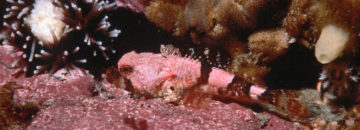
Since Near-shore Marine Biology was moved to Rothera in 1997, we have been conducting biological long-term monitoring in both the marine and terrestrial environments. These represent some of the longest continuous datasets in the Southern Ocean.
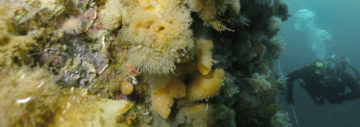
Cold Skeletons investigates how extreme cold affects skeleton formation in Antarctic marine animals.
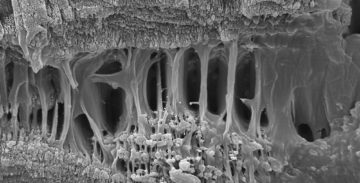
Baseline study to monitor how marine biodiversity will respond to climate change
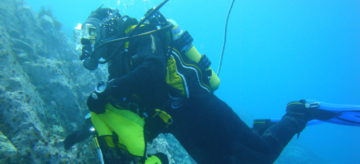
The heated settlement panels project tested how marine life responded to warmer oceans. The focus was on the waters of the Antarctic Peninsula, one of the fastest-warming regions on Earth
EMBRC is a group of leading European marine research centres, which is also known as a distributed Research Infrastructure. It provides access to European coastal seas and the endemic fauna, with the addition of Antarctica via BAS.
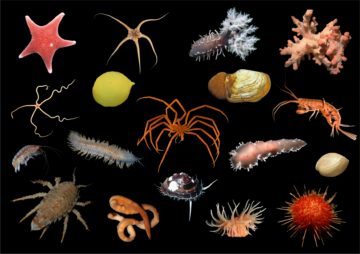
Genetic antifreeze When many insects get cold they produce a special sugar that stops their cells from freezing and keeps them working at low temperatures. In any biochemical process there […]

CACHE-ITN pushed forward our understanding of calcium production in warmer more acidic marine environments.
Today, 11 February, is International Day of Women and Girls in Science, a global initiative led by UNESCO and UN-Women. To celebrate, we have asked some of our female staff […]
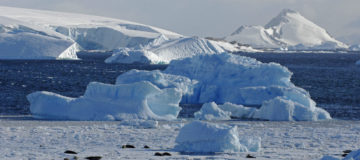
Professor Melody Clark, Project Leader, discusses the trials and tribulations of undertaking research in Antarctica. Her latest paper published in Nature Communications shows that rising sea temperatures of just 1-2 […]
Stress levels and limpets
Dr Melody Clark gets excited about sea snails as part of an innovative research programme to investigate how Antarctica’s animals will adapt to life in a warmer world. Penguins or […]
Join British Antarctic Survey researchers at a special webinar to mark Biology Week hosted by the British Biology Society. Our scientists will explore ocean biodiversity and its weird and wonderful adaptations to extreme conditions, and what Antarctica can tell us about our planet’s past, present, and future.
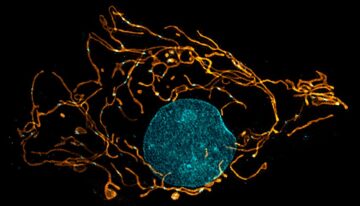
Cambridge engineers have built the first microscope to see inside living cells in sub-zero conditions, revealing secrets of Antarctic fish survival.
Cambridge researchers are set to explore the uncharted depths of life in the extreme cold, with findings that could reshape our understanding of biology and pave the way for future scientific breakthroughs.
The British Antarctic Survey (BAS) will build a new unique science facility at its UK Cambridge headquarters, enabling scientists to understand how organisms that live in cold polar environments evolved and the impact of environmental change on these special ecosystems.
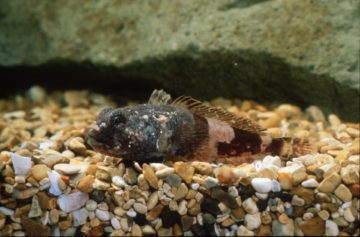
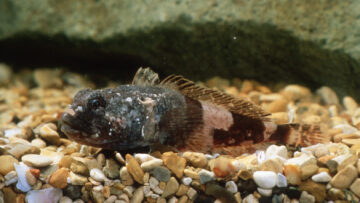
An international team of researchers has sequenced the genomes of 24 Antarctic fish species to investigate how they survive the extreme cold. The study, published in the journal Nature Communications, […]
Three British Antarctic Survey (BAS) staff have been awarded the Polar Medal. The announcement was published last week (Friday 28 January) in the London Gazette. Melody Clark is a molecular […]
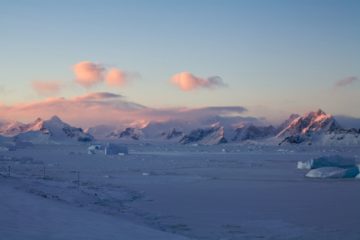
New research by scientists at British Antarctic Survey and Bielefeld University explains how the chaotic formation of genetic islands can occur in marine molluscs. Usually, the individuals of a population […]
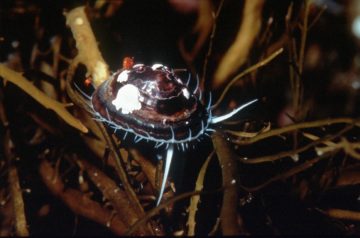
British Antarctic Survey (BAS) reflects and celebrates the role of women within our organisation.

Some parents in the animal kingdom can prepare their young for environmental change, helping them cope better in new conditions, a paper published today in Nature Scientific Reports reveals. Scientists […]
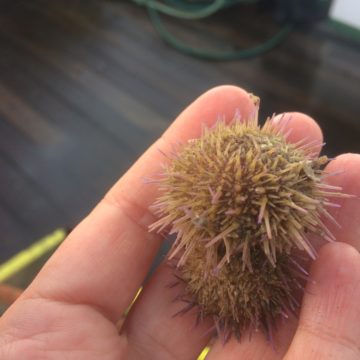
A team of scientists has discovered that a 1°C rise in local sea temperature has massive impacts on an Antarctic marine community. These new results are published this week (31 […]
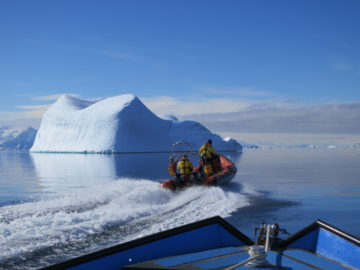
A new study describing how shellfish create their shells in response to their environment is published today (Wednesday 8 February) in the journal Royal Society Open Science. The shells of […]
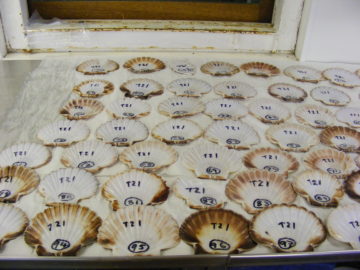
New technologies and techniques used in a scientific study of the shells of oysters, mussels, clams and scallops reveal clues about how these commercially valuable species may fare in a changing world, and how discarded shells from the aquaculture industry could benefit the environment.
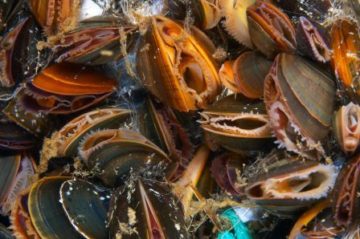
An advanced research centre dedicated to studying polar ecosystems
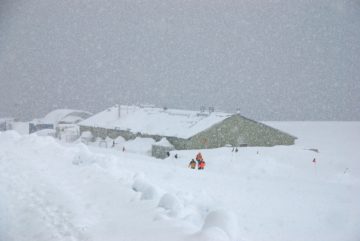
Supporting near-shore marine biology
Ocean acidification changes balance of biofouling communities A new study of marine organisms that make up the ‘biofouling community’ — tiny creatures that attach themselves to ships’ hulls and rocks […]
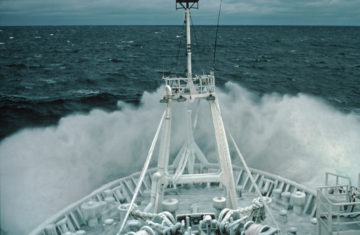
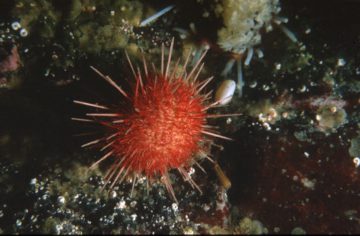
Sea urchins from Antarctica show adaptation to ocean acidification A study of sea urchins from the Antarctic Peninsula has revealed an ability to adapt to changing conditions such as rising […]
BAS takes the lead in ambitious science programme to aid fishing industry and monitor effects of climate change on Europe’s shellfish The supply of shellfish we buy at the supermarket […]
Exciting closing event for Ice Lab exhibition, Gallery Two, The Lighthouse, Glasgow Commissioned by the British Council and curated by the Arts Catalyst, Ice Lab: New Architecture and Science in […]
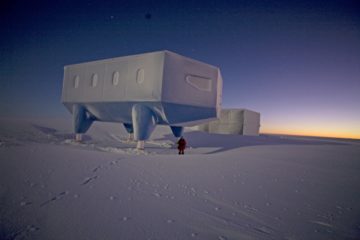
Age matters to Antarctic clams A new study of Antarctic clams reveals that age matters when it comes to adapting to the effects of climate change. The research provides new […]
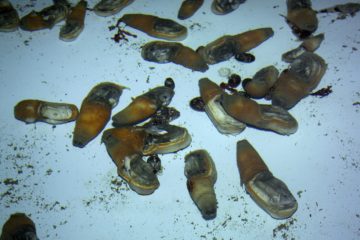
Arctic springtails (Megaphorura arctica) survive freezing temperatures by dehydrating themselves before the coldest weather sets in. Researchers writing in the open access journal BMC Genomics have identified a suite of […]
Secretary of State for Energy and Climate Change, Rt Hon Ed Miliband MP visited British Antarctic Survey on Friday 31 October on a fact-finding mission. In the week that new […]