Renewable Energy within AIMP
Antarctic Infrastructure Modernisation Programme Rothera Renewable Energy Project.

193 to 204 of 266 projects
Antarctic Infrastructure Modernisation Programme Rothera Renewable Energy Project.
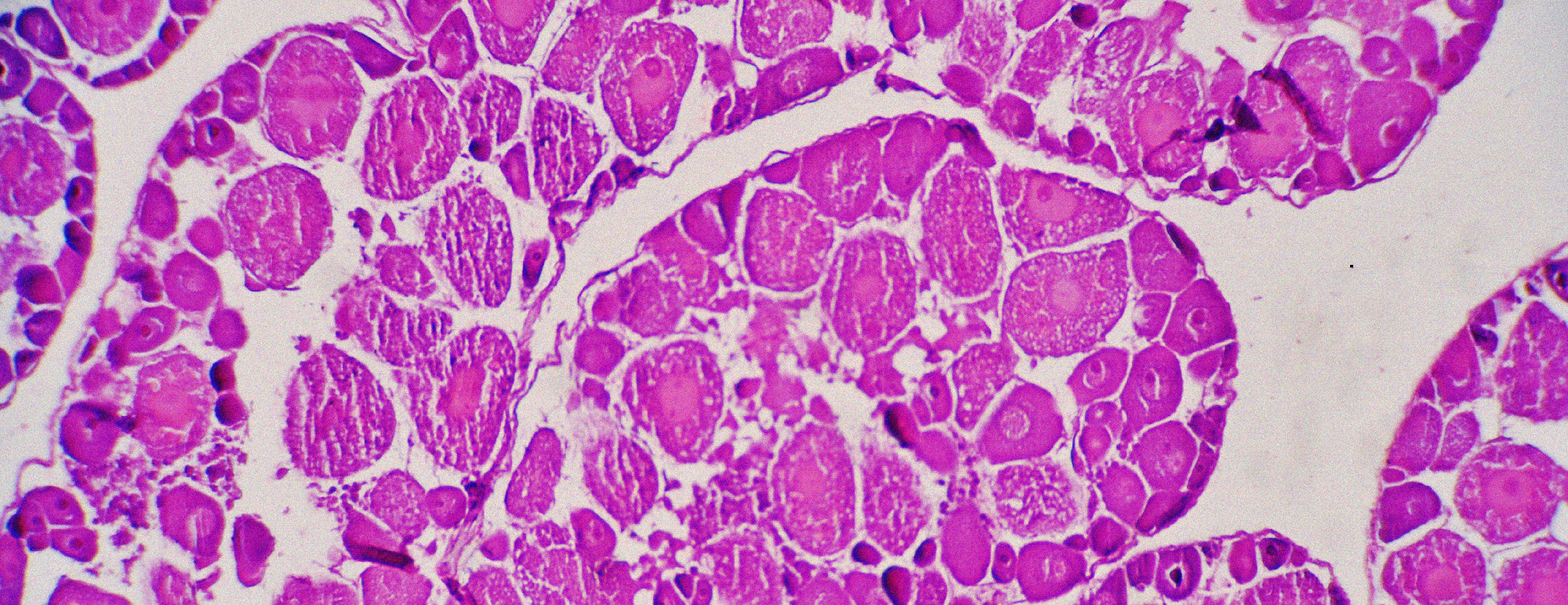
Reproductive capacity and success of marine animals

A research project studying temperature tolerances of over 20 Antarctic marine invertebrate species at Rothera Research Station.
The aim of this NERC funded project is to determine how long Circumpolar Deep Water has been present on the shelf and whether the rate of oceanic melting we see today has varied over longer timescales.
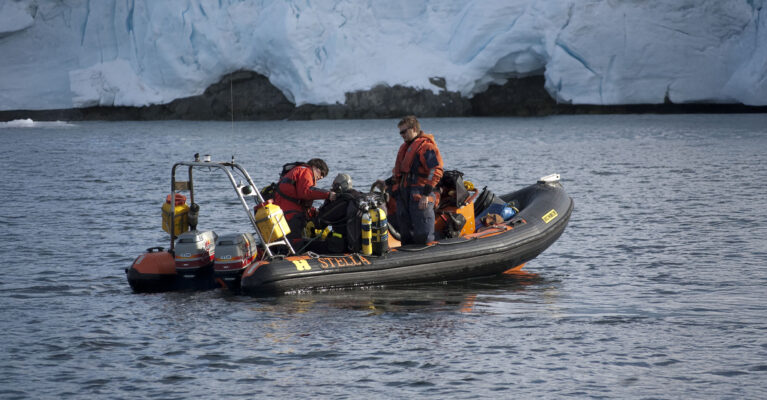
One of the longest‑running ocean monitoring programmes in the Southern Ocean.
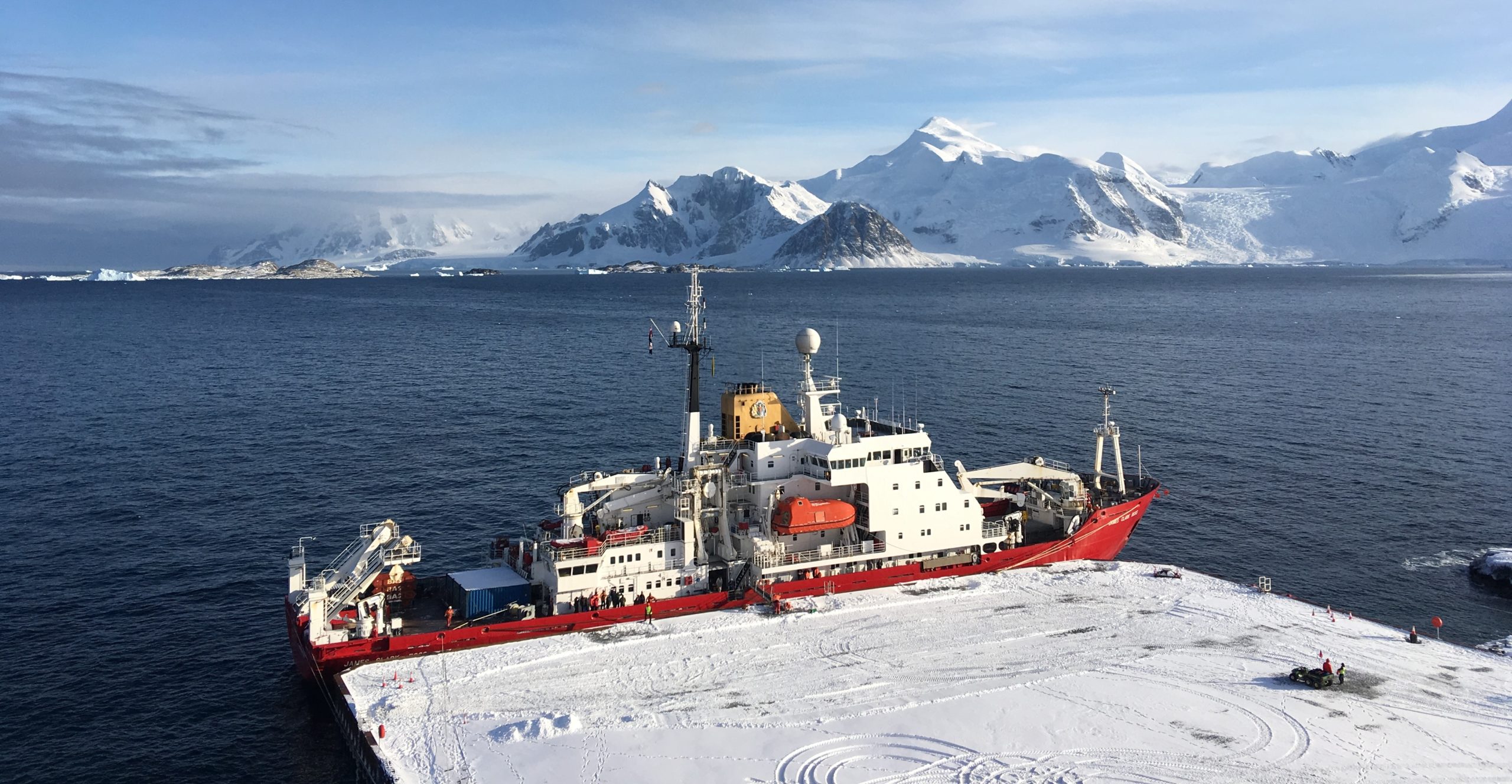
Over the next decade Rothera Research Station will be upgraded to ensure its facilities keep the UK at the forefront of climate, biodiversity and ocean research.

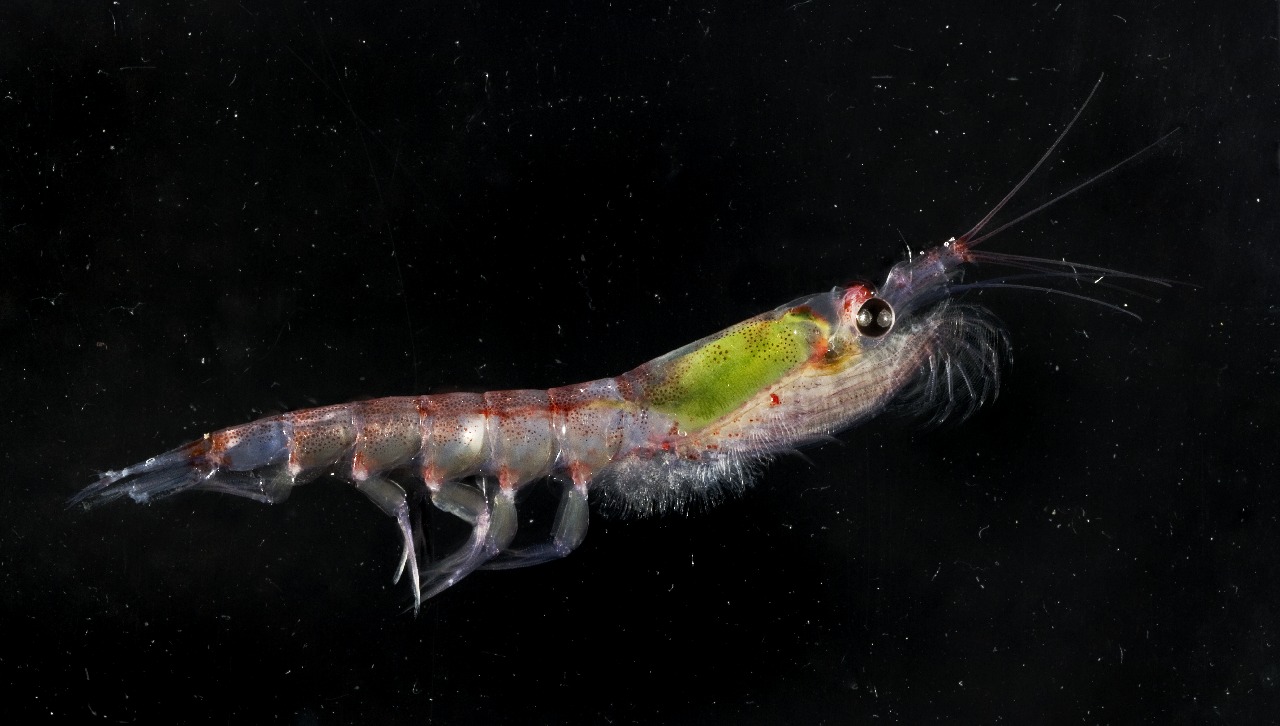
This project aims to improve our understanding of how Antarctic krill, foraging whales and the krill fishery interact.

The Sat-Risk project, led by the British Antarctic Survey (BAS), has the goal of ‘developing a real-time system to forecast radiation exposure to satellites for a range of different orbits, and quantify the risk of damage or degradation‘.

We are developing fully automatable methods for the detection of icebergs using satellite radar data and bayesian tracking methods to monitor icebergs at the individual level and continental extent.

The British Antarctic Survey and the Cambridge Conservation Initiative (CCI) are convening a series of half day workshops focused on the science-policy interaction within highly topical conservation and management issues.
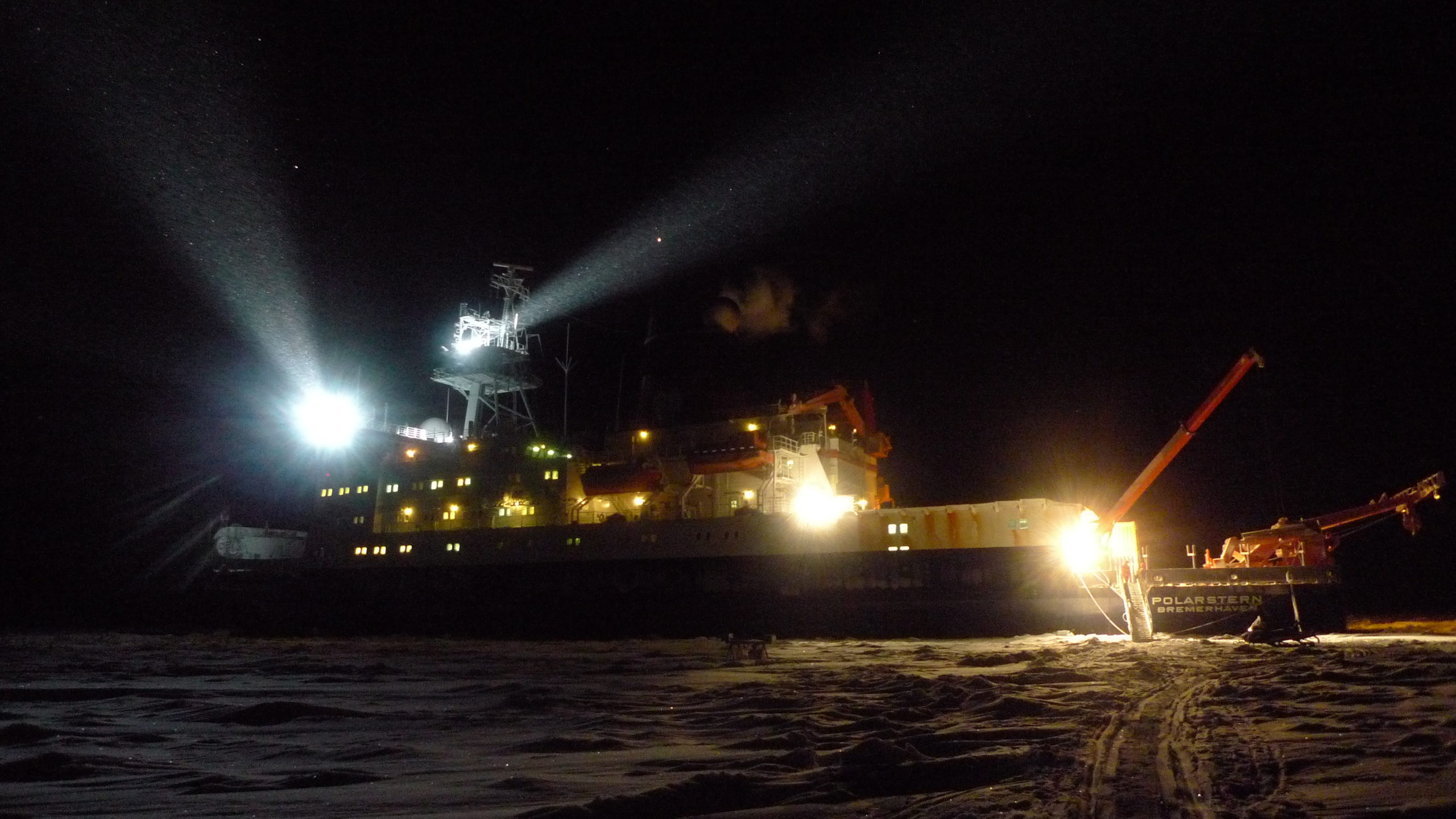
SSAASI-CLIM attempts to determine the salt sea aerosol source, fate and potential impact on Arctic climate associated with blowing snow above sea ice and other sea ice sources.