Polar Ice
The aim of this project is to develop a next generation sea ice information service by integrating and building on a wide range of European and national funded activities which incorporate many of the required components.

181 to 192 of 266 projects
The aim of this project is to develop a next generation sea ice information service by integrating and building on a wide range of European and national funded activities which incorporate many of the required components.
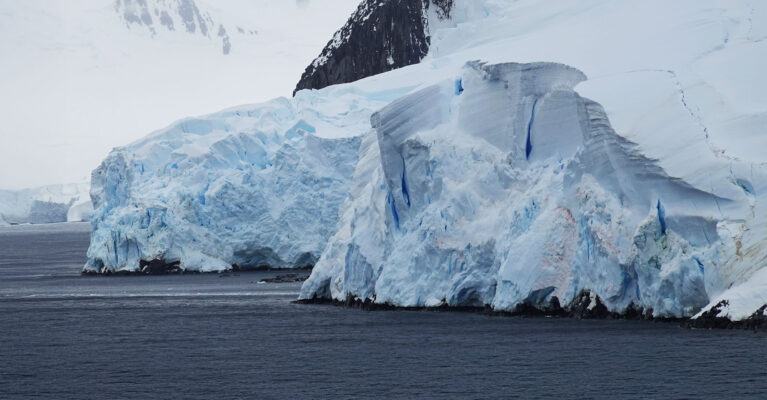
PolarRES investigates polar climate processes in the Arctic and Antarctic, improving global climate projections and reducing uncertainties to better assess environmental and social impacts.
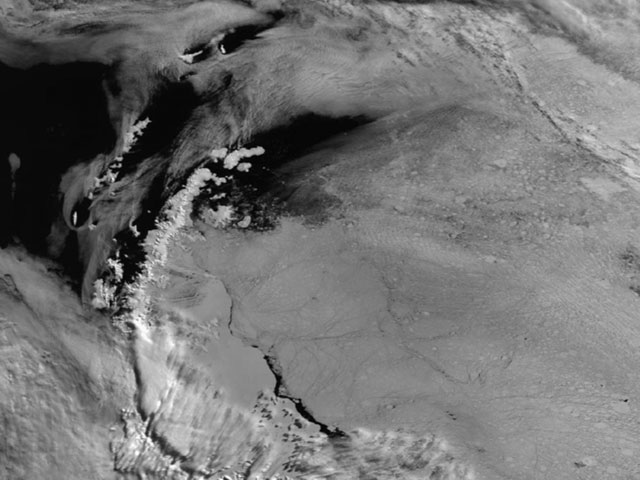
Polar TEP provides polar researchers with access to computing resources, earth observation and other data, and software tools in the cloud.
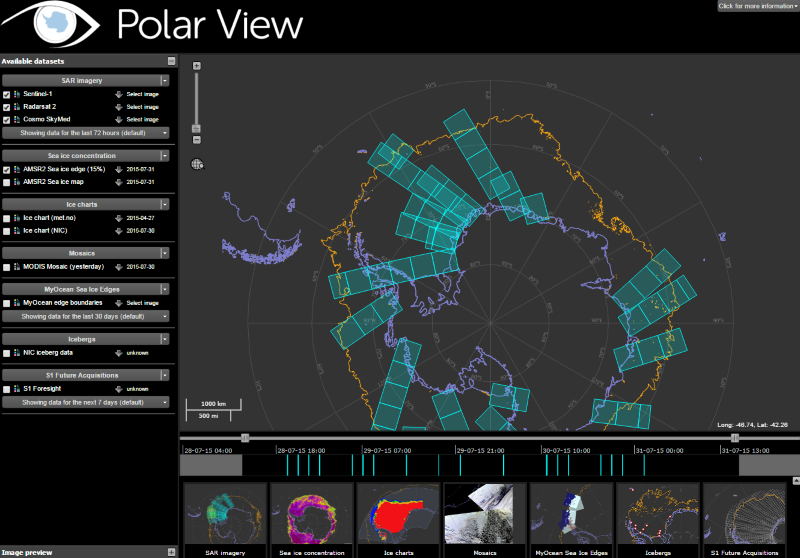
Polar View delivers information about sea ice direct to ships operating in the Southern Ocean.
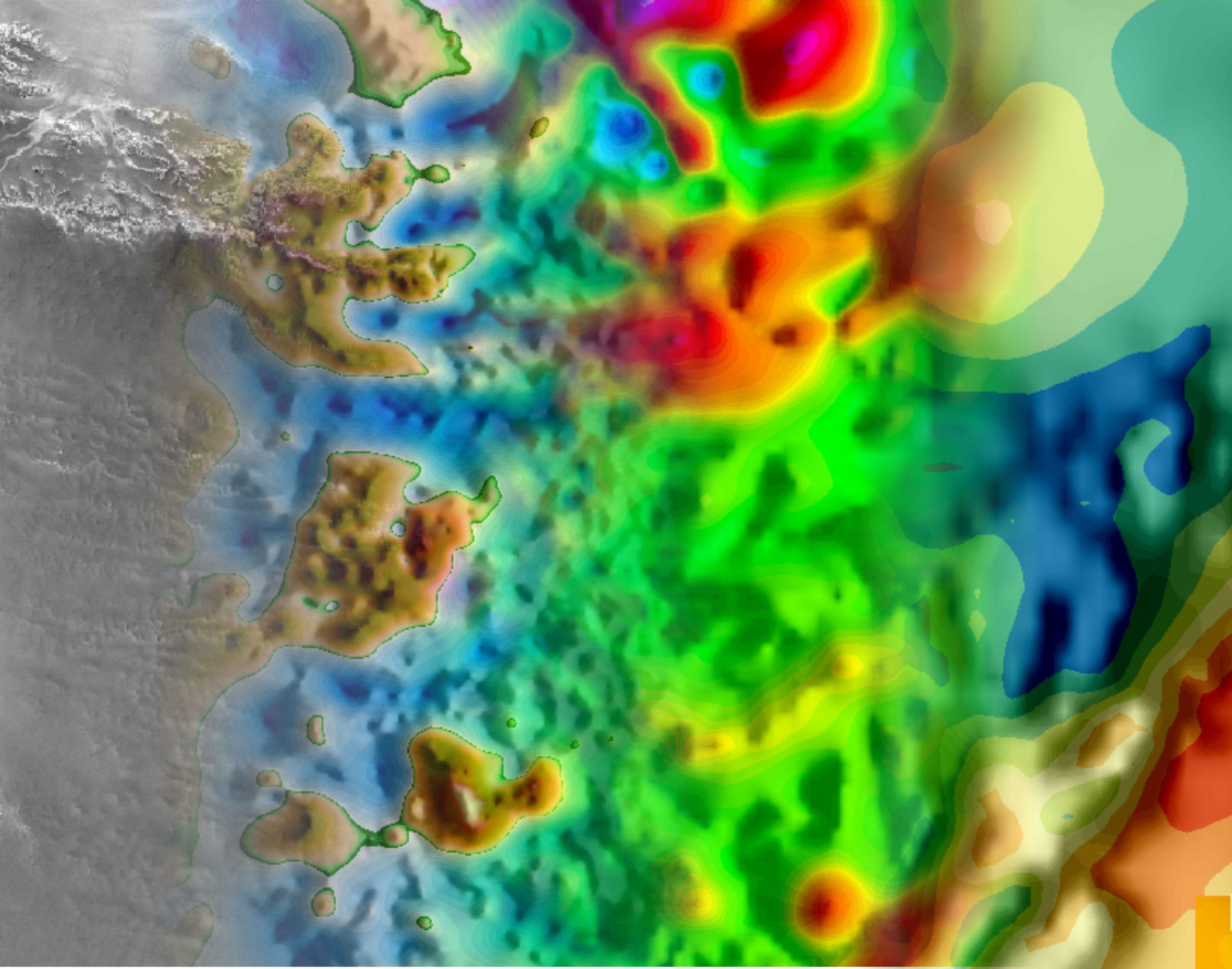
PolarGAP is an ambitious international mission to capture new and critical data about the Earth’s global gravity field.
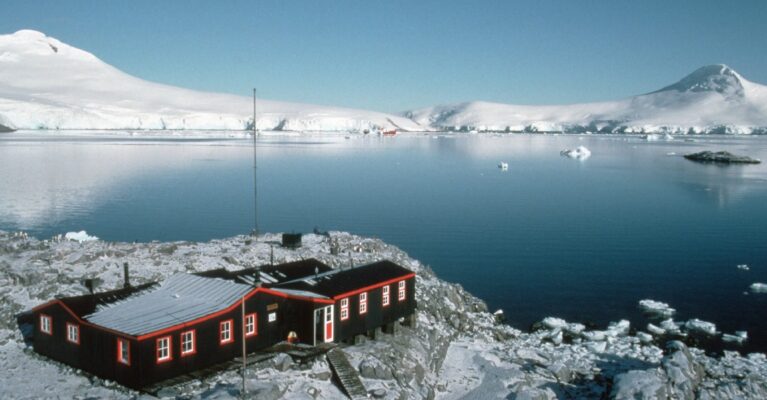
Port Lockroy is the site of the first permanent British Antarctic base, ‘Base A’.
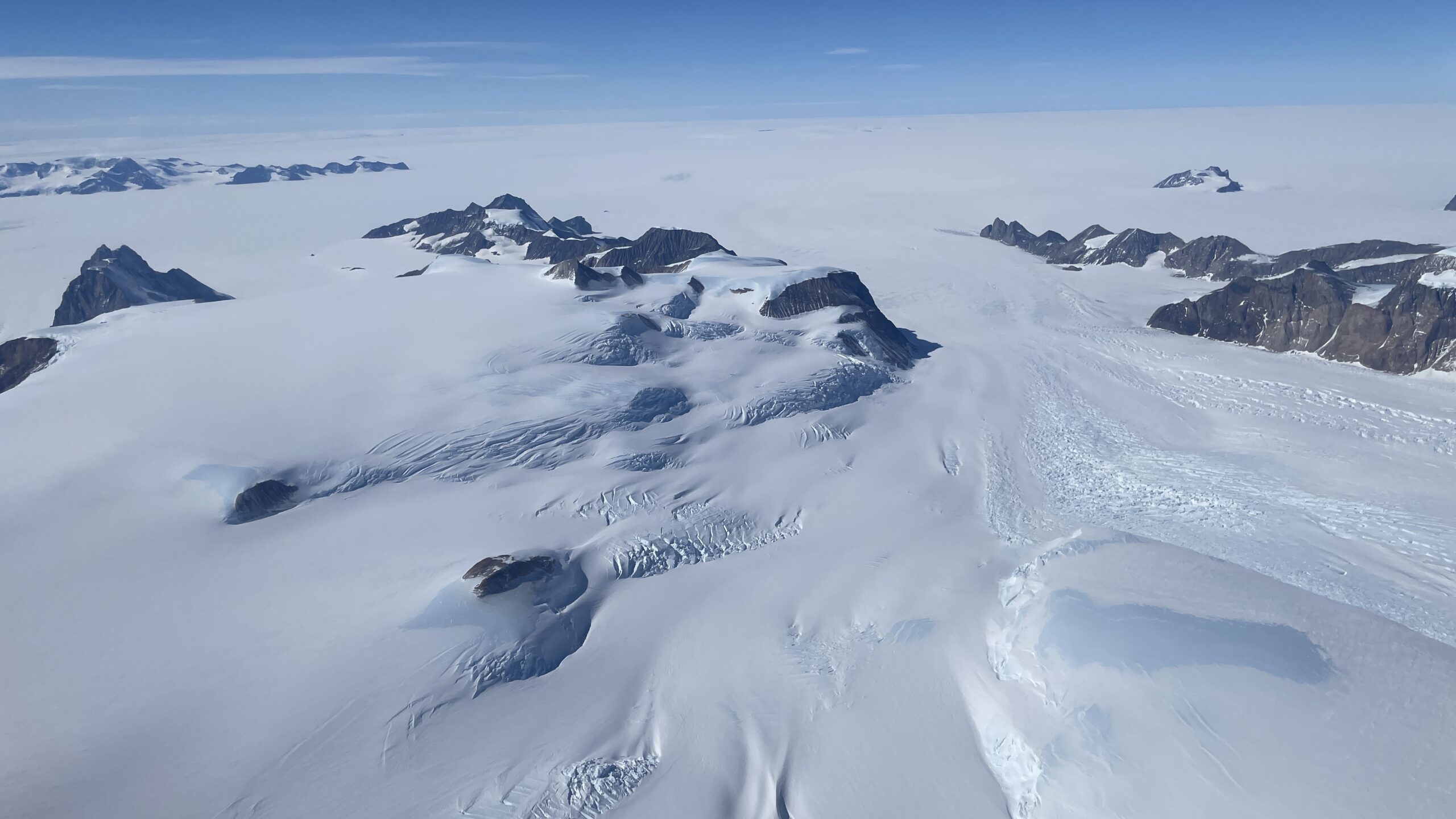
PRESCIENT supports long-term, strategically important measurements and capabilities for the wider science community.
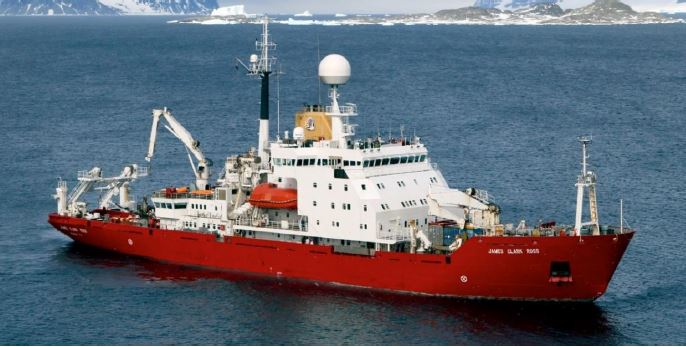
This three-year project aims to leave a legacy of robust information about the marine ecosystem as well as oceanographic and food web modelling that will provide the scientific information necessary to develop policies to manage marine ecosystem resources, especially those relating to food security and eco-tourism.
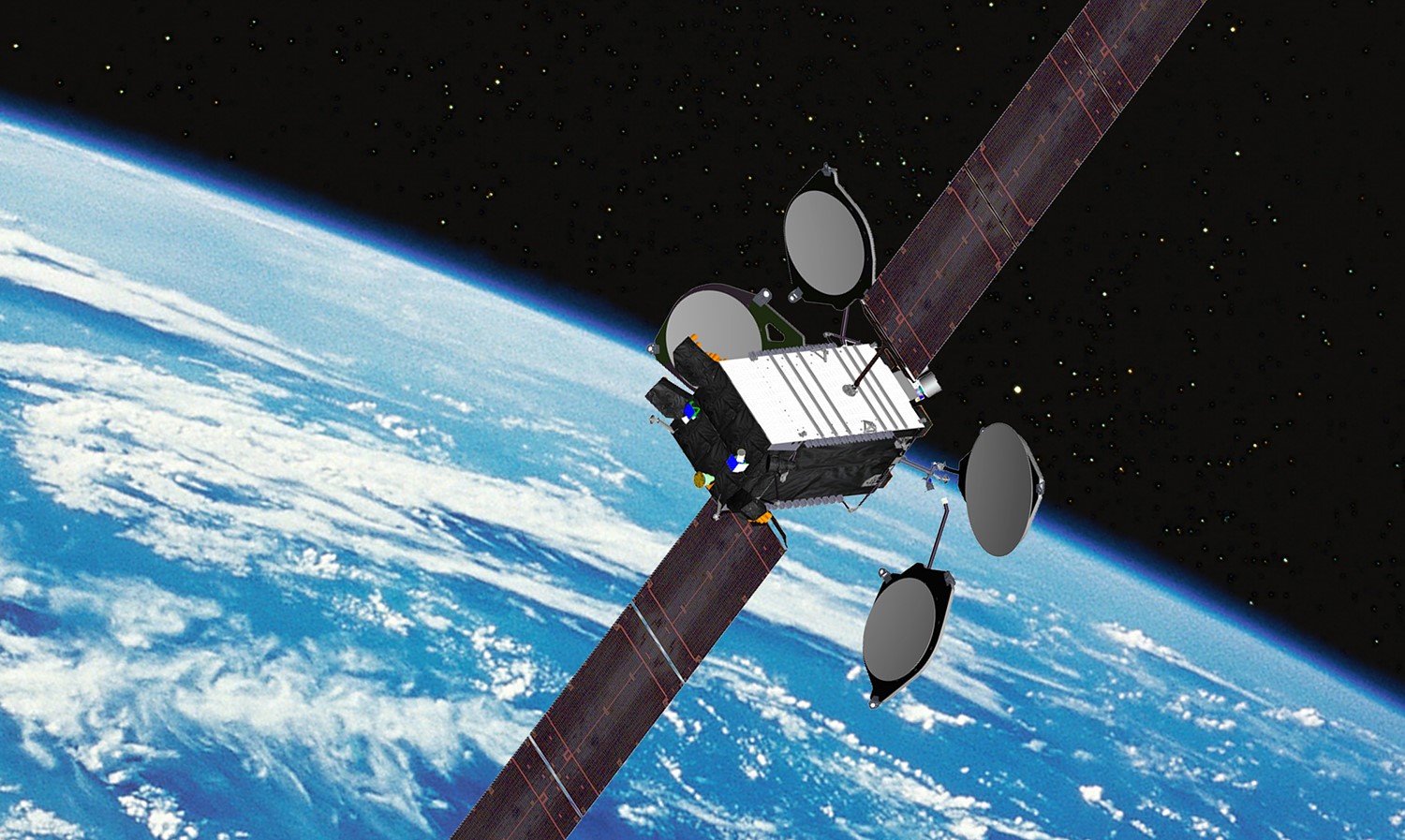
Rad-Sat is a NERC Highlight Topic that brings together a consortium of scientists from 5 different UK research groups, stakeholders from the space industry and a network of international collaborators.
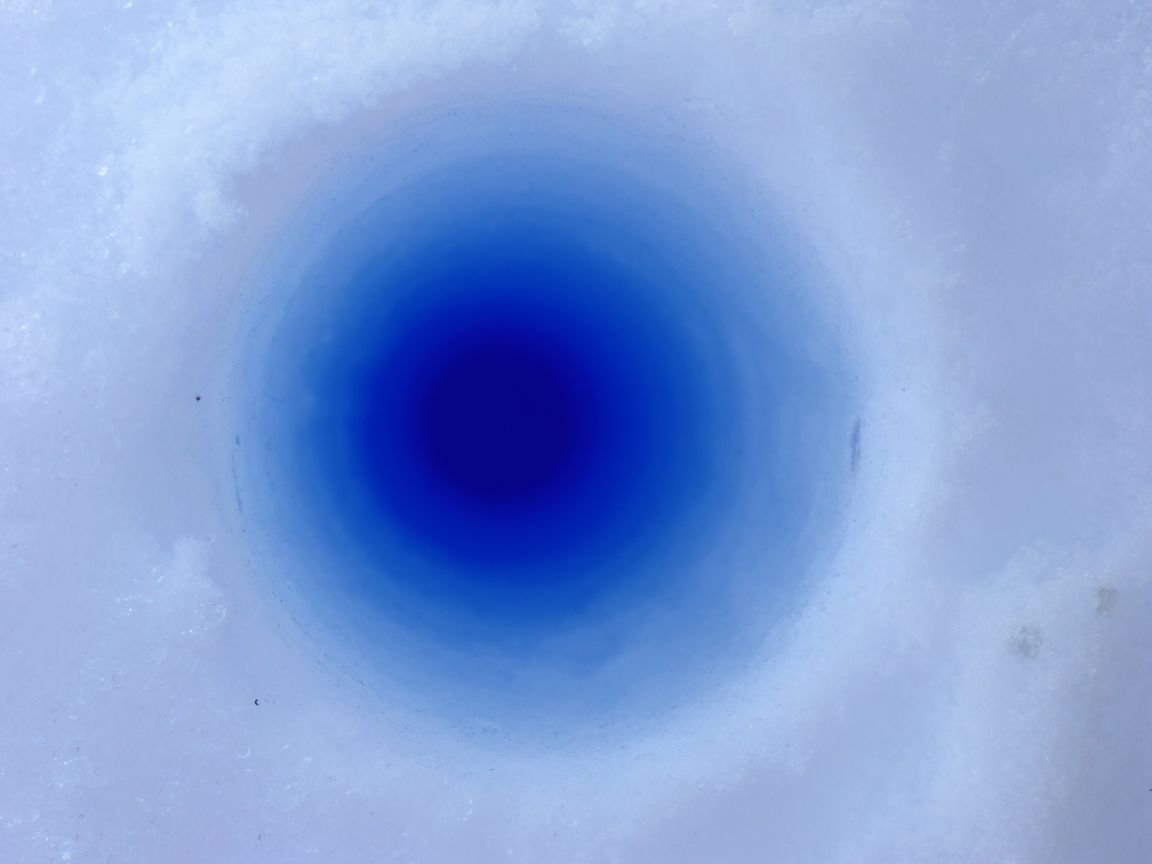
A new drill (the Rapid Access Isotope Drill, or RAID) is being developed by BAS which, rather than collect a full ice-core, this drill will chop up the ice and will allow collecting ice chippings.
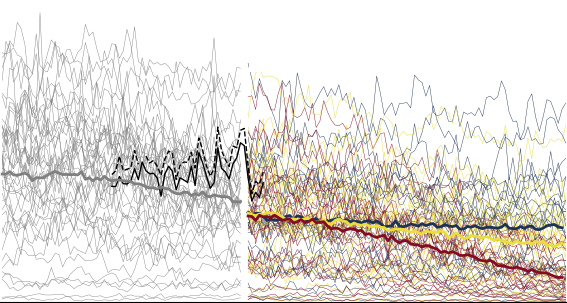
Real Projections focused on understanding the processes driving sea ice variability and change, combining observational data with climate model outputs to produce more robust projections of future Antarctic sea ice area under different greenhouse gas emission scenarios.
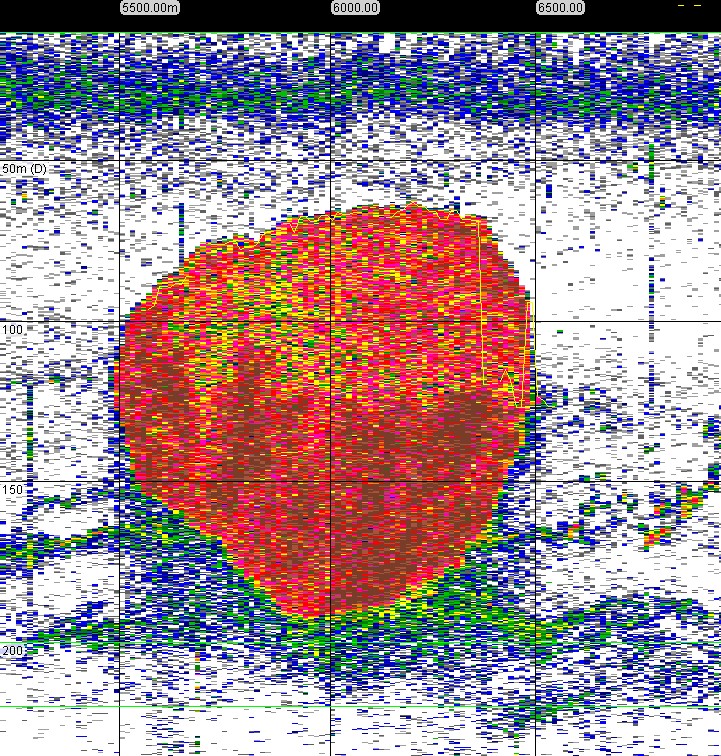
This project aims to develop a system to deliver acoustically derived estimates of krill density in (near) real-time from krill fishing vessels to fishery data users and managers (e.g. commercial managers, scientific researchers and/or policy managers).