Mass extinction and biological responses to Cenozoic environmental change


157 to 168 of 266 projects
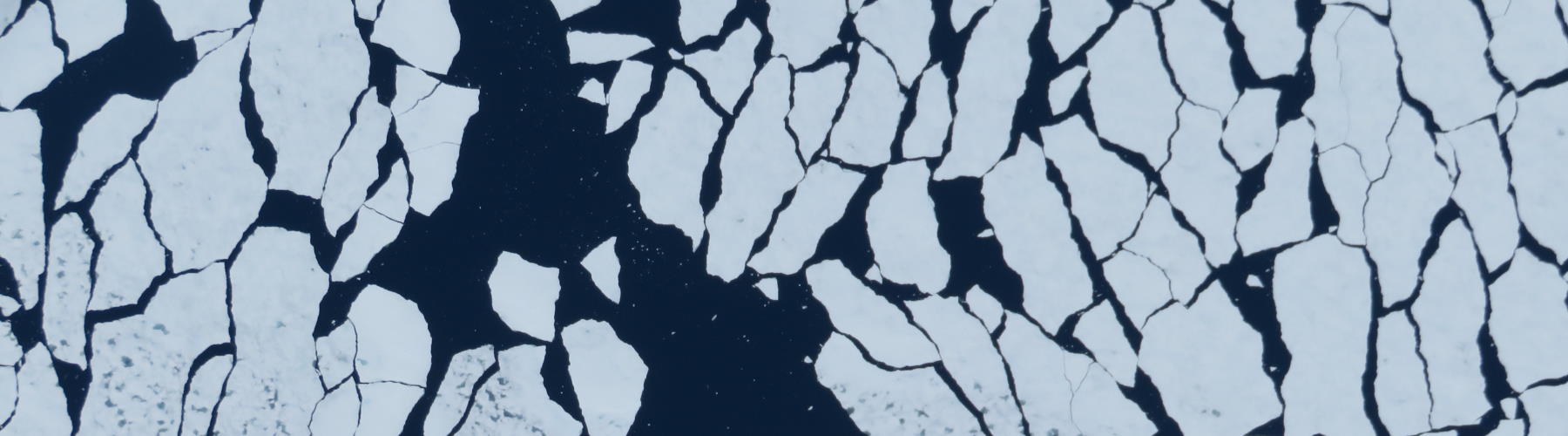
The European Space Agency (ESA) Southern Ocean-Ice Shelf Interactions (SO-ICE) project is a collaborative research project bringing together the ESA Polar+ Ice Shelves and 4D Antarctica projects, and the European Commission Southern Ocean Carbon and Heat Impact on Climate (SO-CHIC) project, in order to improve understanding of the processes controlling ice-ocean interactions in Antarctica.
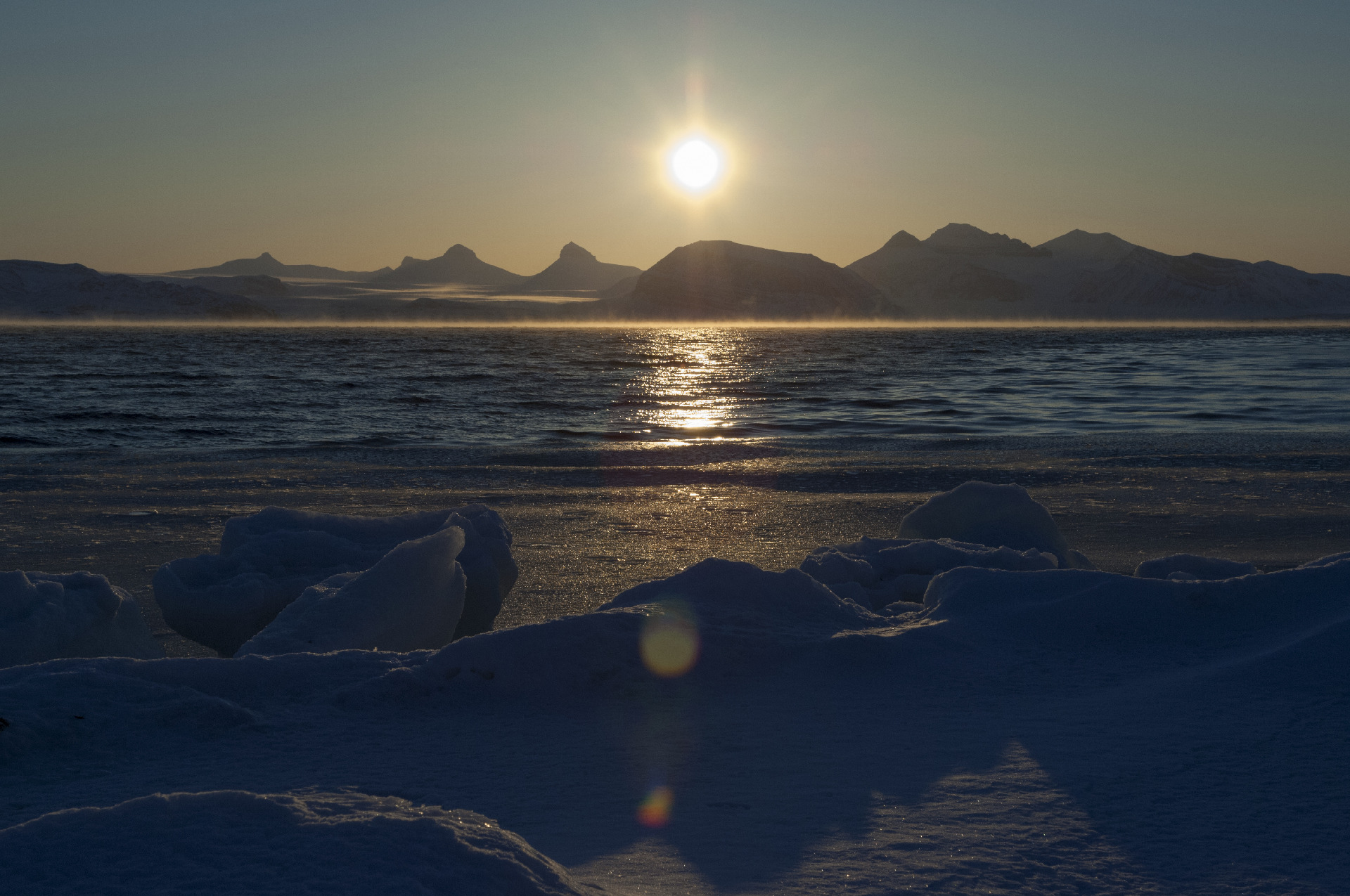
SEANA is a NERC-funded project, led by Dr Zongbo Shi (U. Birmingham) that aims to define the baseline atmosphere and model potential future changes.
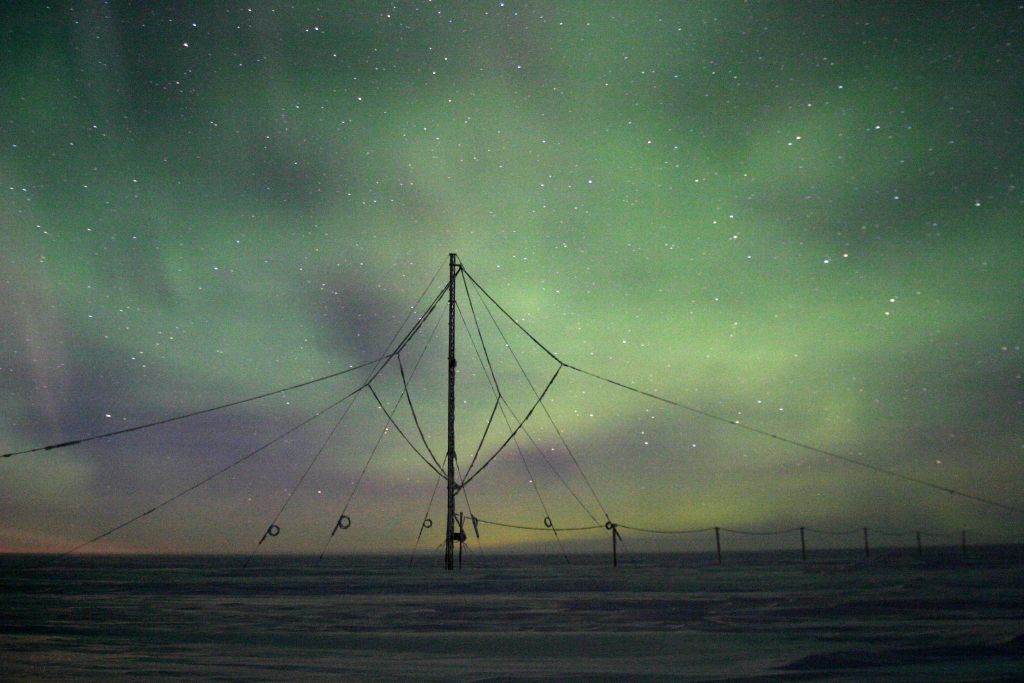
The objective of QEPPA is to work out the amount of charged particles that hit our atmosphere during space weather events in order to improve how our models represent this effect on our atmosphere and climate.
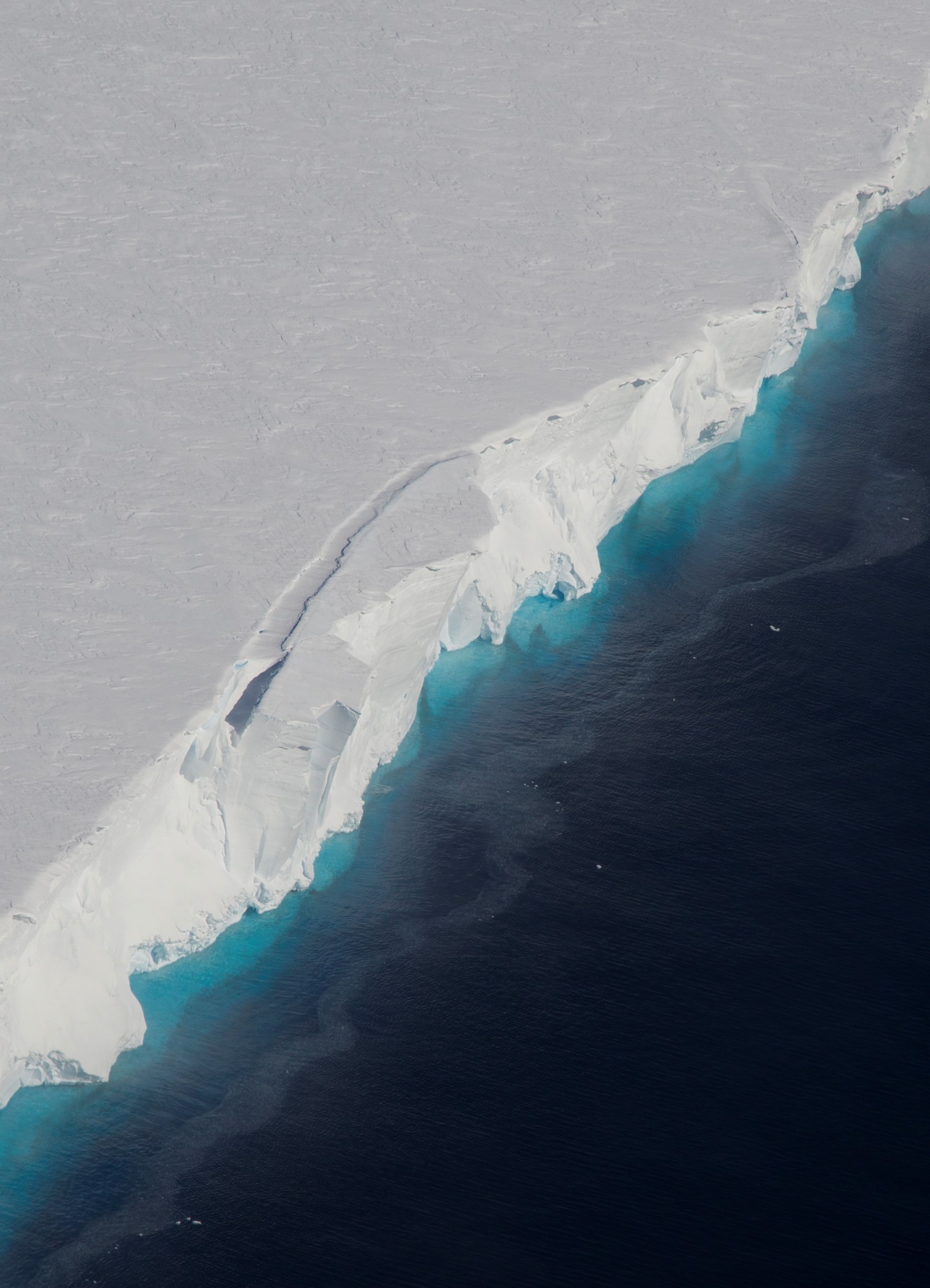
MELT is an ice-based project that will use autonomous sensors to monitor the ice column and ocean beneath the ice shelf in the critical area of the grounding line (the point where the glacier goes afloat to become ice shelf).
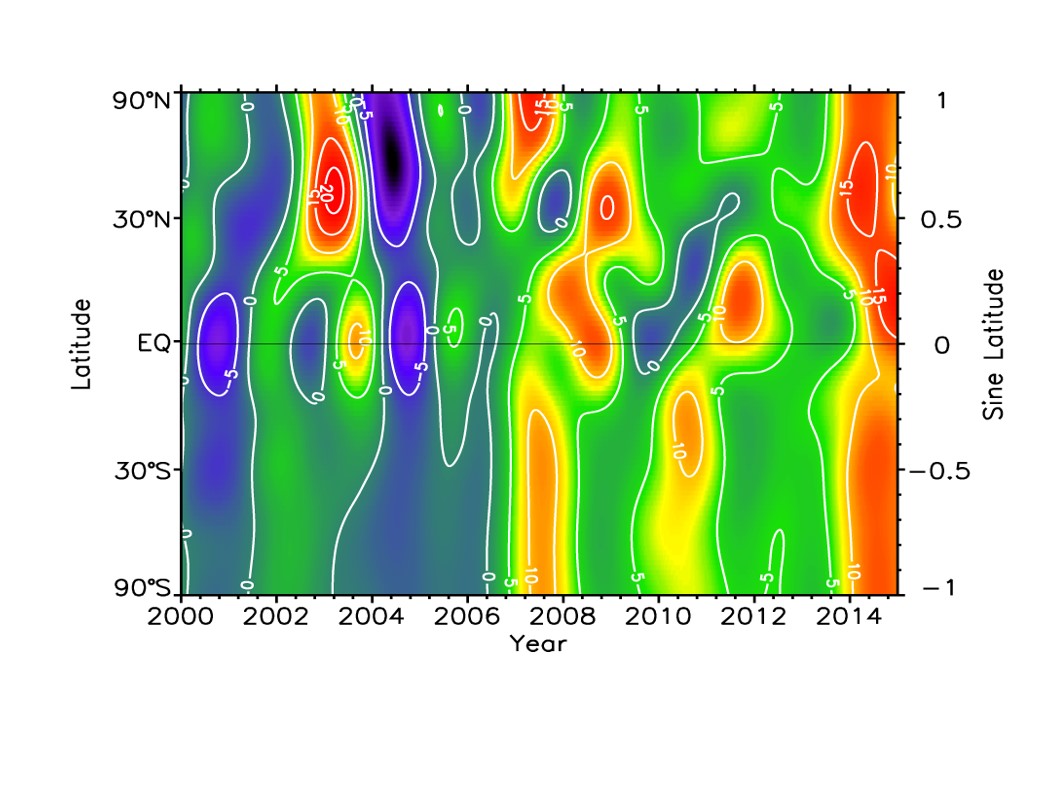
MOYA is a major NERC-funded project to study the global budget of atmospheric methane, the balance between sources and loss processes, and to understand what is changing to cause the increase in methane currently observed.
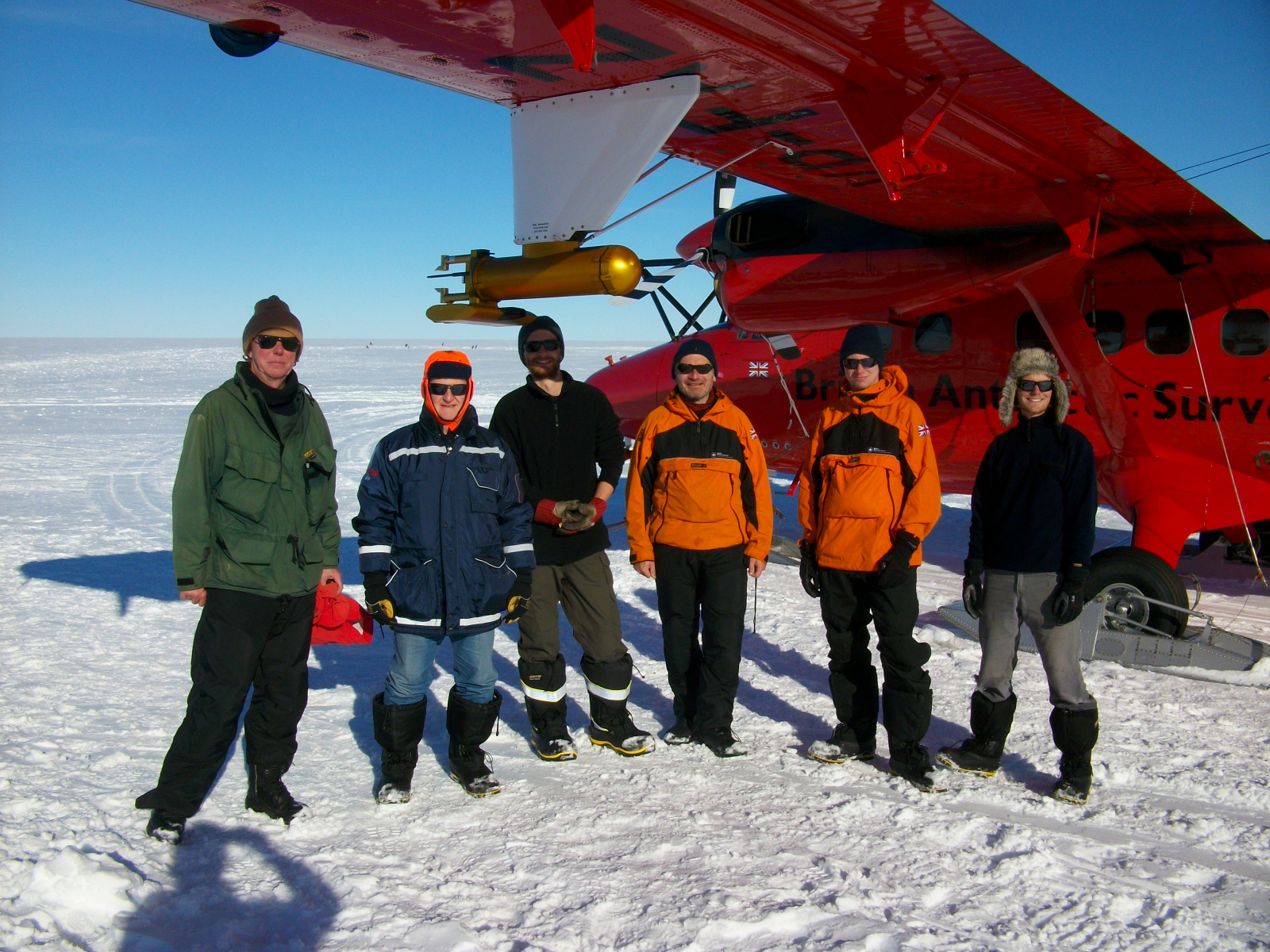
This project conducted flights within clouds taking detailed measurements of the physical properties of the cloud – size spectrums and phase (whether the particles are ice or liquid) – as well as taking ground based measurements of the aerosols which will act as nuclei for the cloud particles.
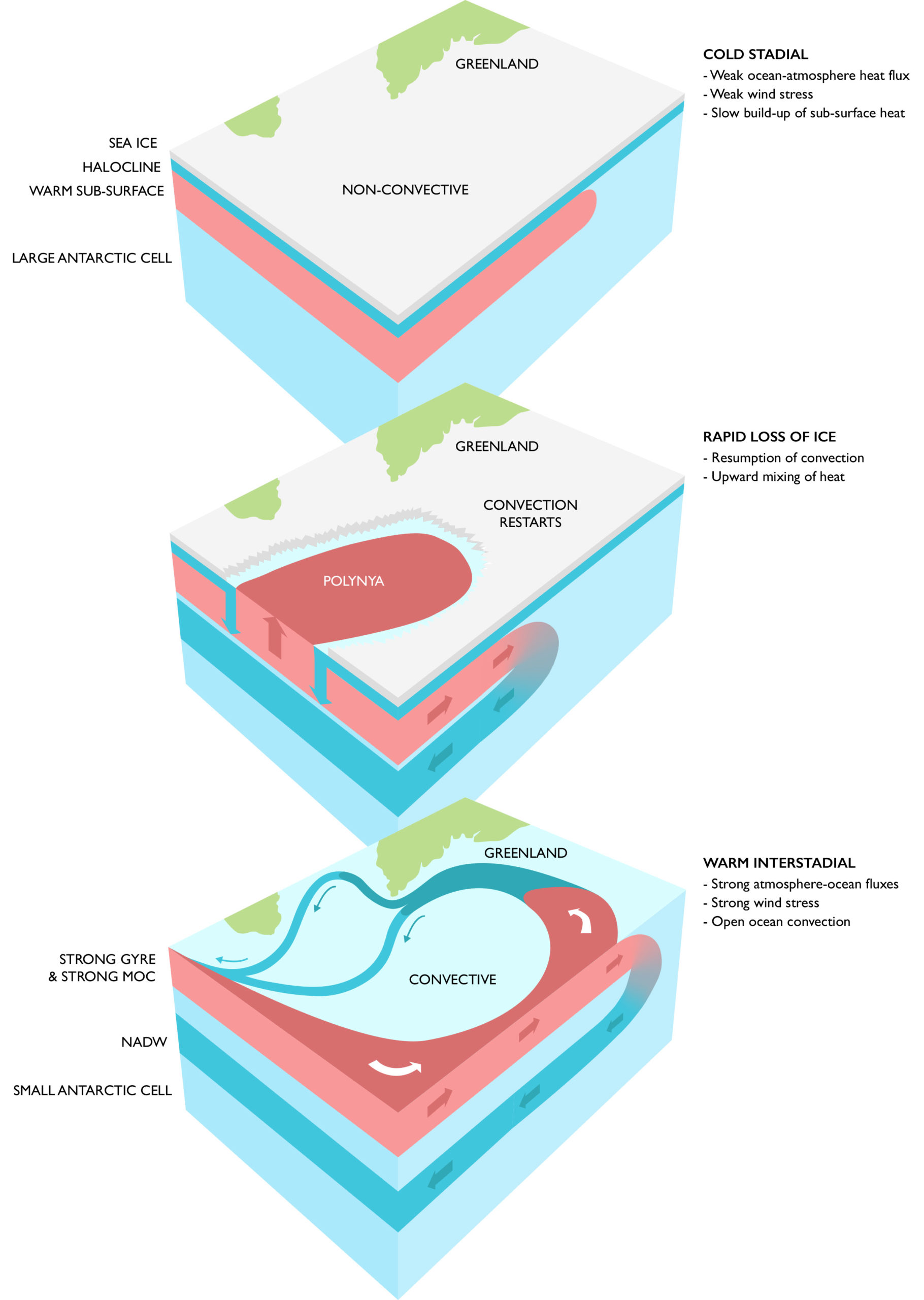
SDOO project investigates abrupt climate warming episodes recorded in Greenland ice cores, known as Dansgaard-Oeschger events, where temperatures rose by 10-15°C within a decade during the last glacial period.
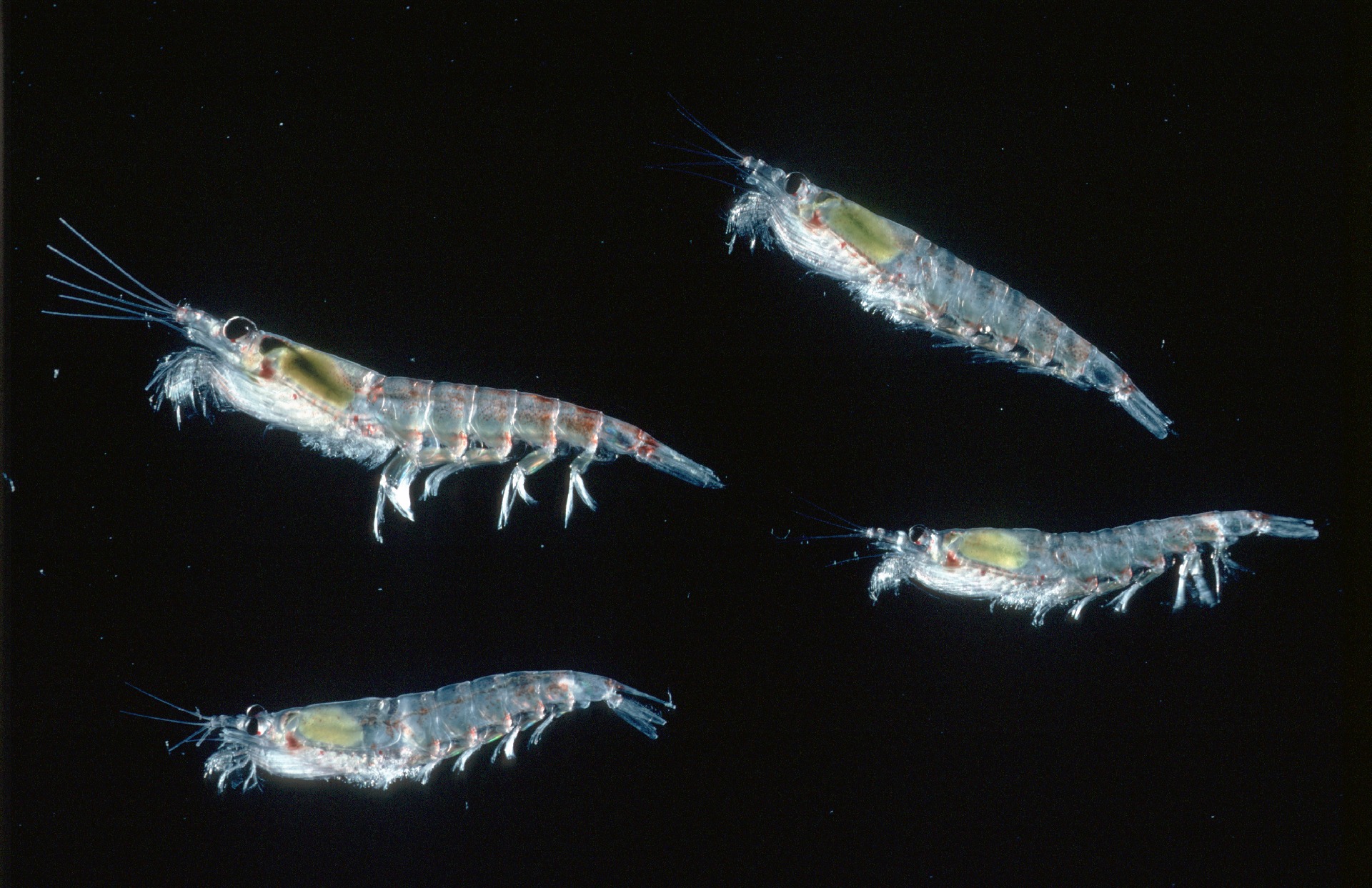
The MMAK project is using state-of-the-art ocean-sea ice models to improve our understanding of processes that influence the distribution of krill in the South Orkney Islands region.
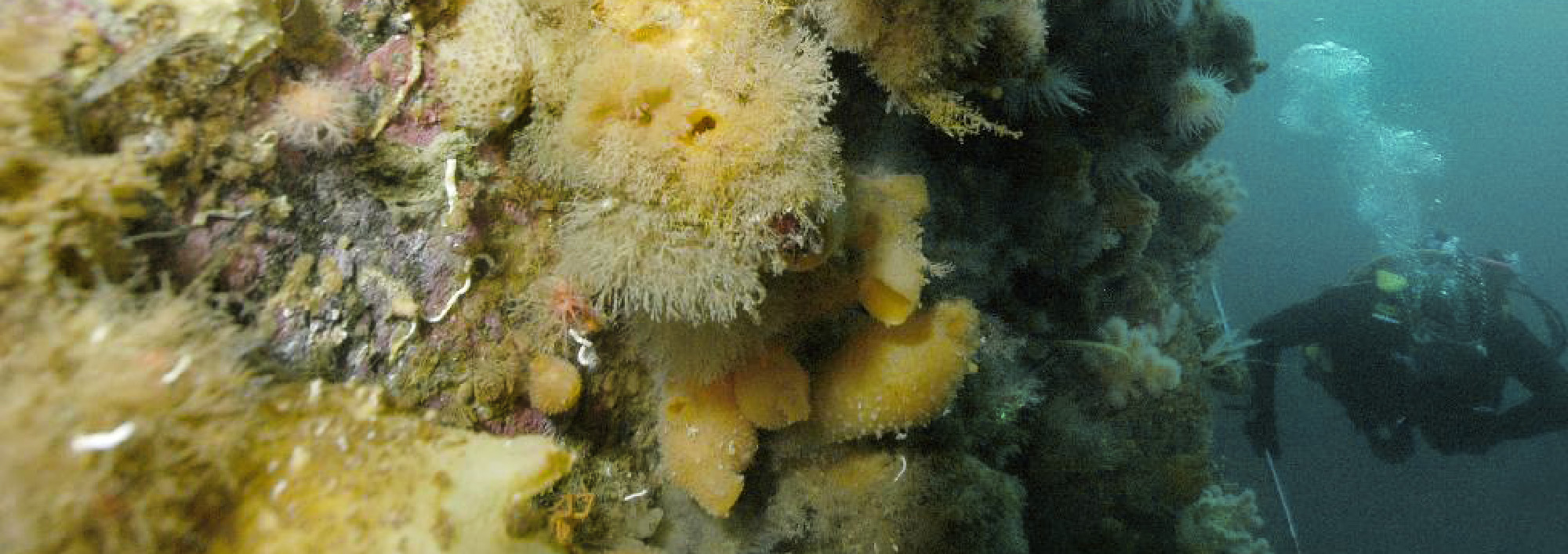
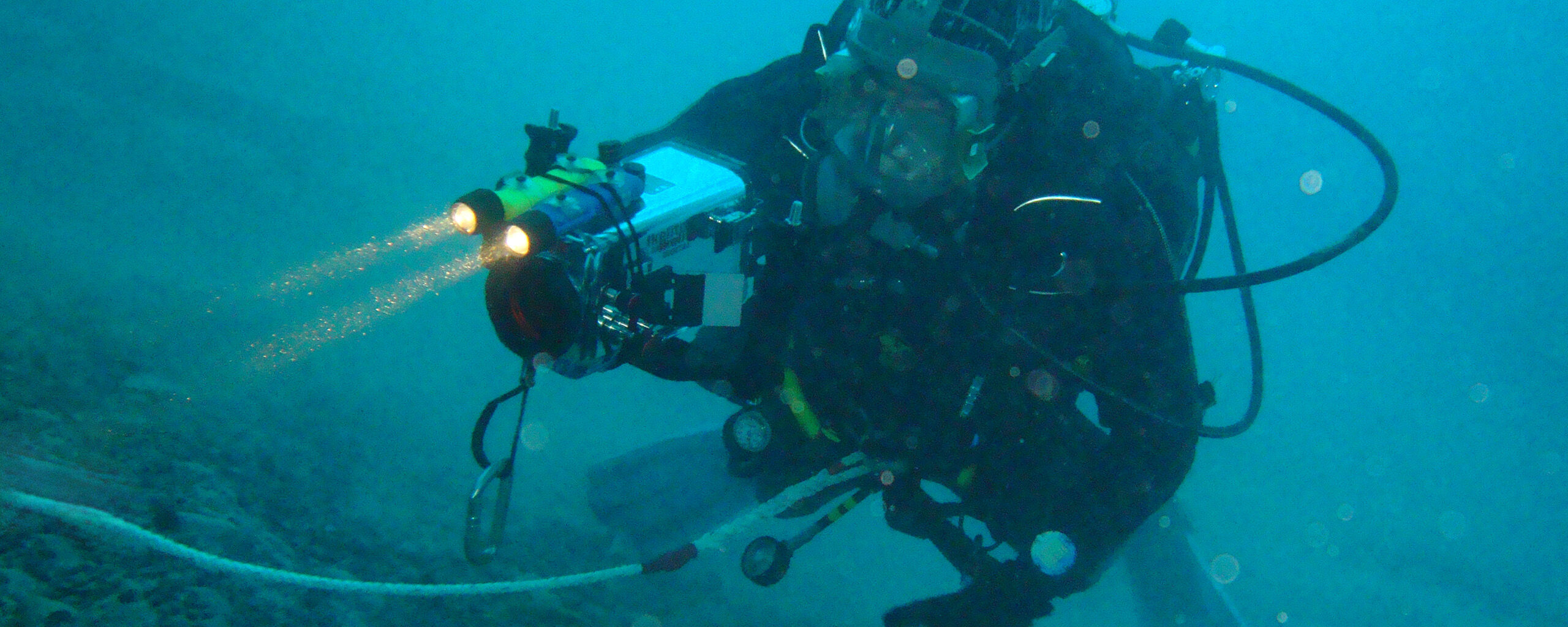
Since Near-shore Marine Biology was moved to Rothera in 1997, we have been conducting biological long-term monitoring in both the marine and terrestrial environments. These represent some of the longest continuous datasets in the Southern Ocean.
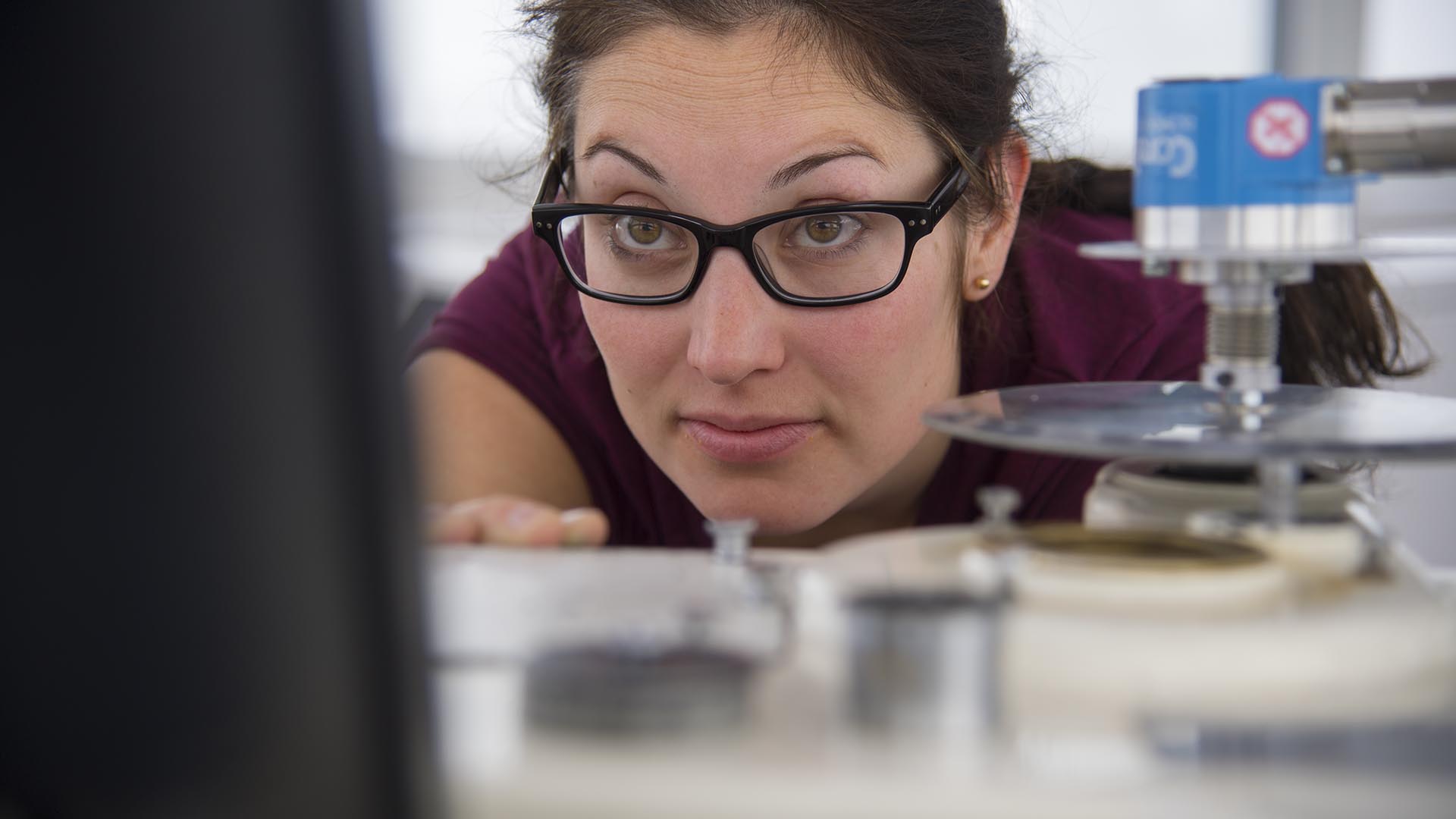
Polar Expertise – Supporting Development
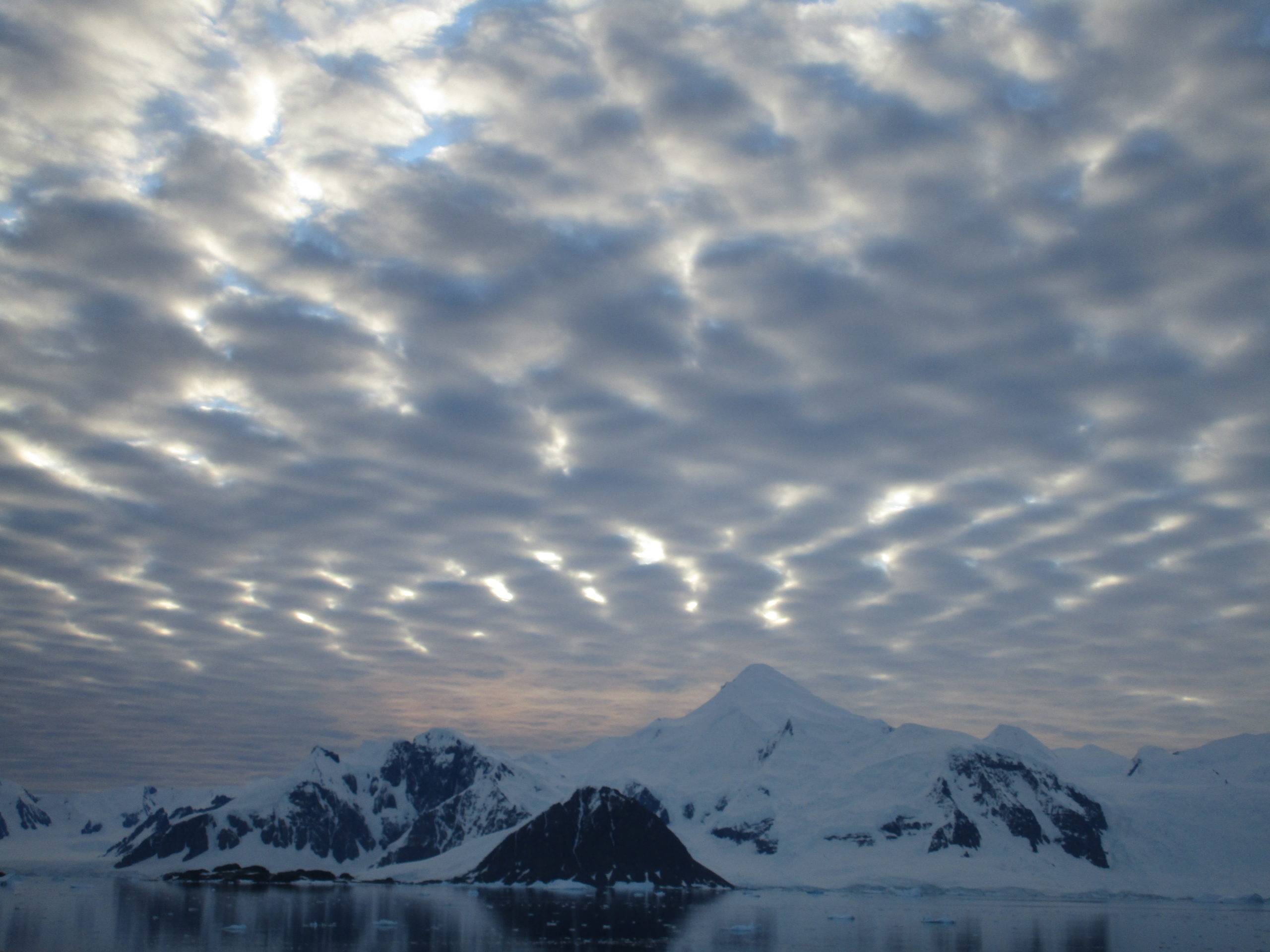
ANGWIN brings together different nations to observe gravity waves over Antarctica and understand how these atmospheric waves affect global weather patterns and polar climate processes.