iStar-D The contribution to sea-level rise from the Amundsen Sea sector of Antarctica
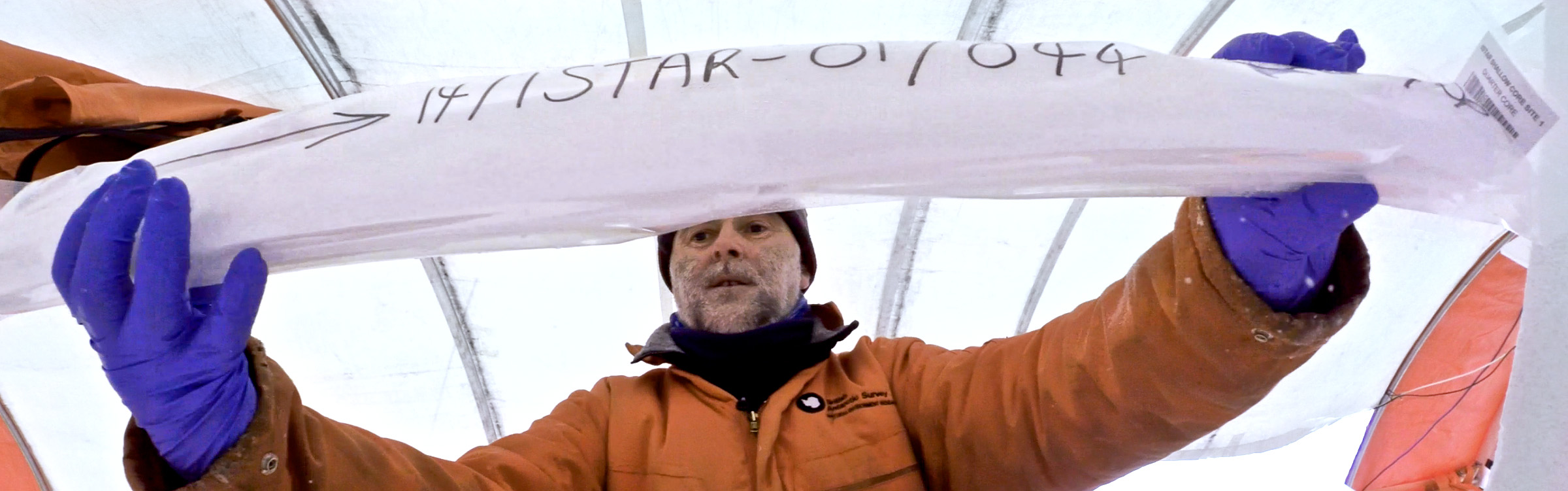
iStar-D will identify the potential contribution to sea-level rise, from ice locked in the Amundsen Sea sector of Antarctica

145 to 156 of 266 projects
iStar-D will identify the potential contribution to sea-level rise, from ice locked in the Amundsen Sea sector of Antarctica
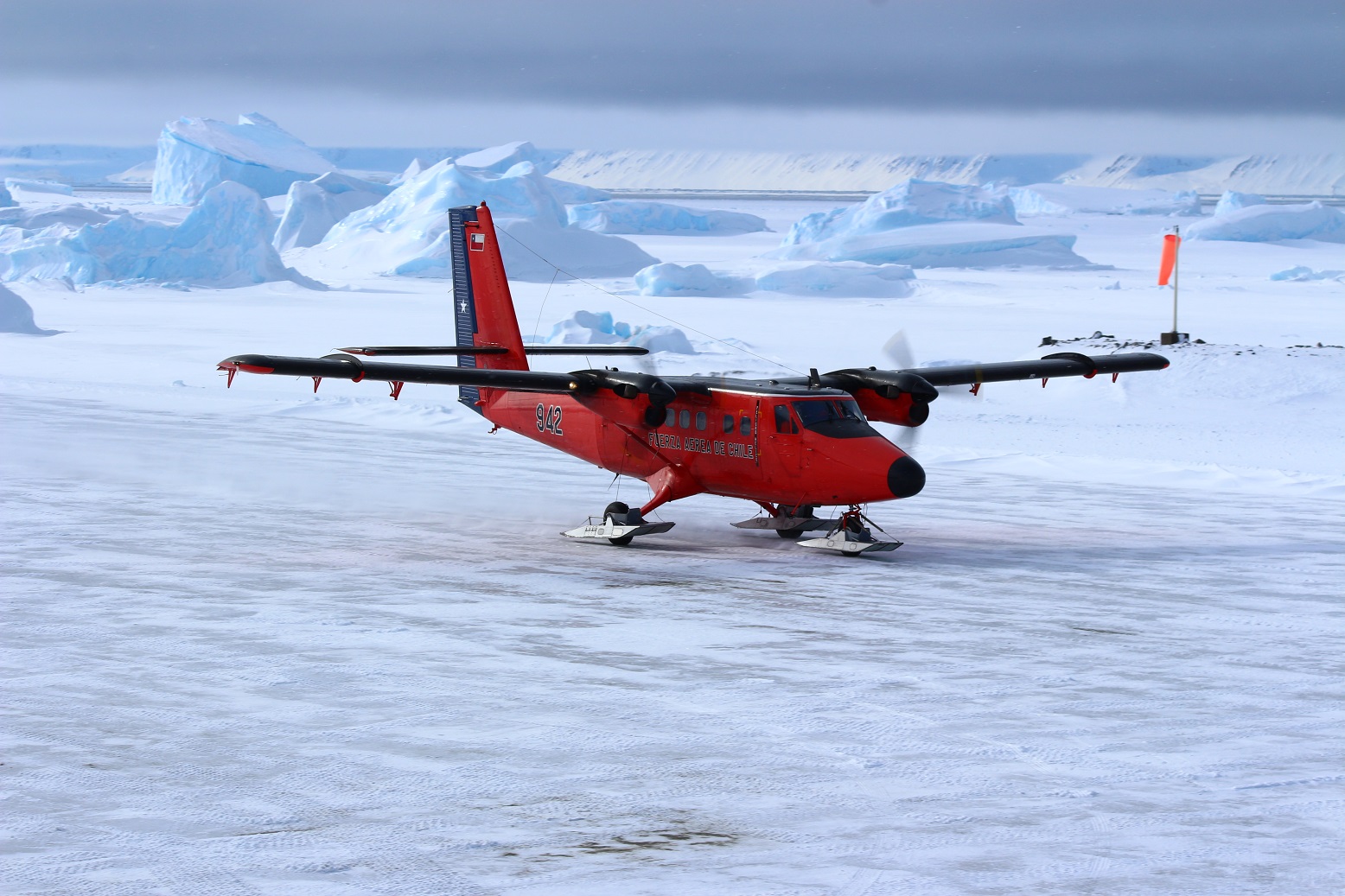
JASPER brings together two of the best equipped Polar meteorology instrumented aircraft and teams to study boundary layer meteorology in the Antarctic Peninsula and Weddell Sea.
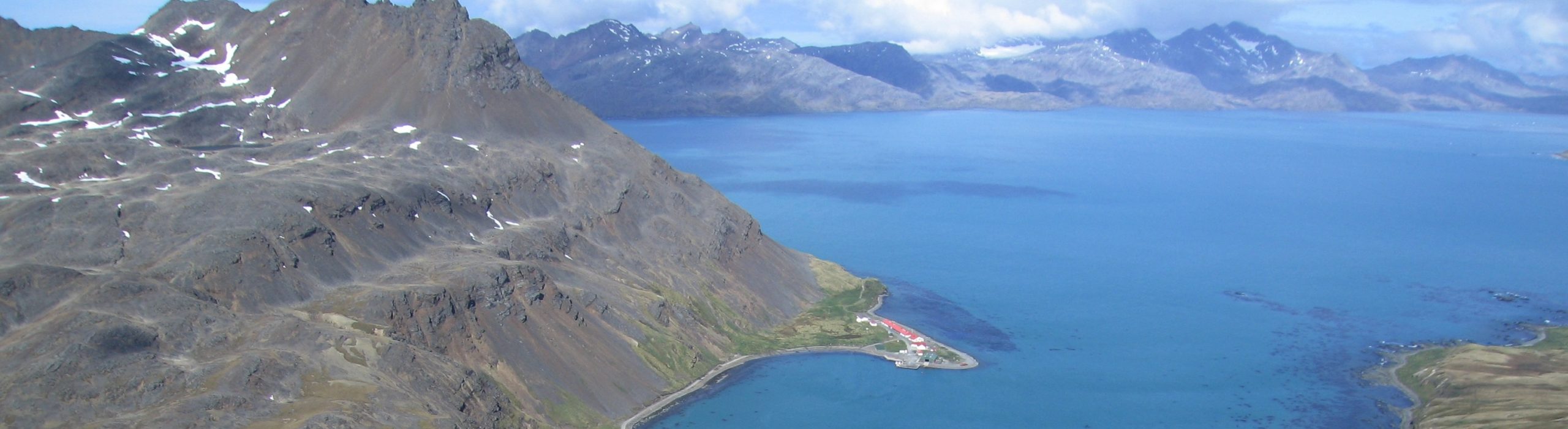
New mooring and boating facilities for South Georgia’s fisheries research station
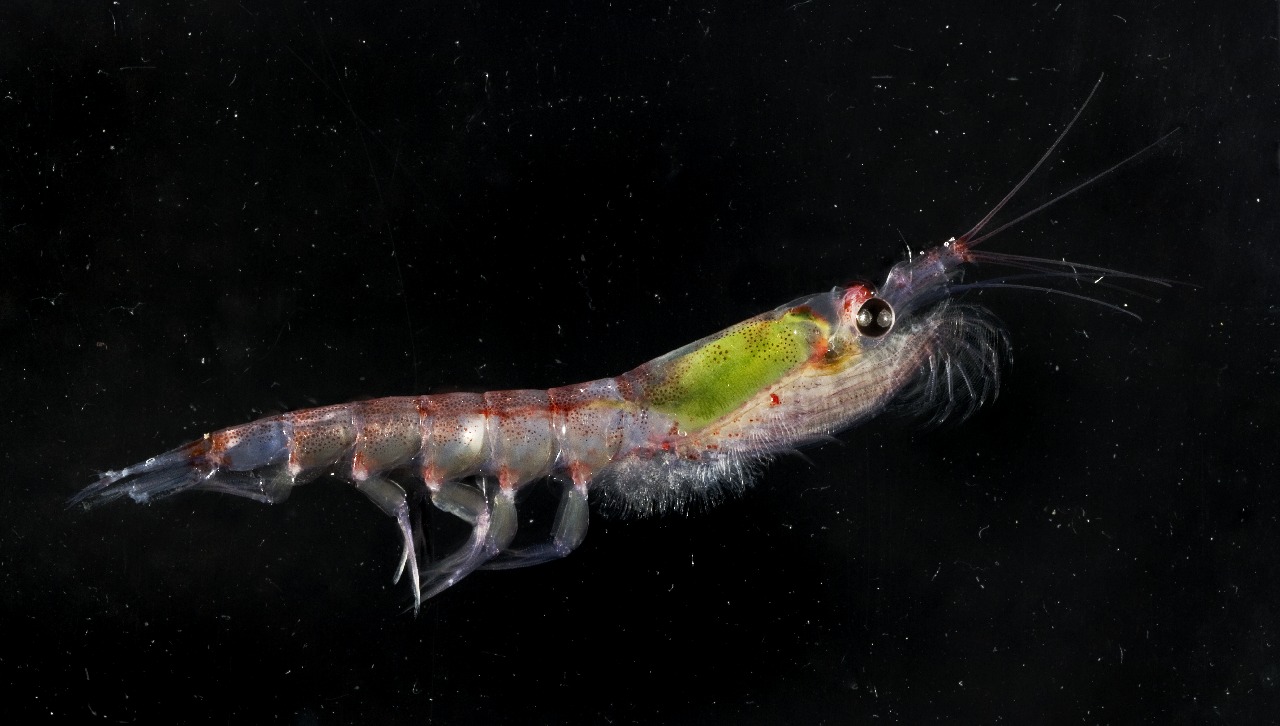
The aim of this project is to understand the biological and physical factors that produce the very large swarms of krill, or “krill hotspots” that are found in the South Orkneys region.
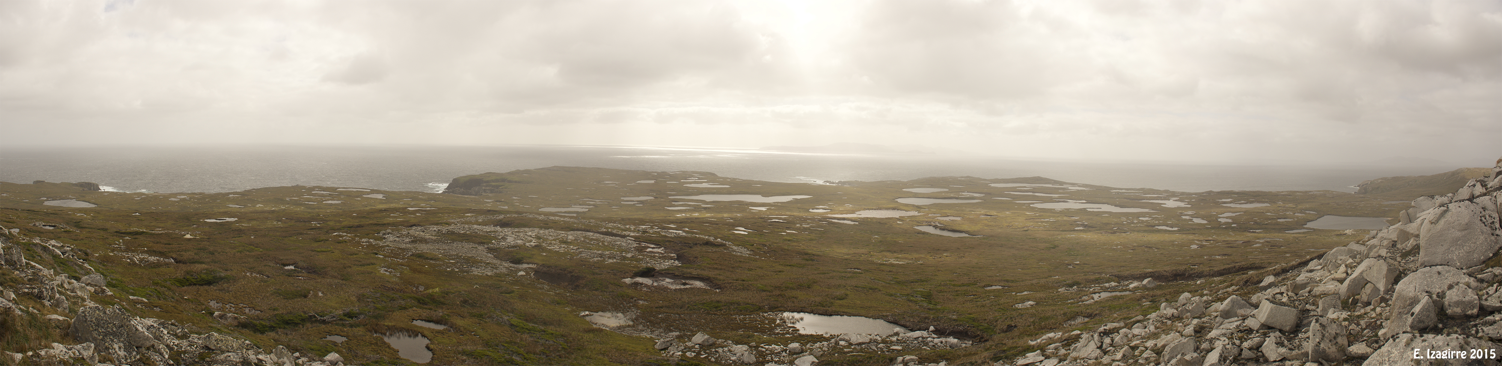
In this NERC-funded project, we are generating Southern Hemisphere Westerlies (SHW) proxy records from each of the three major sectors of the Southern Ocean, focusing on subantarctic islands situated in the core belt of the SHW.
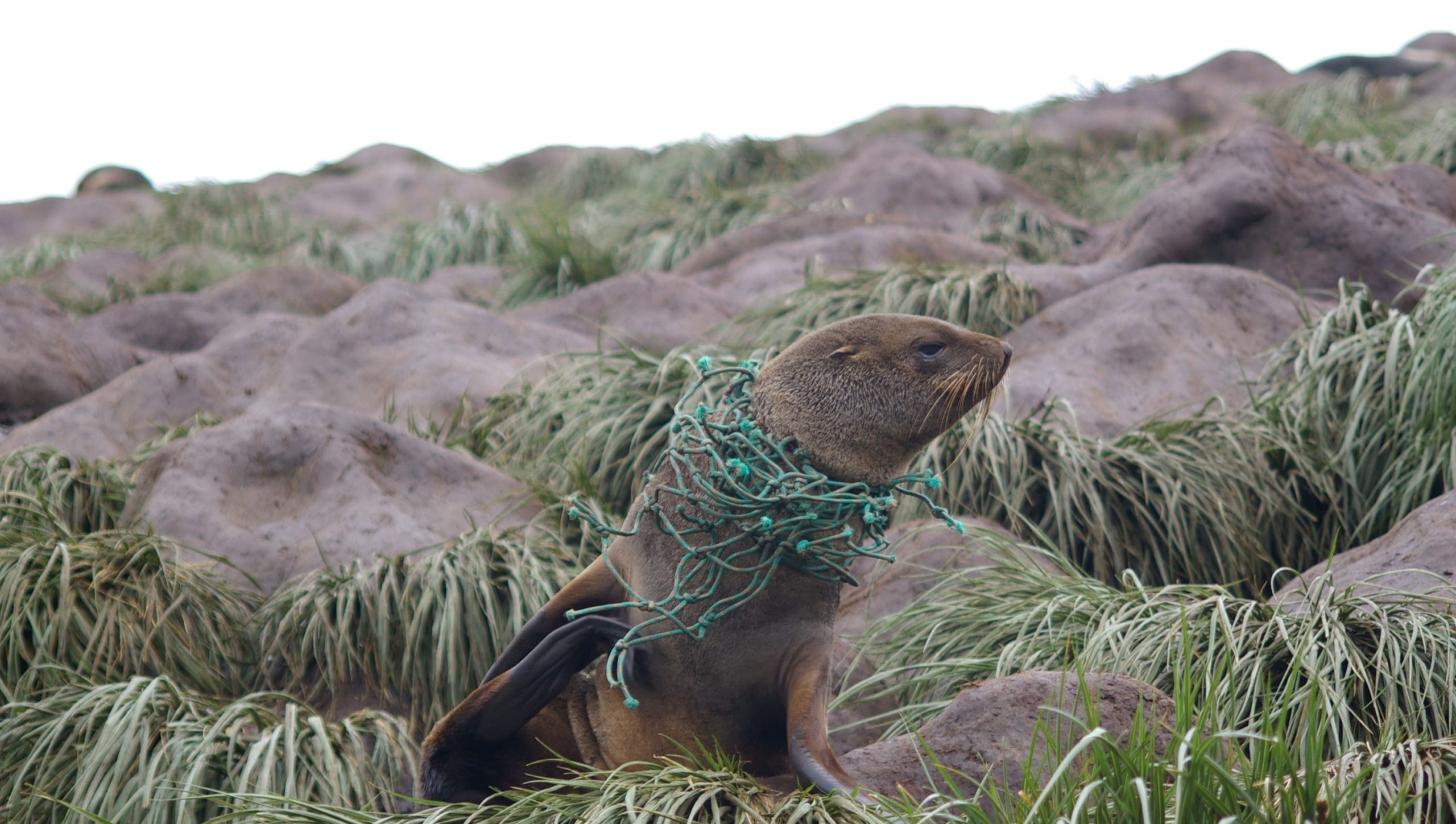
This project monitors plastics and debris in Antarctic and sub-Antarctic ecosystems, tracking impacts on seabirds, marine mammals, and coastal environments.
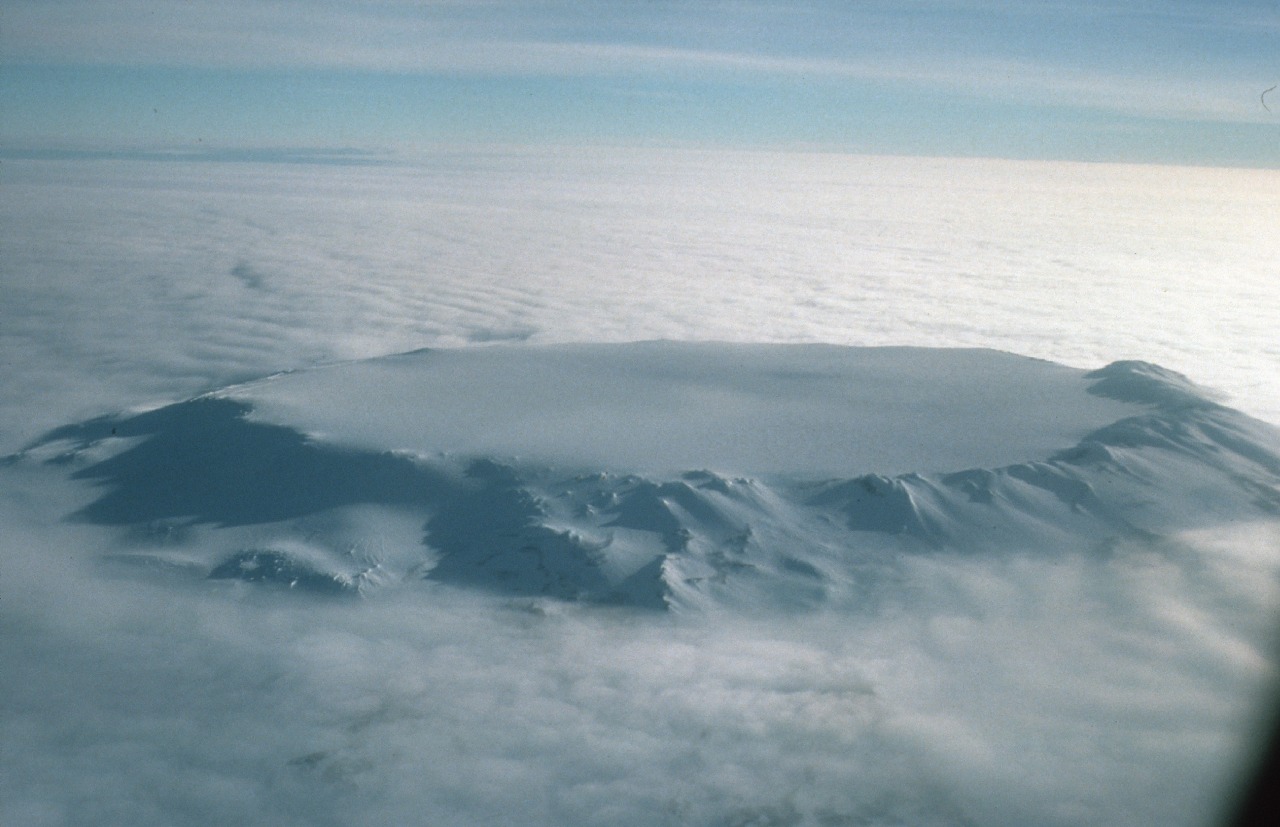
READER (REference Antarctic Data for Environmental Research) is a project of the Scientific Committee on Antarctic Research (SCAR http://www.scar.org/) and has the goal of creating a high quality, long term dataset of mean surface and upper air meteorological measurements from in-situ Antarctic observing systems.
The main deliverable of the Western Core Box (WCB) is a consistent unique time series of mesoscale distribution and abundance of macro-zooplankton and micronekton, and an understanding of the physical environment they are within at South Georgia, South Atlantic (1996 – current).
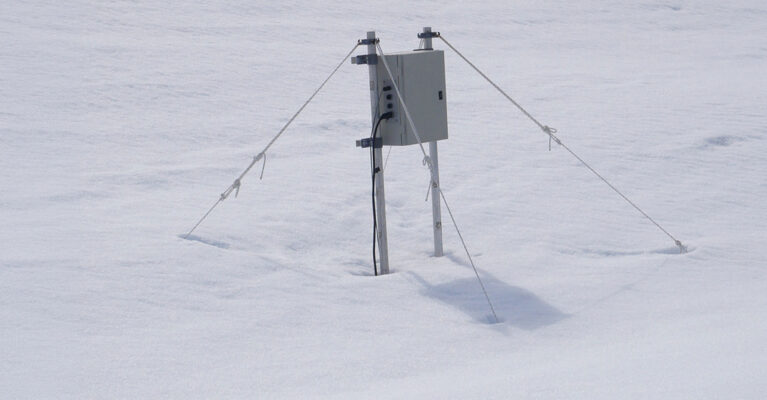
Access data from the Low Power Magnetometer (LPM) network
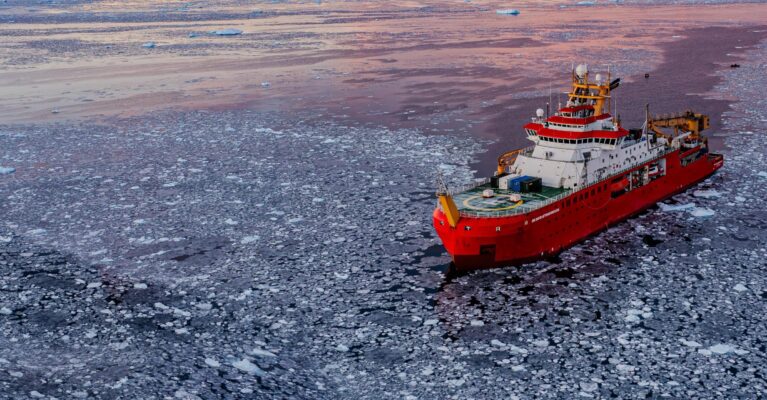
IceNet is a deep learning system that forecasts Arctic sea ice. The system is trained on climate simulations and observational data. It outperforms state-of-the-art dynamical models, especially for extreme sea ice events.

SO-AntEco was a British Antarctic Survey (BAS) led expedition undertaken in conjunction with an international team of scientists from the Scientific Committee for Antarctic Research (SCAR) AntEco research programme.
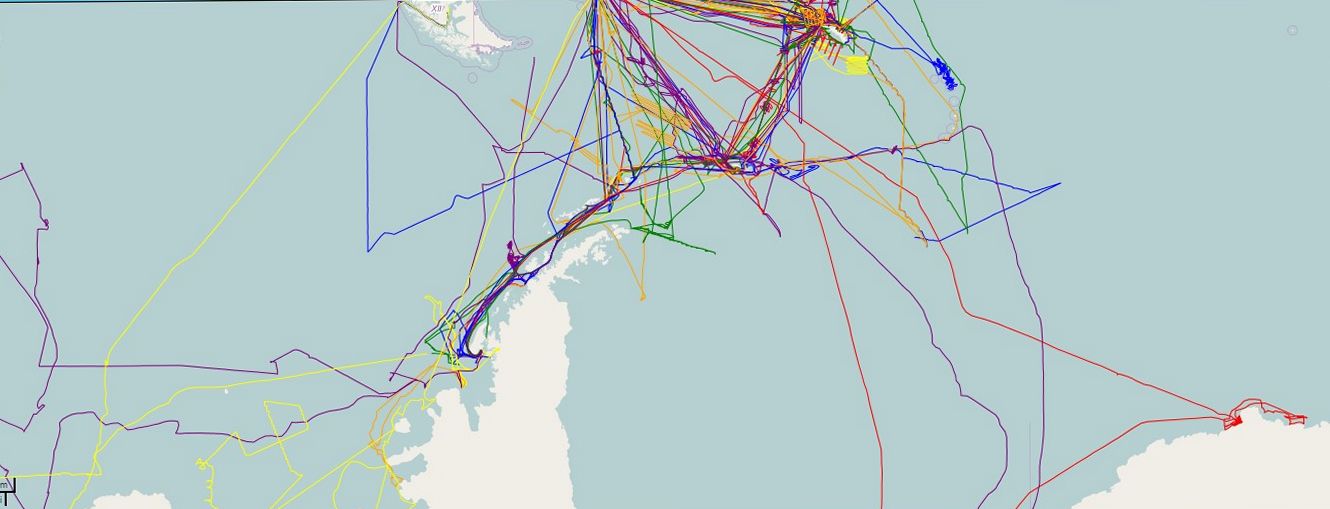
Bringing together metadata from many years of BAS marine research creates a clearer record of scientific cruises and the data collected