Ascension Island Marine Sustainability (AIMS)
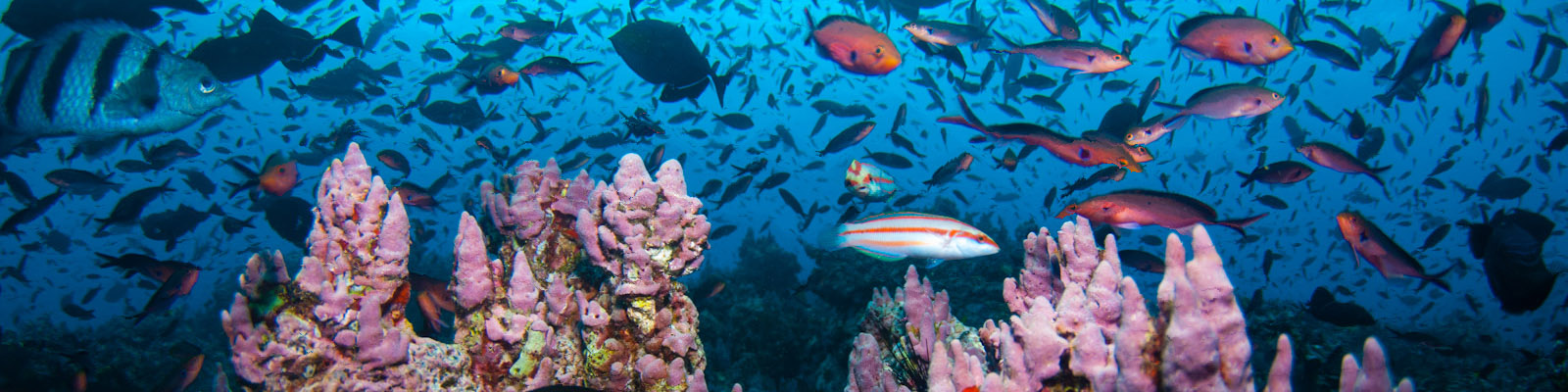
AIMS gathers baseline scientific data on Ascension Island’s globally important marine wildlife and fisheries to help the island government manage and conserve its marine resources.

61 to 72 of 263 projects
AIMS gathers baseline scientific data on Ascension Island’s globally important marine wildlife and fisheries to help the island government manage and conserve its marine resources.

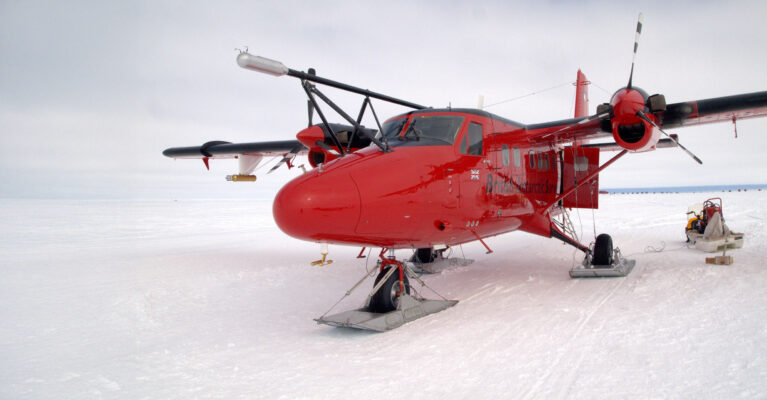
The Assets Tracking Service shows where British Antarctic Survey ships, aircraft and vehicles are at any given time.
An online data access tool to discover, visualise and access atmospheric and space weather data holdings from the polar regions.
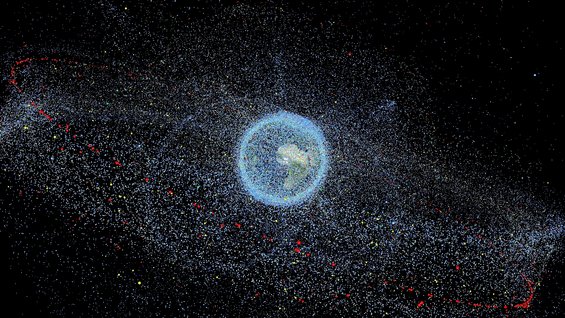
Joule Heating investigated how space weather affects the upper atmosphere’s ability to slow down orbiting satellite debris.
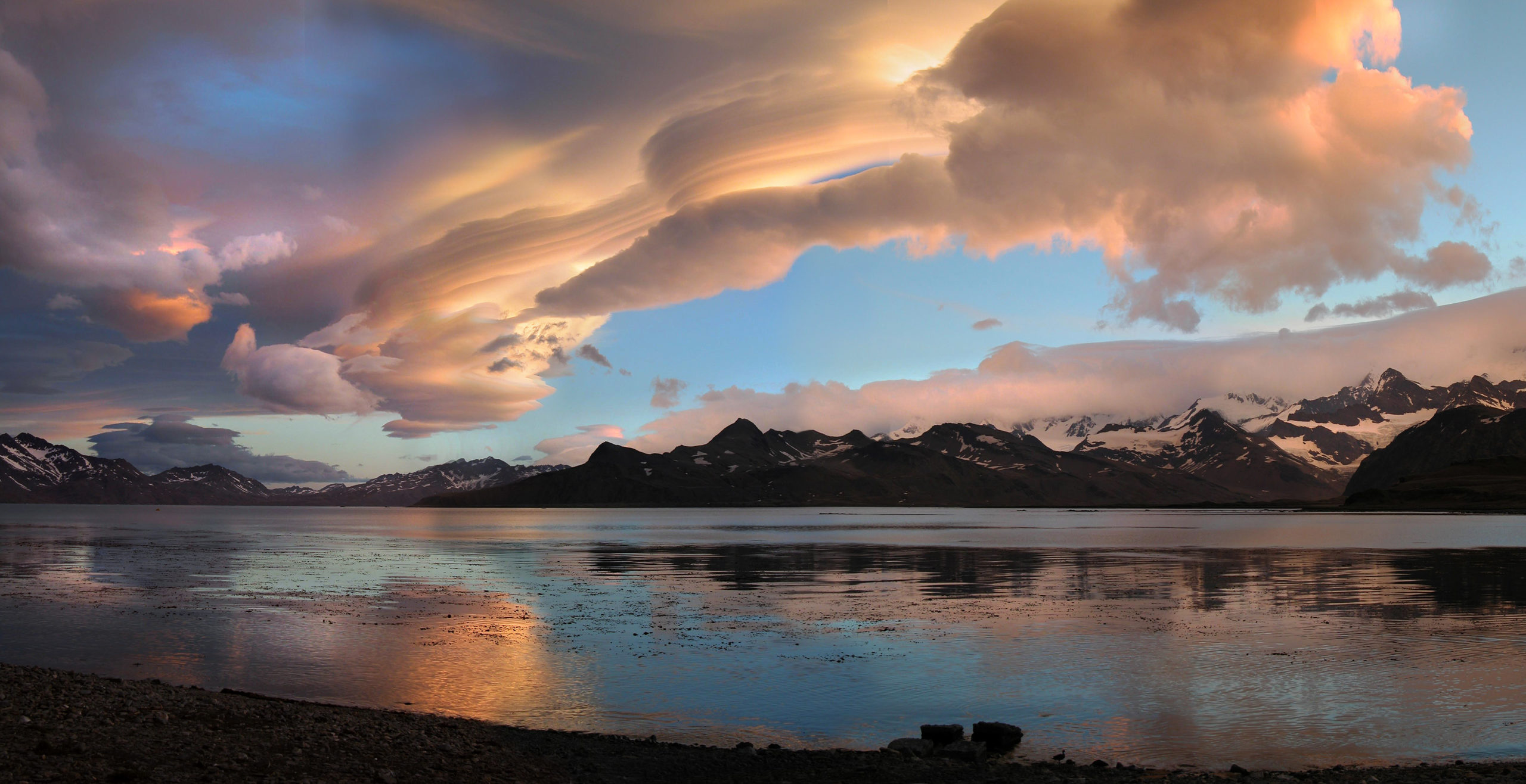
The BAS Animal Welfare & Ethics Review Body (AWERB) enforces British Antarctic Survey’s duty of care to protect animals.
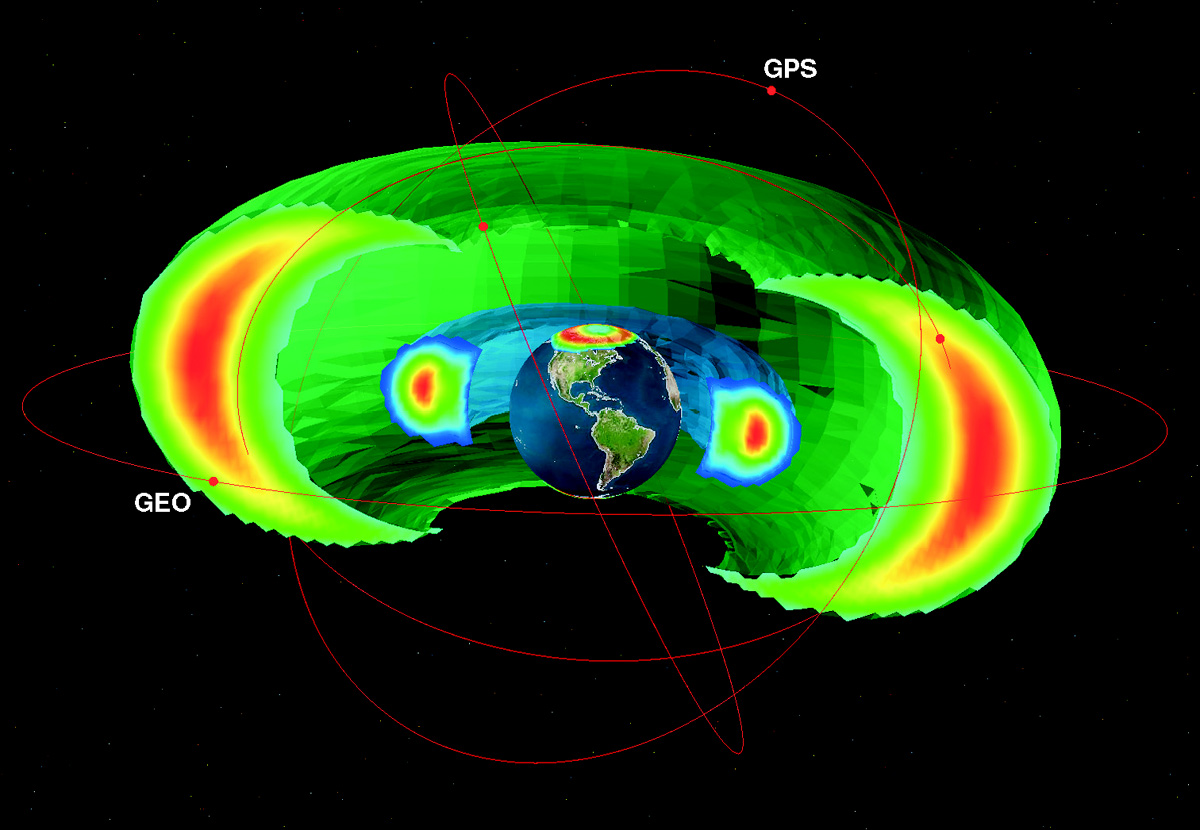
BAS-RBM simulates changes in the high-energy electrons trapped around Earth to help protect satellites, improve forecasting of space weather, and understand radiation belts at Jupiter and Saturn.
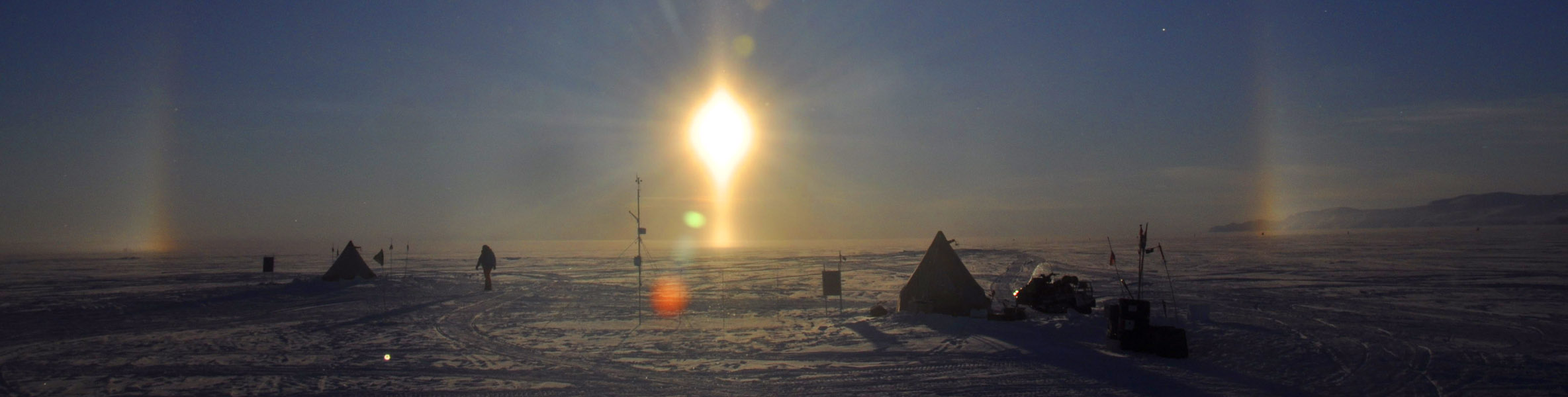
BEAMISH drilled through over 2 km of ice on Rutford Ice Stream to discover when the West Antarctic Ice Sheet last collapsed and how water and soft sediments beneath it help the ice flow towards the sea.
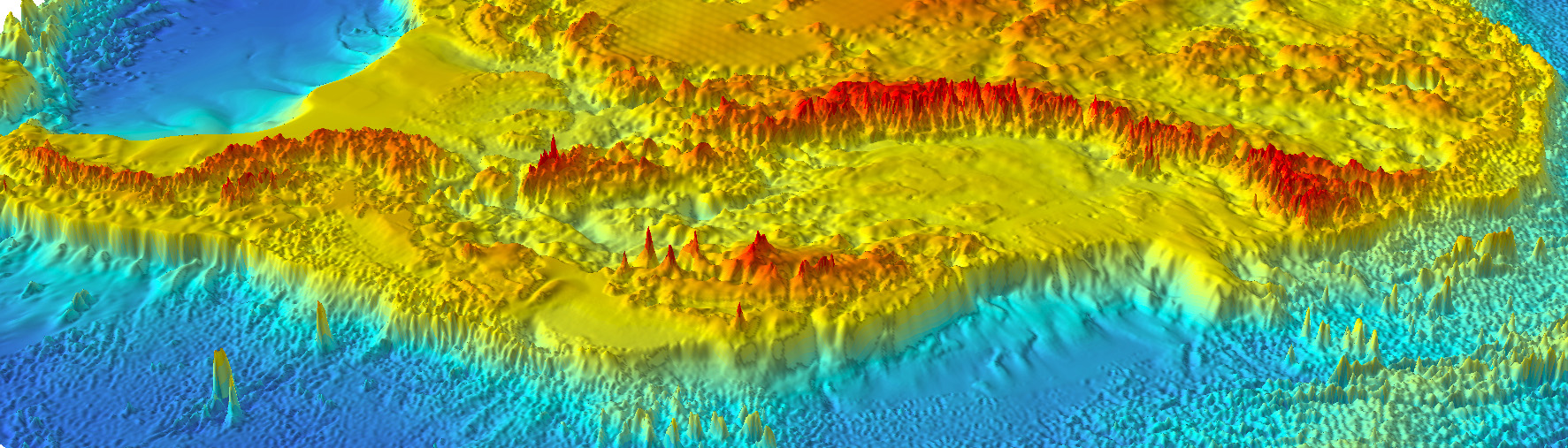
Bedmap is a collaborative community that has produced maps and datasets of Antarctic ice thickness and bed topography
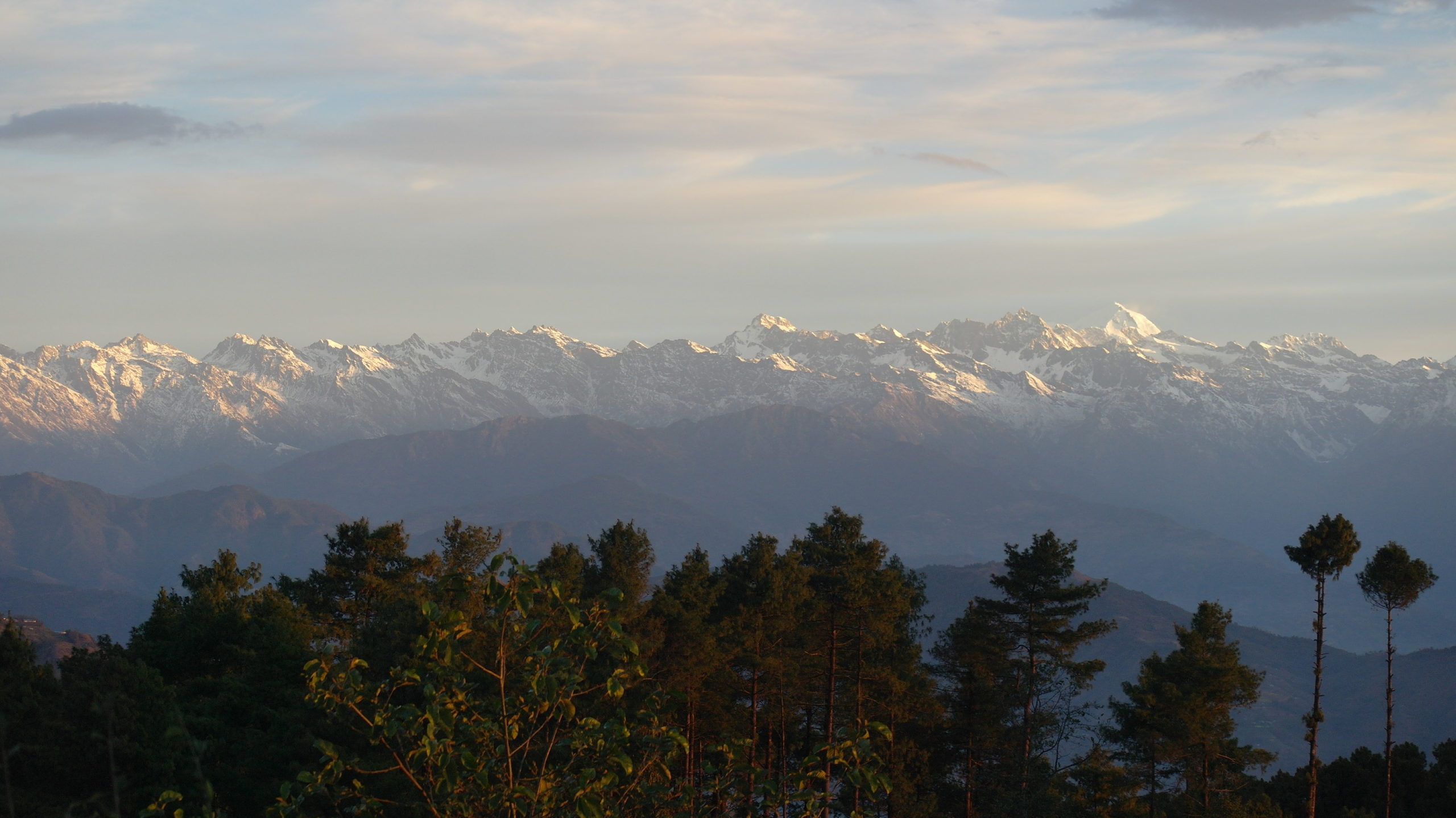
Bedmap Himalayas measures how much water is stored as glacier ice in High Mountain Asia by mapping ice thickness using radar.
Bedmap2 is a suite of gridded products describing surface elevation, ice-thickness and the sea floor and subglacial bed elevation of the Antarctic.
Bedmap3 is a collaborative community project with the aim to produce a new map and datasets of Antarctic ice thickness and bed topography.
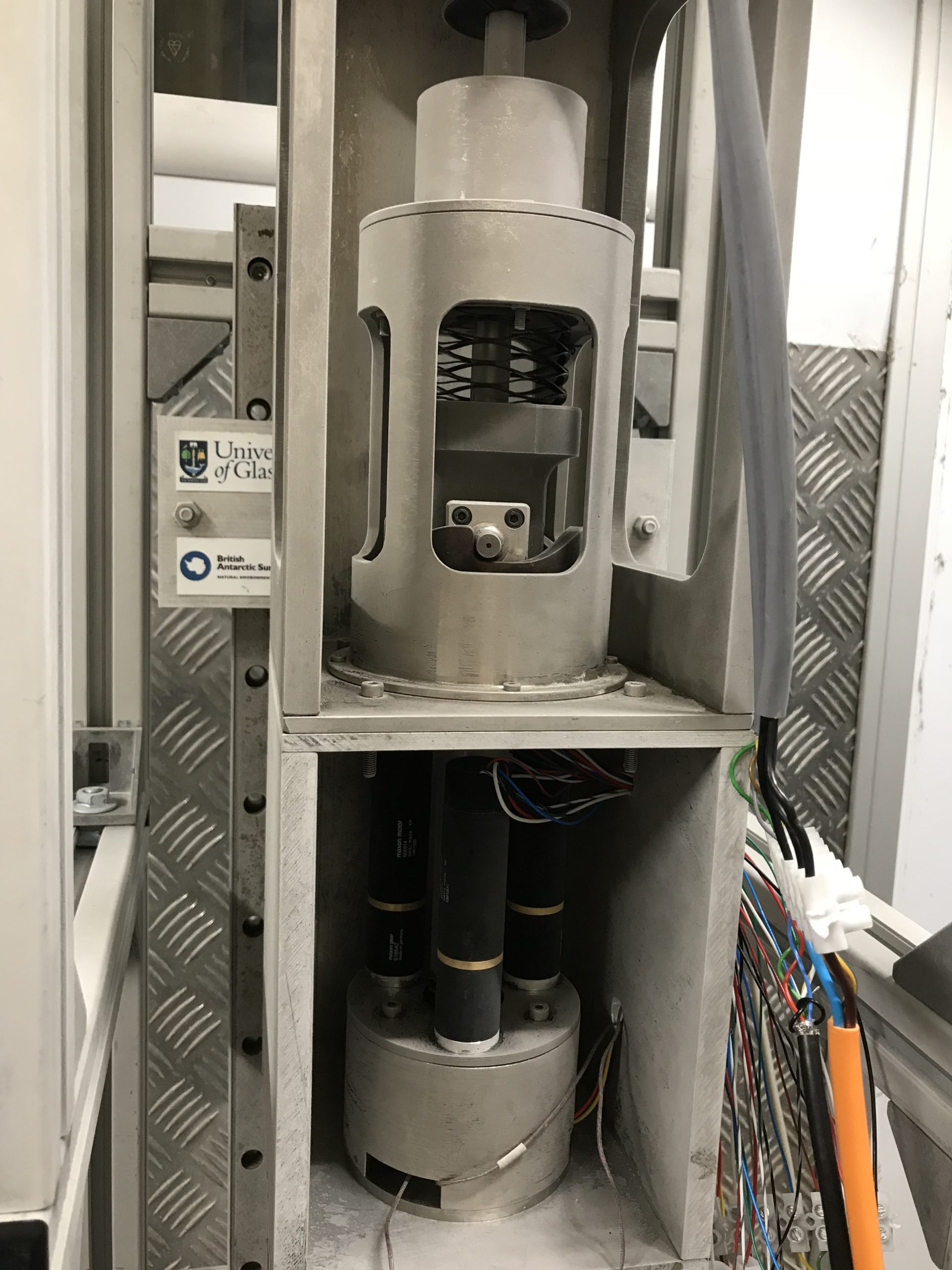
In this project samples of bedrock were analysed to determine how long they have been shielded from the sun, and that could tell us how long ago the ice sheet formed, even if the first ice has long gone.