Director of Innovations and Impact
BAS Science Strategy Executive Group, Information Services team, Leadership teams, UK Polar Data Centre team, BAS Executive team

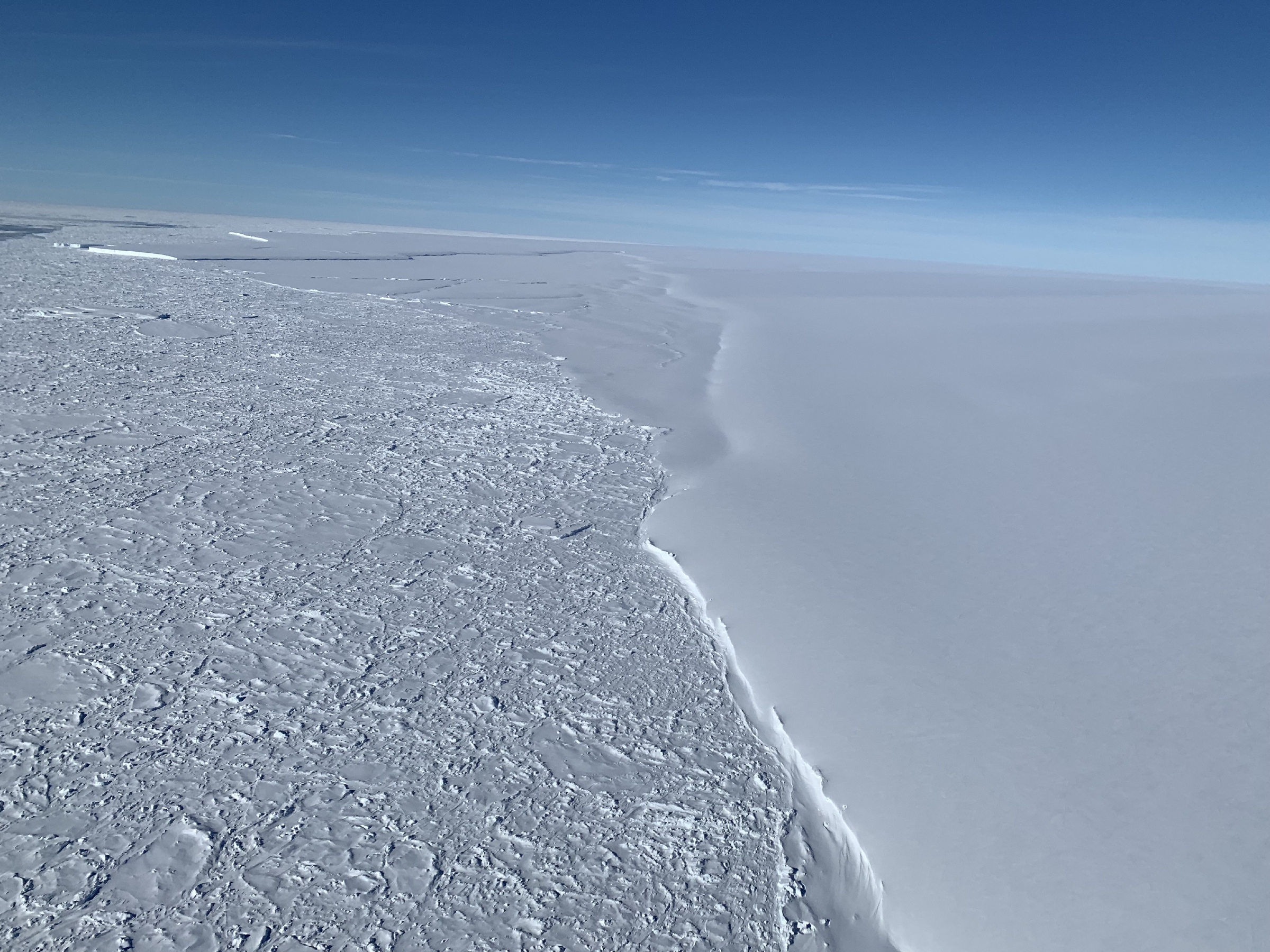
The IPCC Sixth Assessment Report addresses the most up-to-date physical understanding of the climate system and climate change, bringing together the latest advances in climate science. According to the report global surface temperature will continue to increase until at least the mid-century under all emissions scenarios considered. Global warming of 1.5°C and 2°C will be exceeded during the 21st century unless deep reductions in carbon dioxide (CO2) and other greenhouse gas emissions occur in the coming decades.
British Antarctic Survey works to understand, tackle and mitigate the effects of climate change, and embed evidence in decision making and climate policy. Our scientific research programmes and Net Zero Carbon Strategy underpin the UK’s commitment to:
Our strategy is driven by our scientific research findings and is aligned to the UKRI-NERC Environmental Sustainability Strategy. We focus on five areas of activity that will help us meet our strategic goals:
Three working groups co-ordinate key areas and report progress to the BAS Executive Team:
We carry out vital scientific research on the impact of climate change in Antarctica and beyond. By replacing old inefficient infrastructure with sustainable technologies, our ambition is to reduce carbon emissions in our Antarctic stations and Cambridge office to net zero by 2050.
Given the challenges in reducing emissions from ships and aircraft, we need to work smarter. We work with these sectors to help all of us move towards net zero as quickly as possible, and have a history of innovation that we can draw on to succeed.
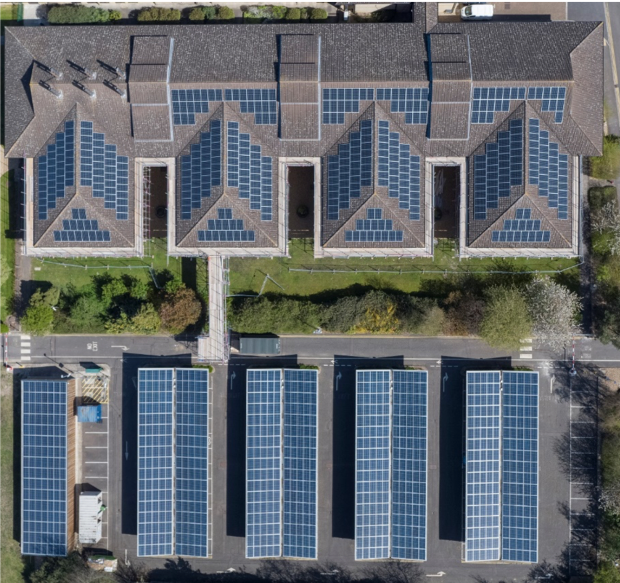
We are working on a raft of measures to reduce our carbon emissions at our Cambridge Headquarters, including installation of solar panels on the car park and roofs of buildings, and adding insulation to our Logistics building.
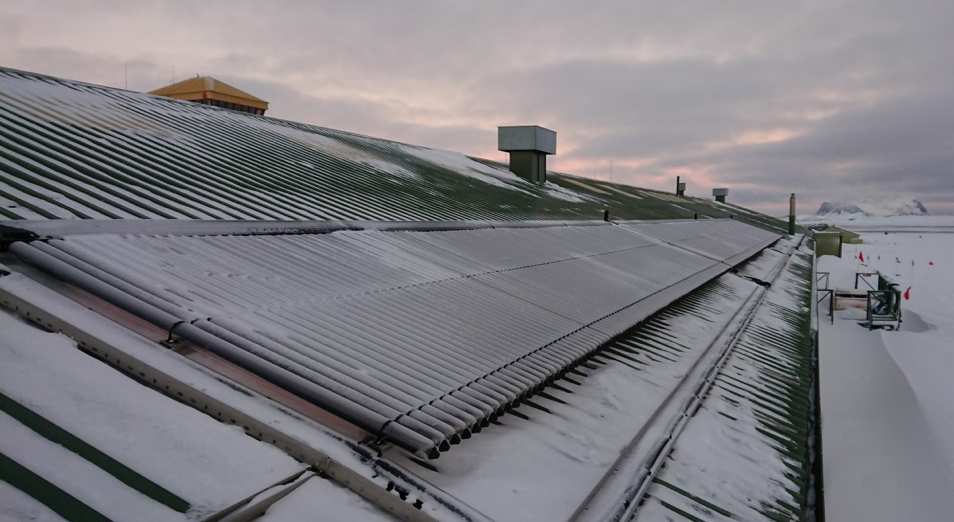
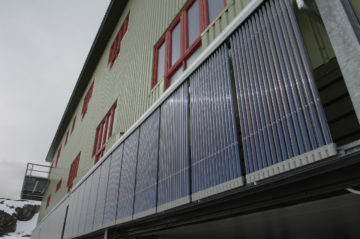
Over the past 15 years we have been introducing renewable energy to buildings across the station in the form of solar thermal and solar photovoltaics (PV).
AMOP is developing Artificial Intelligence methods that aim to optimise the efficiency of Antarctic field operations, while maximising science delivery
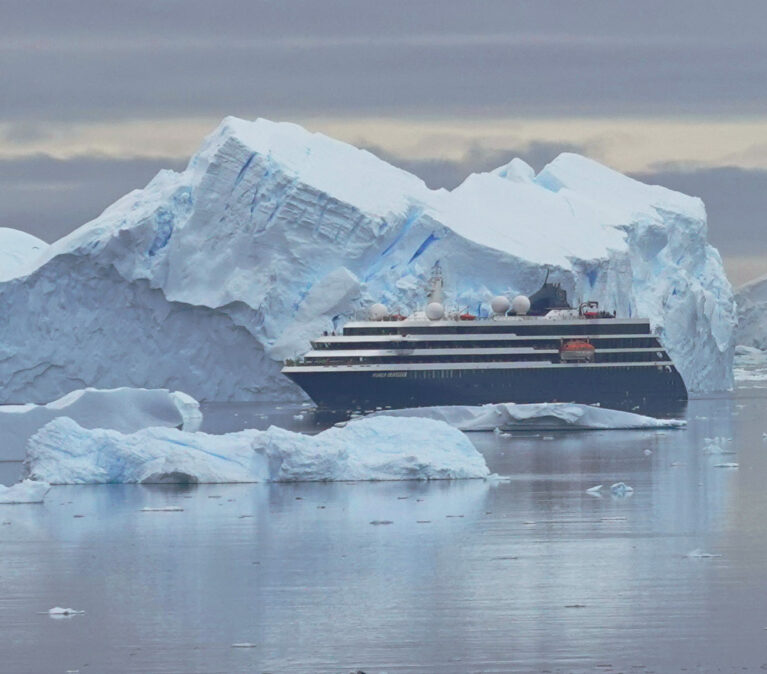
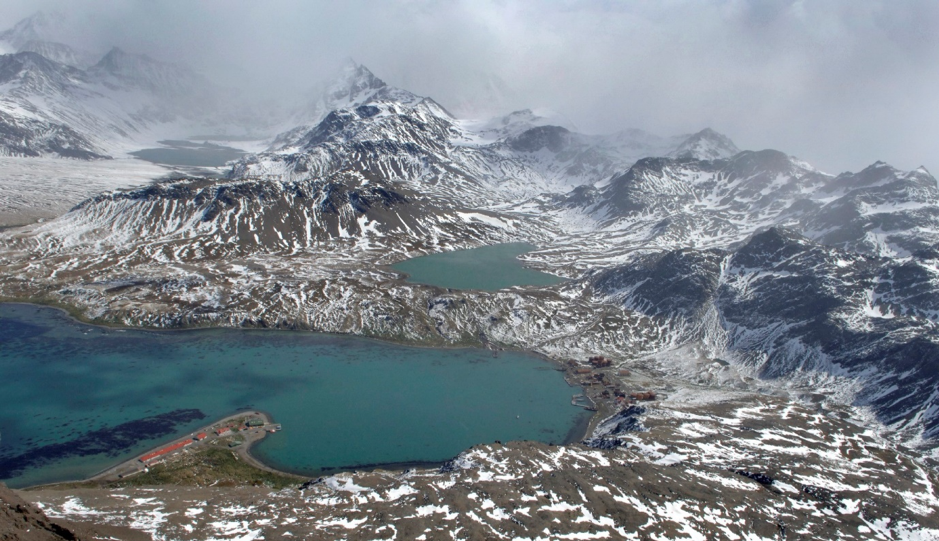
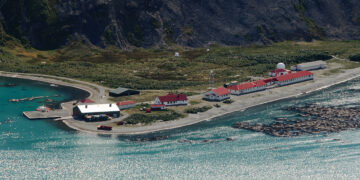
King Edward Point Research Station already meets 80% of its energy demands in electricity and heating by an existing hydropower system. Read more about our plans to decarbonise King Edward Point.
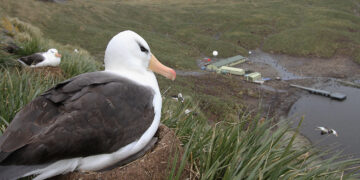
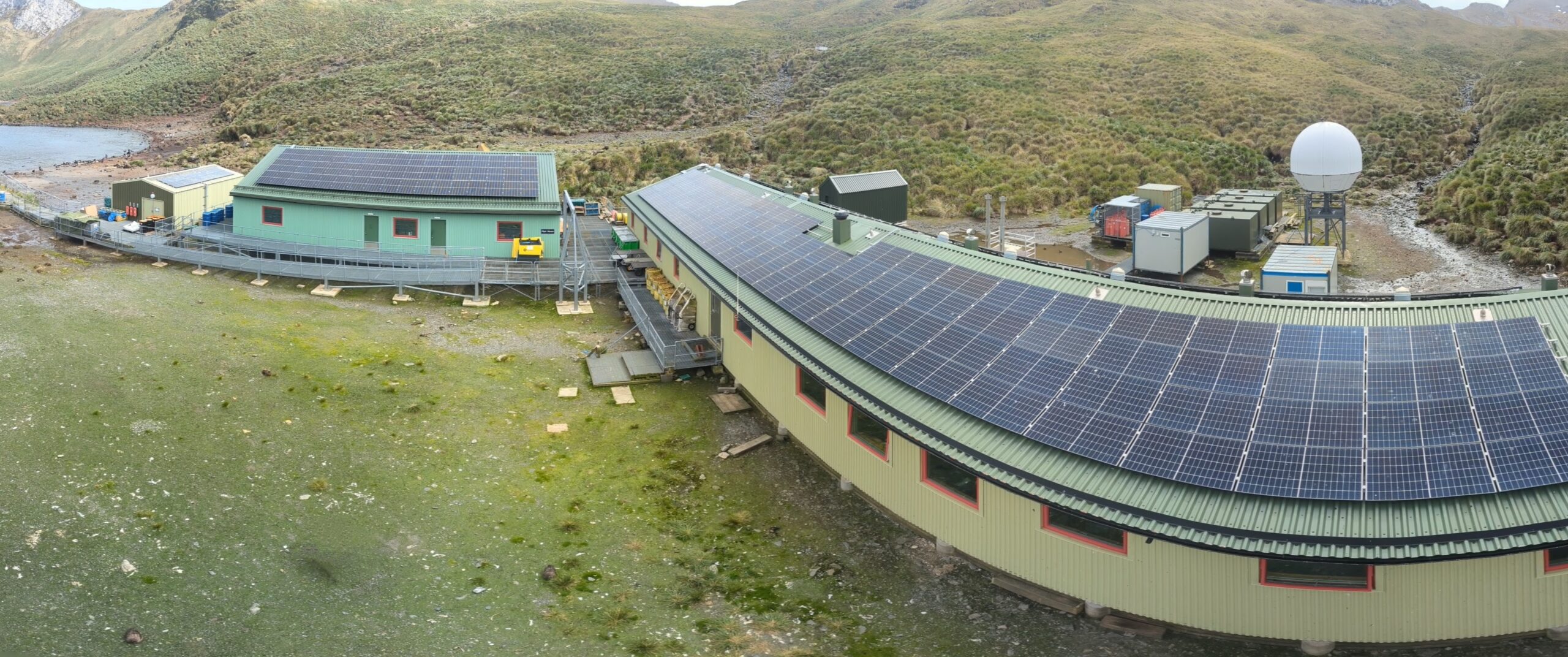
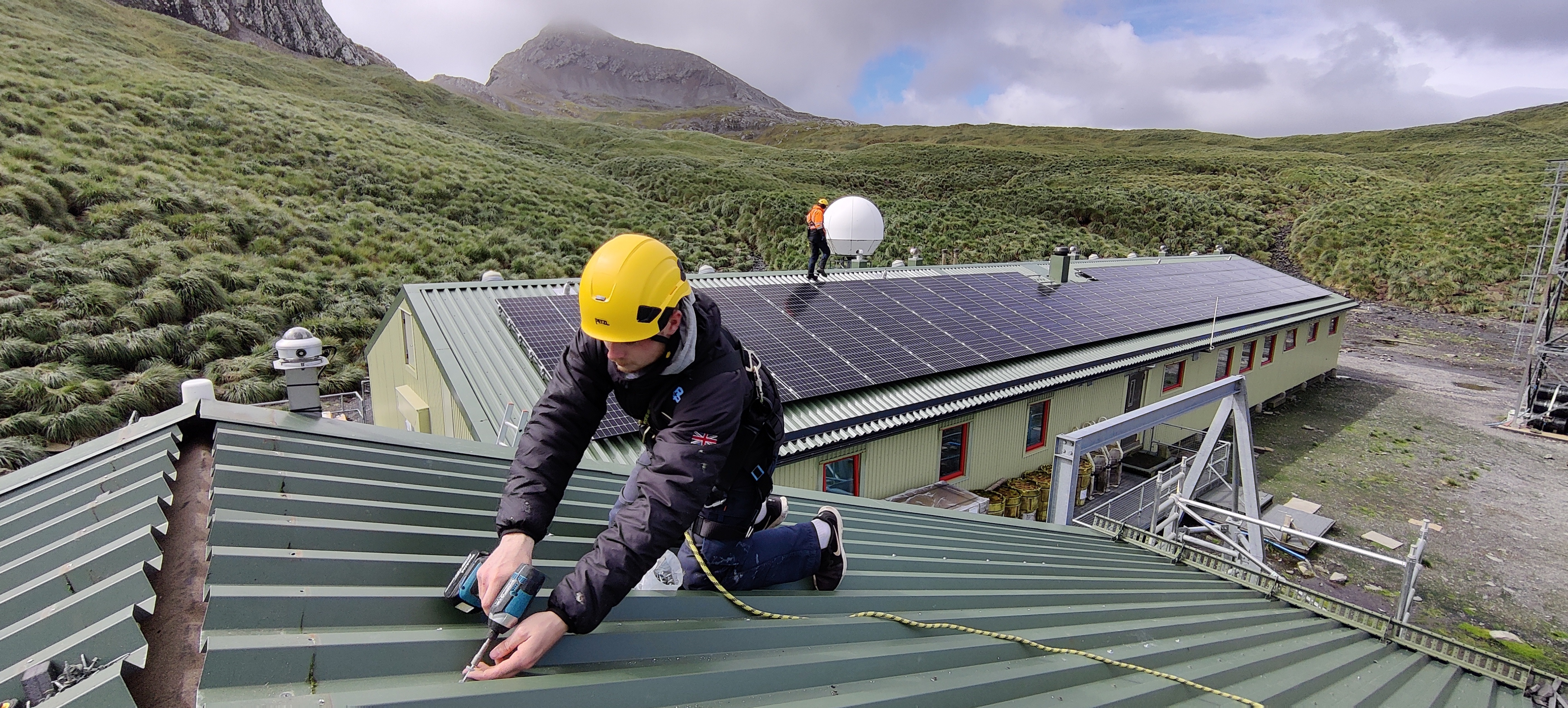
In order to decarbonise our remote Bird Island Research Station on the sub-Antarctic Island of South Georgia we will be installing a solar photovoltaic and energy storage system.
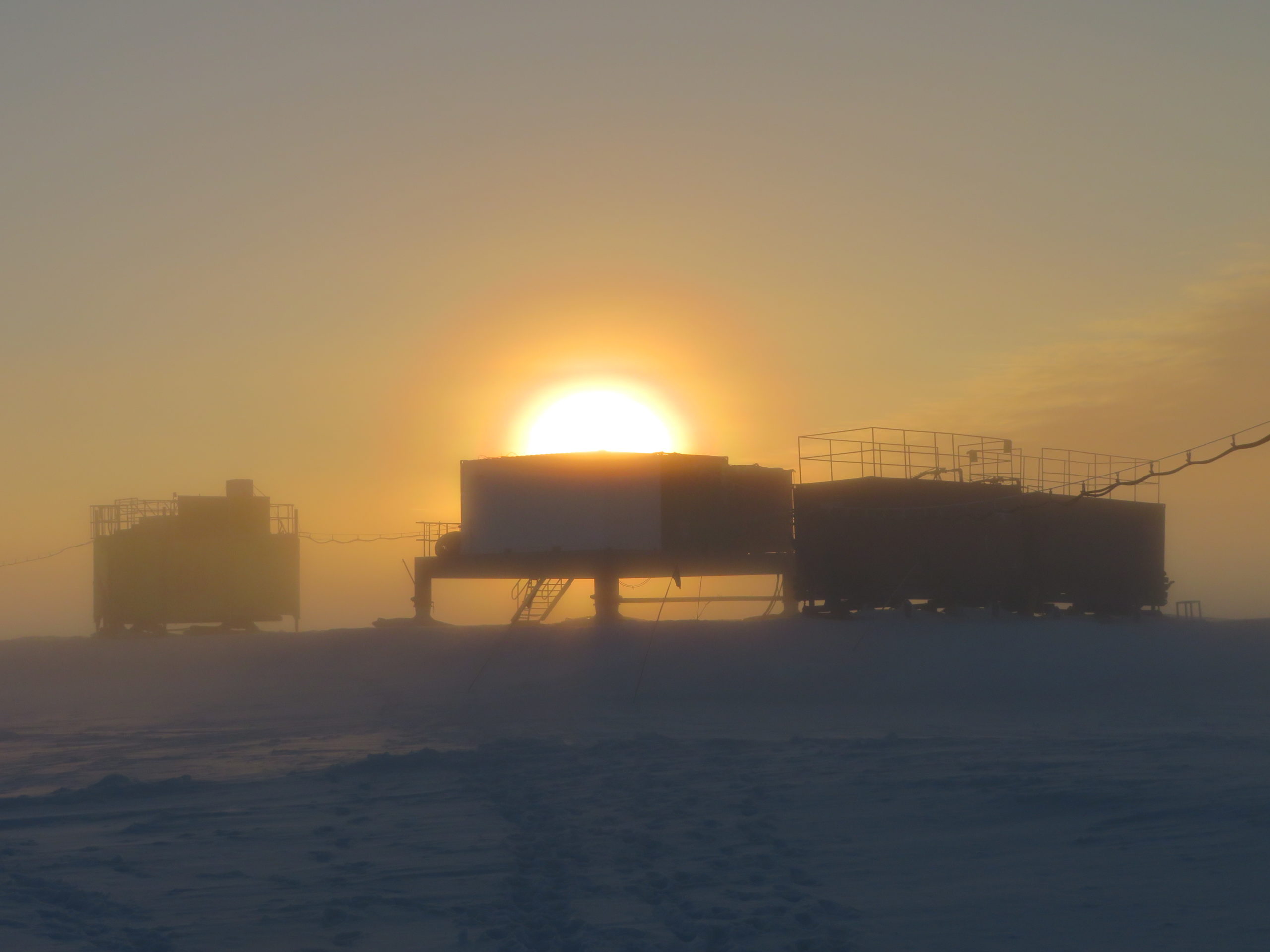
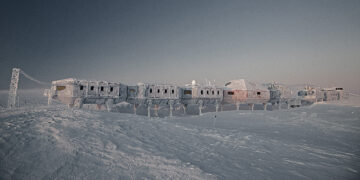
This innovative, multi-year, project created a suite of autonomous scientific instrumentation around Halley Research Station, enabling data collection even when the station may be unoccupied.
Director of Innovations and Impact
BAS Science Strategy Executive Group, Information Services team, Leadership teams, UK Polar Data Centre team, BAS Executive team

Head of Communications
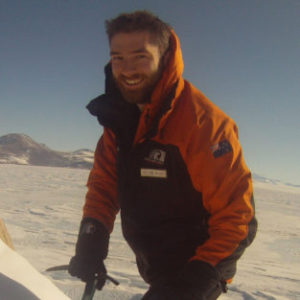
Lifetime of Halley Glaciologist

Impact Facilitator

Pelagic Marine Ecologist
Here at British Antarctic Survey, we recently opened our doors to over 40 companies in science, technology, and green innovation to help us make the next steps in reaching net […]
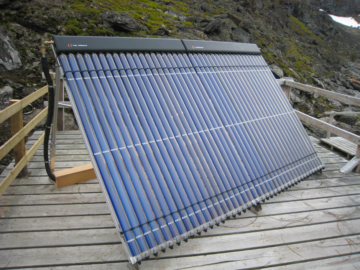
For the inaugural Net Zero Awareness Week (17-23 July), Natalia Ford — Sustainability Manager at British Antarctic Survey, raises some of the challenges of talking about reducing carbon emissions and […]
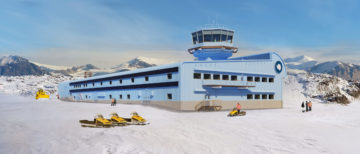
The British Antarctic Survey has installed and activated two solar photovoltaic and energy storage systems in Antarctica as part of our commitment to reach net zero by 2040.
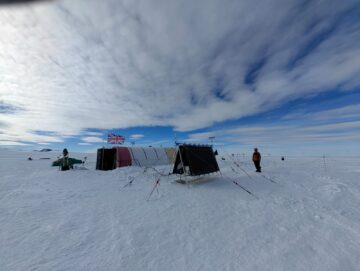
For the first time, the British Antarctic Survey (BAS) are publishing their carbon footprint data on their website to increase transparency and help other organisations reduce their carbon emissions.

British Antarctic Survey has won the Gold Award at the Global FM Awards of Excellence 2024 for ‘The British Antarctic Survey Facilities and Estates team’.
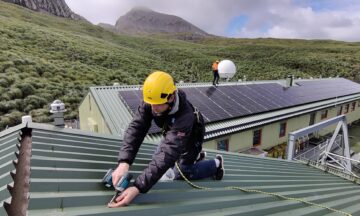
Over 120 scientists and operational professionals working for British Antarctic Survey have received a new qualification to help the polar research institute reach net zero carbon emissions by 2040.
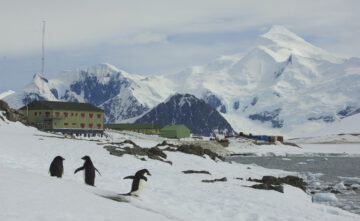
British Antarctic Survey (BAS) is using Hydrotreated Vegetable Oil (HVO) for the first time on the RRS Sir David Attenborough, as an alternative to conventional diesel fuel, as part of […]

British Antarctic Survey (BAS), an institute of the Natural Environment Research Council (NERC), is one of the first public sector organisations to be recognised by the Carbon Trust for its […]
Scientific labs at British Antarctic Survey (BAS) in their Cambridge headquarters and at Rothera Research Station in Antarctica have achieved a sustainability award from the Laboratory Sustainability Efficiency Assessment (LEAF) […]
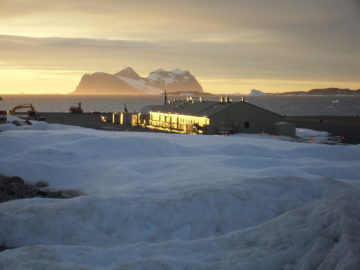
A hackathon involving some highly innovative minds from across business and academia has resulted in the announcement of three winning entries to help decarbonise research stations for the British Antarctic […]
A dramatic art installation symbolising our warming climate will be launched at the Cambridge Cleantech annual conference on 20 October as the city’s innovators and scientists gather together to brainstorm […]

Immersive science-art ice core research exhibition to be displayed at Glasgow Science Centre during COP26

Award reflects project’s excellent environmental approach to biodiversity and sustainability. A new 74 metre wharf at British Antarctic Survey’s (BAS) Rothera Research Station has achieved the first CEEQUAL award in […]
Construction expert BAM Nuttall, with design consultants Sweco, have won a tender for a new 10-year partnership to take forward an ambitious programme to modernise the British Antarctic Survey (BAS) […]
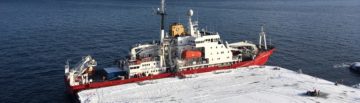
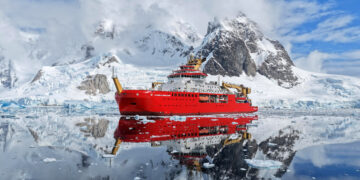
Our state-of-the-art polar science ship provides scientists access to remote and challenging marine environments across the Antarctic and Arctic.
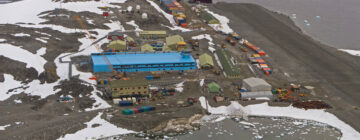
The largest British Antarctic facility is a centre for biological research and a hub for supporting deep-field science.
Halley Research Station is globally significant for observing the Earth, its atmosphere, and space weather.
King Edward Point Research Station on South Georgia is a centre for marine and fisheries research.
The Bird Island Research Station focuses on the long-term study of seabirds and seals in one of the world’s richest wildlife sites.