Investigating mixotrophy in Antarctic cycles
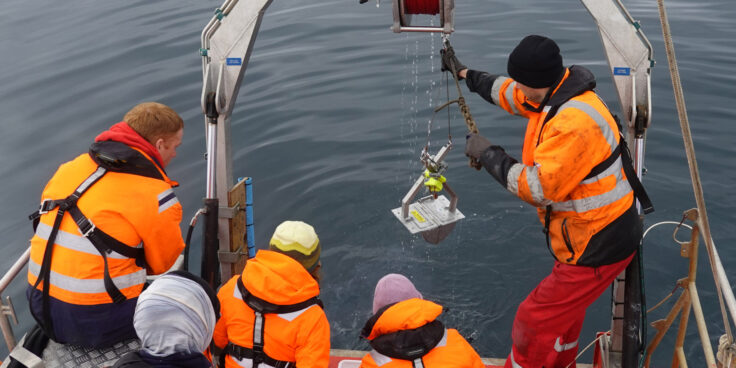
MACS looks at Antarctica’s rapidly changing seasonal sea ice. As the planet warms microalgae growing in ice and water are affected and this, in turn, affects our climate system.

13 to 24 of 309 results
MACS looks at Antarctica’s rapidly changing seasonal sea ice. As the planet warms microalgae growing in ice and water are affected and this, in turn, affects our climate system.
Embeddable maps for visualising simple features on a suitable basemap.

The Assets Tracking Service shows where British Antarctic Survey ships, aircraft and vehicles are at any given time.

GIANT is a pioneering science project that will test the potential for early warning of a critical climate tipping point.

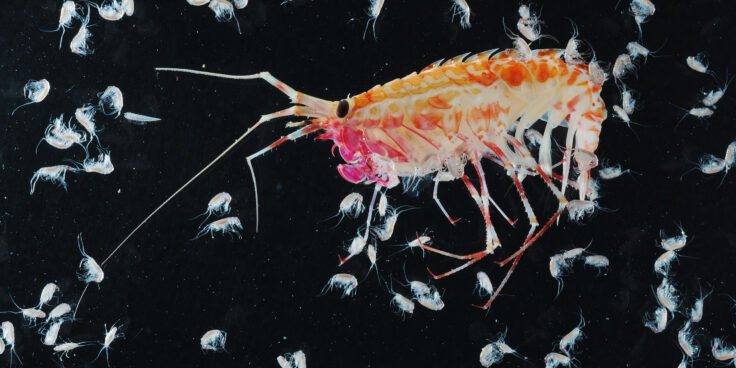
This project studies how Antarctic aquatic ectotherms — animals whose body temperature depends on their environment — survive in freezing waters.
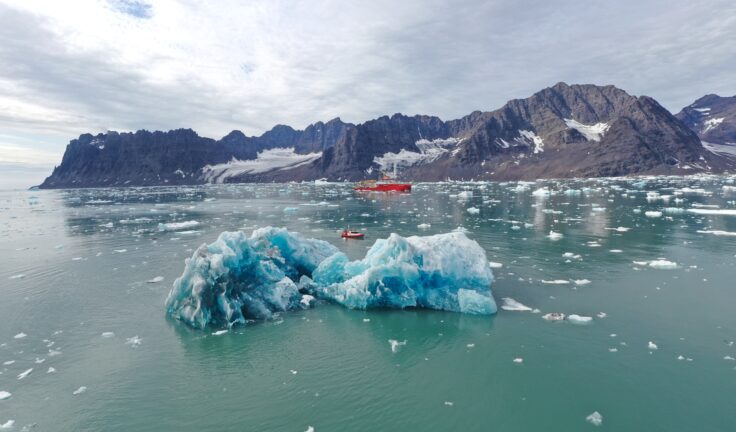
POLOMINTS investigates how glacier calving triggers internal tsunamis, reshaping polar ocean mixing and influencing climate, ecosystems, and carbon cycling.
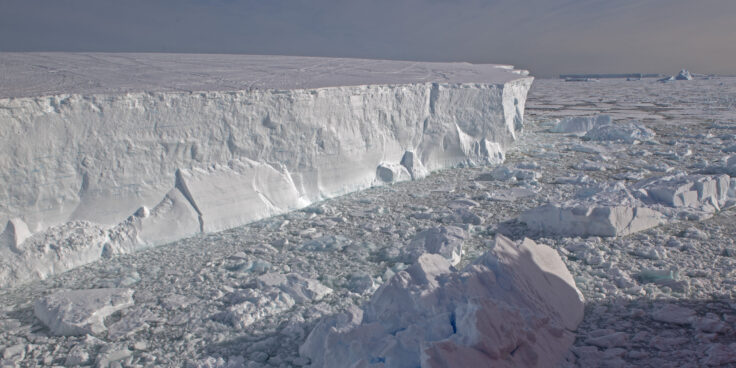
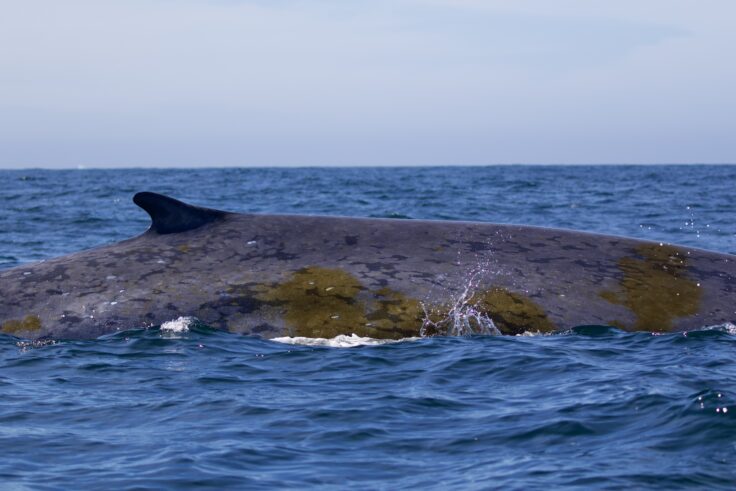
This project is creating a long-term framework for monitoring whale numbers and behaviour.
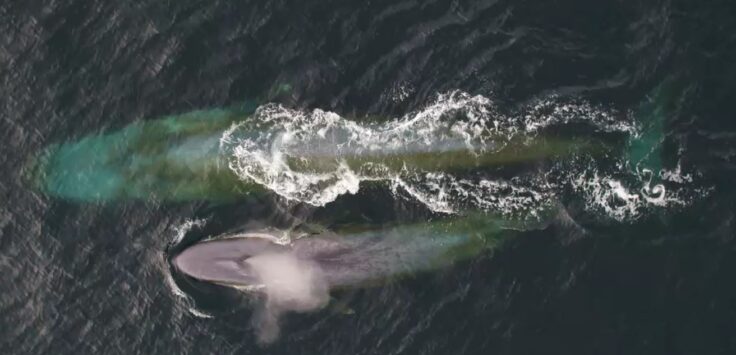
ExtAnt investigates extreme weather events in Antarctica, examining their causes including human activity, the ozone hole and greenhouse gases.
The AI for Earth Observation project develops machine learning tools to detect icebergs, sea ice, and wildlife from satellite imagery.
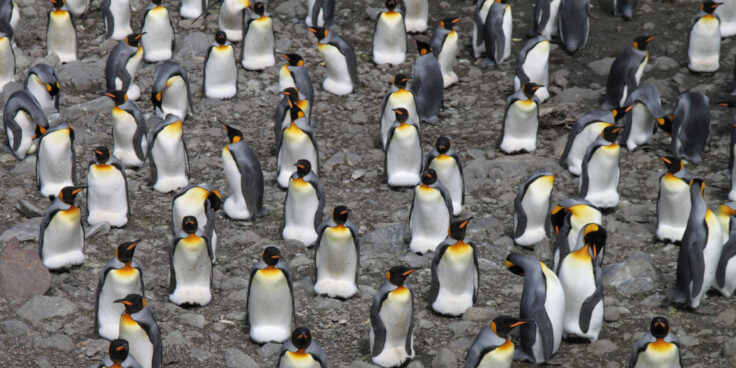
South Georgia’s Lost Giants is part of the British Antarctic Survey’s “Wild Water Whales” project studying the recovery of whales from historical exploitation in South Georgia.