Penguin foraging in a warming ocean
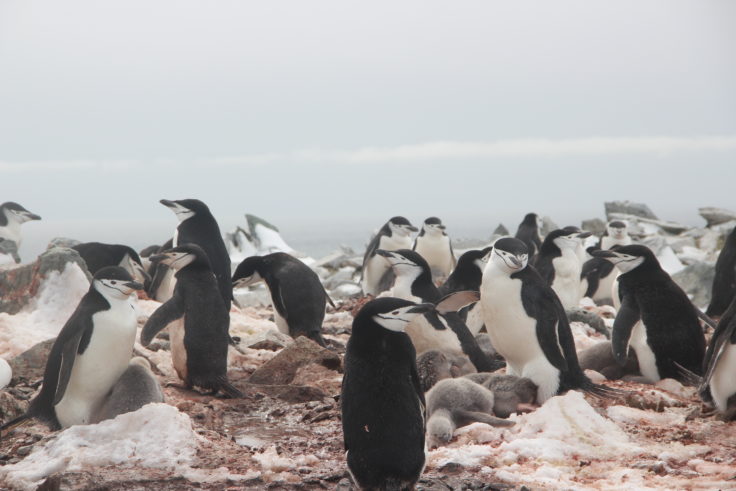
The aim of this project is to learn more about the feeding habits of penguins around the Antarctic Peninsula to understand how their behaviour may be changing as the waters around the Peninsula warm.

133 to 144 of 303 results
The aim of this project is to learn more about the feeding habits of penguins around the Antarctic Peninsula to understand how their behaviour may be changing as the waters around the Peninsula warm.
The International Thwaites Glacier Collaboration unites global scientists to study Antarctica’s most vulnerable glacier, predict sea-level rise, and inform climate action worldwide.
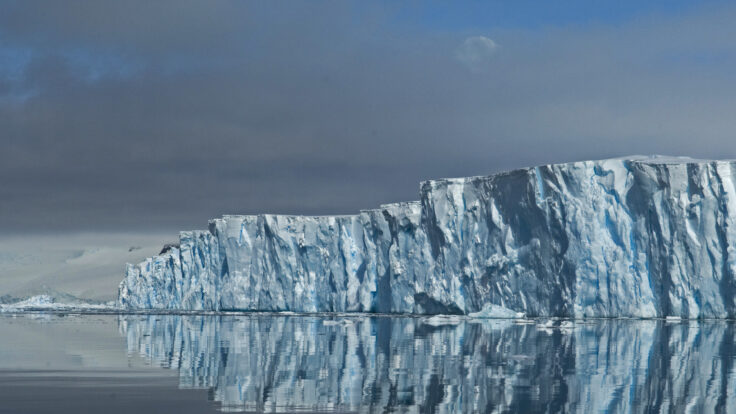
The study of the last interglacial sea ice requires a cross-disciplinary team of scientists in the fields of climate modelling, sea ice dynamics, and ice/marine sediment cores. The “Retreat […]
The Last Interglacial was a period of the Earth’s geological history (between 130 000 and 115 000 years BP) characterized by a climate warmer than today, with a higher global […]

This three-year project aims to leave a legacy of robust information about the marine ecosystem as well as oceanographic and food web modelling that will provide the scientific information necessary to develop policies to manage marine ecosystem resources, especially those relating to food security and eco-tourism.
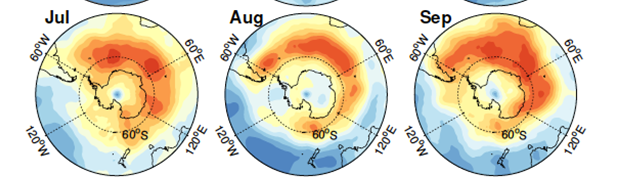
DRAGON-WEX used a novel 3D satellite analysis method combined with meteor radars at Rothera and King Edward Point to track how gravity waves influence atmospheric circulation.
UK Antarctic Heritage Trust Among our outreach activities, we collaborate with the charity UK Antarctic Heritage Trust to produce inspirational resources for schools. Our objective is to […]
The British Antarctic Survey and the Cambridge Conservation Initiative (CCI) are convening a series of half day workshops focused on the science-policy interaction within highly topical conservation and management issues.

The primary aim of the project is to carry our airborne gravity observations across hitherto unexplored parts of Antarctica.
The South Georgia Right Whale project is a dedicated population survey of southern right whales, in their feeding grounds off South Georgia, since whaling ceased in the 1970s.
The Larsen-C Benthos project studied benthic biodiversity on the seabed exposed by the 2017 calving of the Larsen-C Ice Shelf.
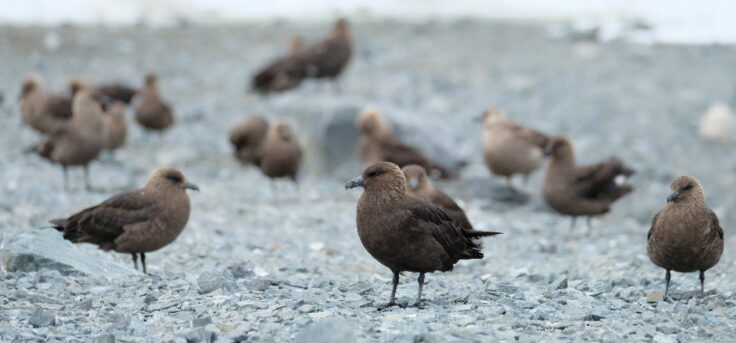
Long-term monitoring helps scientists understand how wildlife responds to environmental changes. Skuas are top predators, so their breeding success reflect wider ecosystem conditions.