Sea salt aerosols and Arctic climate
SSAASI-CLIM attempts to determine the salt sea aerosol source, fate and potential impact on Arctic climate associated with blowing snow above sea ice and other sea ice sources.


121 to 132 of 309 results
SSAASI-CLIM attempts to determine the salt sea aerosol source, fate and potential impact on Arctic climate associated with blowing snow above sea ice and other sea ice sources.
Offshore gas fields worldwide are major sources of methane emissions. Developing reliable methods to locate emissions and pinpoint sources is critical for quantifying the volume of methane emissions from gas fields across the world.
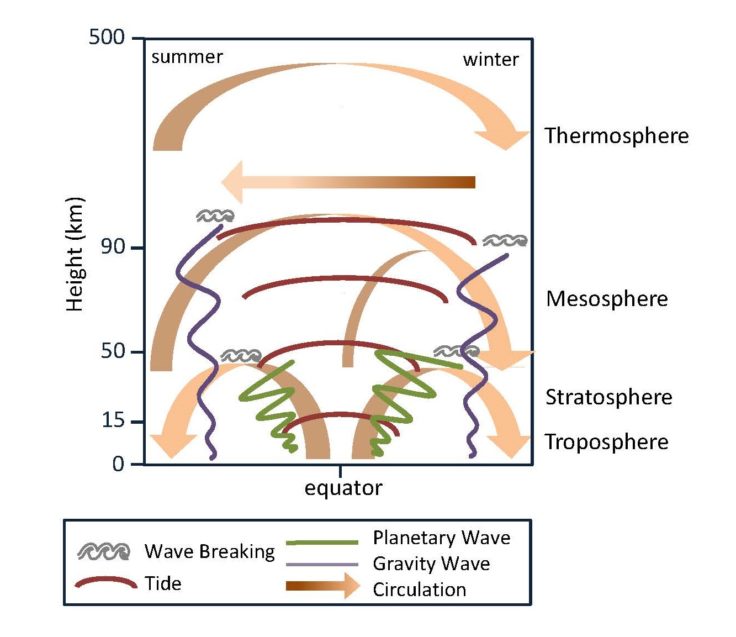
Whole Atmosphere Climate Change project investigated how human-driven climate change in the lower atmosphere affects upper atmosphere conditions up to 500 km altitude.
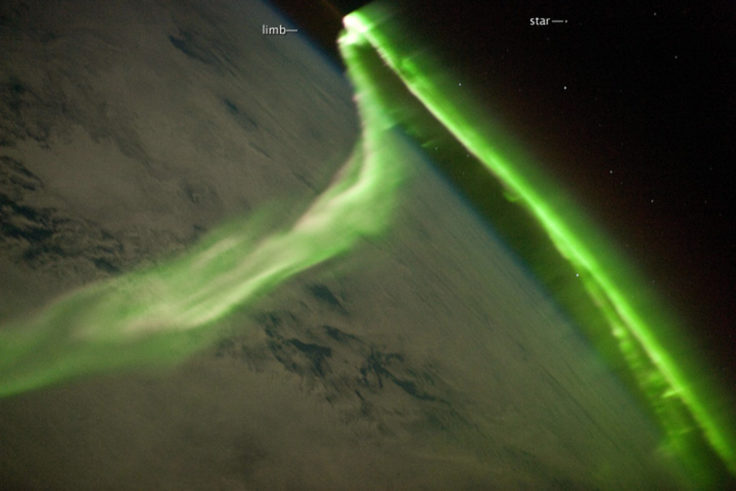
SWIGS investigated how space weather drives geomagnetically induced currents in power grids, pipelines, and railways.
The aim of this project is to develop a next generation sea ice information service by integrating and building on a wide range of European and national funded activities which incorporate many of the required components.
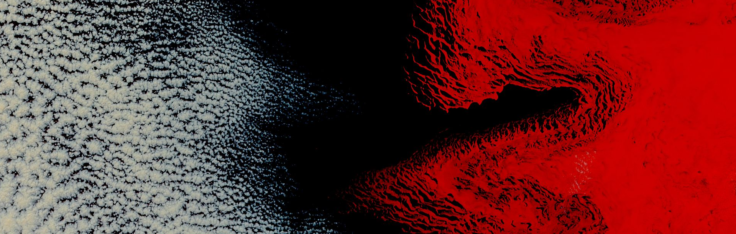
WAMSISE examined the record of ice sheet evolution on West Antarctic continental margins from middle Miocene to present, clarify the factors controlling the major sedimentary changes, and consider their global implications.

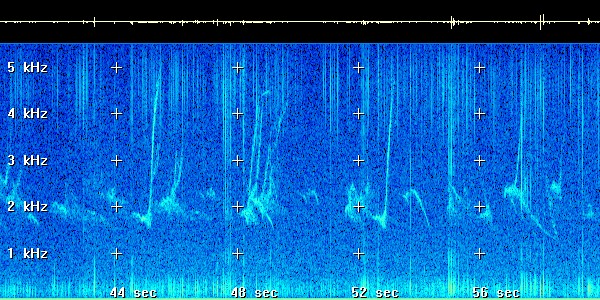
Sounds of Space uses a Very Low Frequency receiver to pick up radio waves made by our planet and investigate the science of space weather storms, to help understand potential space weather impacts on the climate system, and for lightning detection.
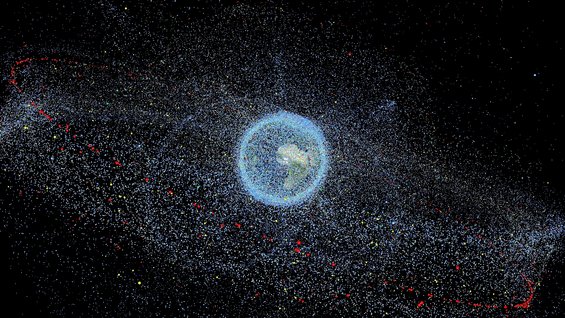
Joule Heating investigated how space weather affects the upper atmosphere’s ability to slow down orbiting satellite debris.
This project aims to develop a system to deliver acoustically derived estimates of krill density in (near) real-time from krill fishing vessels to fishery data users and managers (e.g. commercial managers, scientific researchers and/or policy managers).

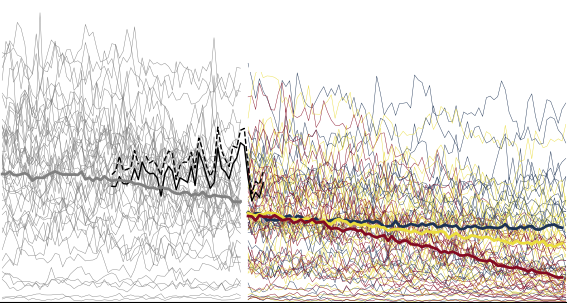
Real Projections focused on understanding the processes driving sea ice variability and change, combining observational data with climate model outputs to produce more robust projections of future Antarctic sea ice area under different greenhouse gas emission scenarios.
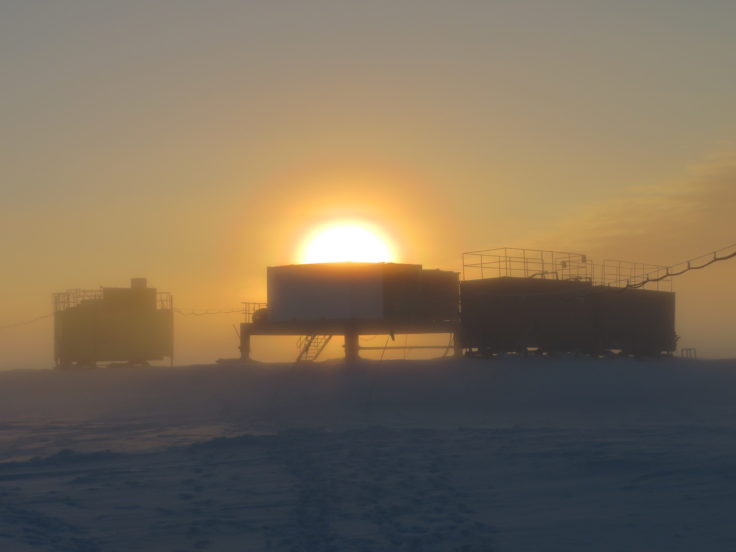
This innovative, multi-year, project created a suite of autonomous scientific instrumentation around Halley Research Station, enabling data collection even when the station may be unoccupied.
In this project samples of bedrock were analysed to determine how long they have been shielded from the sun, and that could tell us how long ago the ice sheet formed, even if the first ice has long gone.