
157 to 168 of 309 results
-
-
Paleogene Climate and Deep-water Evolution in the Southwest Atlantic
Read more of: Paleogene Climate and Deep-water Evolution in the Southwest AtlanticThis project will tackle the the question of how strongly changes in ocean circulation affect global climate.

-
Tracking hidden groundwater with radar technology
Read more of: Tracking hidden groundwater with radar technologyApRES and groundwater investigated whether a technique developed to measure the basal meltrate of ice shelves can be used to monitor groundwater in arid and semi-arid regions.

-
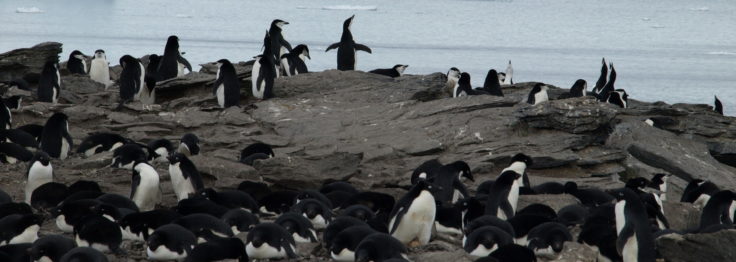
Higher Predators – Signy Island – Penguin monitoring
Read more of: Higher Predators – Signy Island – Penguin monitoringThree species of penguin breed on Signy Island: Adélie penguins (Pygoscelis adeliae), chinstrap penguins (Pygoscelis antarcticus) and gentoo penguins (Pygoscelis papua). These species have contrasting breeding and foraging strategies and […]
-
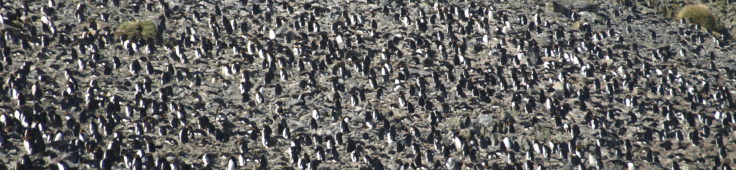
Higher Predators – Bird Island – Penguin monitoring
Read more of: Higher Predators – Bird Island – Penguin monitoringTwo species of penguin breed on Bird Island: macaroni penguins (Eudyptes chrysolophus) and gentoo penguins (Pygoscelis papua). These species have contrasting breeding and foraging strategies and ranging behaviour. Gentoo penguins […]
-
Higher Predators – Bird Island – Seal monitoring
Read more of: Higher Predators – Bird Island – Seal monitoringThere are three seal species that commonly come ashore (haul out) at Bird Island, to breed, moult, and rest: Antarctic fur seal (Arctocephalus gazella), southern elephant seal (Mirounga leonina) and […]

-
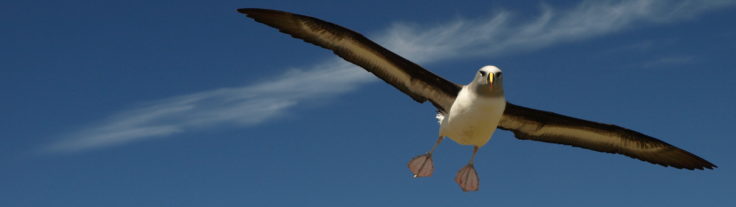
Higher Predators – Bird Island – Albatrosses and giant petrel monitoring
Read more of: Higher Predators – Bird Island – Albatrosses and giant petrel monitoringFour species of albatross breed in large numbers on Bird Island: wandering albatross (Diomedea exulans), black-browed albatross (Thalassarche melanophris), grey-headed albatross (T. chrysostoma) and light-mantled albatross (Phoebetria palpebrata). Although all […]
-
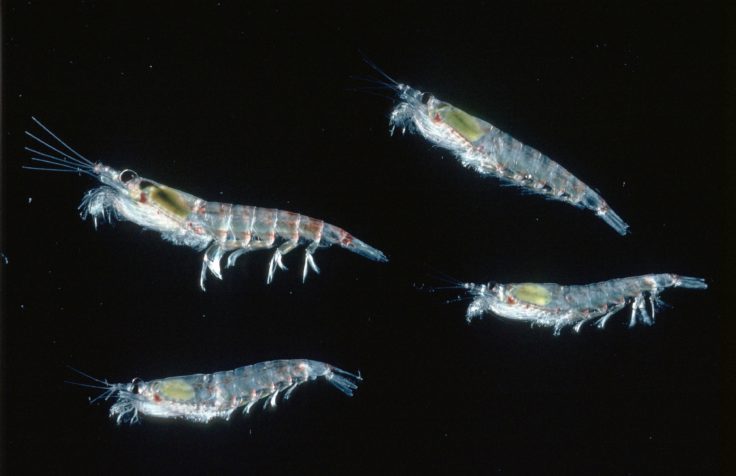
Modelling Movement of Antarctic Krill
Read more of: Modelling Movement of Antarctic KrillThe MMAK project is using state-of-the-art ocean-sea ice models to improve our understanding of processes that influence the distribution of krill in the South Orkney Islands region.
-
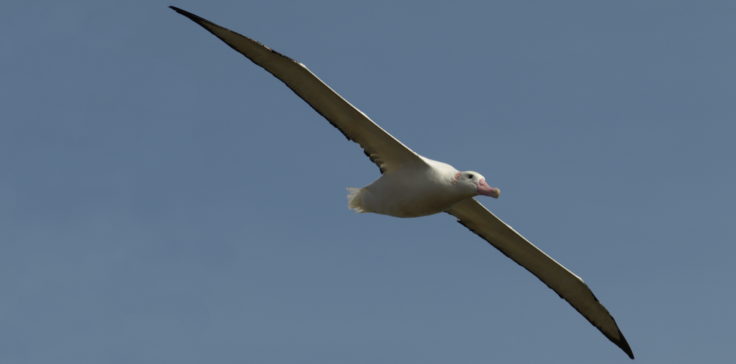
Higher Predators – Long-Term Science
Read more of: Higher Predators – Long-Term ScienceHigher Predators carries out long-term science to measure changes in Antarctic ecosystems. The aim is to understand the processes that drive these changes.
-
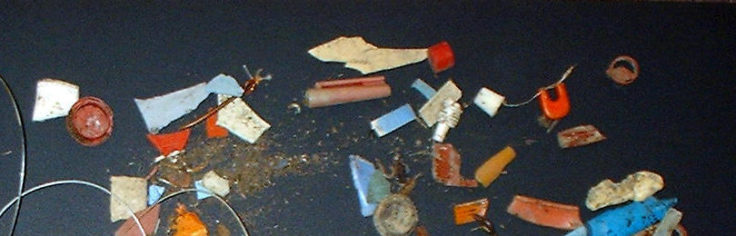
Impact of Plastic in the Polar Regions
Read more of: Impact of Plastic in the Polar RegionsThis project investigated plastic pollution across Arctic and Antarctic environments. Scientists collected water, ice, and sediment samples to quantify macro and microplastic pollution, track its sources, and assess its impact on polar wildlife.
-

-
The Southern Ocean’s carbon story
Read more of: The Southern Ocean’s carbon storySONATA will design and implement an optimal approach to assess the state, variability and climatic drivers of the contemporary Southern Ocean carbon sink. This overriding objective will be achieved through a combination of atmospheric and marine field measurements as well as numerical modelling.