Dep Science Leader of Palaeo Environments IMP 3
BAS Science Strategy Executive Group, Palaeo Environments, Ice Sheets and Climate Change team

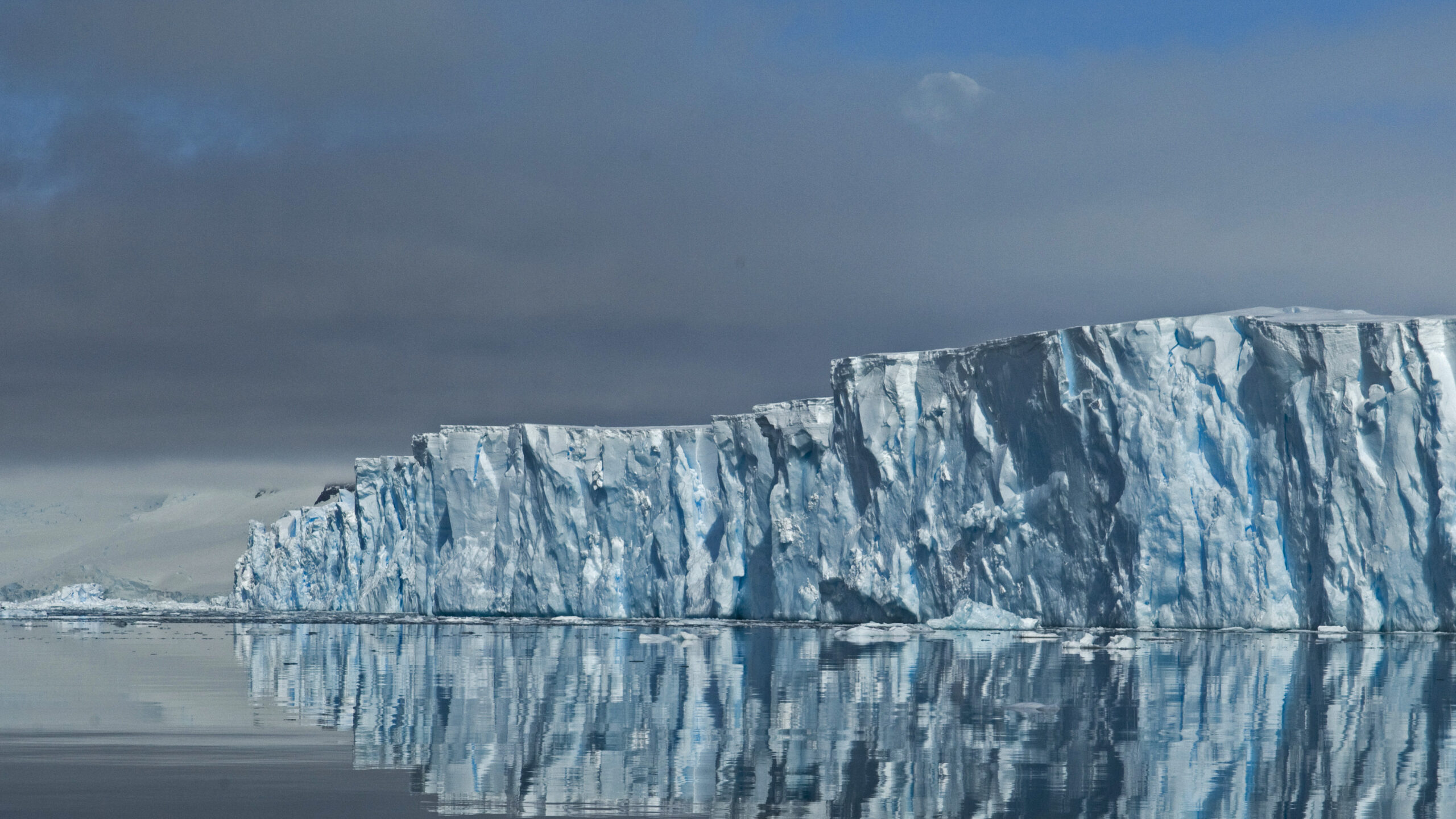
The International Thwaites Glacier Collaboration (ITGC) studies Antarctica’s most vulnerable and rapidly changing large glacier.
It investigates how West Antarctica’s Thwaites Glacier is changing, what controls its stability and how quickly it might retreat.
Researchers use field observations, measurements of the ice and ocean, evidence of how it has changed over centuries and millennia and advanced modelling to improve predictions of its impact on global sea-level rise.
ITGC helps us to:
Thwaites Glacier, sometimes referred to as the ‘Doomsday Glacier’, drains an area the size of Great Britain It already accounts for about 4% of global sea-level rise – a rate that has trebled since the mid-1990s. Its entire loss will eventually raise sea level by 65cm and lead to further ice loss from adjacent glaciers. Understanding its future is critical for planning and adapting to climate change.
ITGC is a joint UK–US programme funded by the Natural Environment Research Council (NERC) and the National Science Foundation (NSF).
It is the largest UK–US Antarctic research collaboration in over 70 years.
The programme brings together around 100 scientists from leading institutions in the UK, US, South Korea, Germany and Sweden.
Over the past seven years, research on the glacier has unveiled a complex and rapidly changing environment.
Thwaites Glacier’s retreat has accelerated considerably over the past 30 years. Although a full disintegration is unlikely to occur in the next few decades, our findings indicate it is set to retreat further, and faster, through the 21st and 22nd centuries, and general disintegration of the West Antarctic Ice Sheet over this timeframe cannot be ruled out.
Further research is urgently needed to refine this timeline.
Immediate and sustained climate change mitigation (decarbonisation) offers the best hope of delaying this ice loss and avoiding initiation of similar unstable retreat in marine-based sectors of East Antarctica.
Read the findings of the ITGC report.
Dep Science Leader of Palaeo Environments IMP 3
BAS Science Strategy Executive Group, Palaeo Environments, Ice Sheets and Climate Change team

Glacier Geophysicist

Drilling Engineer/Marine Tech

Ice Sheet Modelling
Glacier Geophysicist

Physical Oceanographer
Ice Sheet Modeller

Sedimentologist
Marine Geophysicist

Ocean/Ice Scientist IMP 3
Geochemist
Oceanographer

PICANTE Climate Scientist

Oceanographer
Ice Fracture Geophysicist

Programme Support Officer
Sedimentologist

Ice Sheet Modeller

Sub Ice Shelf Physical Oceanographer
New science briefing summarises results of the ambitious international collaboration to study Antarctica’s most worrying glacier
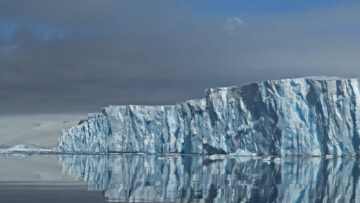
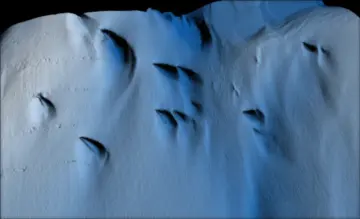
An international research team deployed the uncrewed submersible ‘Ran’ underneath 350 m thick ice. They got back the very first detailed maps covering extensive areas of the underside of a glacier, revealing clues to future sea level rise.
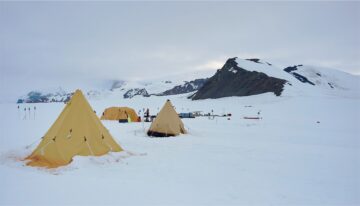
Thirty seven scientists and over 24 support staff are arriving in Antarctica to work on Thwaites Glacier.
Antarctica Live Lessons – a new and exciting learning resource, launches today (13 November). Aimed at engaging and inspiring the imaginations of young learners, the platform introduces an array of live, interactive lessons about Antarctica, offering a unique opportunity for students to hear from leading ice experts.
The Antarctic field season has started, with over 600 people beginning the journey South to work on over 60 projects on station and in the field.
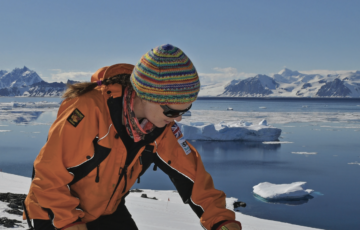
The West Antarctic Ice Sheet is shrinking, with many glaciers across the region retreating and melting at an alarming rate. However, this was not always the case according to new […]
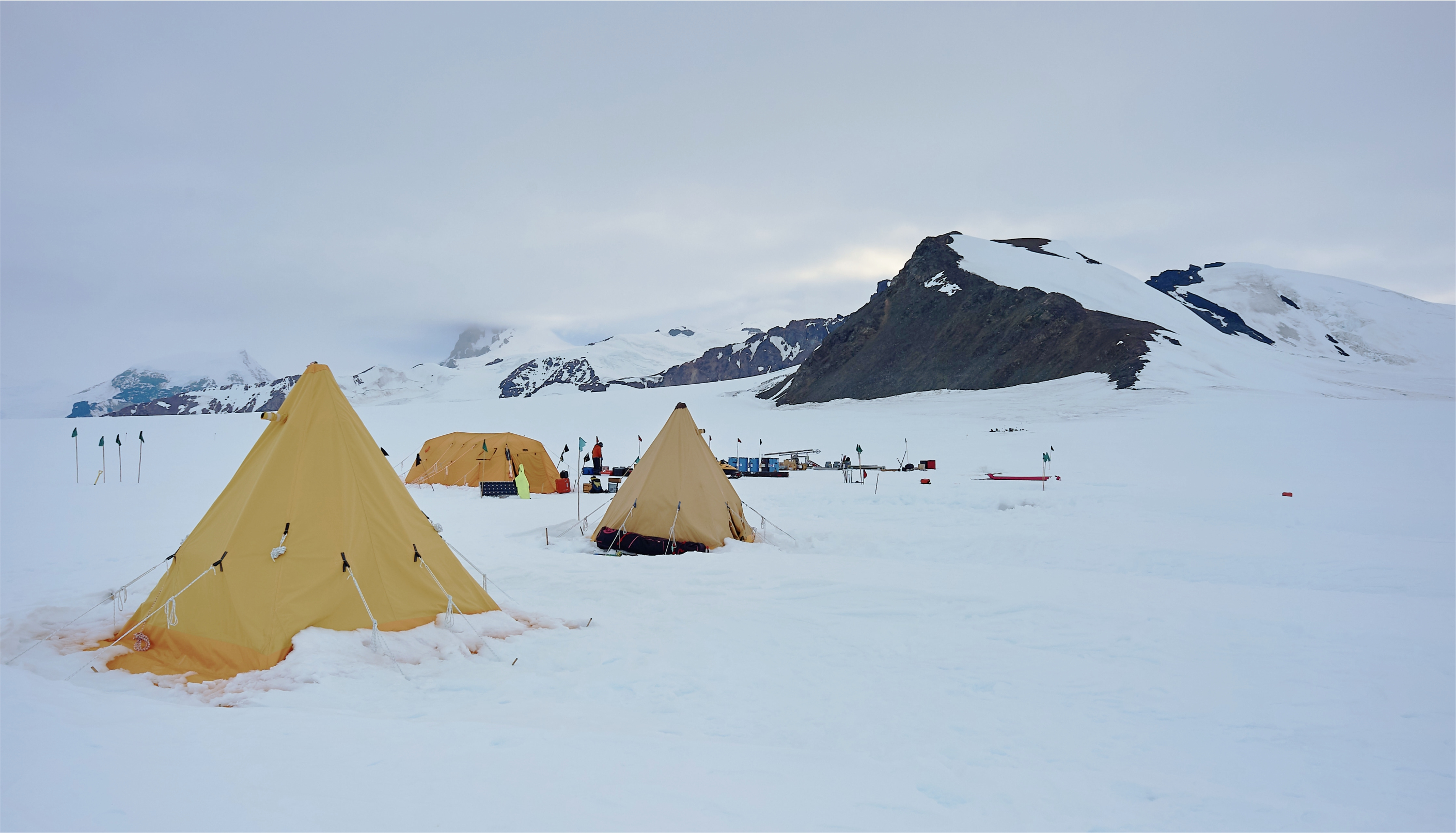
The 2022/23 Antarctic field season has ended, marking the conclusion of another successful year of scientific exploration in one of the world’s most remote and challenging environments. This field season, […]
Scientists Dr Peter Davis (British Antarctic Survey) and Dr Britney Schmidt (Cornell University) have been named in the 2023 TIME100 annual list of the 100 most influential people in the […]
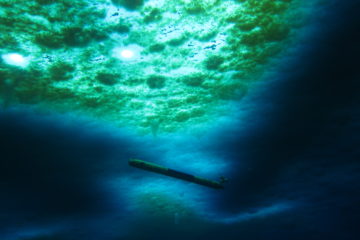
The rapid retreat of Thwaites Glacier in West Antarctica appears to be driven by different processes under its floating ice shelf than researchers previously understood. Novel observations from where the […]
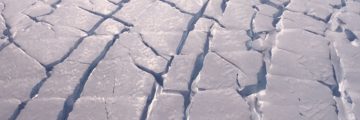
Nearly 60 scientists and support staff are on their way to Thwaites Glacier in West Antarctica. It’s part of an ambitious international effort to understand the glacier and surrounding ocean […]
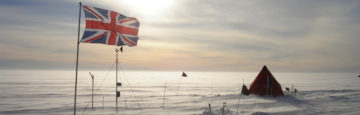
How much water the mountain glaciers of the Himalayas contain and how the mighty Thwaites Glacier in West Antarctica will contribute to global sea-level rise form part of the final […]
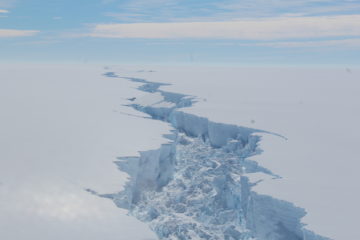
In 2011, Frozen Planet gave BBC viewers an unprecedented insight into life in the Poles. The final episode featured British Antarctic Survey (BAS) glaciologist Dr Andy Smith using explosives to […]
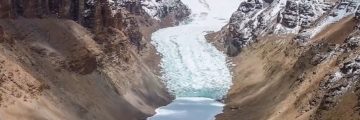
New high resolution images of the the seafloor in West Antarctica show past retreat of Thwaites Glacier. They reveal that at times in its past, retreat of the massive Thwaites […]
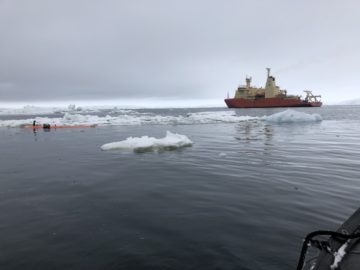
Antarctica’s Thwaites Glacier is retreating rapidly as a warming ocean slowly erases its ice from below, leading to a faster flow, more fracturing and a threat of collapse, according to […]
Britain’s new polar research ship, the RRS Sir David Attenborough, departs the UK this week for its maiden voyage to Antarctica. It will leave Harwich today (16 November), with 66 […]
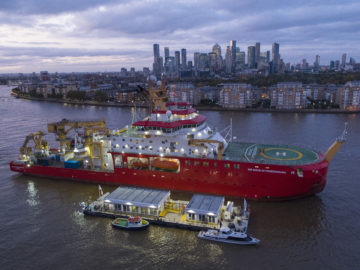
The Innovation Showcase explains how innovative science and technology is helping or, in future, could substantially help the goals of COP26 and of reducing greenhouse gas emissions, enabling adaptation to climate change or informing action related to climate change.
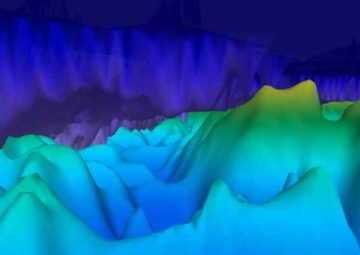
For the first time, researchers have collected data from underneath the remote Thwaites Glacier in West Antarctica using an underwater robot.
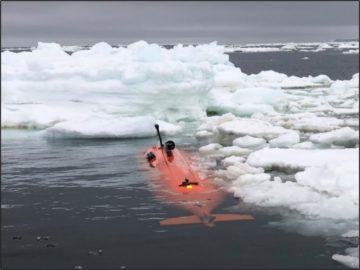
Newly discovered deep seabed channels beneath Thwaites Glacier in West Antarctica may be the pathway for warm ocean water to melt the underside of the ice. Data from two research […]
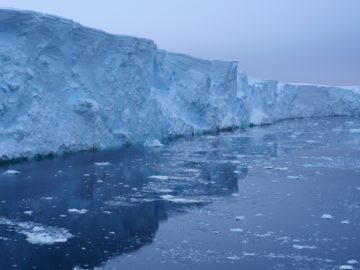
The joint US/UK five-year programme to study the future contribution of Thwaites Glacier in West Antarctica to global sea-level rise – the International Thwaites Glacier Collaboration (ITGC) – announces news […]
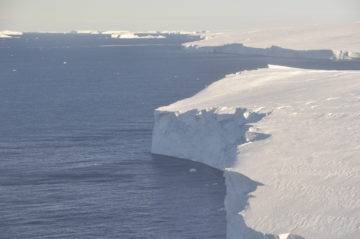
Teams from the US and UK have successfully completed scientific fieldwork in one of the most remote and hostile areas of West Antarctica – coinciding with the 200th anniversary of […]
Nearly 100 scientists and support staff depart this week (13 November 2019) for the most ambitious mission to date for Thwaites Glacier in West Antarctica. In the second year of […]
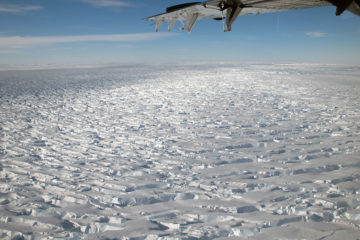
Getting ready to go south
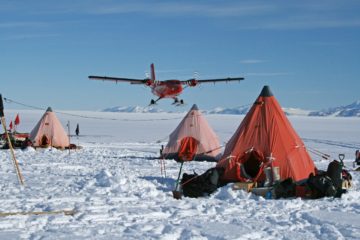
Scientists will use two species of seals to investigate a huge glacier in West Antarctica that is at risk of collapse. A team of over 20 polar scientists from the […]
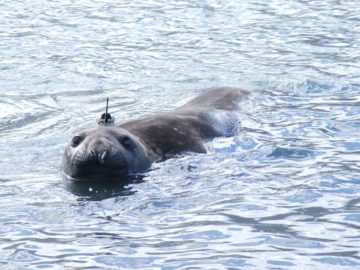
The British Antractic Survey’s vessel RRS Ernest Shackleton teamed up with the Royal Navy survey ship HMS Protector to help scientists begin a five-year mission to understand how West Antarctica […]
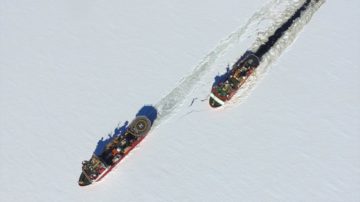
A team of UK and U.S. polar scientists are about to embark on one of the largest joint Antarctic missions for more than 70 years. It’s the first field season […]
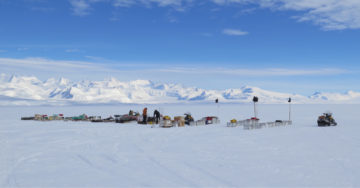
A new UK-U.S. Antarctic research programme to improve the prediction of future sea-level rise is launched this week (Monday 30 April 2018) at British Antarctic Survey (BAS), Cambridge. The £20 […]

Discover the UK’s national capability to support science from the air
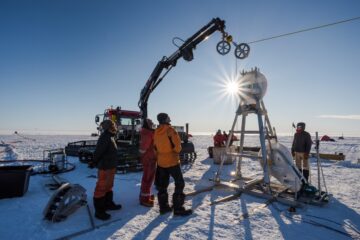
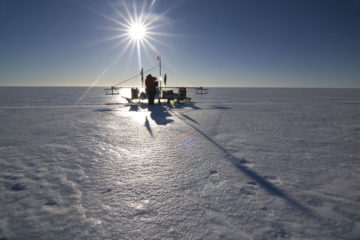
Research teams use phase-sensitive radars for determining ice shelf basal melt rates. Data is used to enhance climate models.
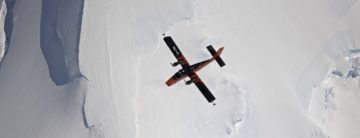
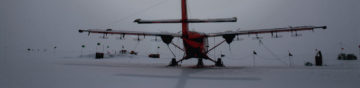
The Twin Otter is a high-wing, twin-engine, turbo-prop aircraft. They are used all over the world and are known for their rugged construction, reliability and short take-off and landing performance.
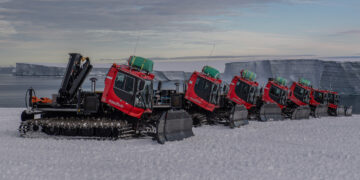
Our tractor train traverse system is an innovative way to support deep-field science across Antarctica.